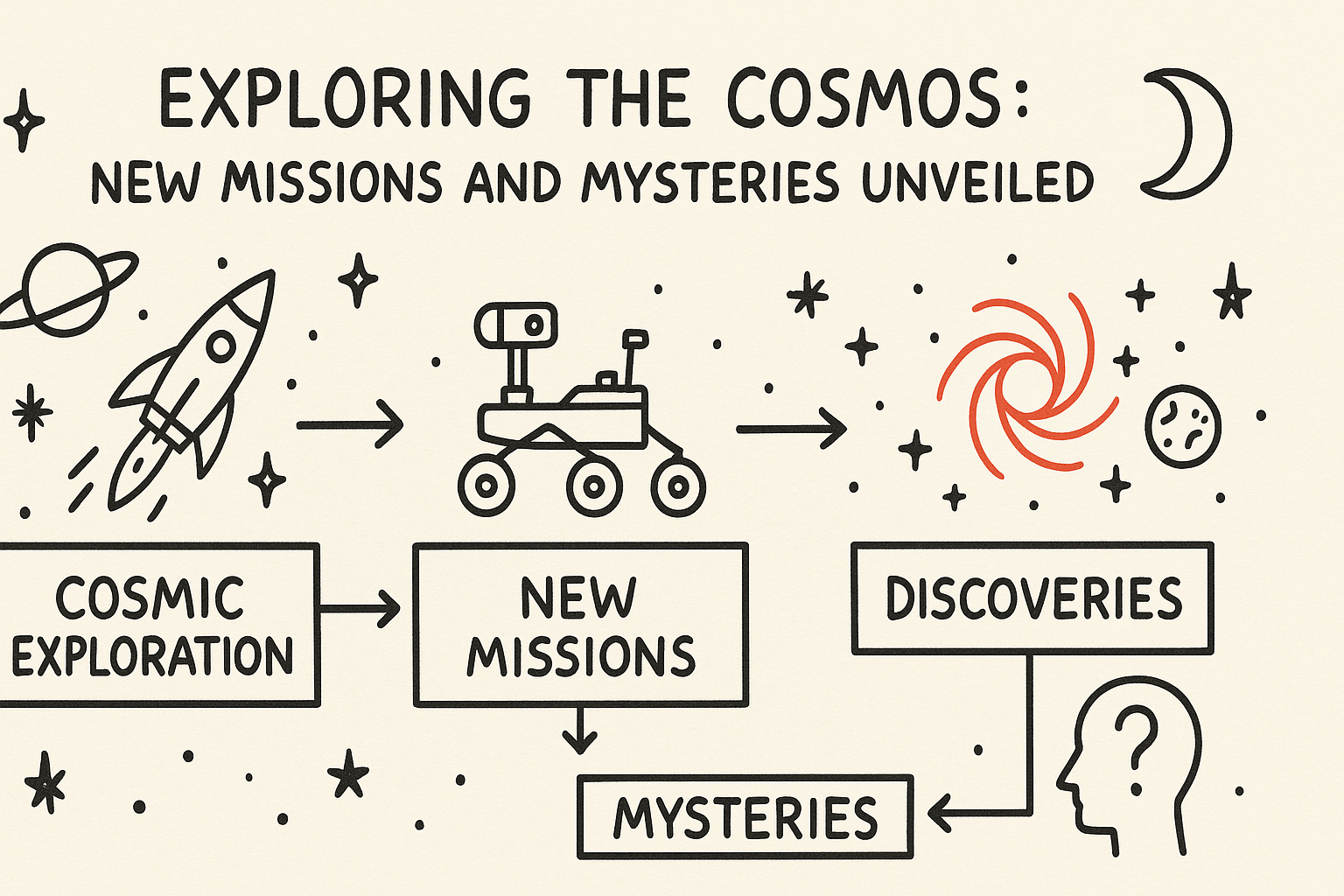
The cosmos, vast and enigmatic, continues to intrigue humanity with its mysteries and wonders. Recently, several significant developments in space science have come to light, each shedding new perspectives on our understanding of the universe. From the European Space Agency's (ESA) approval of the Arrakihs mission to groundbreaking findings from the James Webb Space Telescope, these advancements are poised to deepen our comprehension of cosmic phenomena.
Arrakihs: Unveiling the Dark Cosmos
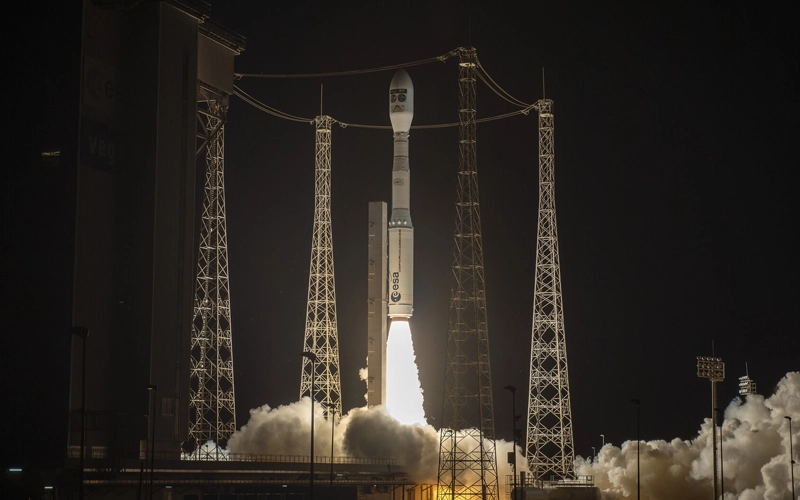
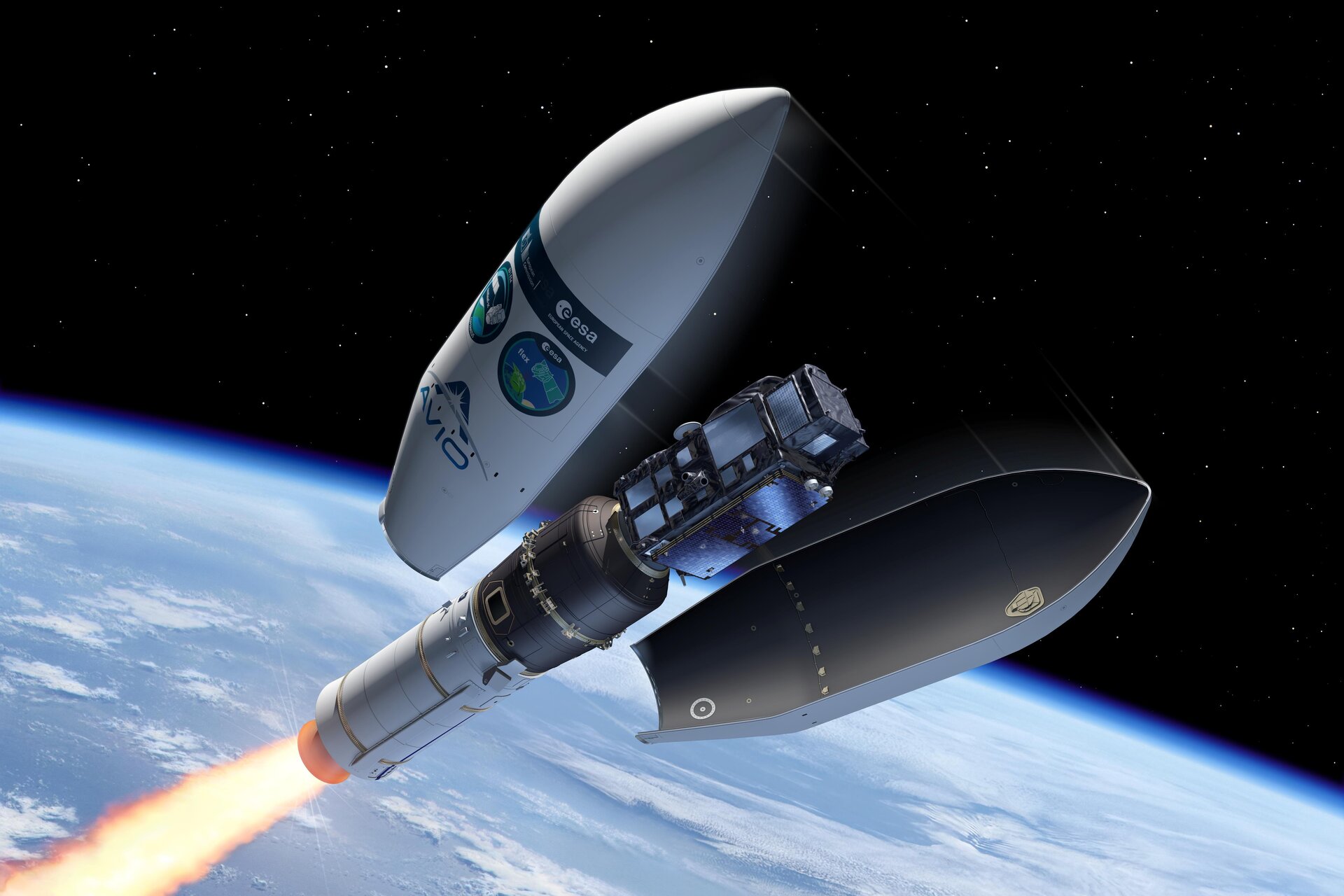
ESA's adoption of the Arrakihs mission marks a pivotal step in exploring the universe's low surface brightness regions, often referred to as the 'dark' parts of the cosmos. Slated for launch by 2030, Arrakihs will focus on studying galaxy halos, structures that could hold clues to the mysterious dark matter and its role in galactic formation and evolution. As Matthieu Schaller from the science team notes, this mission is a significant leap in deciphering the universe's concealed aspects.
Historically, the study of dark matter has been fraught with challenges due to its elusive nature. The Arrakihs mission promises to fill these gaps, providing insights that could potentially reshape our understanding of cosmic structure formation. This mission also underscores Europe's growing leadership in space exploration, as it spearheads efforts to unravel the universe's most profound secrets.
Webb's Revelations: From Black Hole Stars to Stellar Nurseries
Meanwhile, NASA's James Webb Space Telescope continues to astound with its capability to peer into the depths of space. Recently, Webb provided the strongest evidence yet for the existence of 'black hole stars,' a theoretical entity that challenges conventional astrophysical models. These findings could redefine our understanding of stellar evolution and the lifecycle of massive stars.
Additionally, Webb's image of Orion A's molecular cloud offers a mesmerizing glimpse into star formation's chaotic yet beautiful process. By capturing various stages of stellar birth, from protostars to protoplanetary disks, Webb not only enriches our understanding of stellar life cycles but also highlights the dynamic processes that govern star and planet formation.
The Cosmic Puzzle: Neptune's Moons and Missing Sulfur
In a surprising twist, researchers have proposed that Neptune's moon Nereid might be the sole survivor of a 'moonpocalypse,' where its largest moon, Triton, obliterated other moons. This hypothesis not only provides a new narrative for Neptune's unique moon system but also prompts a reevaluation of how planetary satellite systems evolve over time.
In the realm of astrochemistry, scientists grapple with the enigma of the universe's missing sulfur. While sulfur appears abundantly in diffuse interstellar clouds, it seems to vanish in the dense molecular clouds where stars are born. A new astrochemical model aims to unravel this mystery, potentially revealing new insights into the chemical processes that occur during star and planet formation.
Technological Innovations: Changing How We View the Sun
As we probe deeper into the cosmos, technological advancements continue to play a crucial role. A new optical component, merely 6 millimeters in diameter, promises to revolutionize how telescopes study the sun, potentially simplifying onboard hardware and reducing mission costs. Such innovations are vital as they enable more efficient and accessible exploration of space phenomena.
In summary, these developments not only advance our scientific knowledge but also spark curiosity about the unknown. They remind us that while we've made significant strides in space science, the universe remains a vast frontier filled with untapped potential and endless mysteries waiting to be discovered.