In a significant development for the satellite industry, Orbital has successfully raised $5 million in a pre-seed funding round. This investment will propel the company's innovative project to build the Orbital Data Center (ODC) constellation, a network of smaller satellites designed to handle large artificial intelligence (AI) inference workloads while maintaining constant communication with the ground. This initiative marks a pivotal moment in the evolution of satellite technology and its applications in data processing.
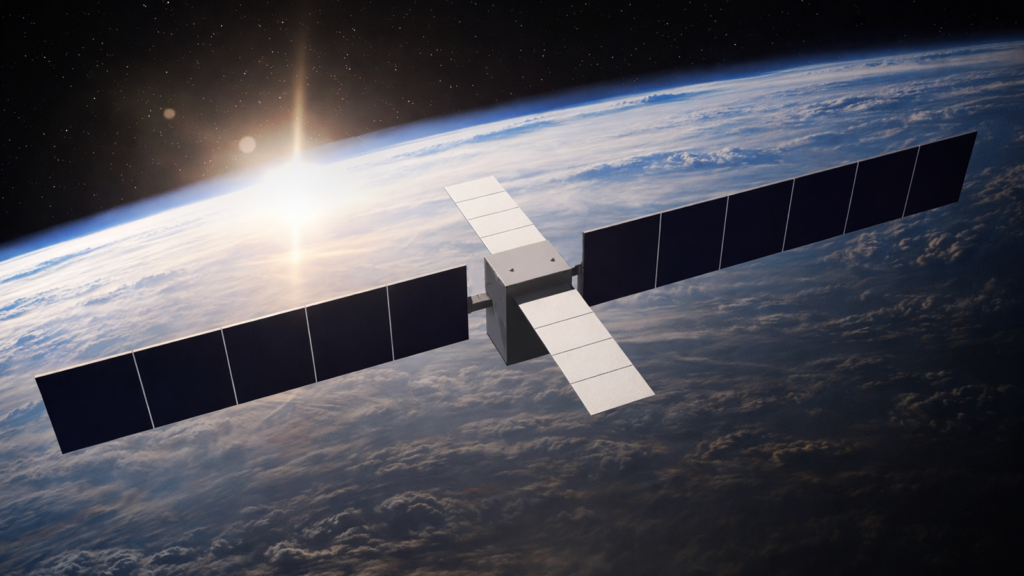
The ODC constellation represents a paradigm shift in how satellite networks are conceptualized and utilized. Traditionally, satellite constellations have relied on larger, more cumbersome satellites to perform specific tasks. However, Orbital's approach emphasizes efficiency and scalability through a network of smaller satellites. This constellation aims to leverage the collective power of these satellites to process substantial AI workloads, suggesting a future where satellites play a critical role in managing and analyzing data in real time.
The funding round's success underscores the growing interest and confidence in the potential of satellite constellations to reshape data management in space. This financial backing will enable Orbital to advance its technological capabilities and bring its vision of a satellite-based data center closer to reality. Investors are clearly recognizing the strategic value that such a project holds, not only in terms of technological innovation but also in terms of commercial viability.
The implications of Orbital's project are far-reaching. As the demand for AI-driven data processing continues to surge across various industries, having the capability to perform such tasks in the space environment offers distinct advantages. The ODC constellation could potentially reduce latency issues associated with ground-based data centers and offer enhanced processing speeds due to its proximity to data sources, especially in remote or inaccessible areas.
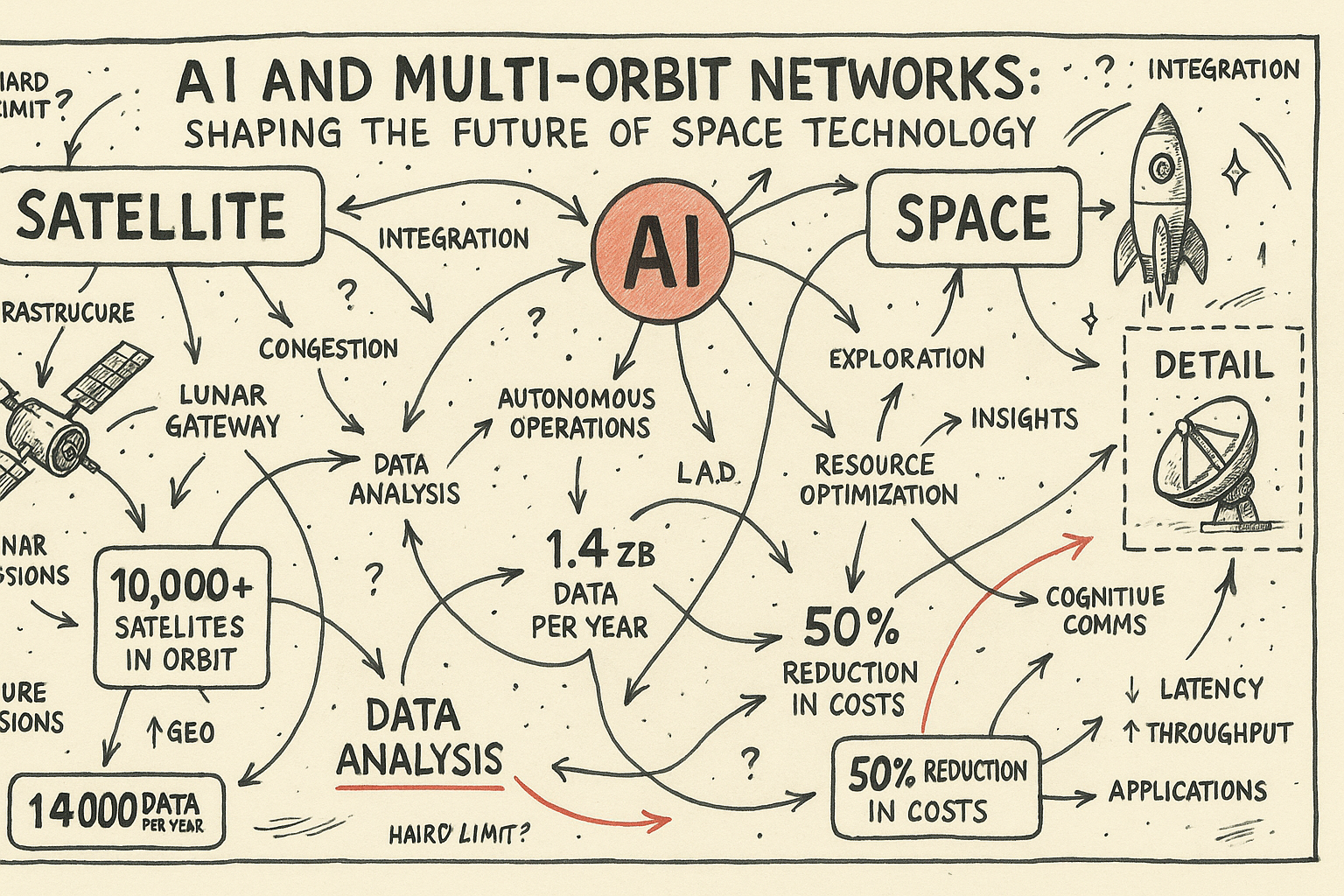
This initiative also aligns with broader trends in the aerospace industry, where companies are increasingly looking to space as a platform for advanced computational tasks. The integration of AI into satellite operations is a natural progression, leveraging the unique vantage point of space to gain insights and process information that would be challenging to accomplish on Earth.
Historically, the concept of satellite constellations isn't new. The Iridium and GPS constellations, for example, have long been operational, providing communication and navigation services worldwide. However, the ODC constellation is set to introduce a new dimension to this concept by focusing on data processing and AI tasks. This evolution is indicative of the broader shift in how space assets are perceived and utilized, transitioning from static roles to dynamic, multifunctional nodes in an expansive network.
Looking forward, the successful deployment and operation of the ODC constellation could inspire further innovations in the aerospace sector. As more companies explore similar models, we may witness a new wave of satellite technology that prioritizes agility, efficiency, and data-centric operations. This could pave the way for enhanced global connectivity, real-time data analysis, and improved decision-making processes across various fields, from environmental monitoring to disaster management.
In conclusion, Orbital's ambitious plan to develop the ODC constellation is a testament to the rapid advancements in satellite technology and its expanding role in global data infrastructure. With the backing of strategic investors and a clear vision for the future, Orbital is well-positioned to lead the charge in redefining how satellites are used in the age of AI and big data.