In a bold move that underscores the shifting landscape of data infrastructure, Orbital, a startup based in Los Angeles, has announced plans to launch up to 100,000 data center satellites into low Earth orbit. This ambitious enterprise aims to deliver 10 gigawatts of computing power from space, addressing the surging demand for artificial intelligence (AI) processing capabilities on Earth.
The company, founded just five months ago, has already taken a significant step by filing for permission with the Federal Communications Commission (FCC) on June 24, 2026. This filing is part of their strategy to establish a massive orbital data center constellation, which was initially unveiled earlier this month. With $5 million in pre-seed funding, Orbital is poised to conduct a demonstration mission next year, marking the beginning of their journey.
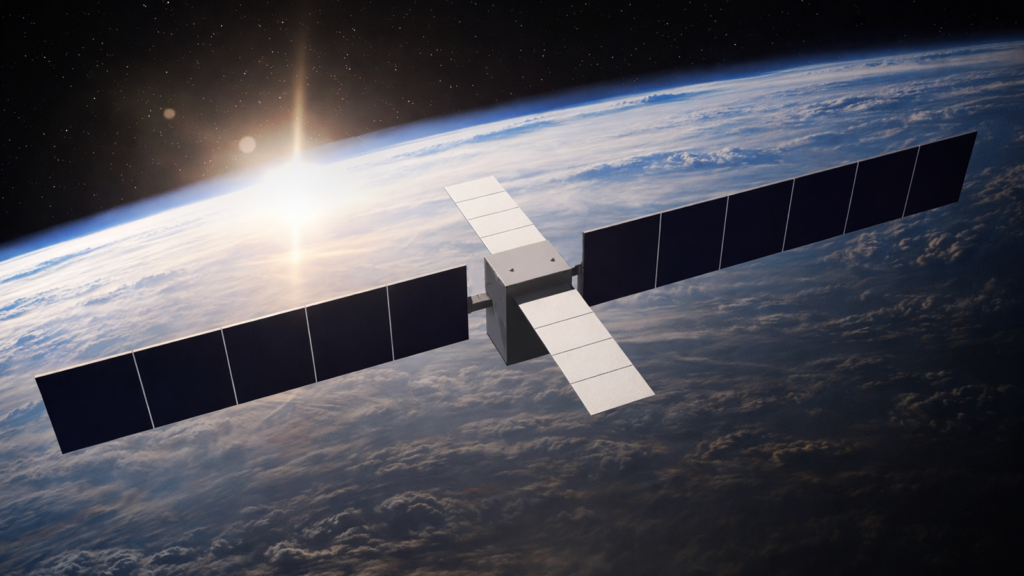
At the core of Orbital's proposal are 100-kilowatt-class satellites positioned at altitudes between 500 and 850 kilometers. Each satellite boasts a design that includes solar arrays and radiators spanning approximately 100 meters, with a dry mass ranging from 1.5 to 2.5 metric tons. These satellites will primarily rely on optical intersatellite links with third-party constellations, such as SpaceX’s Starlink, to facilitate data transmission.
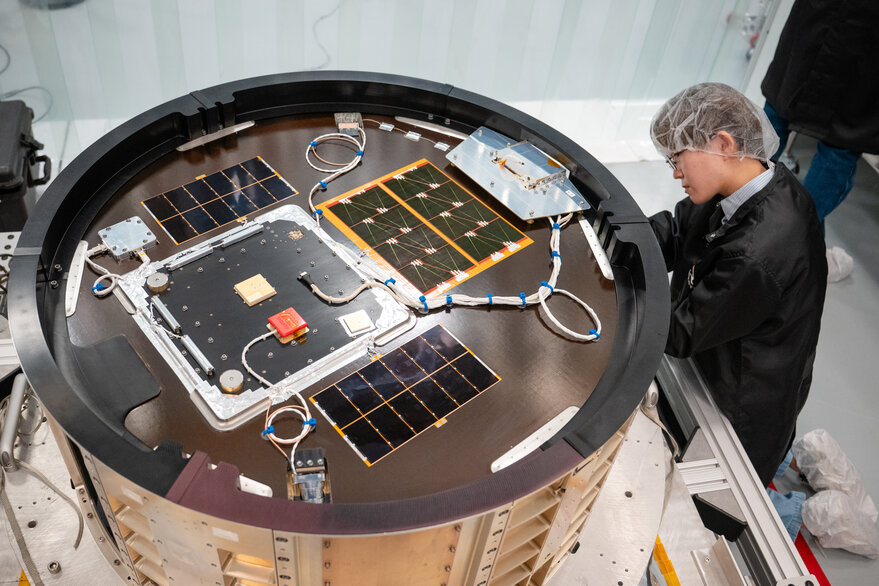
Orbital's CEO and founder, Euwyn Poon, who previously founded the micromobility company Spin, describes this regulatory filing as a preliminary step. It will help in finalizing the satellite design for Orbital-1, their first purpose-built orbital compute satellite slated for 2028. The demonstration payload, expected next year, will be a scaled-down version of the full operational satellite, utilizing a single GPU that is one one-hundredth the size of the intended final design.
Orbital is not alone in its pursuit of space-based data centers. Companies like Starcloud and Cowboy Space have also filed plans for similar constellations earlier this year. Starcloud, for instance, is targeting 200-kilowatt-class satellites for its proposed 88,000-strong constellation, while SpaceX has outlined plans for 150-kilowatt-class orbital data centers, with aspirations to deploy up to a million satellites.
The concept of orbital data centers is gaining traction as terrestrial data centers face increasing challenges related to power consumption, cooling requirements, and land availability. Blue Origin is also among the companies exploring this frontier, signaling a growing interest in leveraging space for large-scale data processing needs.
Poon acknowledges that the market for orbital data centers is still in its infancy but stresses that the time is ripe for coordination and development. As the company progresses with its satellite design, there is potential for performance enhancements, which will be crucial in positioning Orbital as a key player in this emerging field.
Space-based data centers present a compelling solution to some of the limitations faced by ground-based infrastructure. By situating data centers in orbit, companies can leverage the unique advantages of space, such as abundant solar energy and the cold vacuum of space, which can be used for efficient cooling. Additionally, the reduced latency from having data centers closer to satellites in orbit could enhance the performance of AI applications that require rapid data processing.
However, the deployment of such a vast network of satellites also raises challenges and considerations. Regulatory approvals, space debris management, and the technical complexity of maintaining and operating such a large constellation of satellites are all critical issues that need to be addressed.
As Orbital and its competitors forge ahead with their plans, the potential impact on the global data infrastructure landscape is significant. This endeavor could reshape how data is processed and transmitted, offering a glimpse into a future where space and technology converge to meet the evolving needs of humanity.