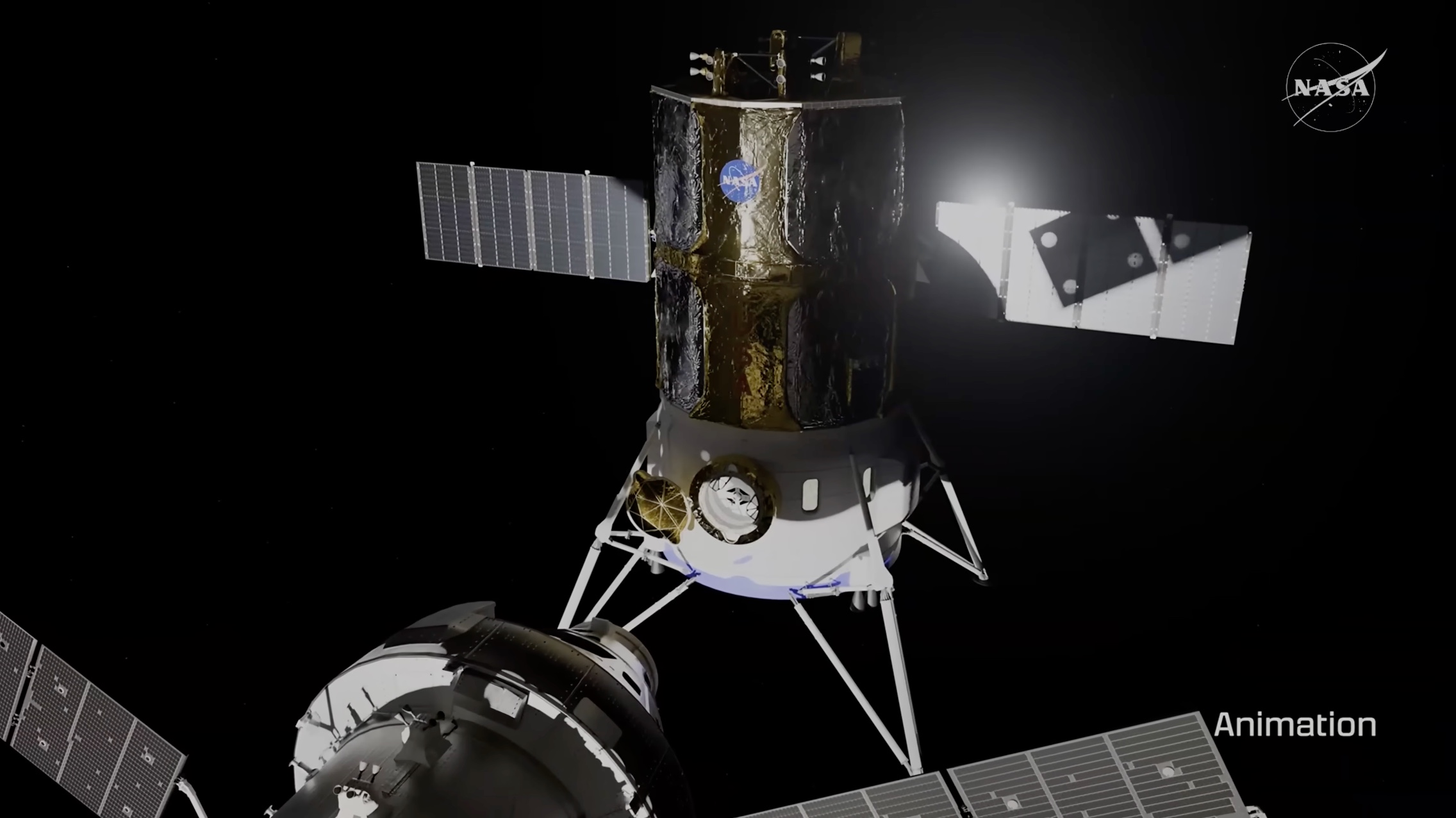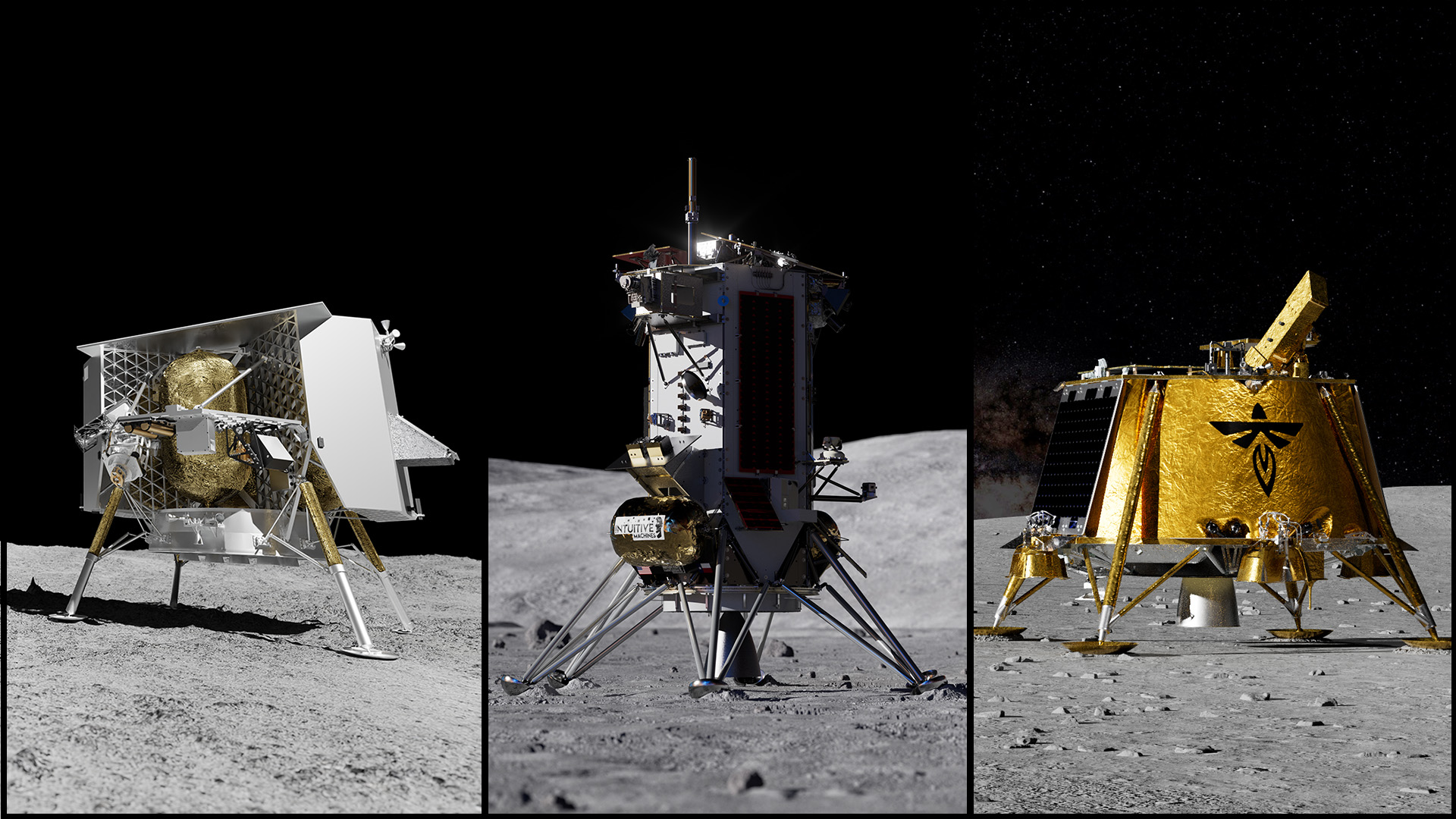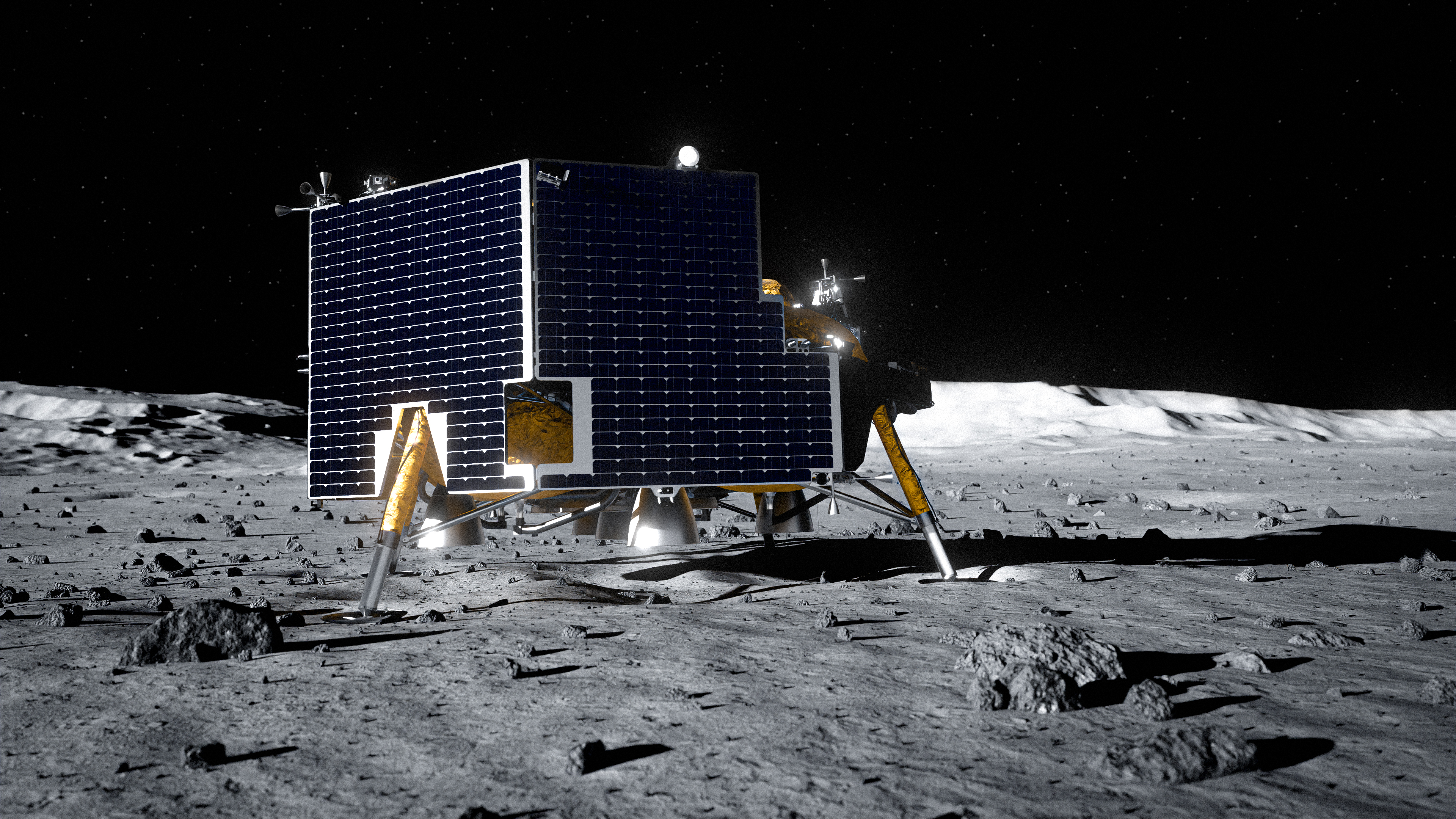
Astrobotic, a commercial space company, has taken a significant step towards its upcoming lunar mission by showcasing the Griffin-1 lander. This spacecraft, a critical part of NASA's Commercial Lunar Payload Services (CLPS) program, was recently rebranded as Moon Base 2 by the agency. The lander is now poised for environmental testing in California, marking a pivotal phase in its journey to the Moon, with the launch scheduled for late 2026.
The Griffin-1 lander is set to carry various scientific instruments and technology demonstrations to the lunar surface, advancing NASA's objectives of exploring and understanding our celestial neighbor. This mission is part of a series of initiatives under the CLPS program, which aims to leverage private sector innovation to deliver payloads to the Moon, fostering a new era of space exploration.
Environmental testing is a crucial phase in the preparation of any space mission. It ensures that the spacecraft can withstand the harsh conditions of space and the lunar environment. These tests simulate extreme temperatures, vacuum conditions, and the mechanical stresses of launch and landing. For Griffin-1, this testing will take place in California, where it will be subjected to rigorous assessments to validate its design and functionality.
The rebranding of the mission as Moon Base 2 highlights NASA's broader strategy for lunar exploration. By establishing a sustainable presence on the Moon, NASA aims to use it as a stepping stone for future missions to Mars and beyond. The Moon Base 2 mission is expected to contribute valuable data and insights that will inform the development of technologies crucial for long-duration space travel.
Astrobotic's involvement in NASA's CLPS program underscores the growing role of private companies in space exploration. This partnership model is designed to accelerate the pace of lunar exploration while reducing costs. By outsourcing lunar payload delivery to companies like Astrobotic, NASA can focus its resources on more complex aspects of space exploration, such as crewed missions and deep space research.
Historically, lunar exploration has been predominantly the domain of national space agencies. However, the landscape is changing rapidly with the increasing participation of commercial entities. This shift is expected to lead to more frequent and diverse missions, opening new opportunities for scientific discovery and technological advancements.
As the Griffin-1 lander progresses through its environmental tests, all eyes are on its eventual launch later this year. The success of this mission could pave the way for future collaborations between NASA and private companies, further cementing the role of commercial spaceflight in the quest for knowledge beyond Earth.
Looking ahead, the implications of successful lunar missions like Moon Base 2 extend far beyond scientific research. They are pivotal in establishing the infrastructure necessary for human settlement on the Moon, a goal that has fascinated humanity for decades. By building a sustainable presence on the lunar surface, we not only learn more about our solar system but also prepare for the next giant leap in human exploration—Mars.