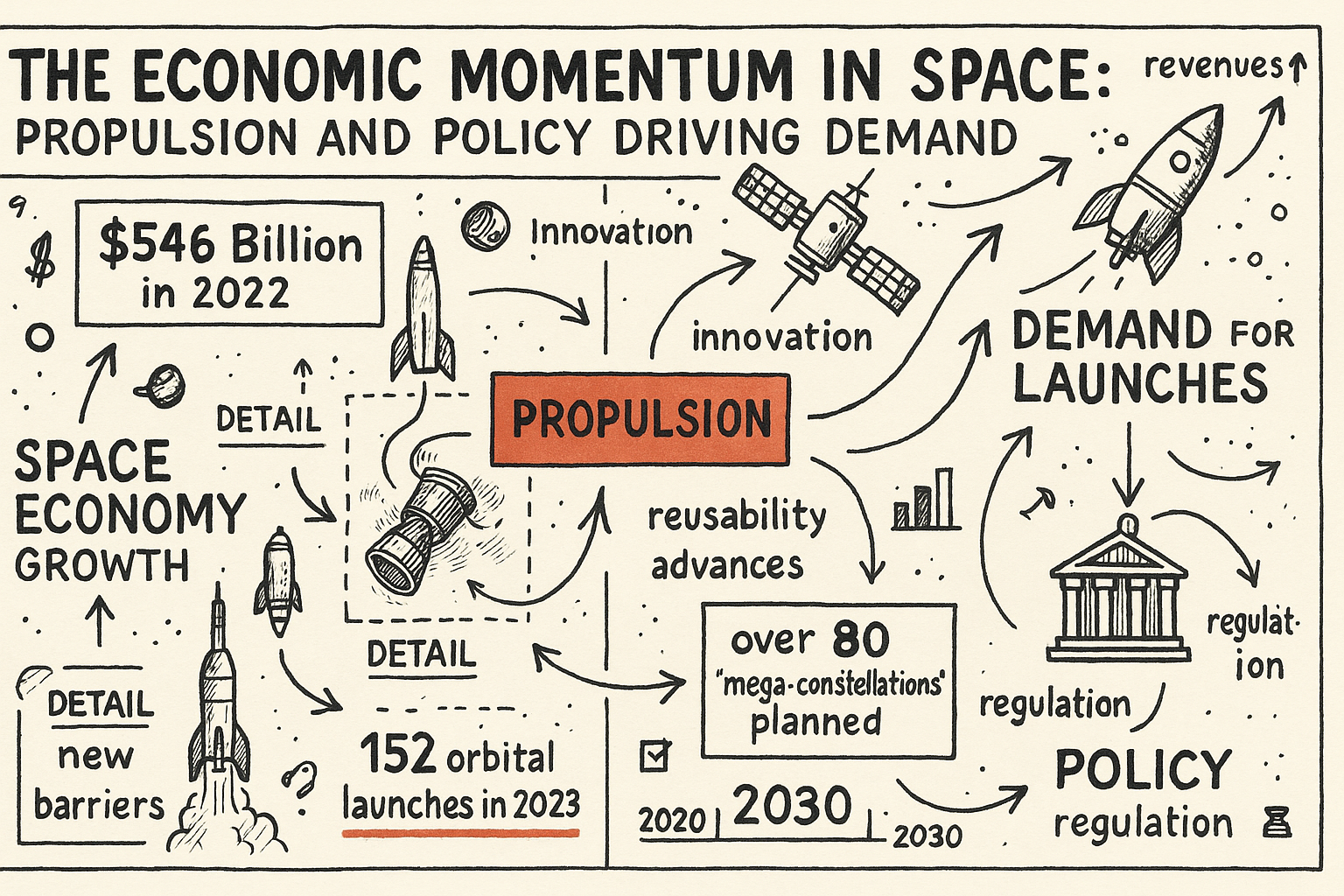
The commercial space sector is witnessing a transformative era, as evidenced by a series of recent developments that highlight significant technological advances, financial investments, and policy shifts. This analysis connects the dots between recent news items to provide a comprehensive understanding of the commercial space industry's current landscape and its future potential.
Technological Breakthroughs
One of the most groundbreaking developments comes from Boeing's successful quantum lab test. The company demonstrated high-fidelity quantum entanglement swapping with its quantum networking satellite, Q4S. This technological leap is poised to revolutionize secure communication in space, potentially offering unprecedented levels of data security and transmission speed. Quantum technology in space is still in its infancy, yet Boeing's achievement suggests that we might be on the cusp of a new era of space communication.
Parallel to quantum advancements, PiLogic is making strides in AI technology with its anomaly detection software for satellites. In partnership with the Air Force Research Laboratory, PiLogic's AI is being tested to enhance fault-prediction capabilities in space assets. This technology could drastically reduce operational risks and costs by predicting and mitigating potential failures before they occur.
Investment and Economic Implications
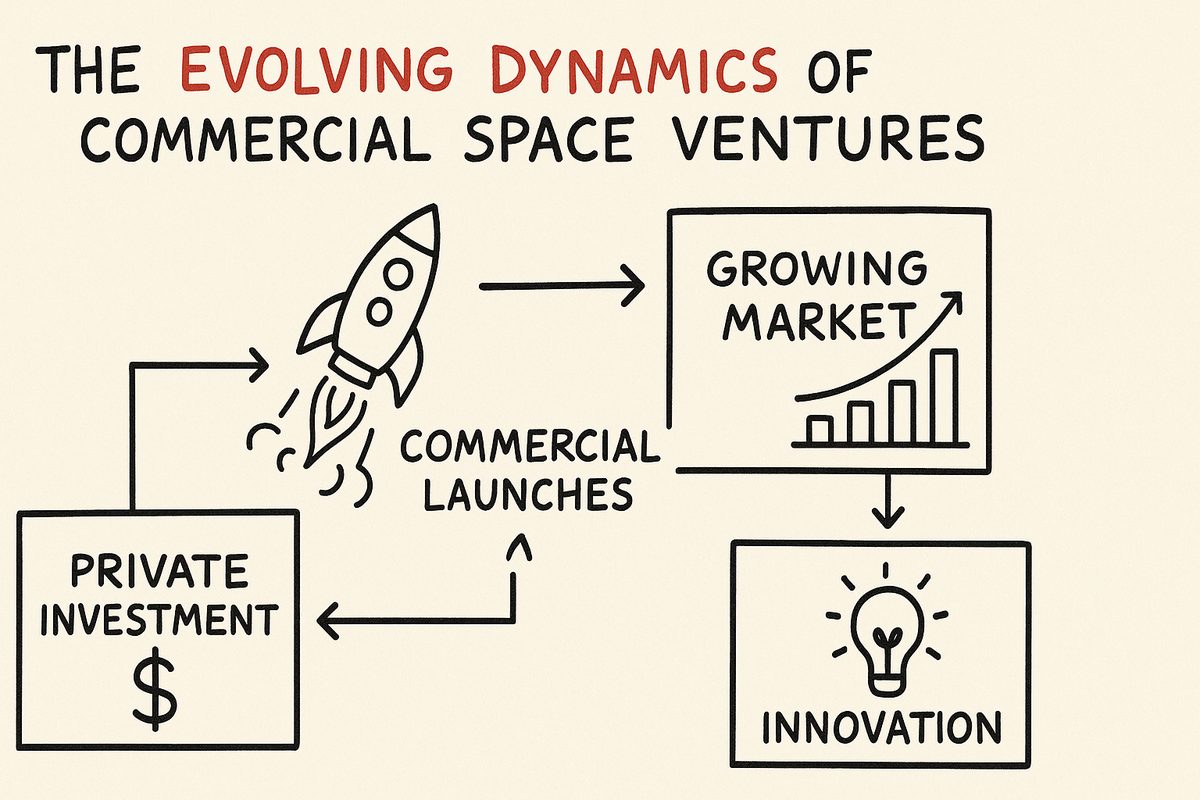
Financial investments in the space industry are escalating. Dawn Aerospace's recent $25 million funding round is a testament to the growing investor confidence in space transportation and suborbital spaceplanes. Such investments are crucial for scaling up operations and furthering technological development. Meanwhile, Optera's £3 million funding to establish a UK headquarters aligns with the UK government's push to expand its sovereign technical capabilities, indicating a robust public-private synergy aimed at fortifying national space interests.
The concept of 'space unicorns'—private space companies valued at $1 billion or more—continues to gain traction. These companies symbolize the commercial space sector's maturation and its potential to drive economic growth. The burgeoning list of space unicorns reflects both the sector's financial viability and the increasing interest from venture capitalists and institutional investors in space technologies.
Policy and Strategic Shifts
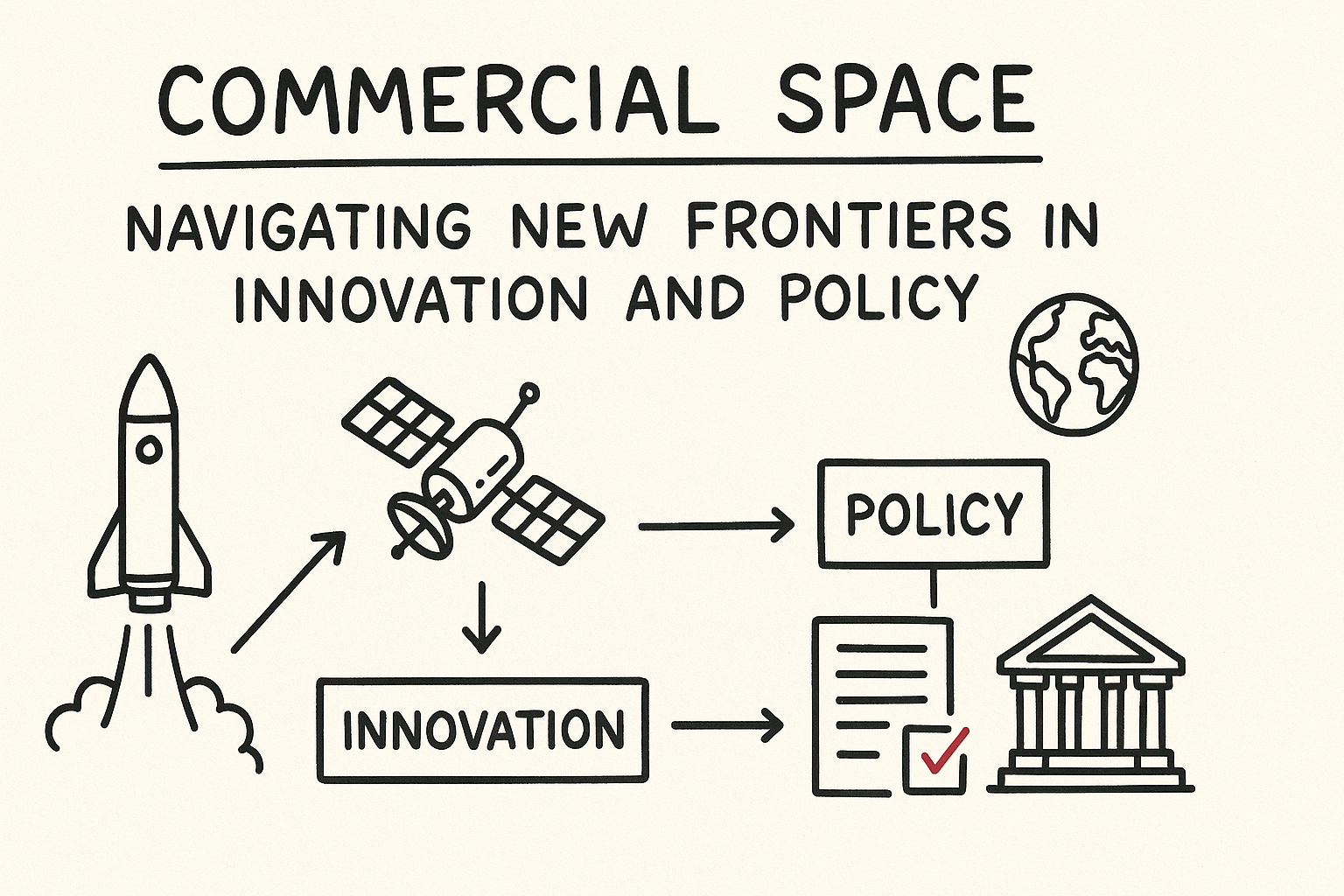
Policy developments are equally critical to the commercial space narrative. The U.S. Senate's NDAA backing to integrate the Space Development Agency (SDA) and the Space Rapid Capabilities Office (Space RCO) into the Space Force marks a significant shift in how space capabilities are managed and procured. This move aims to streamline operations and enhance the efficacy of space defense initiatives.
The upcoming Golden Dome event will further explore how sensor technologies can be harnessed to protect national interests. Such discussions underscore the strategic importance of space in national security and the role of commercial entities in providing crucial technologies and innovations.
Future Implications
The convergence of technology, investment, and policy in the commercial space sector suggests a dynamic future landscape. Quantum communication, AI-driven satellite maintenance, and increased investment could collectively redefine space operations. Moreover, policy integrations like the SDA and Space RCO merger with the Space Force signal a future where commercial and military space endeavors are closely intertwined, enhancing the U.S.'s strategic positioning.
As commercial space companies continue to push boundaries, the sector's growth will likely spur new technological innovations, economic opportunities, and geopolitical strategies, making it a pivotal arena in the 21st-century global landscape.