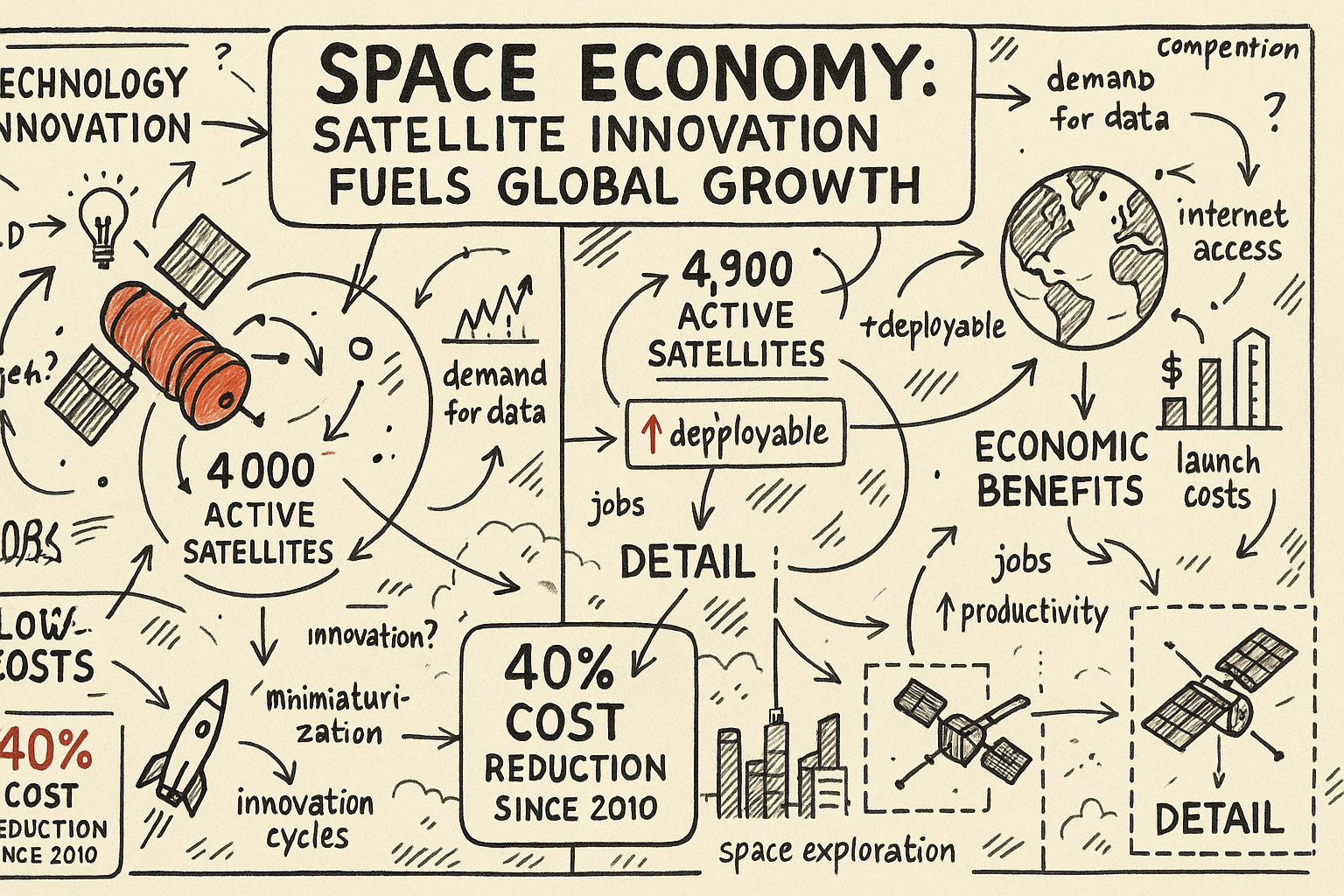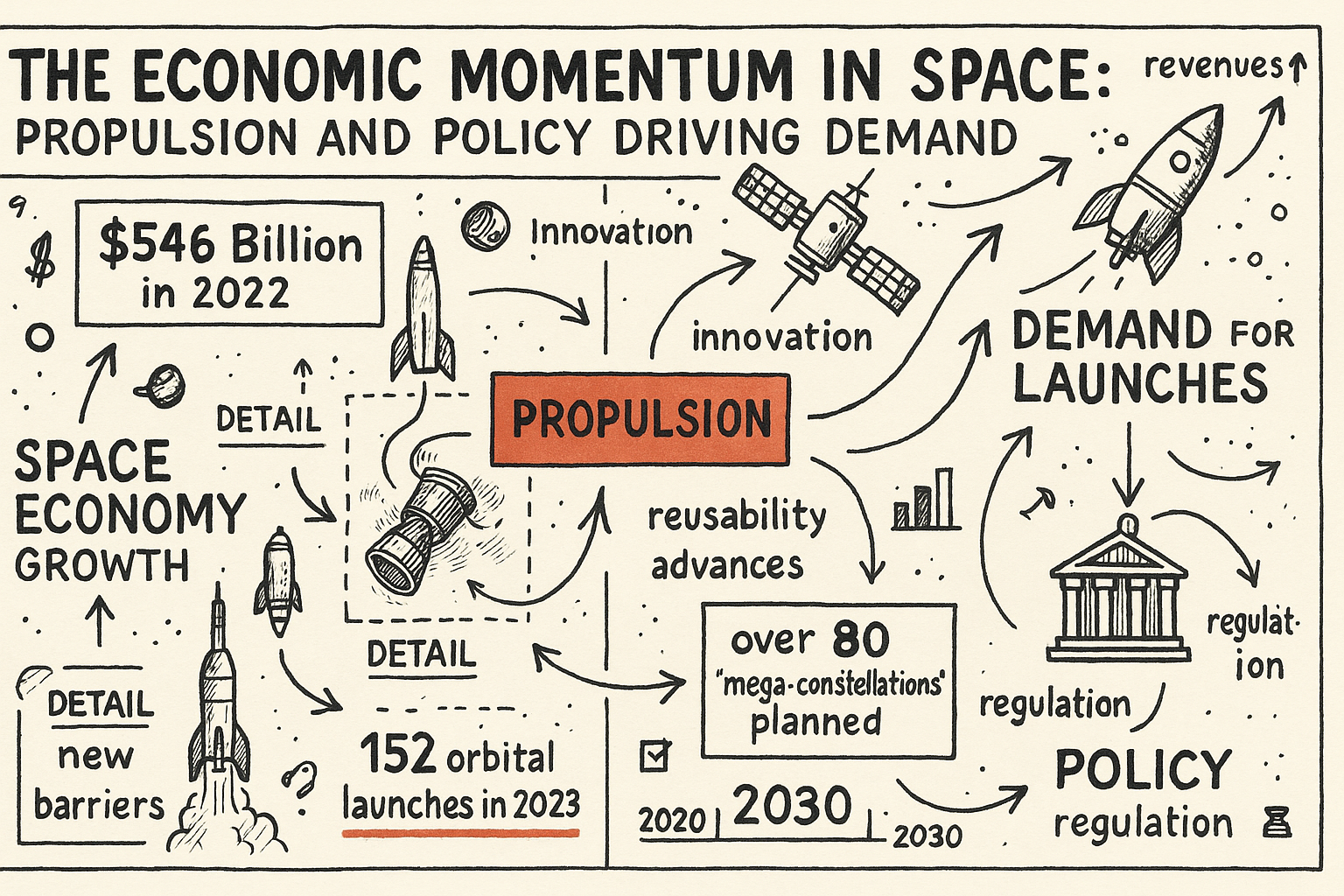
The space economy is undergoing a transformation, driven by new policies, innovative propulsion technologies, and burgeoning demand for satellite launches. This shift is not only reshaping the dynamics of how we access and utilize space but also redefining the economic landscape for the industry.
Policy as a Catalyst
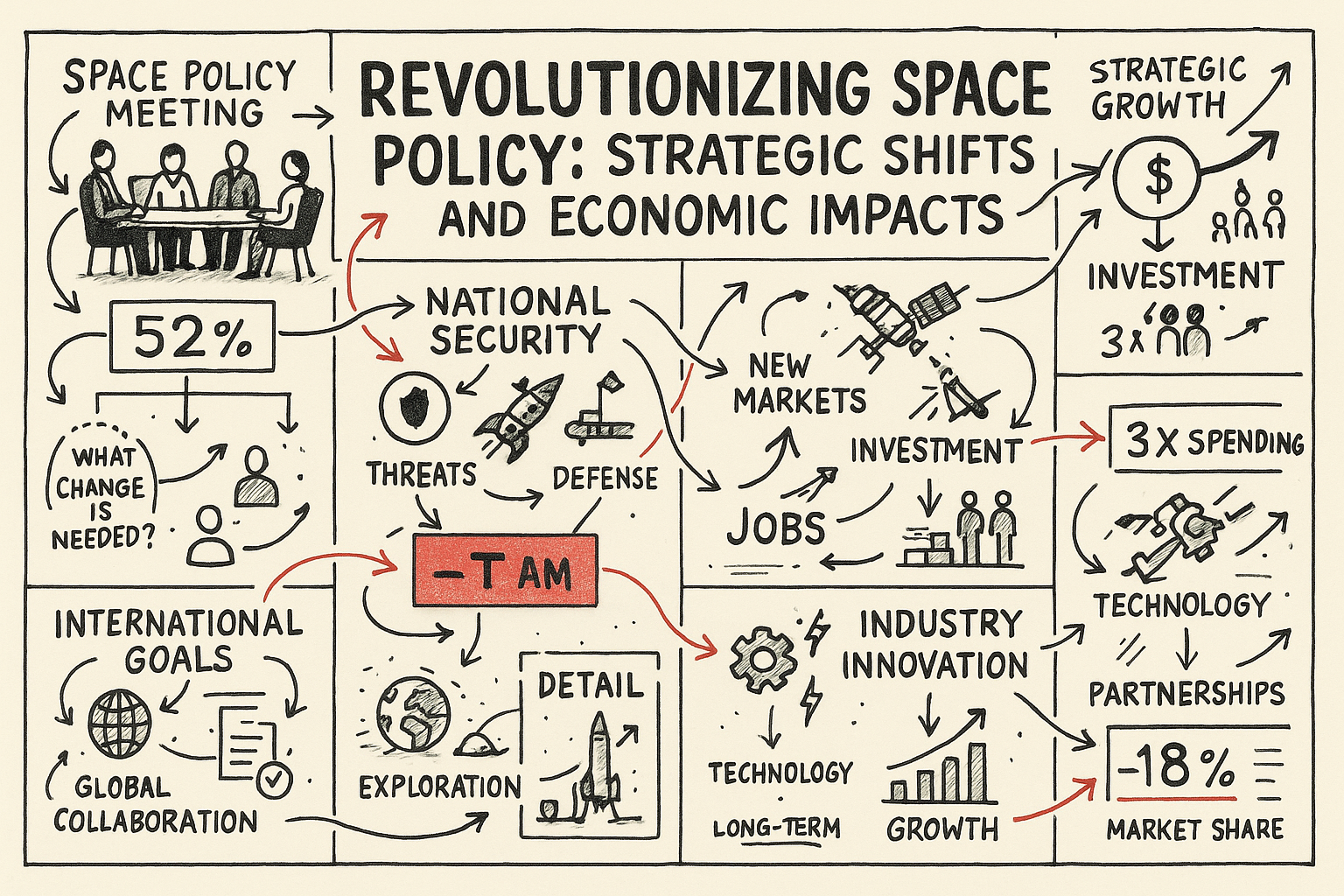
A pivotal component in this transformation is the National Space Transportation Policy, recently signed by the White House, which sets an ambitious target of 1,000 annual launches and reentries by 2030. This policy replaces the 2013 edition and reflects a significant pivot towards increasing launch frequency to foster a more robust space economy. By creating a framework for more frequent launches, the policy aims to reduce costs and drive innovation, much like how the deregulation of telecommunications in the 1980s spurred a boom in innovation and competition.
Propulsion: The Engine of Innovation
Concurrently, propulsion technology is gaining unprecedented attention. Companies like Morpheus Space are at the forefront, showcasing advancements that could potentially make space travel more efficient and less costly. Propulsion is critical not just for reaching space but for maneuvering and maintaining spacecraft in orbit, a necessity underscored by the Space Force's recent $28 million contract expansion with Impulse Space for maneuvering demonstrations. This investment highlights the growing importance of propulsion in meeting both military and commercial objectives in space.
A Boost from Rideshare Programs
Impulse Space is also scaling up its rideshare program to Geostationary Orbit (GEO), responding to increased demand. This service allows multiple payloads to share a single launch, significantly reducing costs for smaller companies and startups. The rideshare model is analogous to carpooling in urban settings, optimizing resources and reducing individual expenses. With three missions fully booked through 2028, and plans to double the frequency of these missions, Impulse Space illustrates a successful application of this model in space, setting a precedent for others to follow.
Strategic Partnerships and Technological Integration
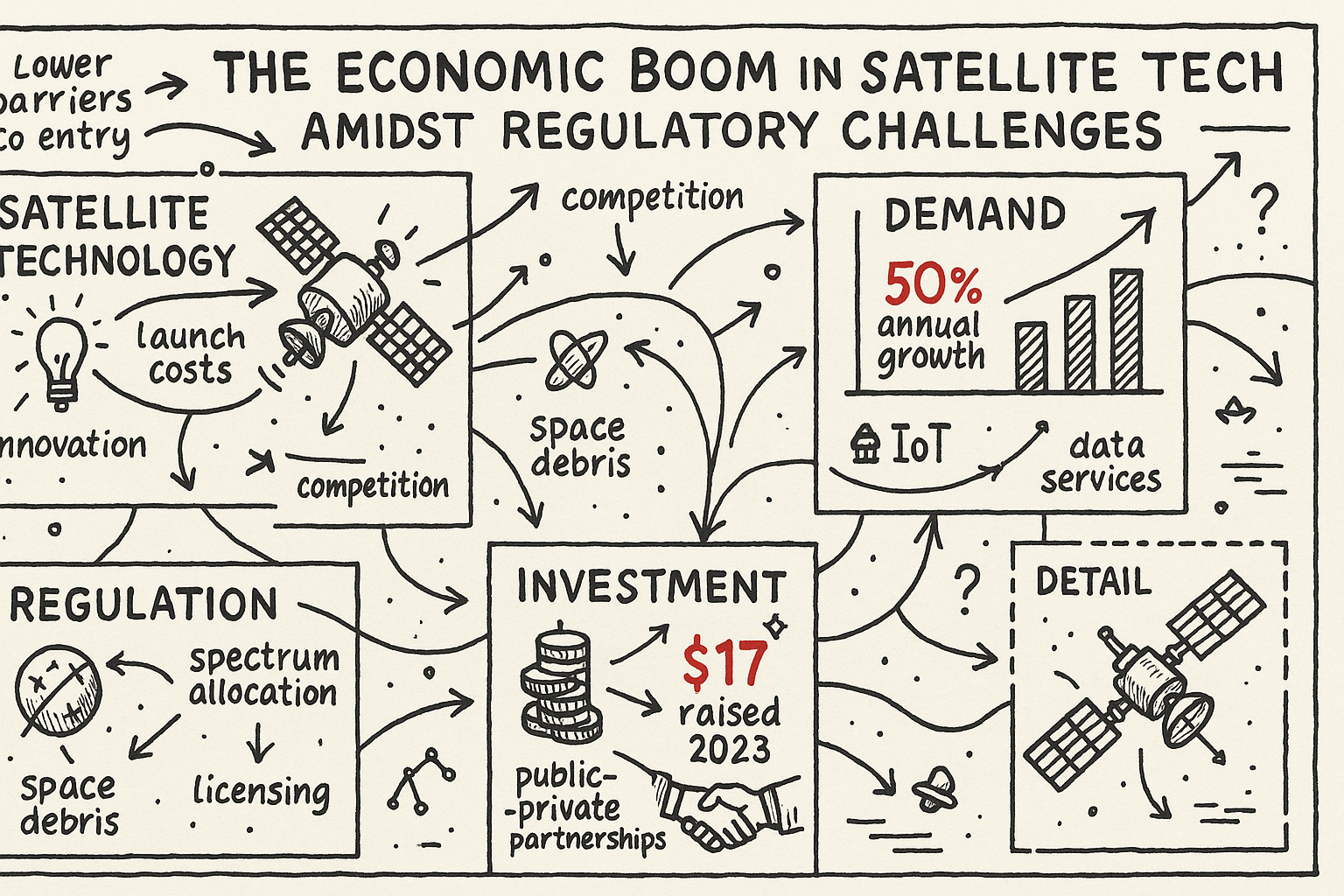
Strategic partnerships are another cornerstone of the evolving space economy. Eartheye Space's alliance with risk-management firm IN2 exemplifies the integration of satellite analytics with risk assessment, offering new capabilities in data-driven decision-making. Such collaborations extend the value chain of space technologies, opening new markets and applications for satellite data.
Robotics and On-Orbit Labor
Meanwhile, advancements in robotics are poised to revolutionize on-orbit labor. As discussed by Icarus Robotics CEO Ethan Barajas, the future of space work will increasingly rely on robotic systems, minimizing the need for human presence and reducing the risks associated with space missions. This shift not only enhances efficiency but also expands the potential for more complex and prolonged missions.
Surprising Insights and Future Implications
One counterintuitive insight from these developments is the role of government policy in accelerating commercial space activities, traditionally a domain driven by private innovation. The active involvement of the White House in setting launch targets emphasizes a symbiotic relationship between policy and commerce, where strategic directives create fertile ground for private sector growth.
As we look to the future, the integration of these elements—policy, propulsion, rideshare programs, partnerships, and robotics—paints a promising picture for the space economy. The stage is set for unprecedented growth, driven by technological advancements and strategic foresight. Stakeholders across the spectrum, from startups to established aerospace giants, have a unique opportunity to capitalize on this momentum, shaping the next frontier of economic expansion beyond Earth.