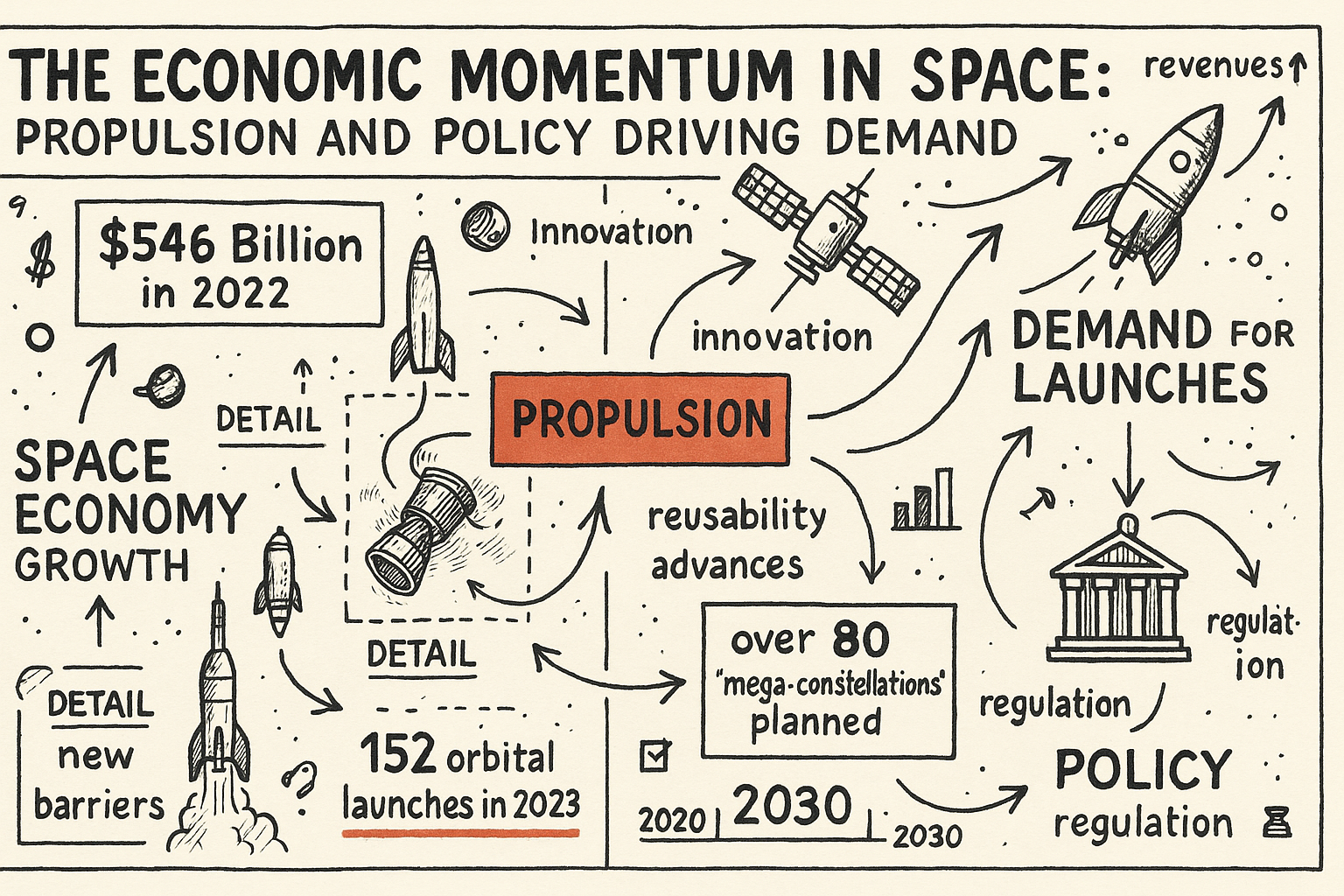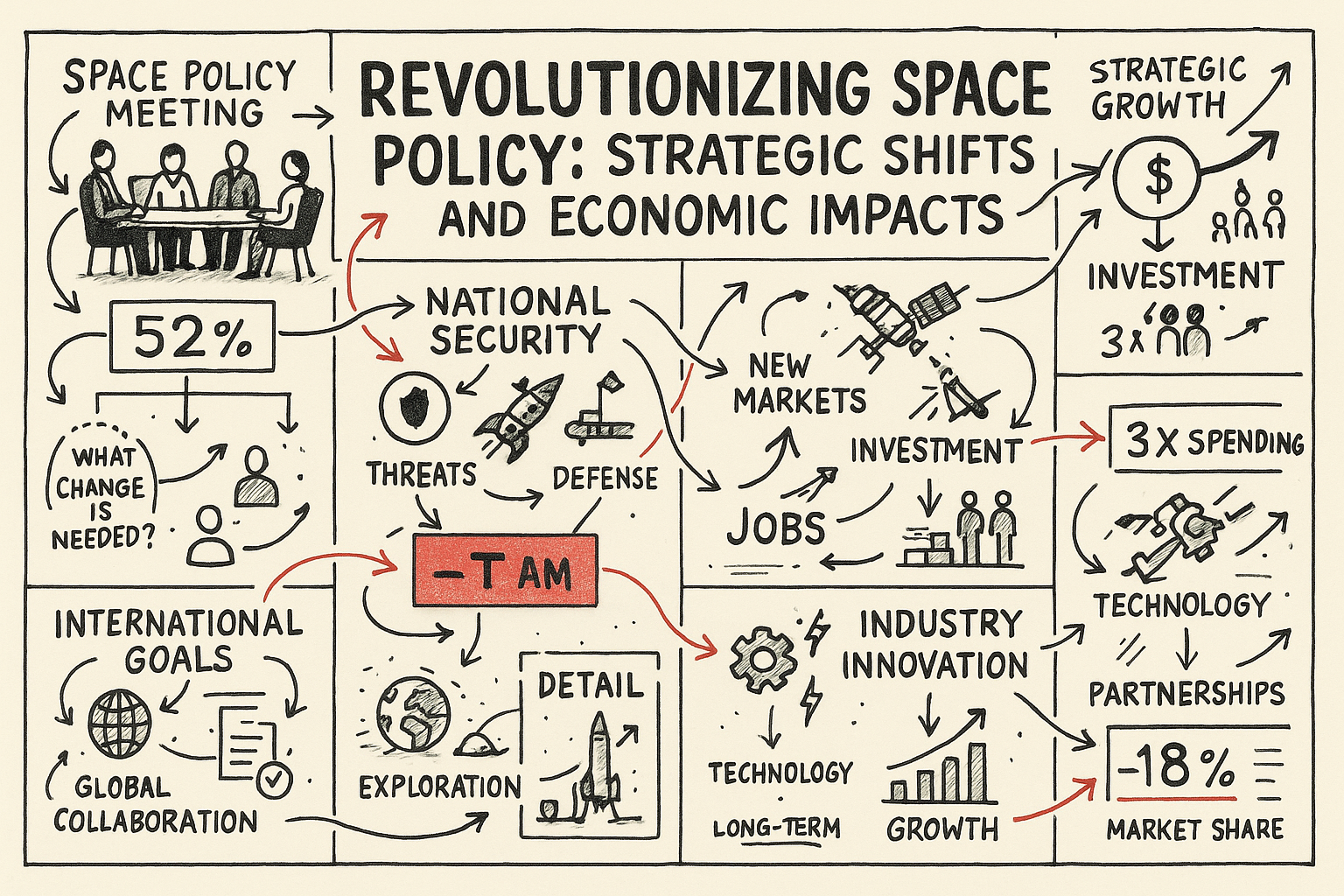
The recent flurry of strategic appointments and legislative activities in the U.S. space sector underscores a transformative phase in space policy with significant economic ramifications. As the Senate confirms key leaders for military space acquisition and intelligence, and as the FCC undertakes a regulatory overhaul, the stage is set for a competitive and economically dynamic era in space exploration and utilization.
Strategic Leadership Aligns with Economic Goals
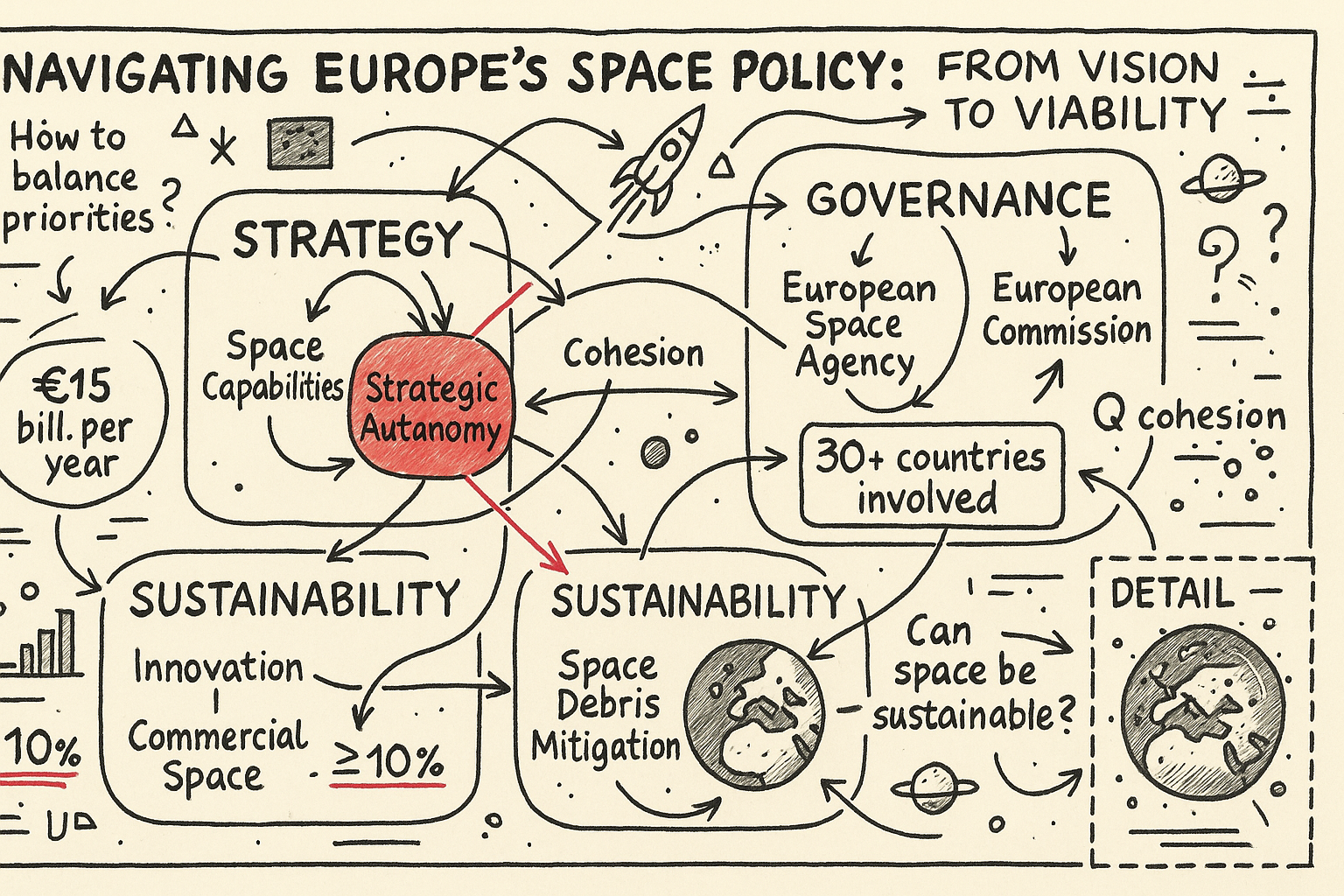
Erich Hernandez-Baquero and Roger Mason's appointments signal more than just a change in leadership; they represent a concerted effort to realign military and intelligence capabilities with broader economic strategies. This alignment is crucial as global competition, particularly with China, intensifies. The bipartisan Senate bill aimed at sharpening Space Force training reflects a broader strategy to enhance U.S. preparedness and resilience in space, which in turn supports economic stability by safeguarding critical infrastructure and commercial interests.
Commercial Partnerships and Economic Growth
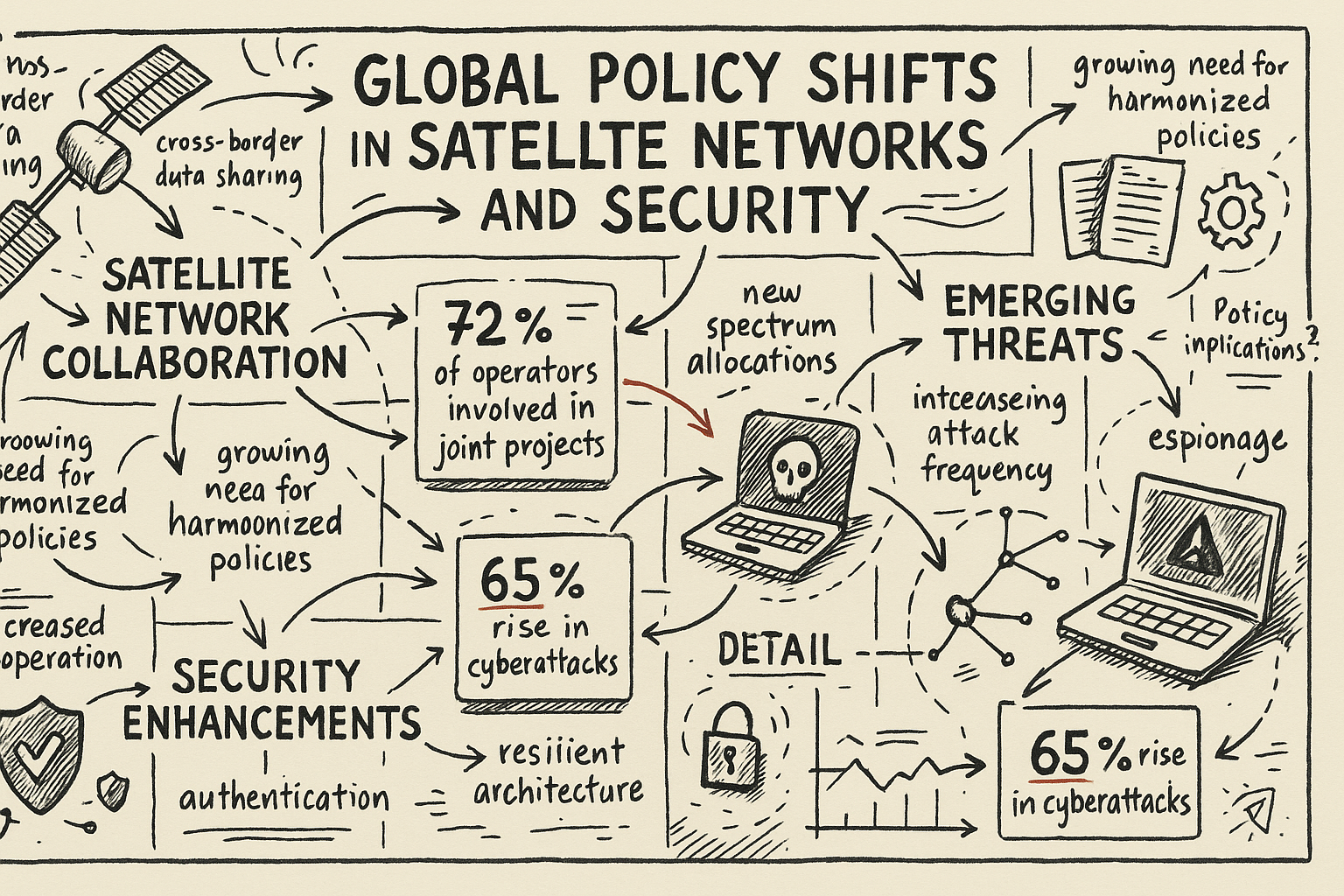
The National Reconnaissance Office's awarding of synthetic aperture radar (SAR) contracts to Capella Space, Iceye U.S., and Umbra is a testament to the increasing reliance on commercial entities for capabilities traditionally dominated by government agencies. This shift not only fosters innovation but also drives economic growth by opening lucrative opportunities for private companies. It highlights the evolving landscape where commercial partnerships are pivotal to national security and economic vitality.
Regulatory Overhauls and Economic Implications
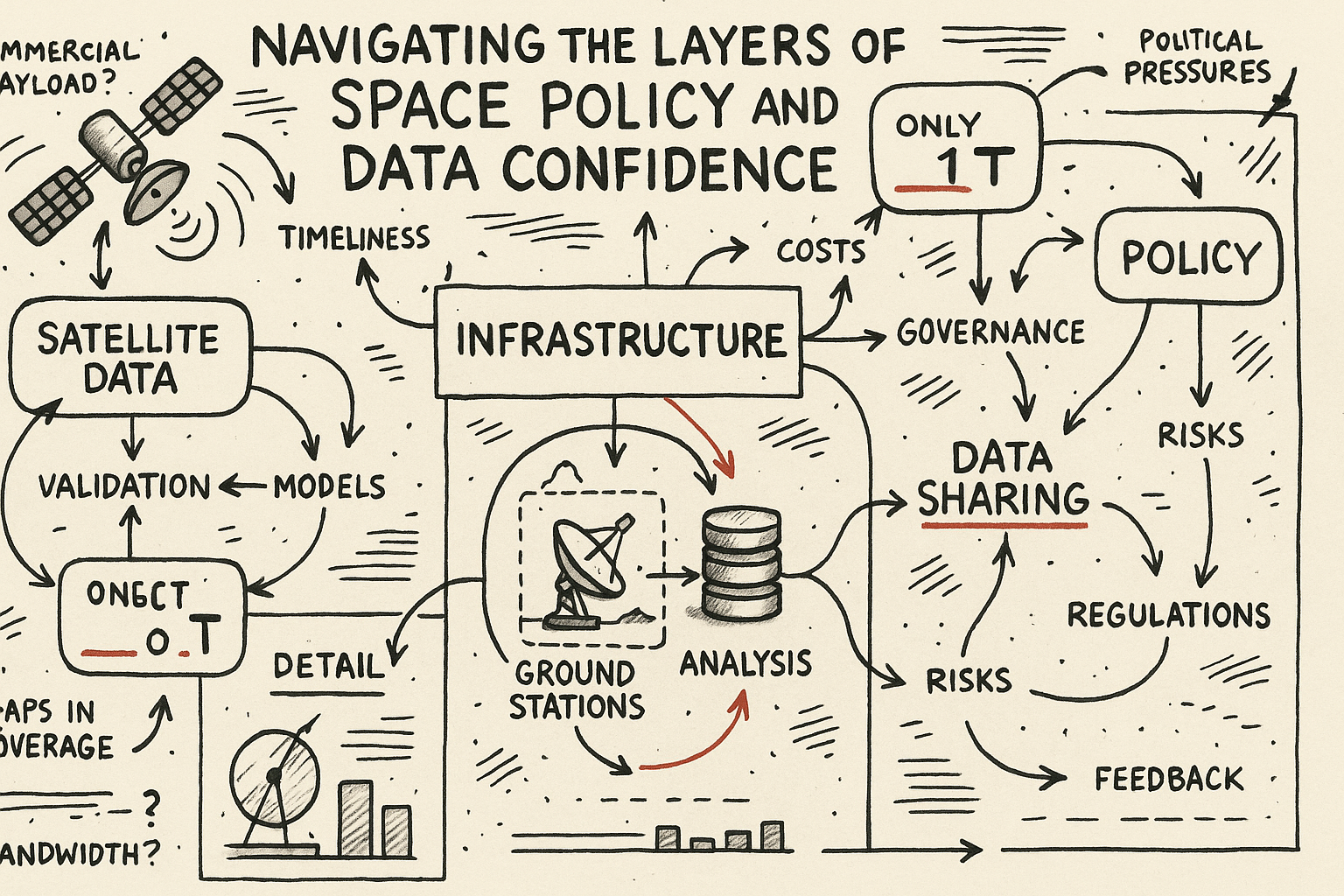
As the FCC's Space Bureau undergoes a licensing overhaul, led by Jennifer Gilsenan, the regulatory environment is poised for significant changes. This overhaul is expected to streamline processes, reduce bureaucratic hurdles, and encourage investment in satellite technologies. A more efficient regulatory framework can lower entry barriers for emerging companies, sparking innovation and competition that could lead to substantial economic benefits.
Historical Context and Future Prospects
Historically, space policy has been closely linked to national security interests. However, the current trajectory shows a more integrated approach that also emphasizes economic growth. This dual focus is critical as the boundaries between commercial and military uses of space continue to blur. As Jim Bridenstine transitions to Quantum Space, emphasizing low Earth orbit proliferation, it becomes clear that the private sector's role in space is not just complementary but essential to achieving strategic objectives.
Looking forward, the implications of these developments are profound. Enhanced space capabilities could lead to new economic sectors, much like the internet did in previous decades. The U.S., by optimizing its regulatory and strategic frameworks, stands to lead this new economic frontier. Yet, this will require continuous innovation, adaptability, and collaboration between government and private enterprises.
Conclusion
The U.S. is at a pivotal moment in space policy, where strategic leadership and regulatory reforms could redefine its economic landscape. The interplay between national security and economic strategy will be crucial in navigating this complex environment. As the nation builds on its historical foundations, the path forward offers both challenges and opportunities, with the potential to shape the global space economy for decades to come.