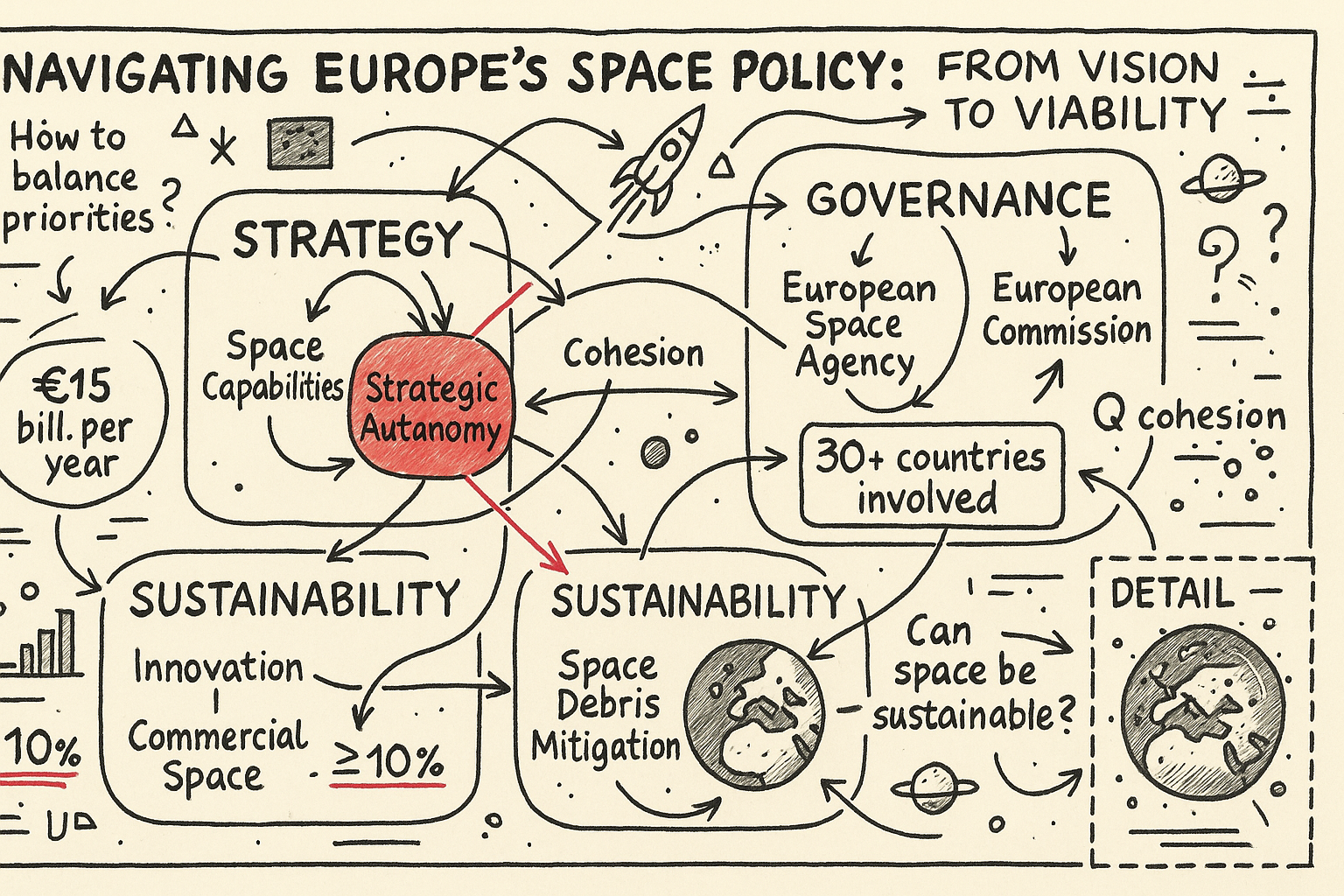
Europe's burgeoning space sector stands at a crucial juncture. With significant investments already made in technology development, the challenge now is converting these capabilities into sustainable commercial enterprises. As highlighted in Niels Buus' article on SpaceWatchGL, the European Space Agency (ESA) has mastered the art of funding innovation, yet has struggled to bridge the gap to viable market solutions. This gap underscores the need for Europe to adopt a more customer-focused approach, particularly in its procurement policies.
From Regulation to Procurement
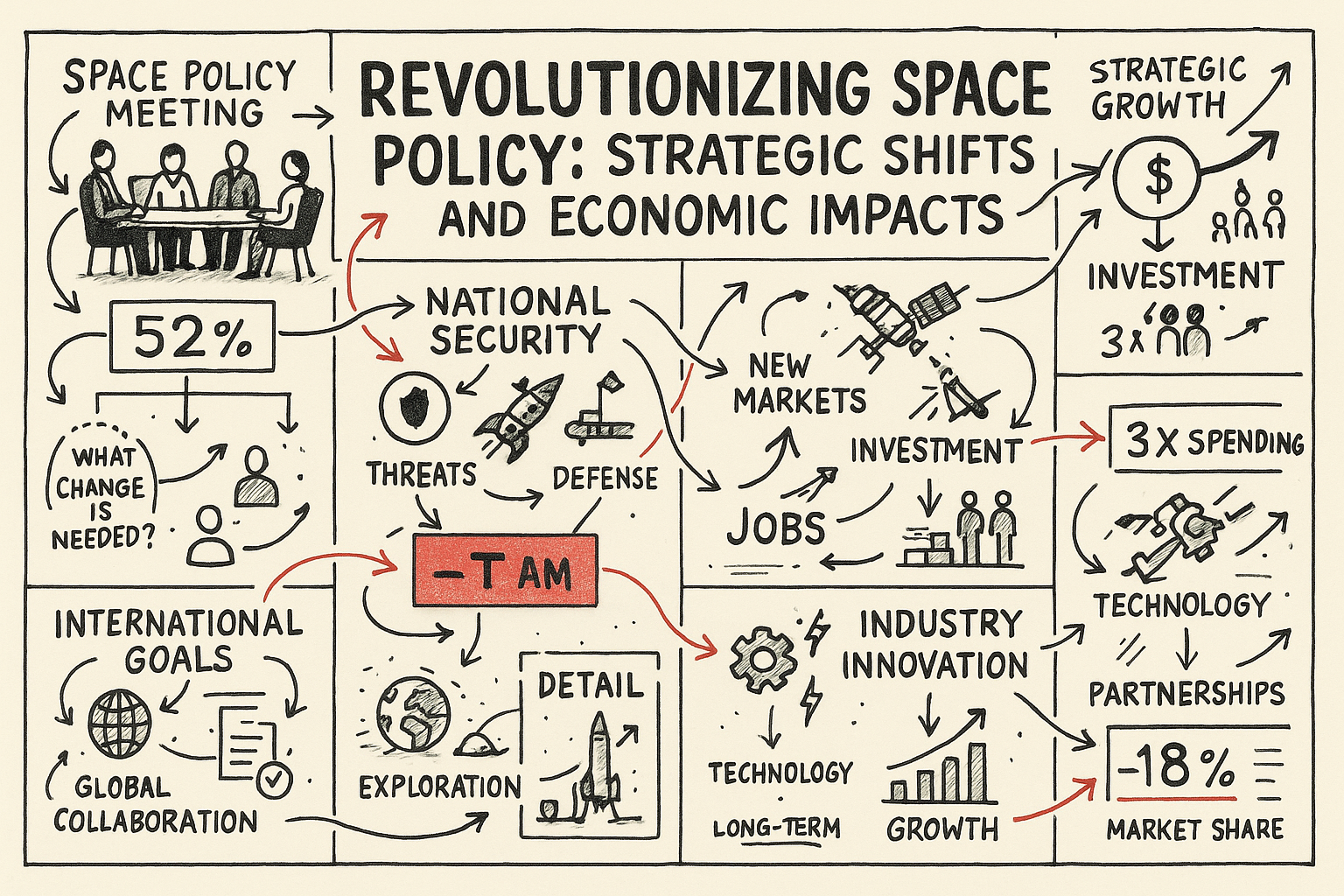
The historical context of Europe's space policy reveals a heavy reliance on regulation as a tool for sector growth. However, the Franco-German NewSpace initiative's recent appeal to the European Commission marks a pivotal shift. Their message is clear: for Europe to compete globally, it must transition from a regulatory focus to acting as an anchor customer in its upcoming Multiannual Financial Framework (MFF). This strategy would not only stabilize domestic markets but also enhance Europe's competitiveness on the global stage.
Procurement as a policy tool is not new but often underutilized in the space sector. By acting as a reliable customer, the European Commission can stimulate private sector growth, encourage innovation, and ensure that European companies remain at the forefront of global space exploration. This approach has precedent in other sectors, where government procurement has been used effectively to drive technological advancement and market development.
The Moon Base Paradigm
Rania Toukebri's insights on the challenges of establishing a permanent lunar base offer a microcosm of the broader issues facing the sector. Beyond building infrastructure, the real test lies in maintaining operations amid inevitable failures and stretched supply chains. This scenario parallels the terrestrial challenges of sustaining complex space enterprises, where procurement and reliable supply chains are critical.
As Europe looks to establish itself as a leader in lunar exploration, it must learn from past experiences and anticipate these challenges. Robust procurement policies can ensure that necessary supplies and technologies are readily available, reducing the risk of operational disruptions. Moreover, fostering a culture that embraces failure as a learning tool, rather than a setback, will be essential for success both on the Moon and in European markets.
The Integration Imperative
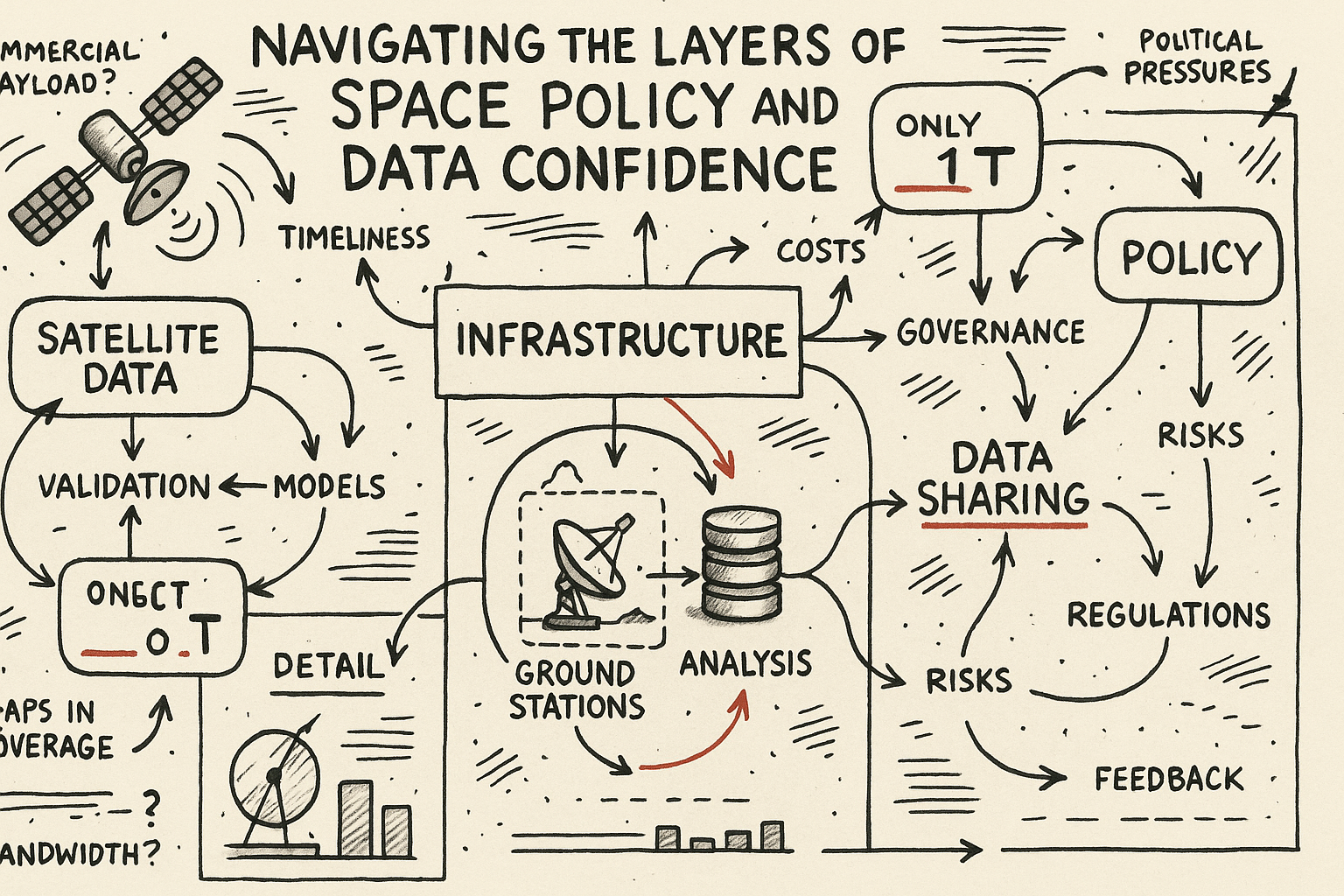
The struggles of the US Space Force to integrate commercial space data, as reported by Breaking Defense, highlight another critical area for European policy makers. Effective integration of commercial data is vital for informed decision-making and operational success. As Europe's space sector grows, similar integration challenges will arise, necessitating a coordinated effort between policy makers, technology developers, and commercial operators.
This integration is not merely a technical challenge but also a policy one. Europe must develop frameworks that encourage collaboration and data sharing across sectors, ensuring that commercial insights are seamlessly integrated into strategic planning and operations.
Future Directions and Implications
The UK's support for ESA's ARTES Invitations to Tender program, providing up to 100% funding for technology development, exemplifies a proactive approach to fostering innovation. Such initiatives are crucial for ensuring that Europe remains at the cutting edge of space technology. However, to fully realize the benefits of such programs, a comprehensive strategy that includes procurement, integration, and operational resilience is needed.
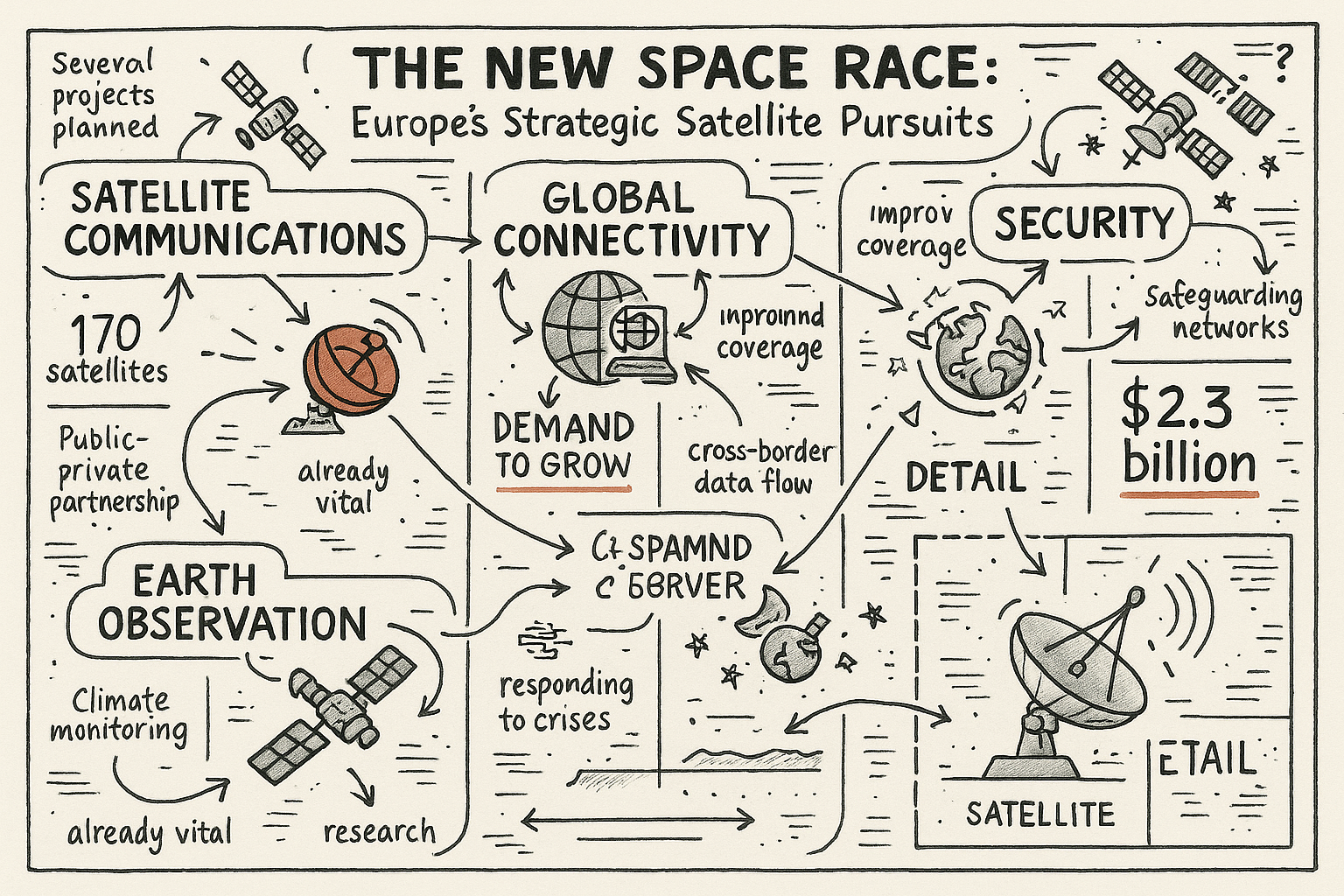
Moving forward, Europe's space policy must evolve to support a dynamic, customer-driven market. By leveraging government procurement as a tool for market development, integrating commercial data effectively, and preparing for operational challenges, Europe can position itself as a leader in the global space arena. This strategic shift will not only enhance Europe's competitive edge but also ensure the long-term sustainability of its space endeavors.