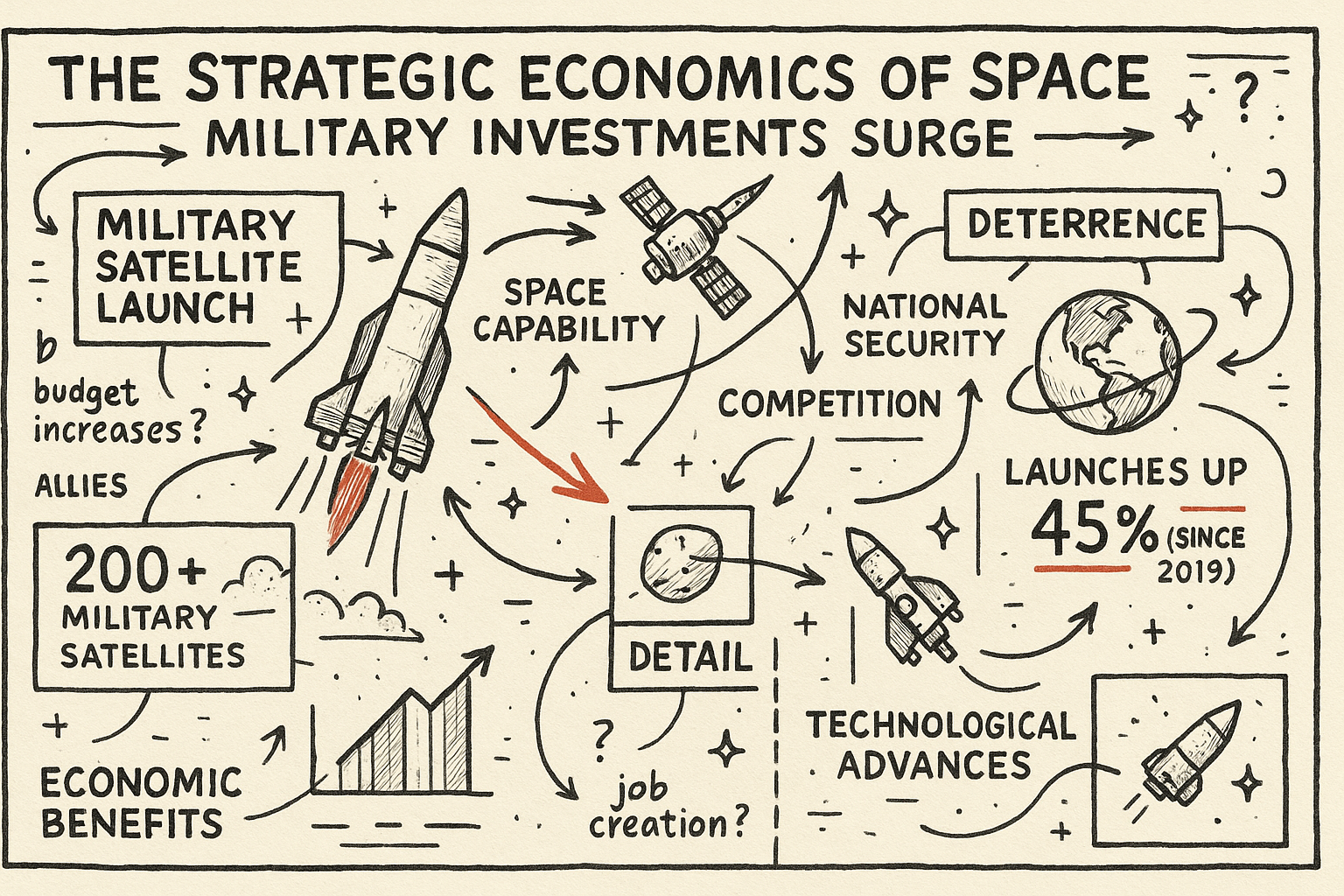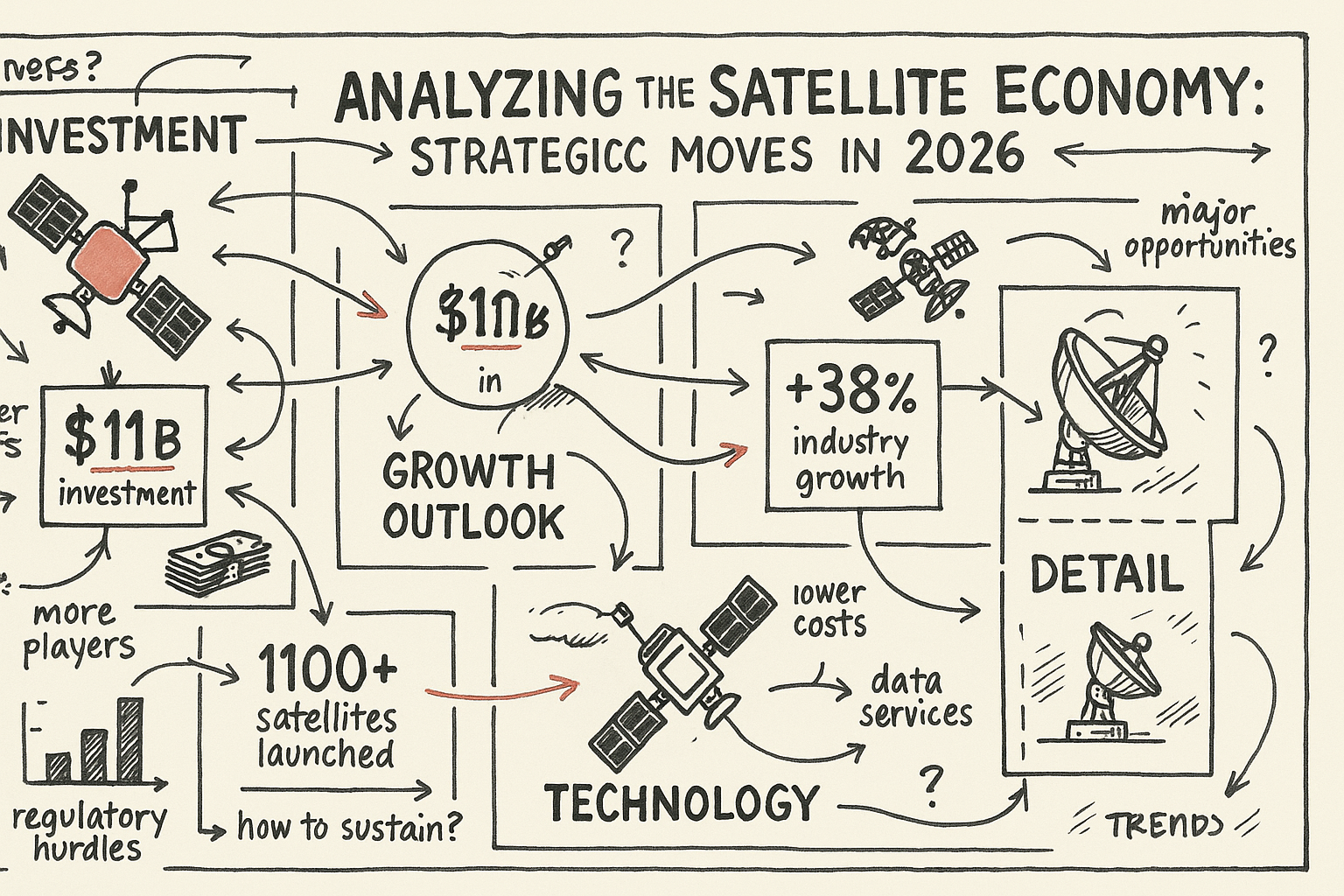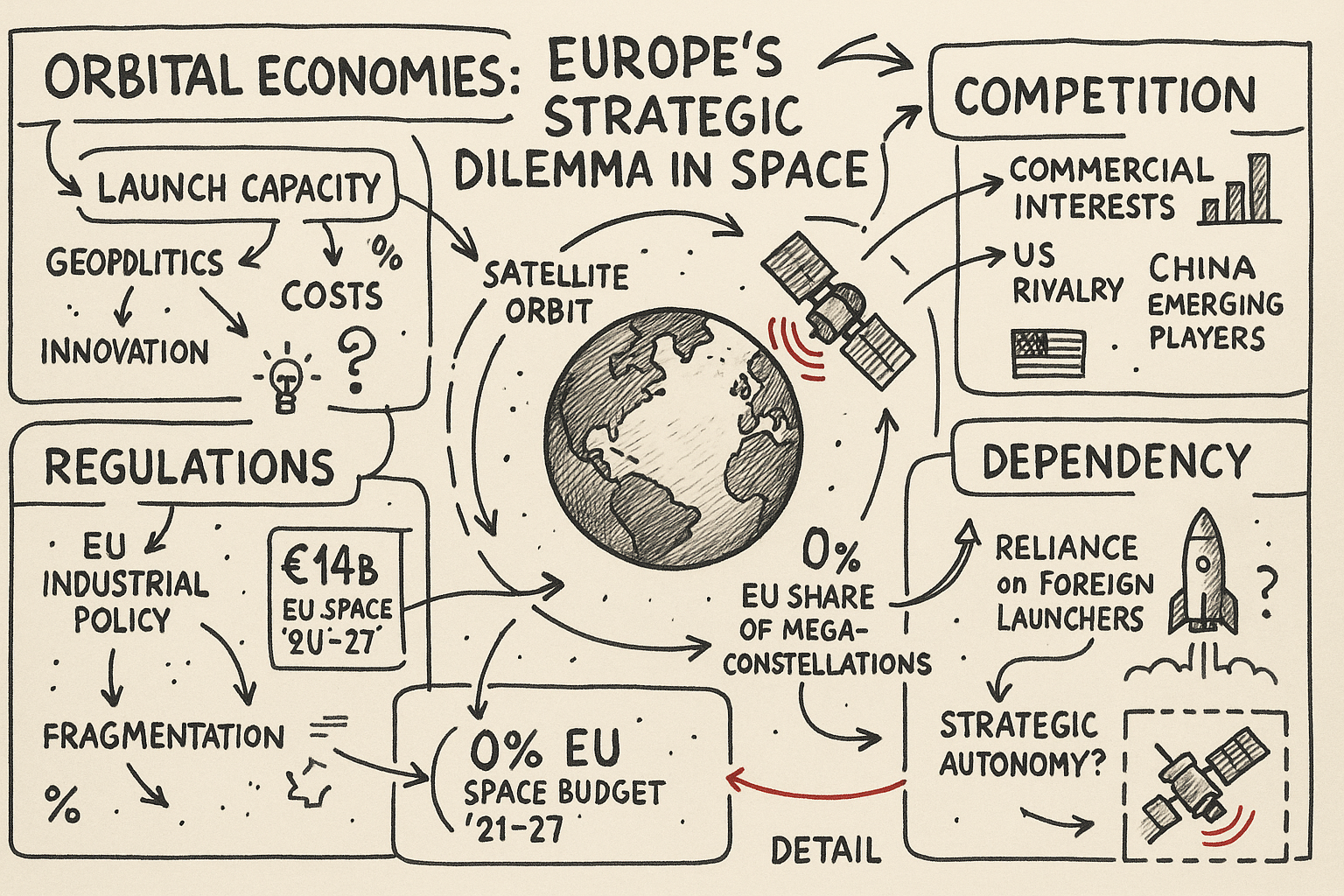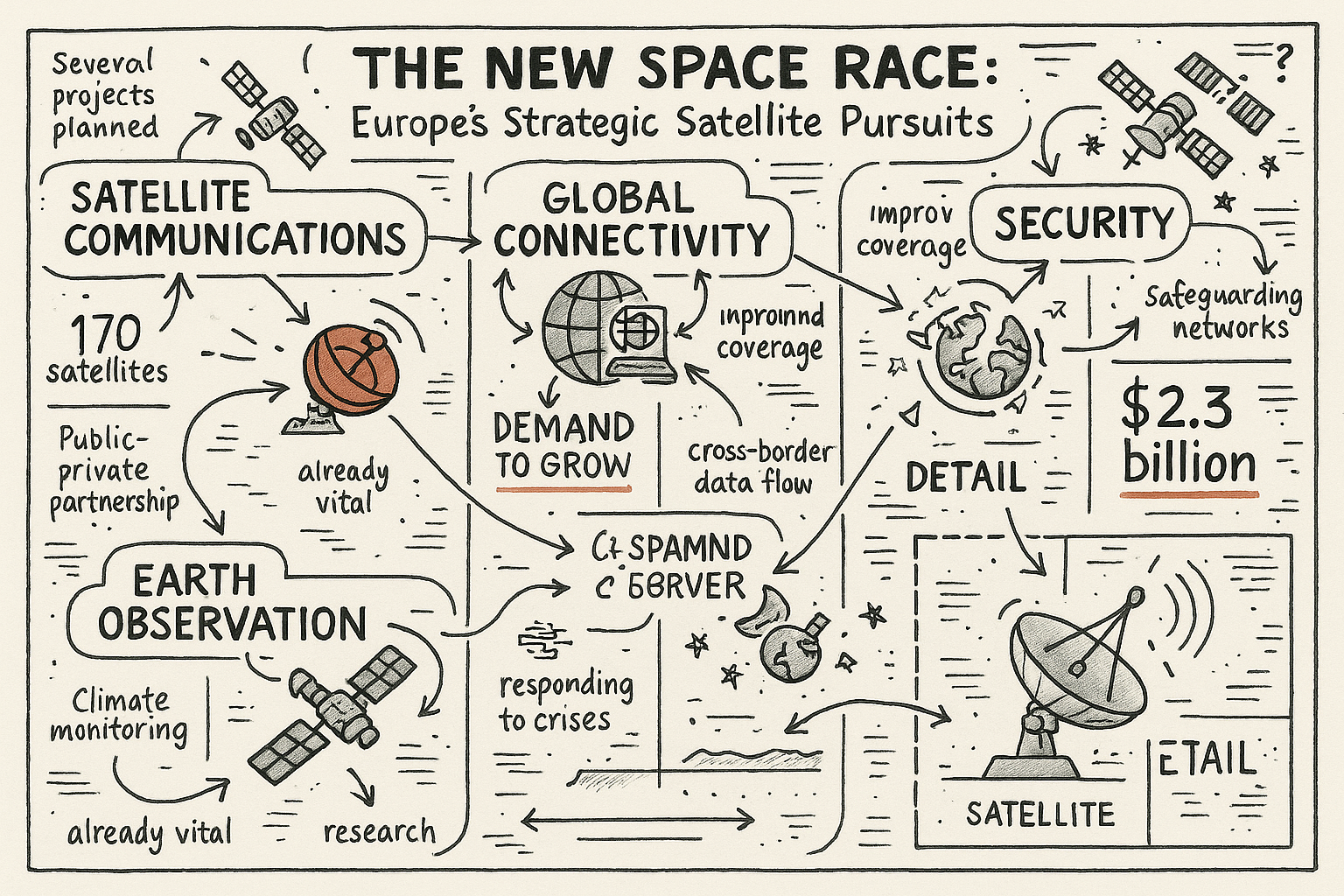
In recent months, Europe's strategic maneuvers in military satellite communications have drawn significant attention. This comes in the wake of Spain's commitment to invest up to $2.3 billion in developing its national military satellite communications through the IRIS² program, a substantial financial vow that underscores the growing importance of secure and autonomous space communications in the region.
A key development in this landscape is the collaboration between Airbus and Thales Alenia Space, tasked with building the SpainSat NG-III secure satellite communications satellite. This project, commissioned by Hisdesat, marks a pivotal step for Spain in enhancing its military communication capabilities. As global tensions and cybersecurity threats escalate, nations are increasingly prioritizing secure and independent communication infrastructures.
The investment in SpainSat NG-III is complemented by broader European initiatives, such as the Memorandum of Understanding (MoU) between Eutelsat and Poland, aimed at bolstering Europe's IRIS² program. This program is envisioned as Europe’s flagship endeavor to create a robust and secure satellite communications network, reflecting a collective effort to ensure regional security and technological sovereignty.
Historically, military satellite communications have been dominated by major powers like the United States and Russia. However, the current geopolitical climate and technological advancements have prompted European countries to enhance their capabilities, reducing dependency on external entities. This shift towards self-reliance is not just a strategic necessity but a reflection of Europe's ambition to be a formidable player in the global space arena.
Meanwhile, the certification of Hispasat’s Arganda del Rey (Madrid) Teleport by the World Teleport Association (WTA) is another milestone that highlights Spain’s growing prowess in satellite communications. Achieving Tier 4 Full certification underscores the teleport's advanced capabilities, crucial for supporting both commercial and military satellite operations.
Interestingly, while Spain is making substantial investments in military communications, other European nations are also enhancing their infrastructure. For instance, the European Space Agency (ESA) has engaged Aalyria to develop a deep-space network hub. This initiative will enable spacecraft to efficiently share data across the solar system, showcasing Europe's ambition to extend its reach beyond terrestrial confines.
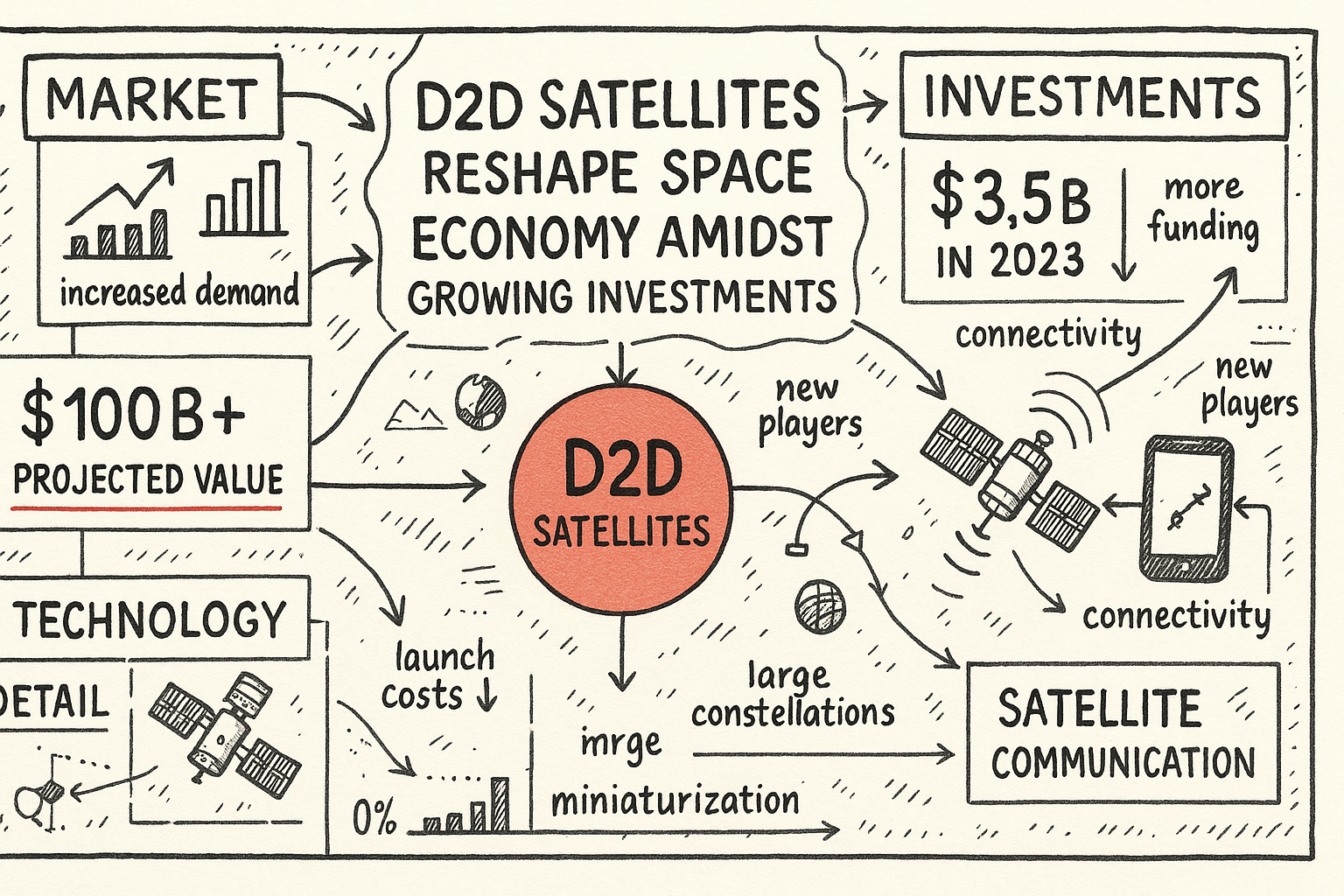
On the commercial front, SES’s deal to connect over 60 aircraft for LATAM Airlines with multi-orbit in-flight connectivity (IFC) exemplifies the dual-use nature of satellite technology. Such commercial ventures not only drive technological innovation but also lay the groundwork for more robust and versatile communication networks that can be leveraged for military purposes.
The intersection of commercial and military satellite communications is where future opportunities and challenges lie. As European nations continue to invest heavily in these domains, the line between civilian and defense applications becomes increasingly blurred, fostering an environment ripe for innovation and geopolitical influence.
Future Implications
The burgeoning investments in satellite communications suggest a future where Europe might not only be self-sufficient but also a leader in global space security. This strategic autonomy could redefine alliances and partnerships, particularly with transatlantic allies.
Moreover, as Europe fortifies its satellite infrastructure, it could drive a wave of technological advancements that ripple through various sectors, from cybersecurity to space exploration. The focus on secure communications will undoubtedly spur innovations that enhance resilience against cyber threats, a necessity in an increasingly interconnected global landscape.
In conclusion, Europe's current trajectory in military satellite communications reflects a broader strategic vision that extends beyond national interests. It is an assertion of technological and geopolitical maturity, positioning Europe as a key player in the new space race.