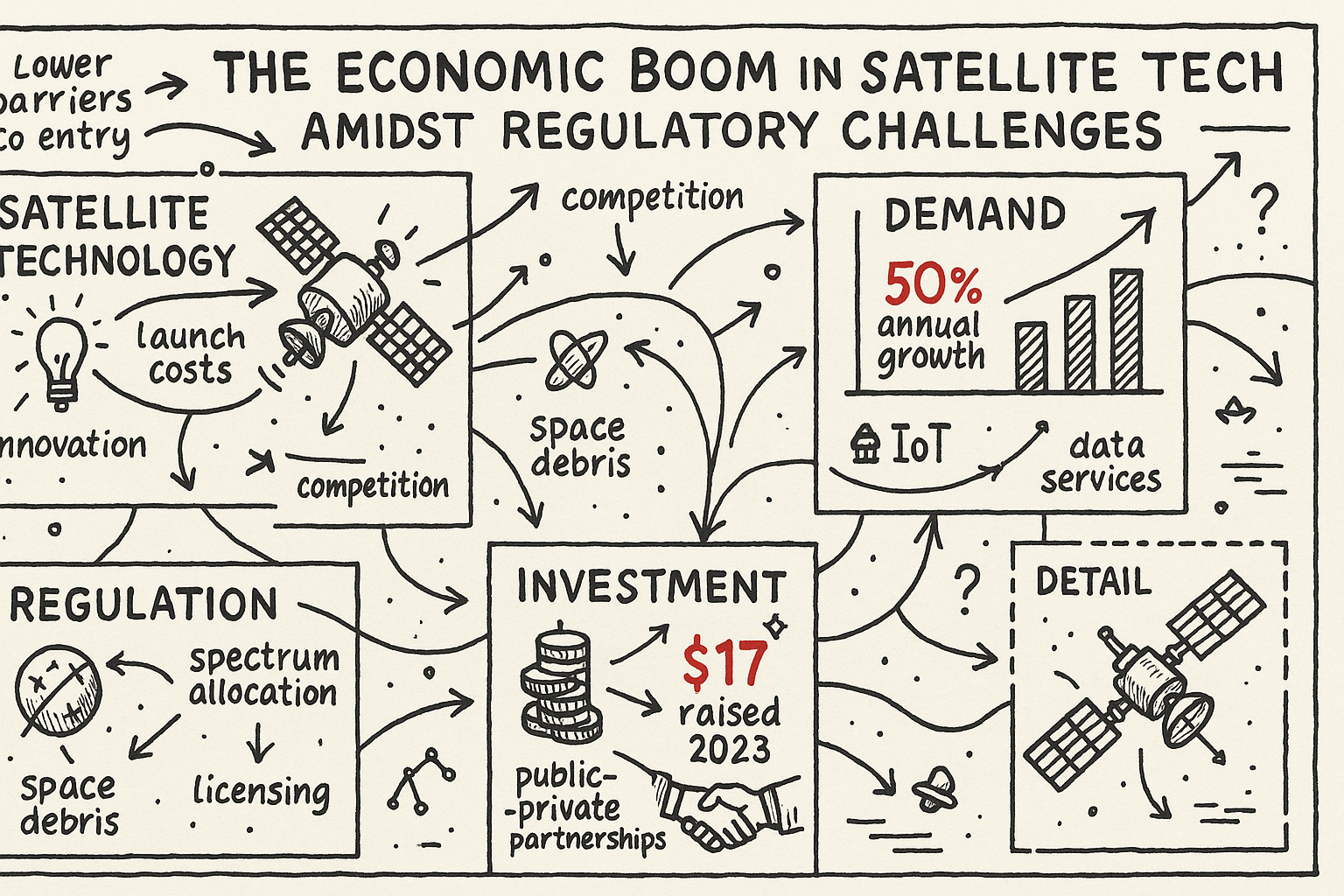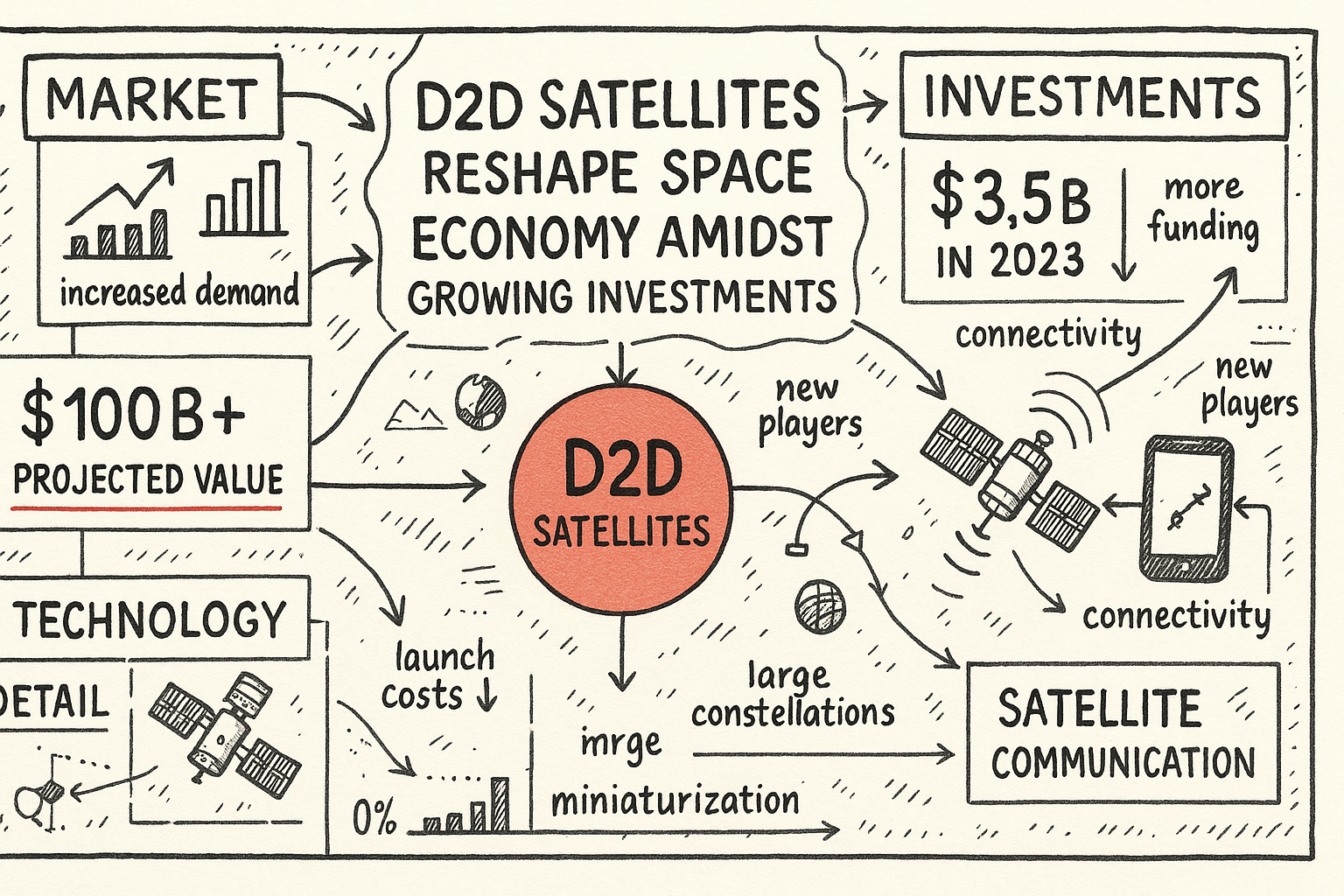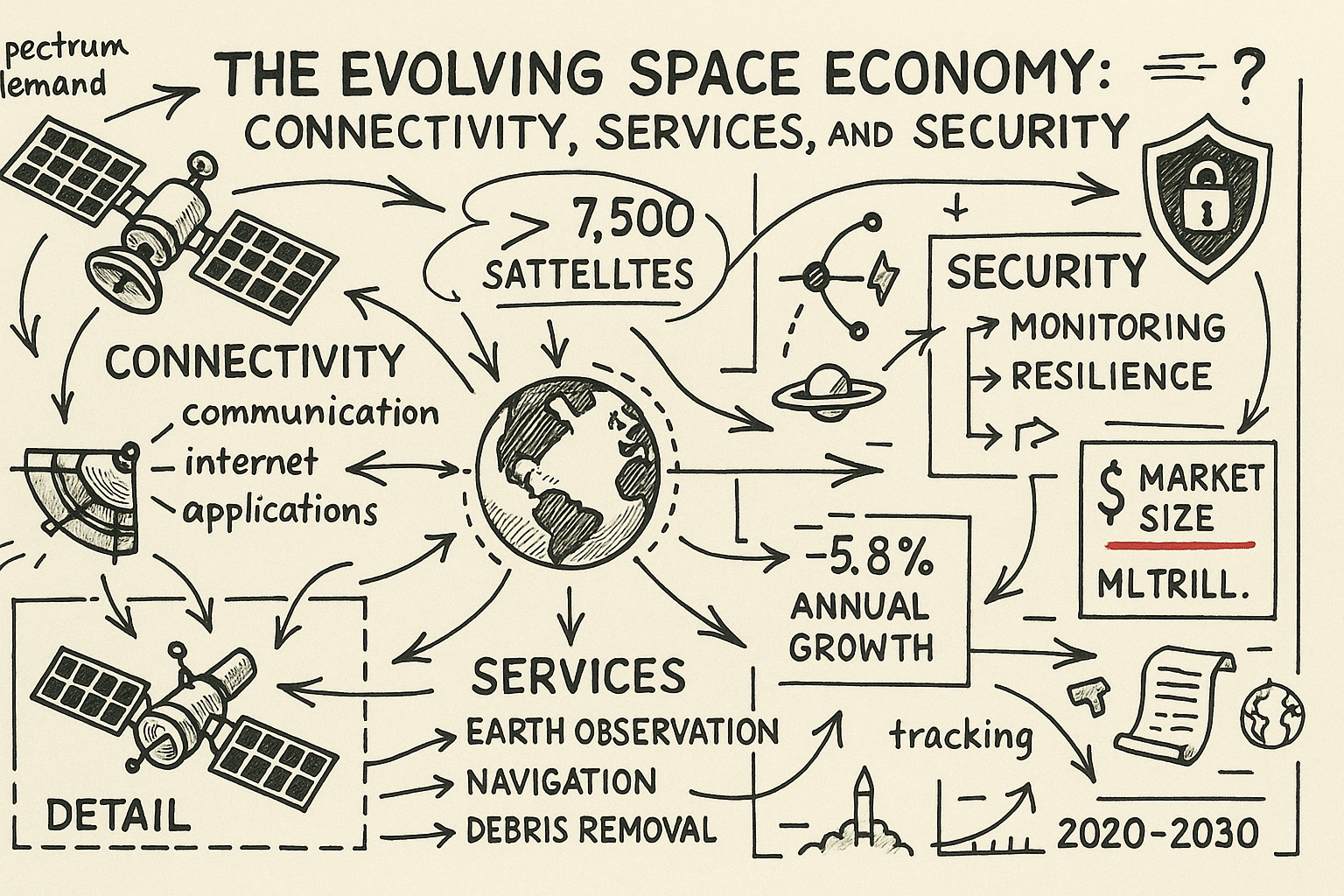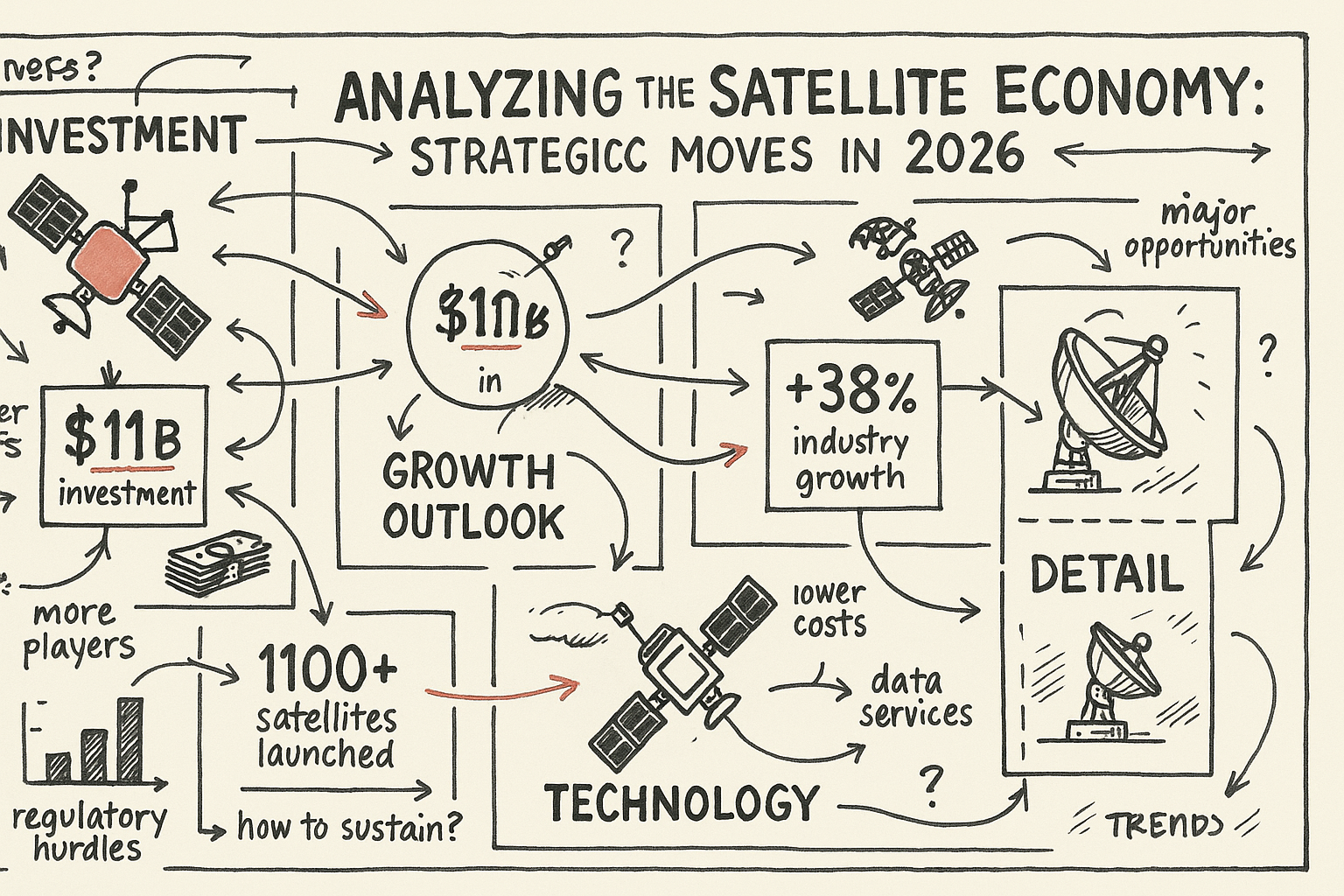
The satellite industry is witnessing a transformative phase as strategic investments and technological advancements converge to reshape the global economic landscape. Recent developments have underscored the sector's dynamic nature, characterized by ambitious ventures and bold financial commitments.
One of the most significant moves comes from Viasat and Space42, which have pledged up to $1 billion to establish Equatys, a joint venture aimed at enhancing direct-to-device (D2D) connectivity and advanced mobile satellite services. This collaboration highlights the growing demand for seamless global connectivity and reflects a broader trend of integrating satellite technology with terrestrial networks.
However, the enthusiasm for D2D services is not universally shared. European mobile network operators (MNOs) are divided over the value proposition of satellite D2D, with some executives questioning its potential impact on their offerings. This divergence in opinion illustrates the complexity of aligning satellite innovations with existing telecom infrastructures, a challenge that will require careful navigation in the coming years.
Meanwhile, EnduroSat and CACI's partnership to construct Vantor's Pulse smallsat fleet marks another significant milestone. This initiative represents Vantor's entry into the smallsat imaging market, a sector poised for substantial growth as demand for real-time Earth observation capabilities intensifies. The collaboration is further bolstered by EnduroSat's recent $205 million fundraise, positioning the company to capitalize on opportunities within the burgeoning smallsat landscape.
Iceye's rapid expansion following a $1 billion Series F funding round further underscores the industry's momentum. The Finnish firm's focus on addressing sovereign demand for space capabilities reflects a broader geopolitical shift as nations seek to enhance their satellite infrastructures. This trend is indicative of a growing recognition of satellites as critical assets for national security and economic development.
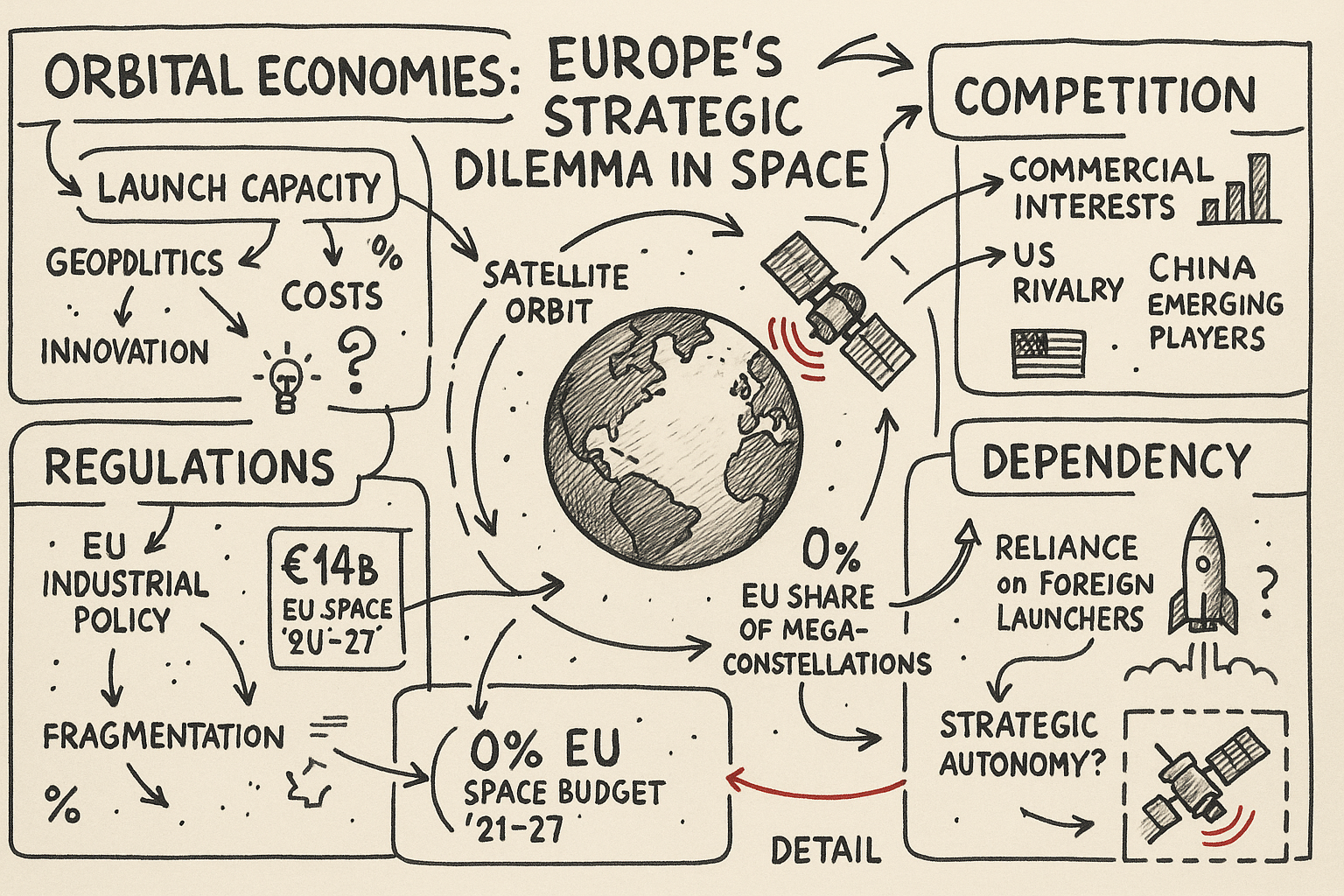
Interestingly, the surge in satellite investments and collaborations also highlights the increasingly competitive landscape of the European space sector. Recent fundraises by companies like Open Cosmos and The Exploration Company, which secured $348.6 million and $450 million respectively, demonstrate a robust appetite for capitalizing on Europe’s technological prowess and strategic location.
As these developments unfold, it is crucial to consider the historical context. The satellite industry has long been a cornerstone of global communications, but its role is rapidly evolving. The integration of satellite and terrestrial technologies is reminiscent of past technological convergences that reshaped industries, such as the fusion of internet and mobile technologies.
Looking ahead, the implications of these strategic moves are profound. The convergence of satellite technology with traditional telecom networks is likely to drive innovation and competition, ultimately benefiting consumers with improved connectivity. However, the path forward is fraught with challenges, including regulatory hurdles and the need for sustainable business models.
In conclusion, the satellite industry stands at a pivotal juncture, with recent investments and strategic partnerships setting the stage for a new era of connectivity and economic opportunities. As companies navigate this complex landscape, the ability to adapt and innovate will be crucial in shaping the future of global communications.