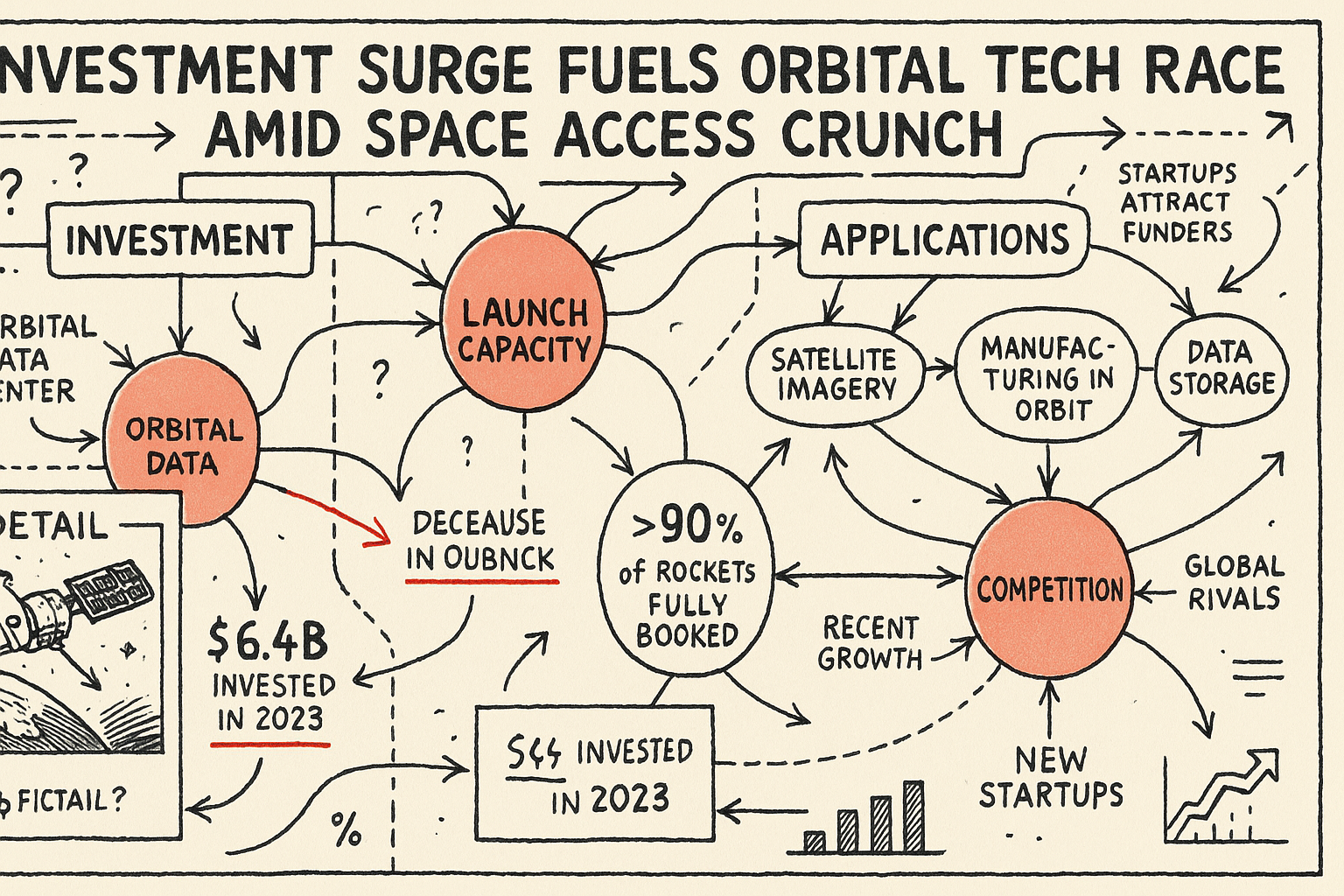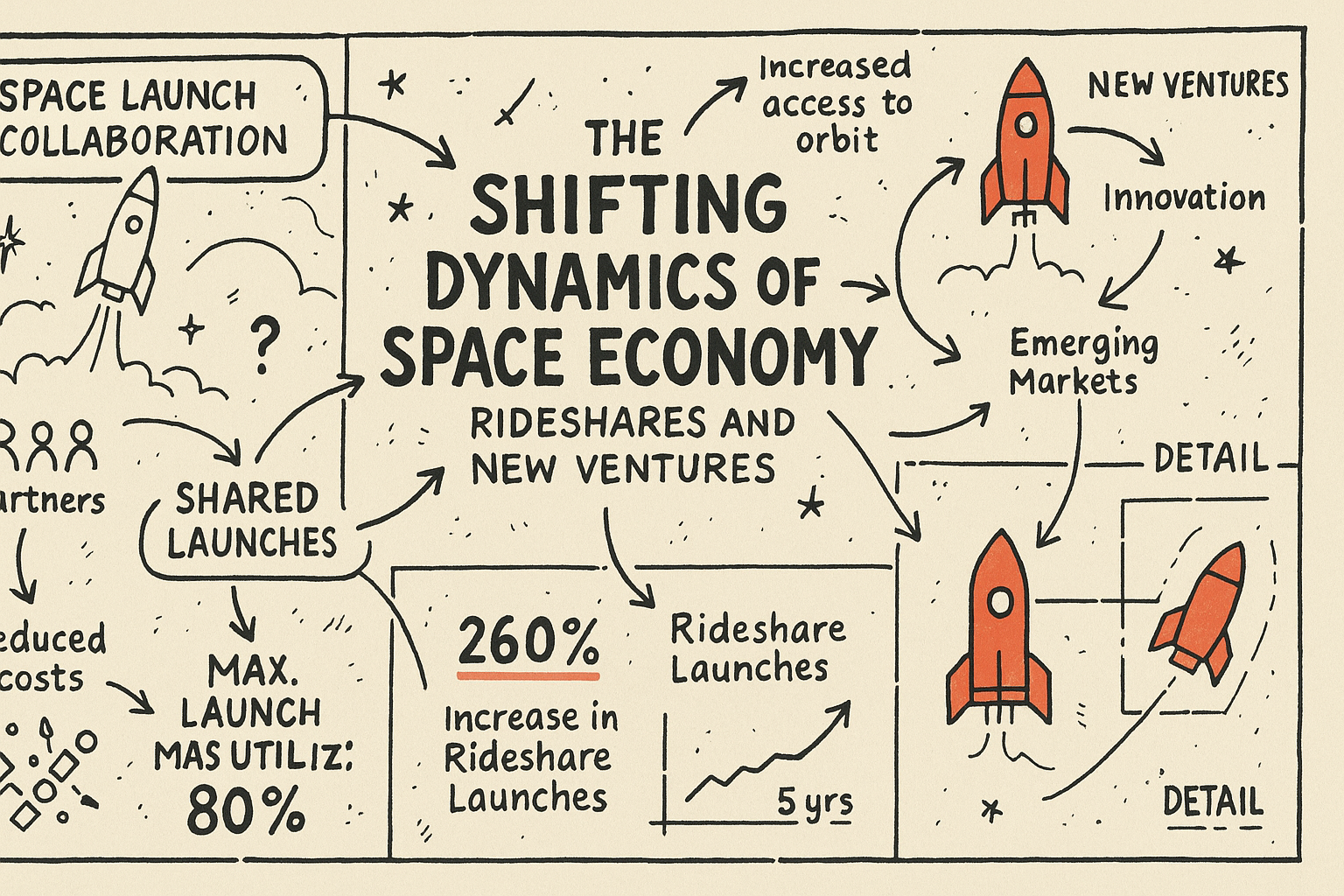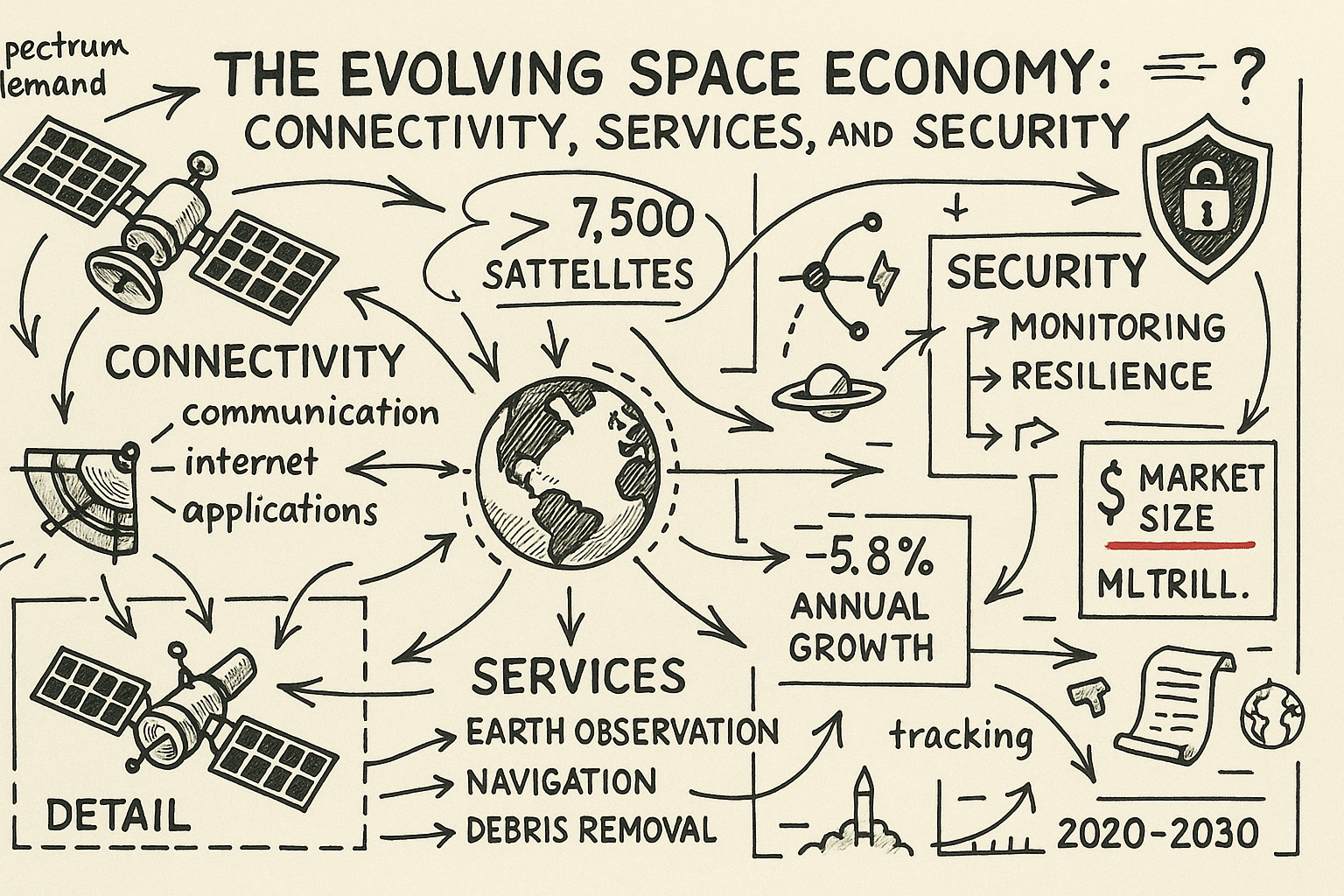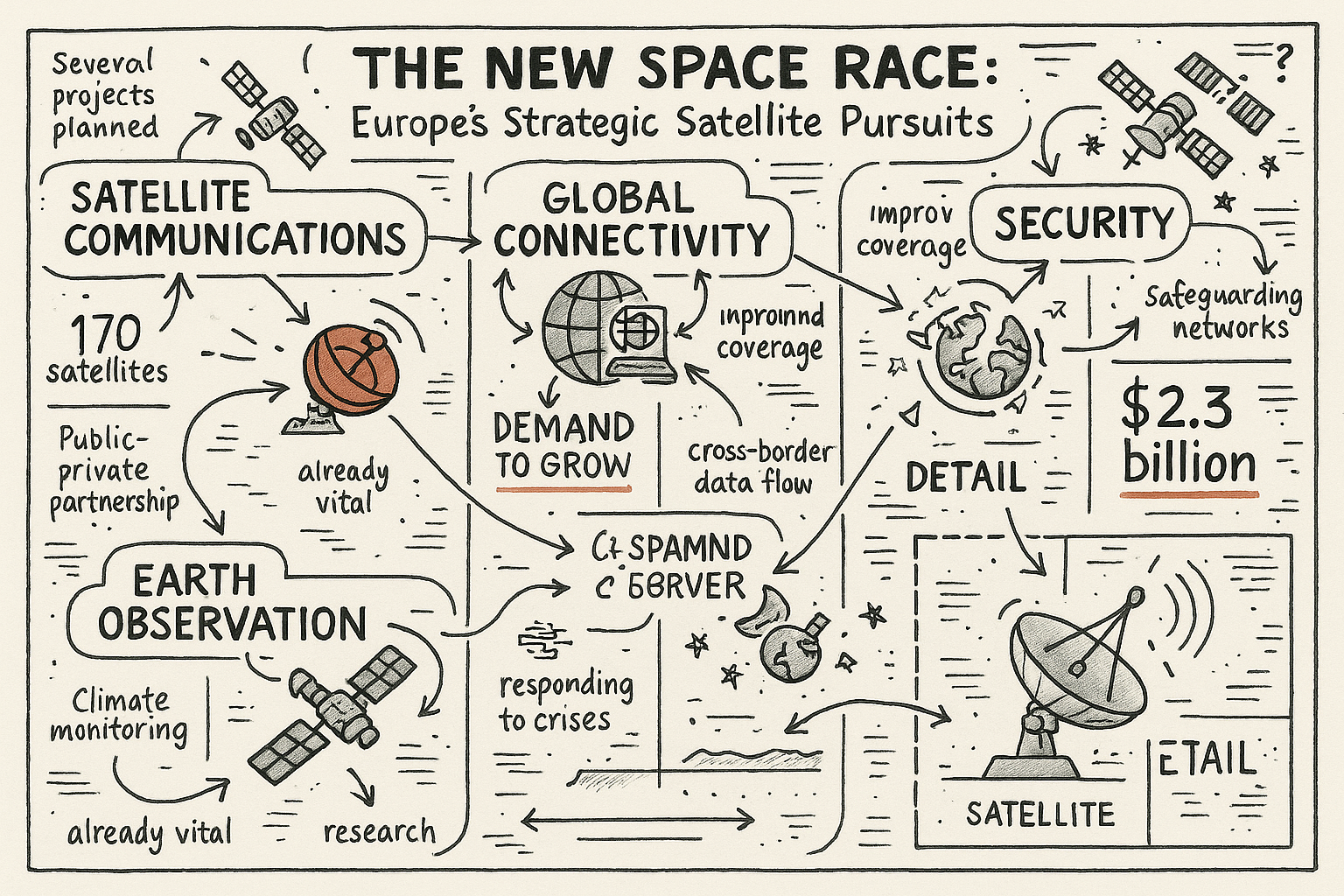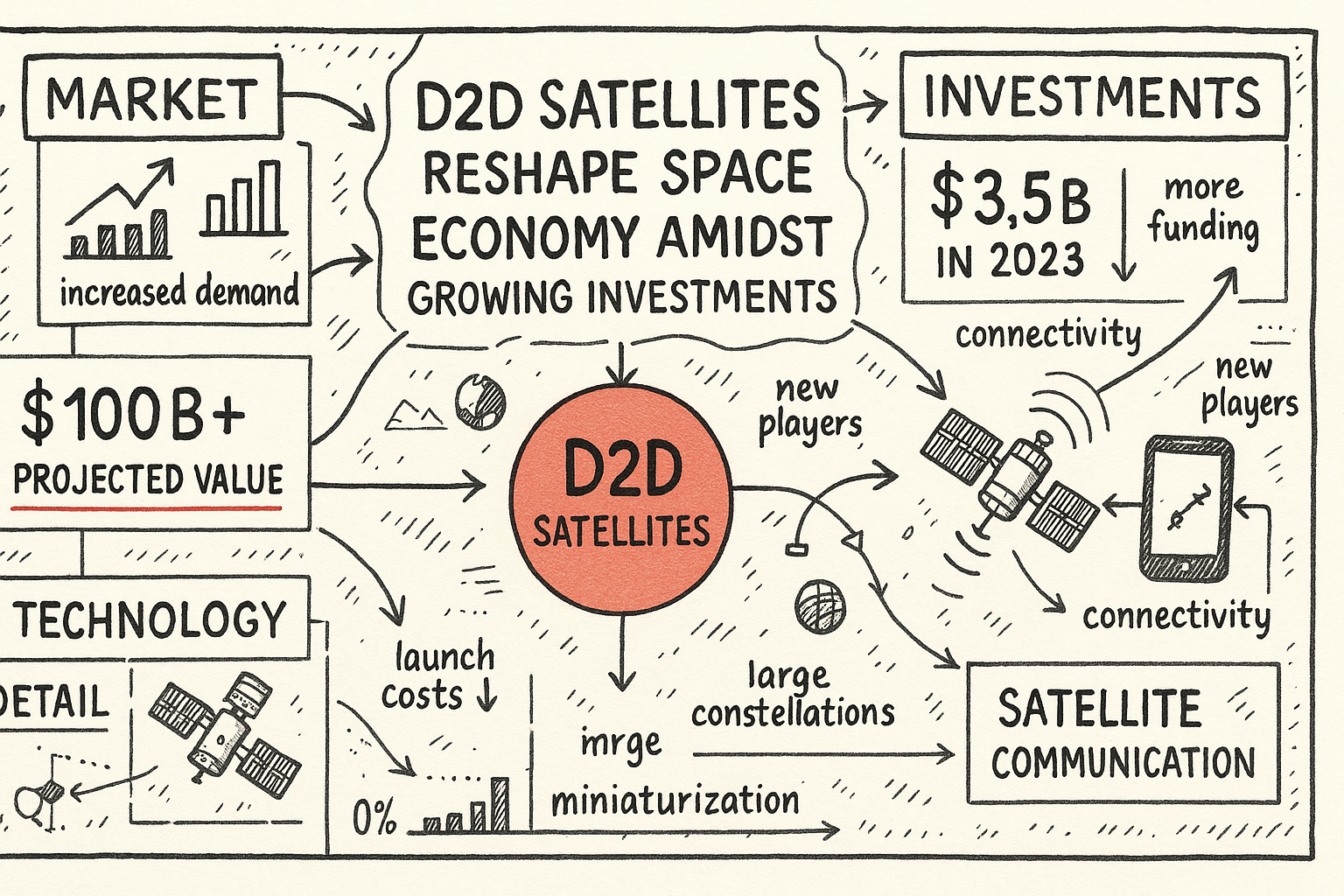
The space industry is undergoing a significant transformation, characterized by a shift from traditional satellite broadcasting to mobile Direct-to-Device (D2D) networks. This evolution is not only changing the dynamics of satellite monetization but also attracting substantial investments from global entities, including Norway's Sovereign Wealth Fund. The fund has recently expanded its stake in AST SpaceMobile and disclosed a $1.22 billion holding in SpaceX, underscoring the growing interest in cutting-edge satellite technologies.
Shifting Investment Trends
Norway's Sovereign Wealth Fund, managed by Norges Bank Investment Management, has increased its equity position in AST SpaceMobile, a leader in D2D communications. This move reflects a strategic pivot towards more lucrative and technologically advanced sectors within the space industry. The fund's significant investment in SpaceX further highlights the confidence in the profitability and innovation of private space ventures.
According to recent satellite market data, operators are reallocating capital towards mobile D2D cellular services and high-margin enterprise verticals, moving away from traditional fixed residential broadcasts. This shift is indicative of a broader trend where flexibility, connectivity, and direct consumer access are prioritized over legacy systems.
Economic Implications
The implications of this shift are profound. As satellite operators focus on D2D networks, the market is seeing an increase in both public and private sector investments. The recent advancements by companies like Viasat, which is advancing its Equatys D2D joint venture, signify a robust pipeline for new satellite constellations designed to cater to direct-to-consumer needs.
Emerging markets are also tapping into this trend. In India, the private consortium Allied Orbits has secured approval to build a ₹1,200 crore commercial satellite constellation, further expanding the global reach of D2D networks. Such initiatives suggest a democratization of space technology, making advanced satellite communications accessible across diverse geographies.
In-Orbit Servicing: The Next Frontier
While D2D networks dominate current investments, the horizon of space commerce is broadening with in-orbit servicing. Novaspace projects a $3 billion cumulative market for in-orbit satellite services over the next decade. This burgeoning sector promises to enhance the longevity and functionality of satellites, offering services like refueling, repair, and upgrades in space. Such capabilities could revolutionize satellite operations, making them more sustainable and cost-effective.
In-orbit servicing also aligns with environmental goals, reducing space debris by extending the lifespan of existing satellites. As this market matures, it could further attract investments from environmentally conscious stakeholders.
Surprising Insights
One counterintuitive insight from these developments is the synergy between traditional telecom operators and space start-ups. AST SpaceMobile's collaboration with Japan's Rakuten to commence direct-to-cellular operations underscores a new era of public-private partnerships. This collaboration not only bridges the gap between terrestrial and space-based communications but also paves the way for seamless global connectivity.
Furthermore, the rapid rise of D2D networks challenges the conventional wisdom that space investments are high-risk and long-term. Instead, these networks offer immediate consumer applications, drawing in investors seeking quicker returns.
Future Trajectories
The ongoing reconfiguration of the space economy suggests a future where satellite networks are integral to daily life, providing ubiquitous connectivity. As more players enter the market, competition will likely drive innovation, reducing costs and expanding the availability of satellite services globally.
With the continued investment in both D2D networks and in-orbit services, the stage is set for a vibrant and dynamic space economy. Stakeholders must remain agile, adapting to technological advancements and market demands to capitalize on the opportunities that the space frontier offers.