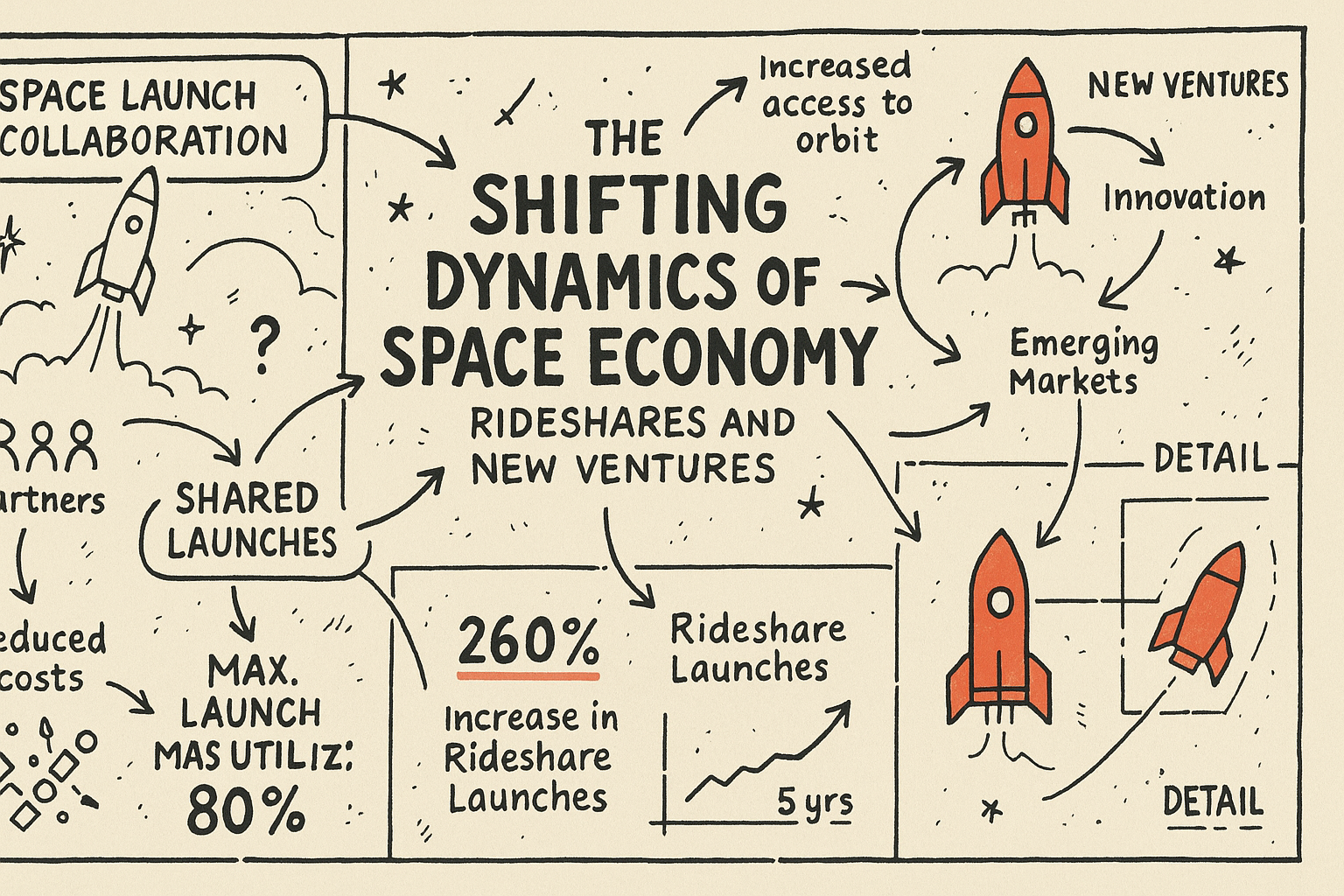
The space economy is undergoing a transformative evolution, characterized by burgeoning rideshare opportunities, strategic investments, and regulatory adjustments. At the heart of this shift is a growing demand for satellite launches, driven by both established players and new entrants eager to carve out their niche in the cosmos.
The Rise of Rideshares
The rideshare model, popularized by SpaceX's Transporter program, has democratized access to space by allowing multiple payloads to share the cost of a single launch. This approach is not only cost-effective but also fosters a collaborative ecosystem where smaller companies can participate in space missions without shouldering the burden of a dedicated launch.
Portal Space Systems' decision to include rideshare payloads on its Falcon 9 launch of the Supernova spacecraft, as reported by SpaceNews, exemplifies this trend. Working with Maverick Space Systems, Portal is optimizing its launch capacity by offering excess space to other firms, a strategy that is particularly vital in today's constrained launch market (Source 2).
Strategic Investments and Market Dynamics
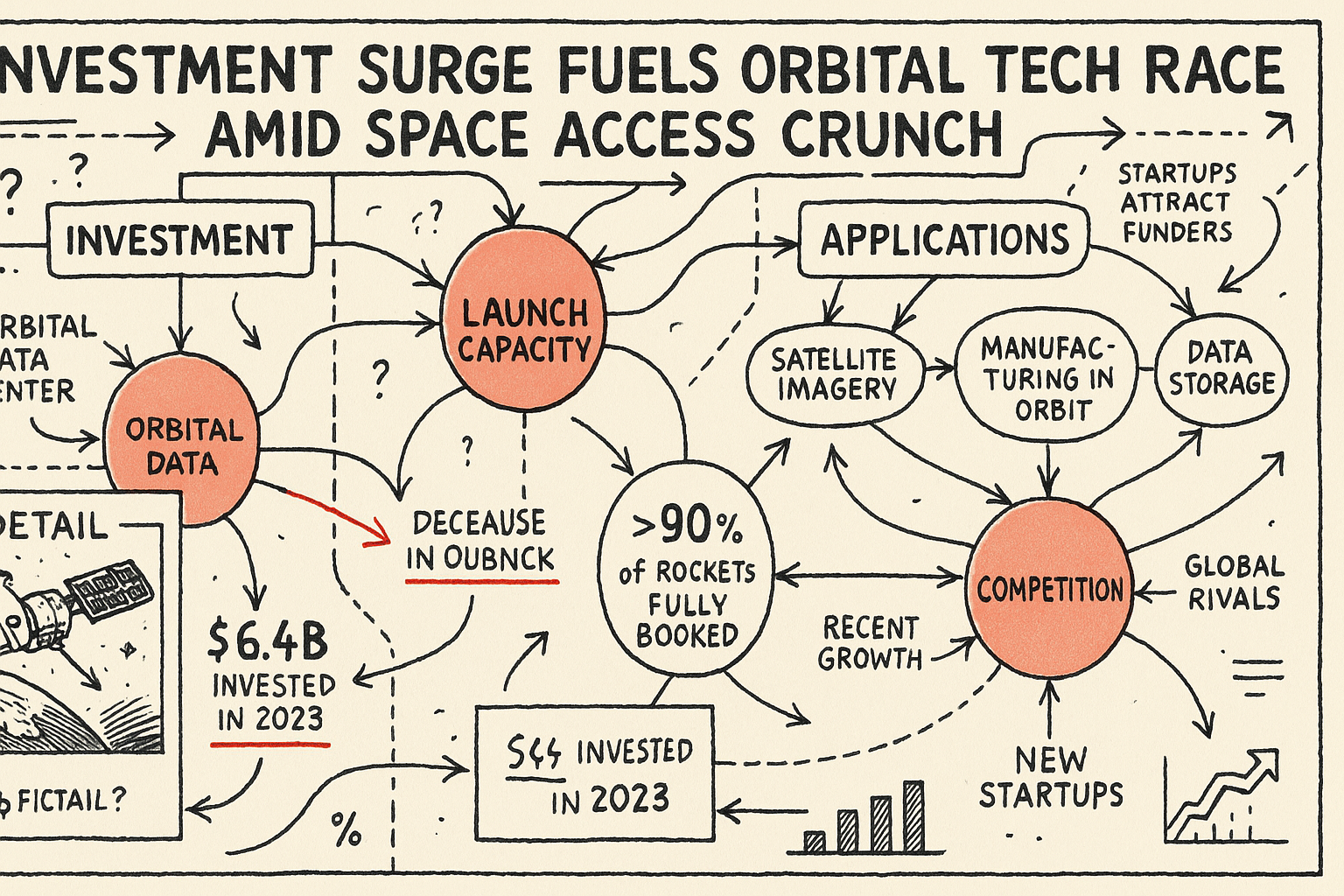
The recent $250 million Series C funding secured by Muon Space underscores the financial community's confidence in the potential of small satellite technologies (Source 7). This influx of capital will enable Muon to expand its satellite production capacity and diversify its mission capabilities, highlighting the growing investor appetite for scalable space solutions.
Simultaneously, SEOPS has doubled down on its Waymaker rideshare program, filling the gap left by SpaceX's Transporter program and catering to the increasing demand for cost-efficient orbital access (Source 6). This strategic move not only positions SEOPS as a key player in the rideshare market but also illustrates the sector's adaptive nature in responding to market voids.
Regulatory and Policy Considerations
On the regulatory front, Xona Space Systems' clearance to broadcast its Pulsar navigation signals from its satellite constellation marks a significant milestone (Source 5). This approval not only advances Xona's operational capabilities but also sets a precedent for future satellite-based navigation services, highlighting the role of regulatory bodies in shaping the competitive landscape.
Moreover, Voyager Technologies' request for relaxed requirements in NASA's commercial space station RFP reflects a broader industry trend towards more flexible and business-friendly policies (Source 3). Such adjustments could accelerate the development of commercial space stations, fostering innovation and collaboration across the sector.
Future Implications and Surprising Insights
As the space economy continues to expand, the interplay between commercial initiatives, investment strategies, and regulatory frameworks will be crucial in shaping its trajectory. One surprising insight from this analysis is the counterintuitive impact of the rideshare model on market dynamics: while it democratizes access, it also intensifies competition among launch providers, prompting strategic realignments and fostering innovation.
In summary, the current landscape of the space economy is a testament to the industry's resilience and adaptability. As companies like Portal, Muon, and SEOPS redefine market norms, the sector is poised for unprecedented growth, driven by collaboration, innovation, and strategic foresight.