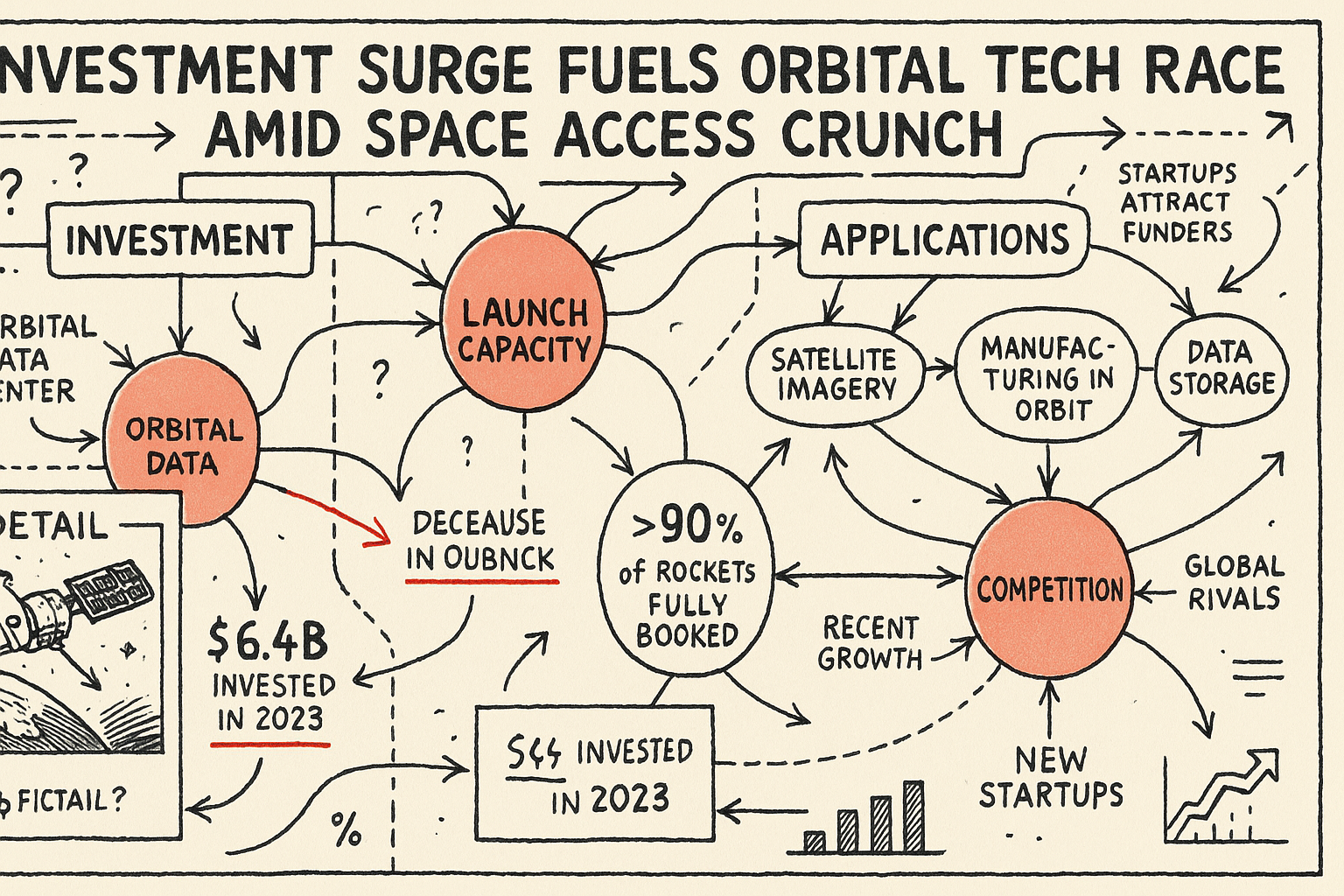
In recent months, the space industry has witnessed a remarkable surge in investments, particularly in companies focusing on orbital technologies. This trend signifies not only the growing economic potential of space but also the evolving dynamics of competition and collaboration among major players. At the heart of this movement are companies like Starcloud and StarRF, which have successfully captured significant funding to advance their ambitious projects.
Starcloud's Rapid Valuation Rise
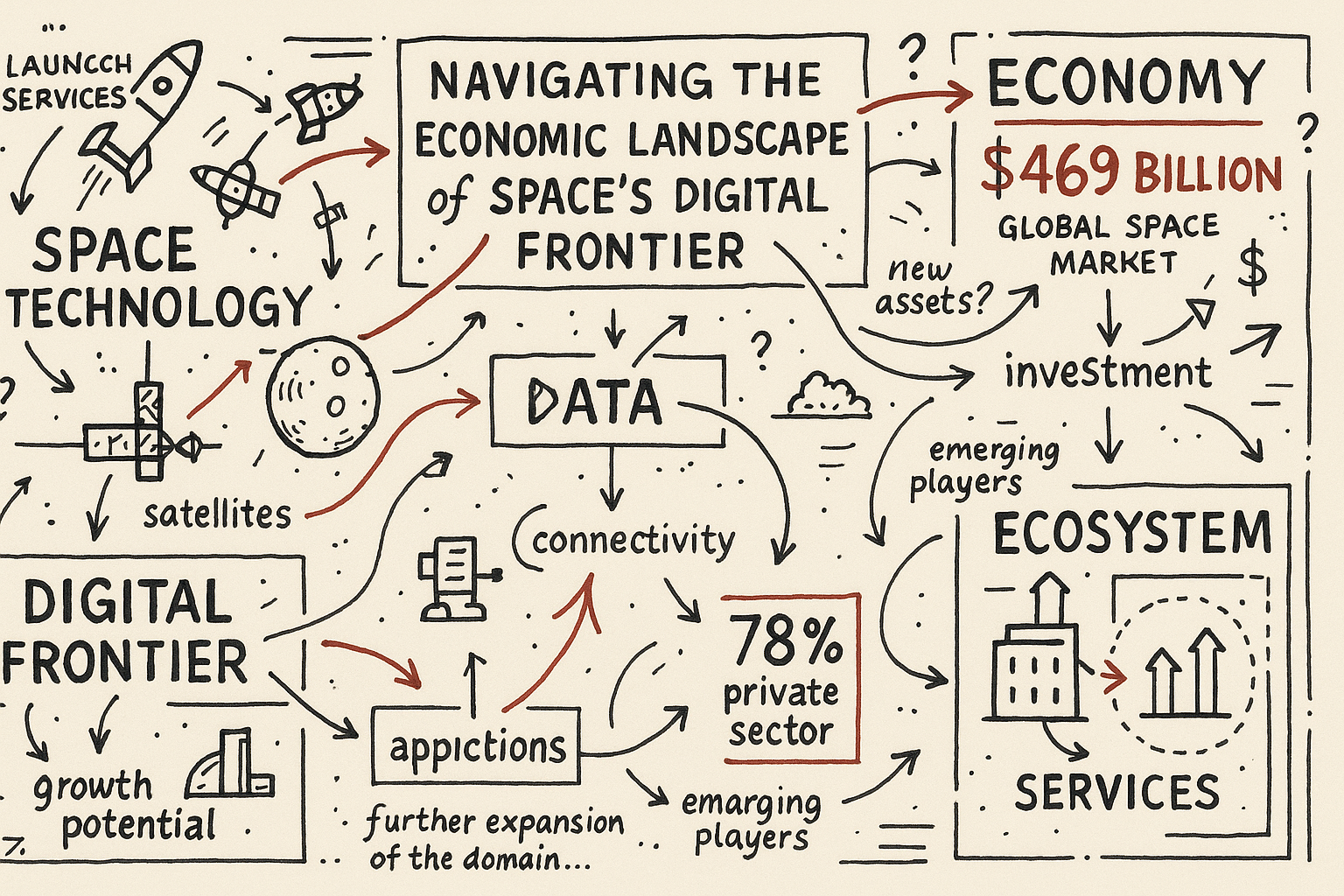
Starcloud, an orbital data center startup, exemplifies the rapid growth potential in this sector. The company recently added $250 million to its Series A funding, doubling its valuation to an impressive $2.3 billion. This infusion of capital, led by Manhattan West and supported by tech giant Nvidia, underscores the increasing interest in space-based data infrastructure. Nvidia's involvement highlights a strategic alignment with its own interests in deploying AI computing capabilities in space, a frontier that promises to revolutionize data processing and analysis.
China's Expanding Commercial Space Sector
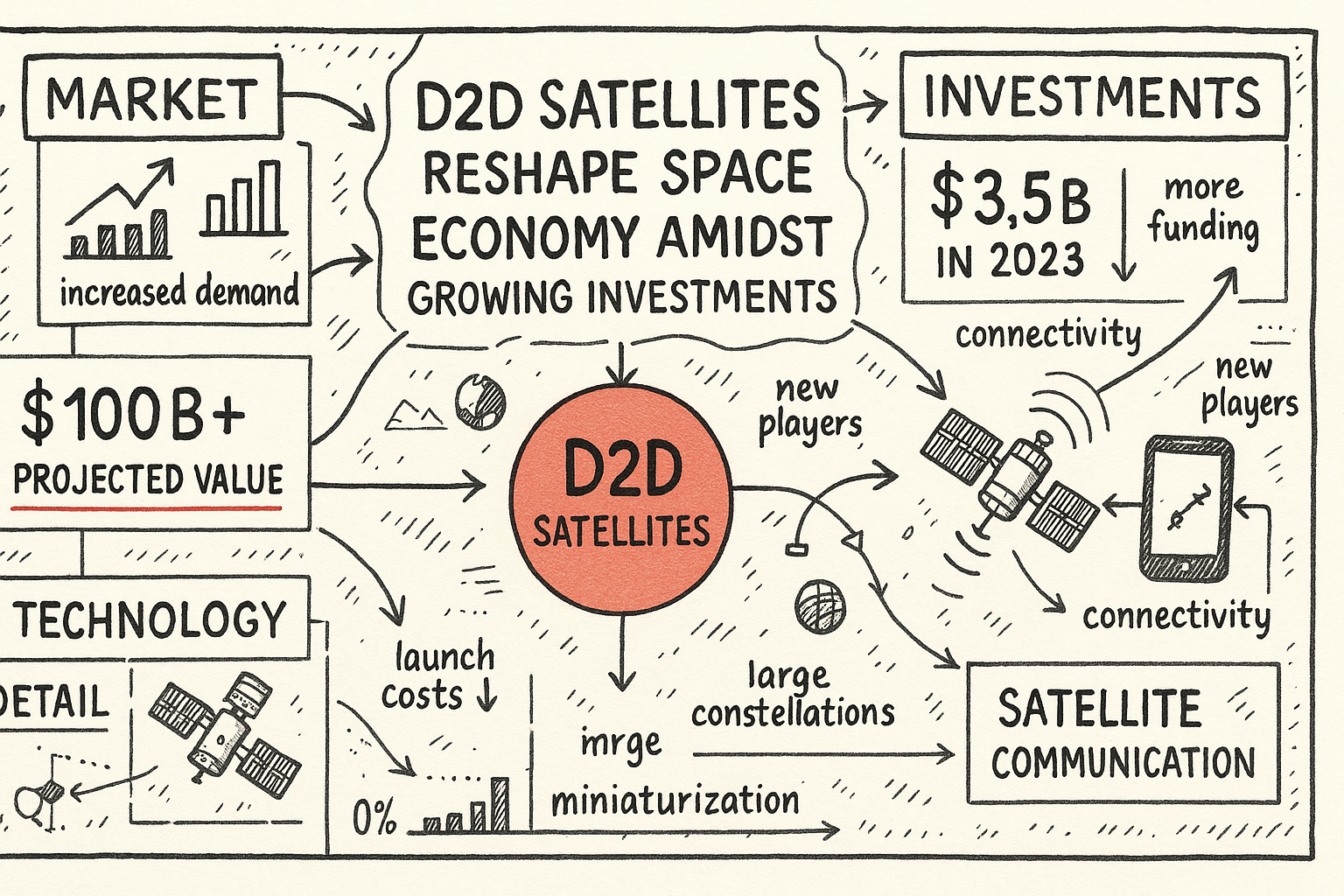
On a parallel track, China's commercial space sector is gaining momentum, with startups like StarRF successfully closing new funding rounds. StarRF is focused on deploying a constellation designed to detect and geolocate radio-frequency emissions from orbit. This capability not only enhances global communications but also offers strategic advantages in monitoring and intelligence—areas where China is keen to expand its influence.
Challenges in Accessing Space
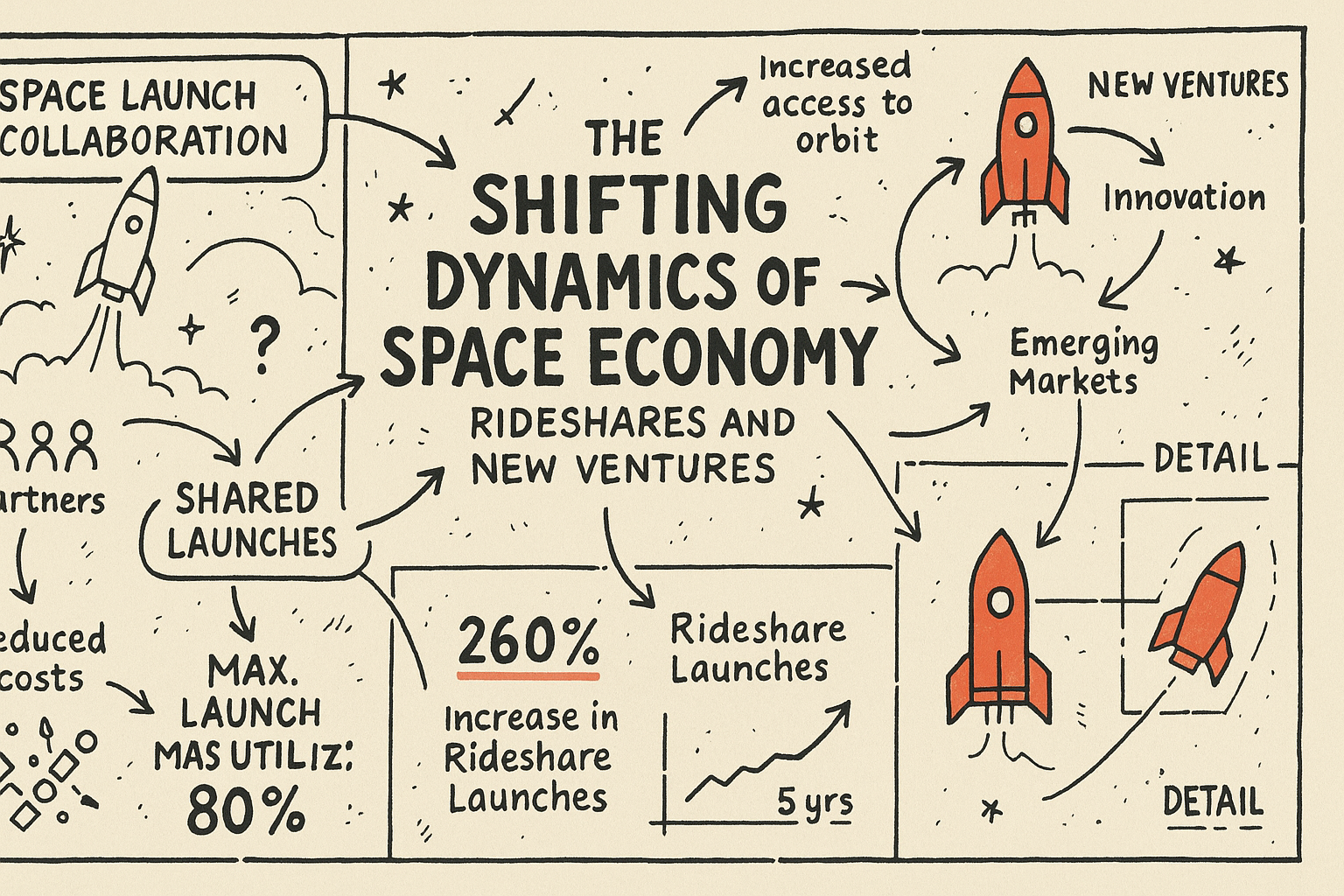
Despite these investment successes, a significant challenge looms: access to space. As more companies aim to deploy constellations, the competition for launch opportunities is intensifying. The limited availability of launch vehicles could become a bottleneck, potentially slowing down the deployment of critical infrastructure. This scenario is prompting companies to explore alternative solutions, such as developing smaller, more versatile satellites that can be launched in rideshares or leveraging emerging technologies like space tugs.
Strategic Acquisitions and Technological Advancements
In this competitive landscape, strategic acquisitions are becoming vital for companies aiming to enhance their technological capabilities. For instance, CesiumAstro's acquisition of semiconductor specialist Jariet Technologies is a strategic move to strengthen its phased-array antenna technology for future communication constellations. Such acquisitions not only improve in-house capabilities but also position companies to better compete in the rapidly evolving space economy.
Implications for the Future
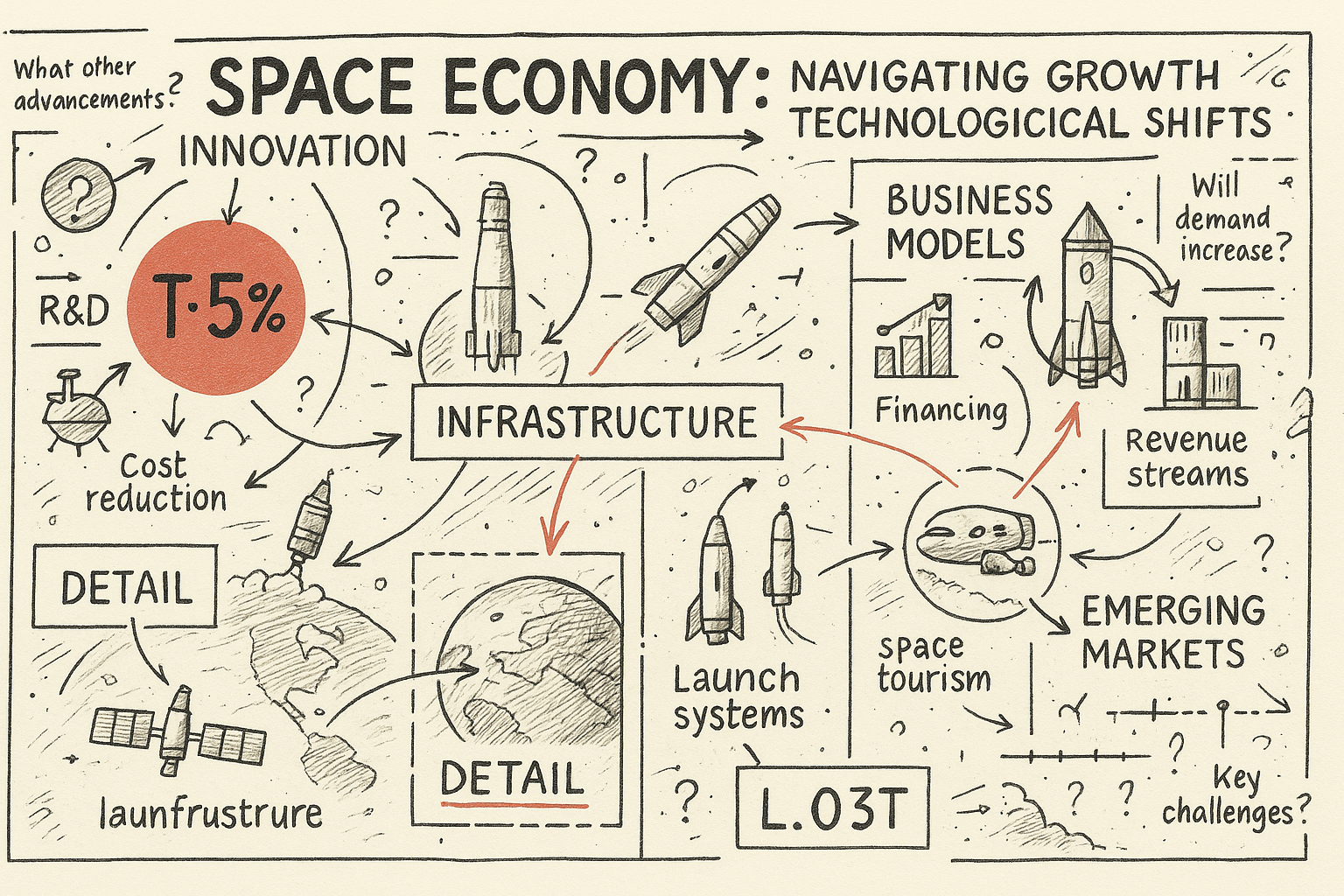
The current wave of investments and strategic maneuvers indicates a profound shift in how space is perceived as an economic frontier. The focus on orbital technologies suggests that space is increasingly being seen not just as a domain for exploration, but as a critical infrastructure for global communications, data processing, and intelligence. This shift is likely to accelerate advancements in satellite technology, AI integration, and space-based data centers, driving further investment and innovation.
However, the challenge of space access remains a critical issue that could influence the pace of growth in this sector. As companies navigate these challenges, we may see increased collaboration, both internationally and across industries, to address the limitations of launch capabilities and explore new technological solutions.