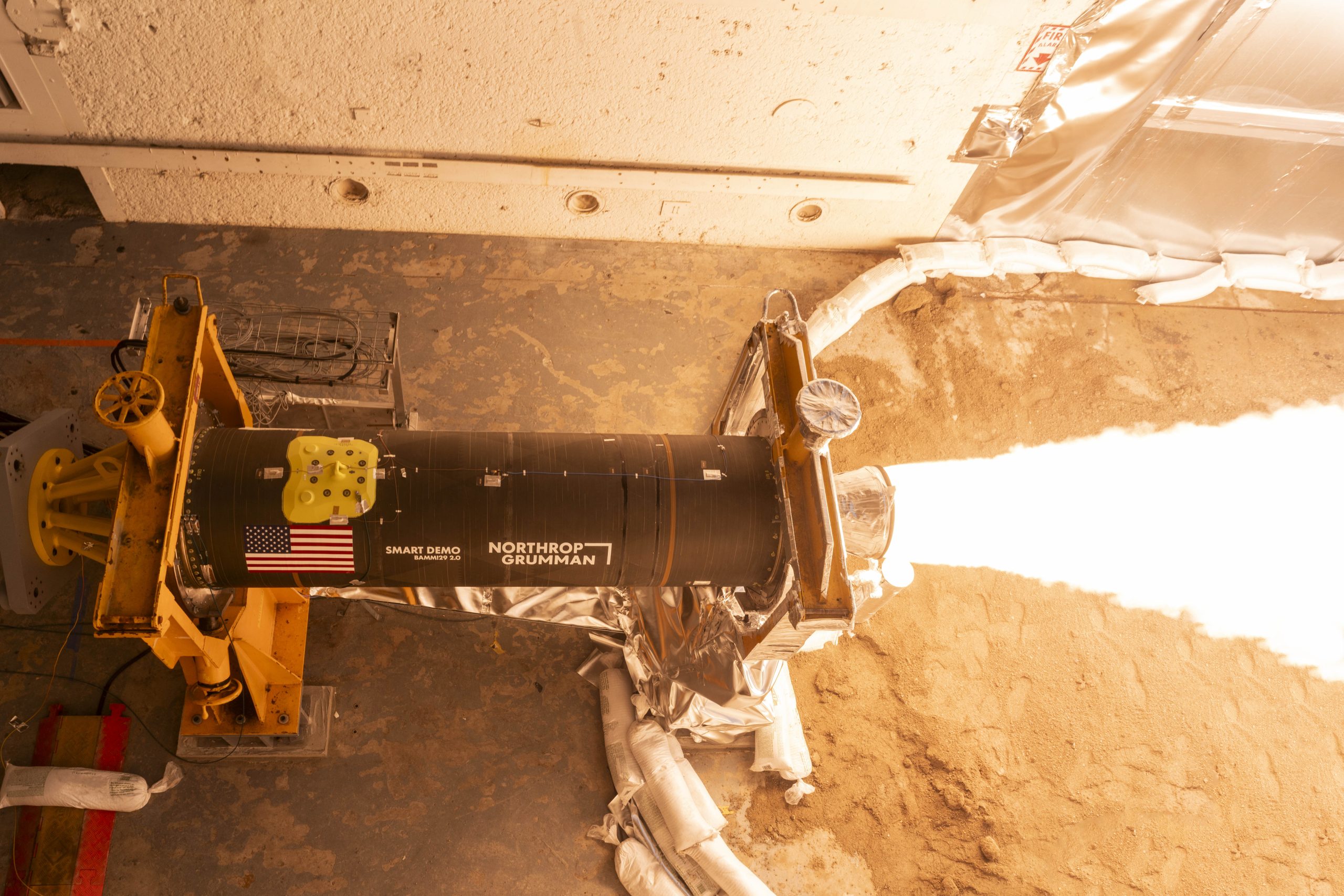
As global defense strategies evolve, the demand for advanced missile systems is on the rise. However, a recent report by the Center for Strategic and International Studies (CSIS) highlights a significant hurdle in meeting these demands: a bottleneck in the supply chain for solid rocket motors. This constraint, stemming from years of industry consolidation, poses a risk to planned interceptor procurements slated for 2027.
The CSIS report sheds light on the complexities facing the defense industry, particularly the production of solid rocket motors, which are critical components in missile propulsion. The anticipated increase in missile production is set to test a supply chain that is still recovering from past consolidations. This consolidation has left the industry with fewer suppliers capable of meeting the increasing demand, a situation that could delay or limit the production of essential defense systems.
Historically, the production of solid rocket motors has been centralized among a small number of key players. Over the years, mergers and acquisitions within the aerospace and defense sectors have further reduced the number of companies in this niche market. This consolidation, while streamlining some aspects of production, has also made the supply chain more vulnerable to disruptions. With fewer companies controlling the production of these critical components, any hiccup in manufacturing or supply can have far-reaching impacts.
The report indicates that the defense sector's current push to ramp up missile production is a reaction to global security challenges and the need for modernized defense capabilities. As nations reassess their defense postures, the demand for more sophisticated and reliable missile systems has surged. This has, in turn, placed unprecedented pressure on the supply chains that support missile production.
One of the critical insights from the CSIS report is the mismatch between the current industrial base's capacity and the projected needs for missile production. As nations plan to procure more interceptors by 2027, the limitations within the solid rocket motor supply chain could become a significant bottleneck. This challenge is exacerbated by the technical complexities involved in manufacturing solid rocket motors, which require specialized materials and processes.
Furthermore, the report emphasizes the need for strategic investments and policy adjustments to bolster the supply chain's resilience. This includes encouraging the development of new suppliers, investing in technological innovations to enhance production efficiency, and fostering international collaborations to diversify supply sources. Such measures could help mitigate the risks associated with the current bottleneck and ensure that the defense sector can meet its procurement goals.
Looking forward, the situation presents an opportunity for both industry and government to reassess and strengthen the aerospace supply chain. By addressing the bottleneck in solid rocket motor production, stakeholders can not only meet immediate defense requirements but also build a more robust and flexible supply chain capable of responding to future challenges.
In conclusion, the CSIS report serves as a crucial reminder of the intricate dependencies within the defense industry and the importance of maintaining a resilient supply chain. As missile production efforts intensify, overcoming the current bottleneck in solid rocket motors will be essential to achieving strategic defense objectives and maintaining global security.