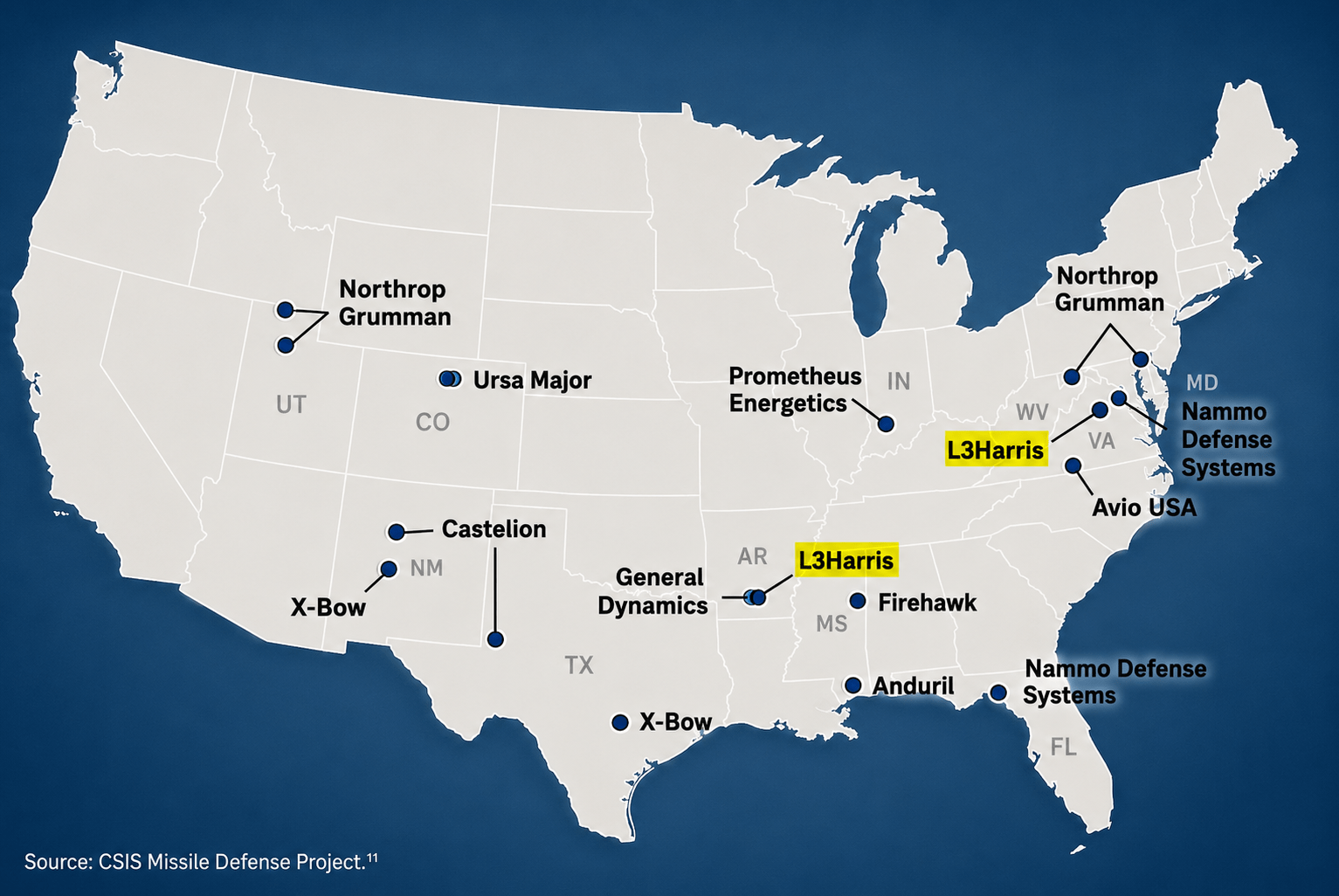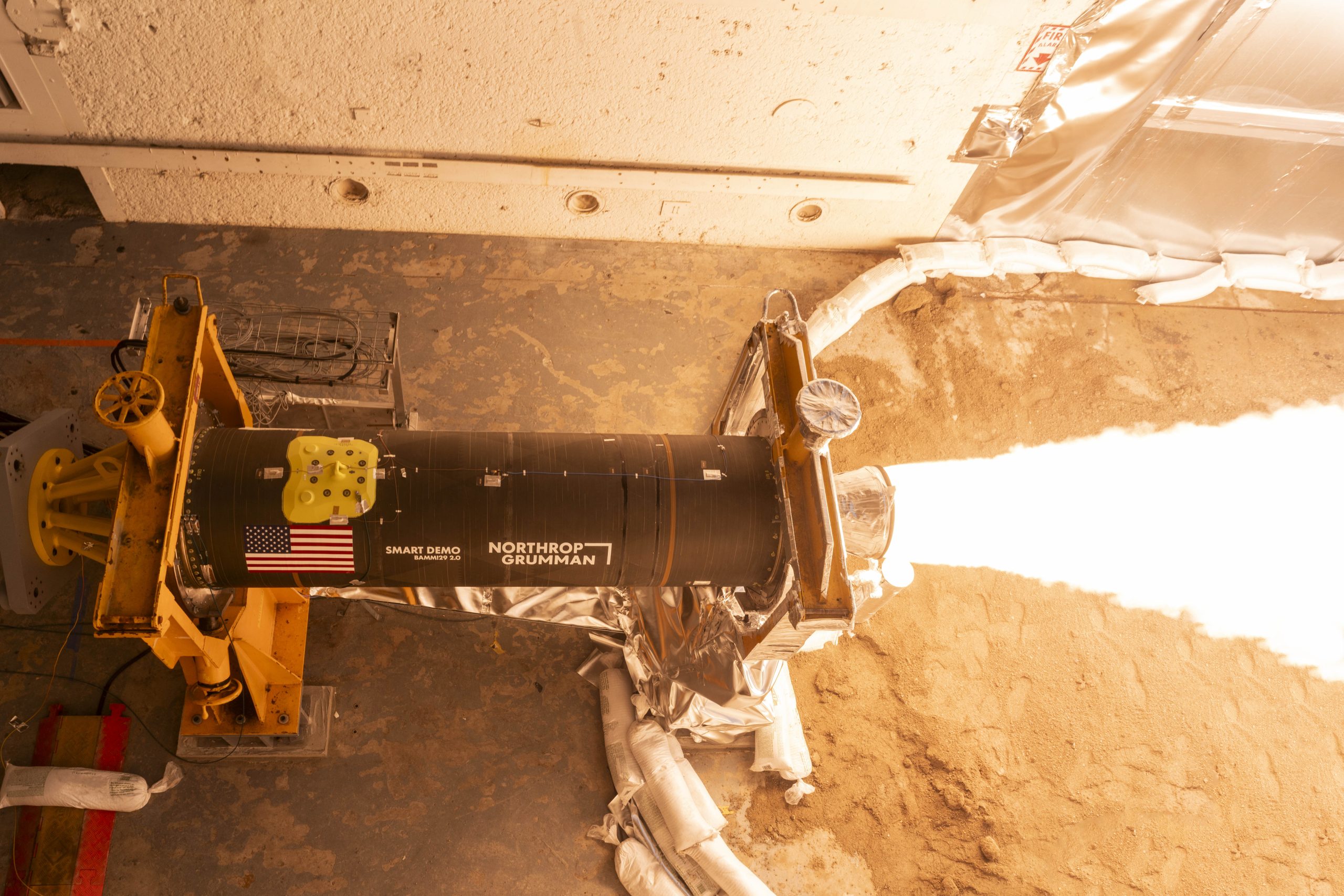
In a significant development for the aerospace industry, Northrop Grumman has announced its readiness to scale the production of solid rocket motors, a crucial component for both military and commercial space systems. This announcement comes amid billions in private investments funneled into the sector, indicating a robust future for solid propulsion technologies.
The head of Northrop Grumman’s solid rocket motor division emphasized that the industry is well-positioned to expand its production capabilities. However, he noted a critical need for more predictable demand, which can be achieved through longer-term contracts. Such contracts would provide the necessary stability and certainty, encouraging suppliers to ramp up production without the risks associated with fluctuating demand.
The push for longer contracts is not a new concept in the aerospace sector. Historically, the industry has faced challenges related to the cyclical nature of demand, often tied to government budgets and the timing of major space missions. By securing longer-term agreements, companies like Northrop Grumman can better manage their supply chains and resources, ensuring timely delivery of essential components.
Solid rocket motors are integral to a wide range of applications. They are used in launch vehicles, missile systems, and other aerospace technologies. The ability to produce these components at scale is crucial for maintaining competitiveness in both national defense and commercial space exploration. As space missions become more frequent and ambitious, the demand for reliable propulsion systems is expected to grow.
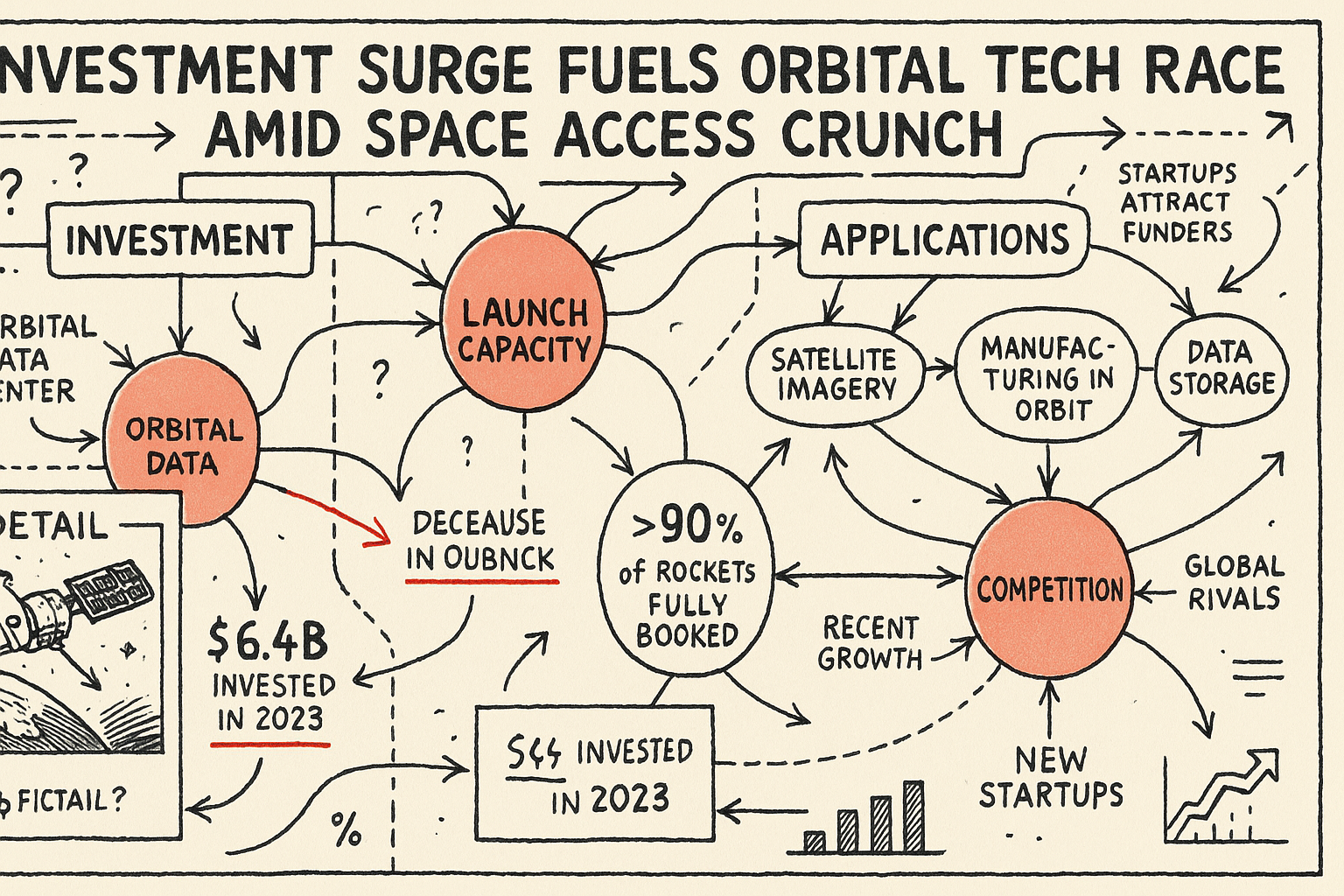
Northrop Grumman’s call for longer contracts reflects a broader industry trend towards stabilizing supply chains and reducing production risks. This is particularly relevant as the sector witnesses unprecedented investment levels, with private capital flowing into new technologies and infrastructure. These investments are poised to drive innovation and efficiency in production processes, further enhancing the capability to meet future demands.
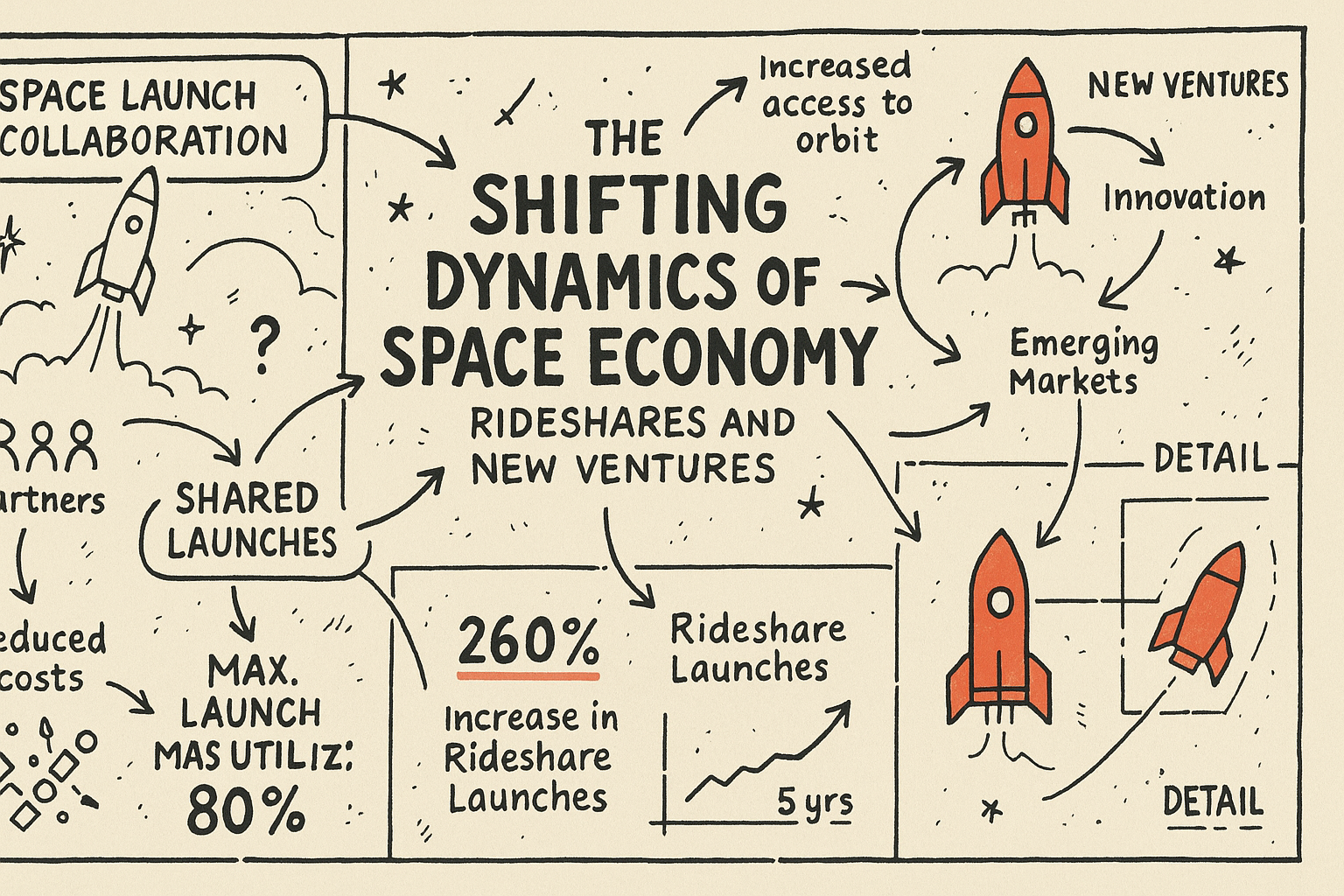
The aerospace industry is currently undergoing a transformation, driven by technological advancements and an increasing number of private players entering the market. The commercialization of space has opened new opportunities for partnerships and collaborations, expanding the potential applications of solid rocket motors. This shift is also prompting traditional aerospace giants to adapt and evolve, optimizing their operations and expanding their product offerings to maintain market relevance.
The emphasis on longer-term contracts could also have significant implications for workforce development and retention within the industry. With more stable production schedules, companies can invest in training and retaining skilled personnel, addressing one of the critical challenges faced by the sector – a shortage of experienced engineers and technicians.
Looking forward, Northrop Grumman’s strategy aligns with the broader goals of enhancing the resilience of the aerospace supply chain. By advocating for contracts that extend over several years, the company aims to foster a more predictable and sustainable industry environment. This approach not only benefits suppliers and manufacturers but also contributes to national security and the advancement of space exploration initiatives.
As the aerospace industry continues to evolve, the ability to efficiently scale production of critical components like solid rocket motors will be essential. Northrop Grumman’s proactive stance on securing longer contracts and leveraging private investment underscores the importance of strategic planning and collaboration across the sector. In doing so, the company is setting a precedent for stability and growth in an industry marked by rapid change and technological advancement.