In a significant stride towards transforming the satellite servicing industry, Astroscale, a Tokyo-based company, is gearing up to shift from experimental technology demonstrations to a series of operational missions. This transition is supported by a recent capital boost that highlights the company's strategic growth plans.
For the fiscal year ending April 30, 2026, Astroscale reported a project income of 11.5 billion yen (approximately $71.1 million), marking a substantial increase from 6.1 billion yen in 2025. This income, which encompasses both contract revenue and government subsidies, reflects the growing interest and investment in the company’s pioneering work in satellite servicing.
Despite ending the fiscal year with an operating loss of 10 billion yen, this was an improvement from the 18.8 billion yen loss recorded in the previous year. The company anticipates its operating loss to remain relatively stable, projecting between 9 billion yen and 9.9 billion yen for the 2027 fiscal year.
Nobu Okada, the CEO of Astroscale, outlined the company’s strategic focus on strengthening its capabilities in talent acquisition, development, and production. This strategy aims to support the company's transition into commercial operations, targeting repeatable business opportunities, especially in collaboration with defense customers.
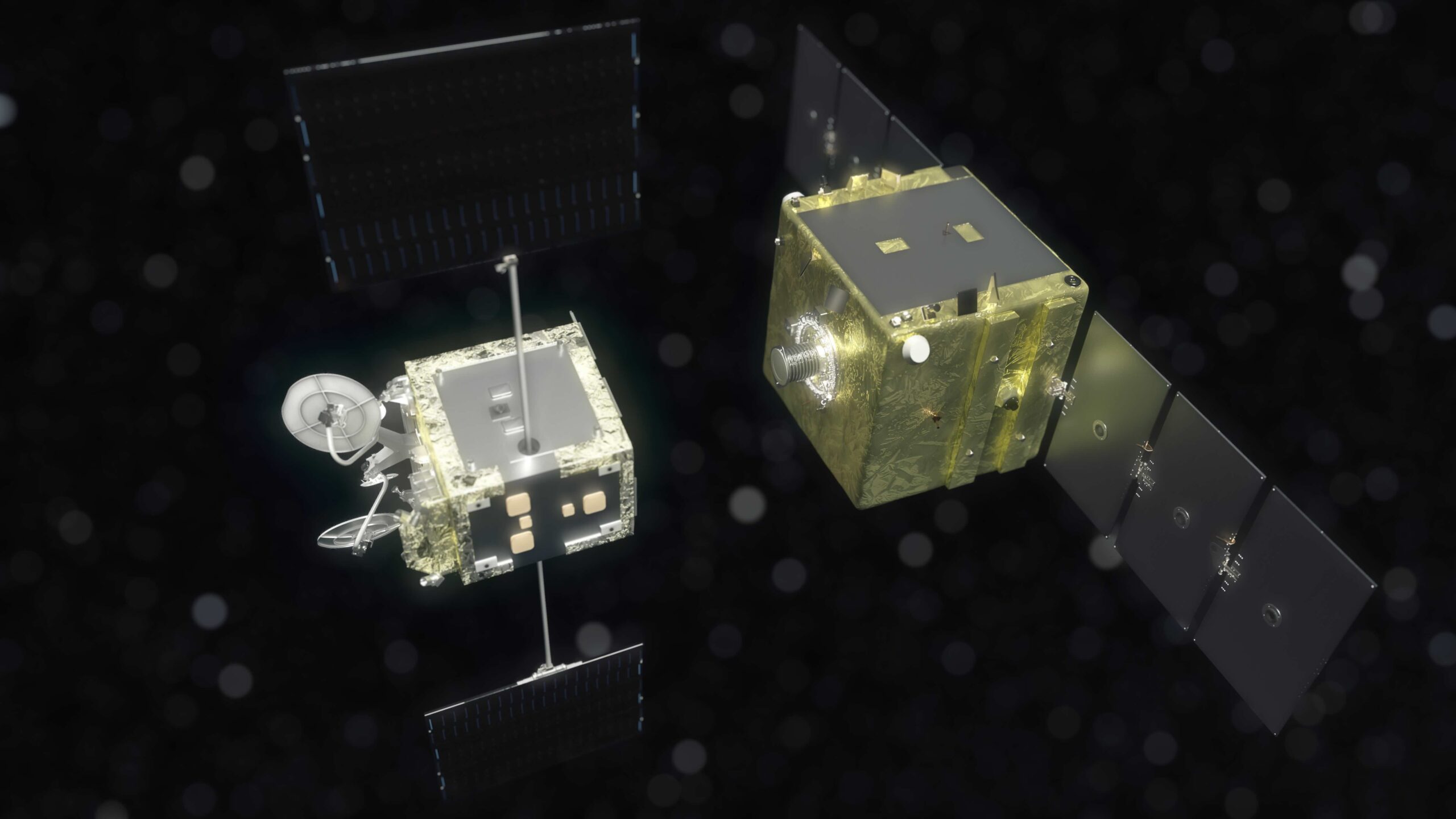
The space industry, particularly the niche market of on-orbit servicing, favors first movers who can demonstrate technology and build operational track records. Astroscale is positioning itself as a leader in this field by securing projects and accumulating experience in rendezvous and proximity operations (RPO) technologies. Okada emphasized that establishing a strong operational history in RPO is crucial to achieving a long-term competitive edge.
Astroscale has outlined several missions in Japan, the United Kingdom, and the United States, with launches planned over the next two years. These include a refueling mission for the U.S. Space Force and a demonstration project aimed at end-of-life disposal of satellites. Such initiatives are crucial as the space industry grapples with the growing challenge of space debris management.
Historically, space debris has posed significant risks to operational satellites and space missions. The increasing volume of inactive satellites and debris fragments orbiting Earth necessitates innovative solutions for debris mitigation and satellite servicing. Astroscale's focus on these areas positions it as a key player in addressing this pressing issue.
The potential for on-orbit servicing extends beyond mere debris management. It could revolutionize satellite operations by enabling repairs, upgrades, and refueling, thereby extending the lifespan of satellites and reducing the need for new launches. This capability is especially attractive to defense and commercial sectors seeking sustainable and cost-effective space operations.
Looking to the future, Astroscale's efforts to establish itself in the satellite servicing market could influence the broader space industry, encouraging the development of more sustainable practices. The company's approach underscores the importance of strategic investments and operational readiness in capturing the growing demand for on-orbit services.
As the space industry continues to evolve, companies like Astroscale will play a pivotal role in shaping the future of satellite operations. Their work not only addresses immediate challenges like space debris but also opens new avenues for innovation and collaboration in space exploration and utilization. With its strategic direction and upcoming missions, Astroscale is poised to leave a lasting impact on the space industry, paving the way for a more sustainable and efficient approach to managing space assets.