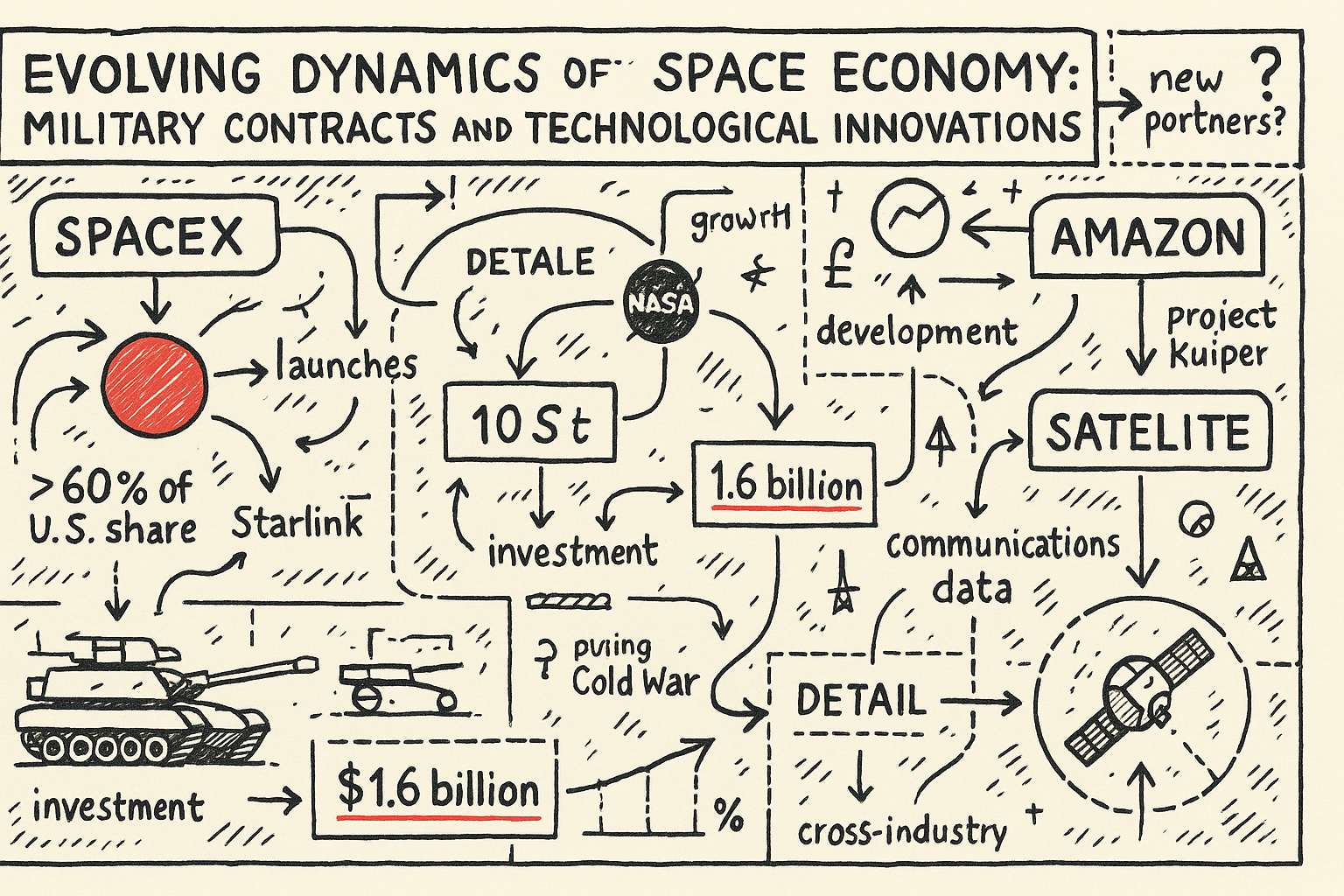
A consortium of non-geostationary satellite operators, spearheaded by Amazon, has launched the SpaceConnect Association, a new trade body aimed at advocating for the burgeoning NGSO market. Notably absent from this association is SpaceX, despite its dominance in the field with the largest NGSO satellite constellation.
The SpaceConnect Association, based in Washington, D.C., includes key players like Globalstar, Iridium, and Telesat. These companies are collaborating to push for policies that encourage innovation while ensuring safe operations in low Earth orbit. Julie Kearney, the association's general counsel, emphasized the group's focus on promoting updated licensing processes and efficient spectrum access to maximize the potential of NGSO systems across various sectors.
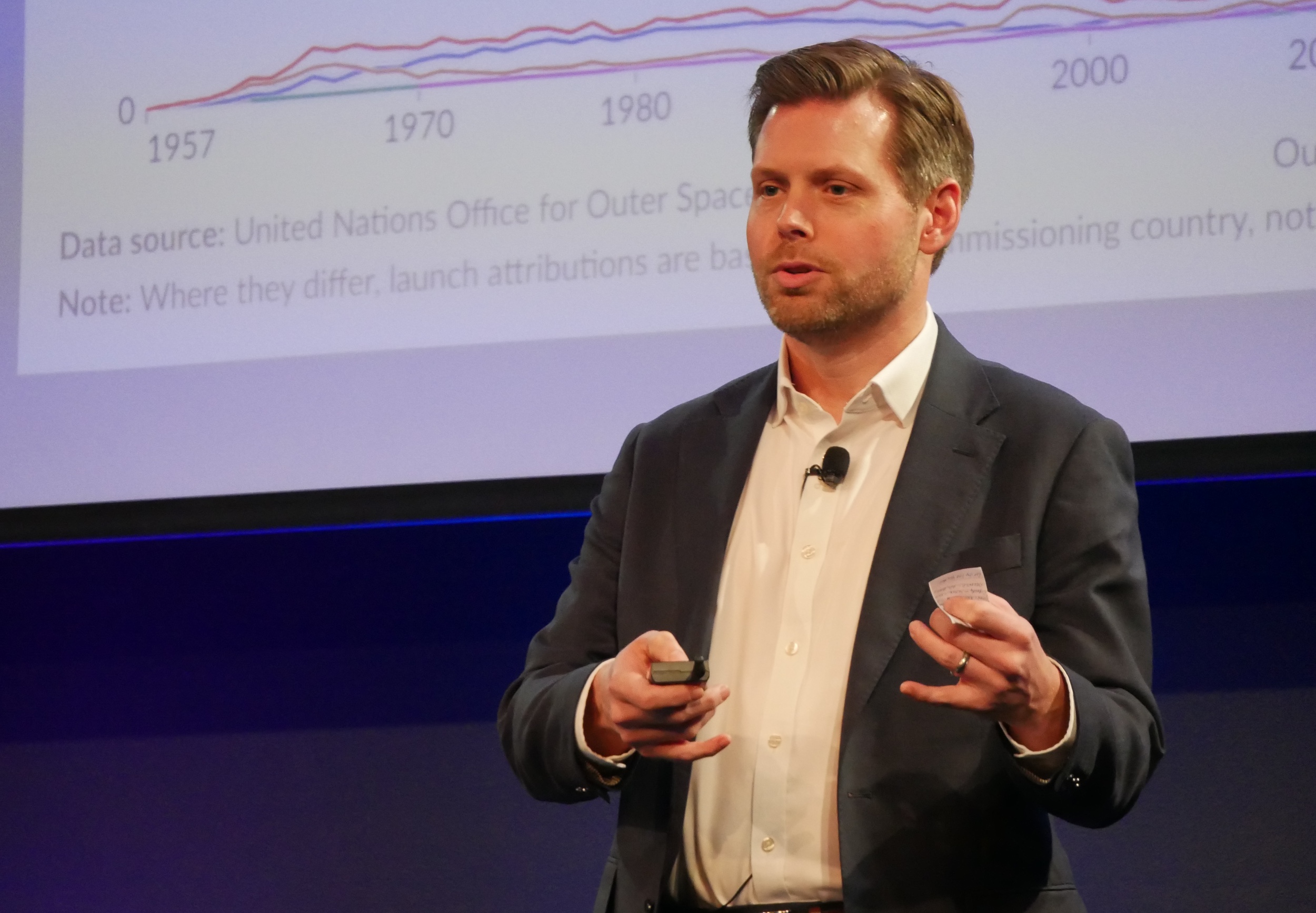
David Redl, former head of the U.S. National Telecommunications and Information Administration, has been appointed as the executive director of SpaceConnect. Redl highlighted the association's openness to include SpaceX, acknowledging its significant role in the industry. However, he pointed out that SpaceConnect represents a segment of the market, and SpaceX, although a major player, is not the sole entity in the space.
SpaceX, which operates over 10,000 satellites in NGSO—greatly surpassing the combined numbers of SpaceConnect's members—has not yet commented on its absence from the association. The company's Starlink constellation is a major player in the satellite broadband market, providing global coverage with plans for further expansion.
Amazon, a leading member of SpaceConnect, has deployed 367 satellites out of a planned 3,200 for its own NGSO constellation. The company aims to launch broadband services later this year, positioning itself as a direct competitor to SpaceX's Starlink services. Telesat, another member of the association, is preparing for serial launches of its NGSO broadband satellites next year.
Iridium and Globalstar, two other members of SpaceConnect, operate smaller constellations mainly focused on mobile satellite services. Globalstar is particularly noted for providing space-enabled messaging services on Apple's latest iPhones, and Amazon is actively seeking regulatory approval to acquire the company.
The formation of SpaceConnect comes at a critical time as the industry prepares for significant events like the World Radiocommunication Conference next year, where international spectrum regulations will be a primary focus. Additionally, the association is closely monitoring developments around the proposed EU Space Act, which Redl suggests may foster protectionism in the sector.
As the NGSO market continues to grow rapidly, with advancements in satellite technology and increased demand for global connectivity, the establishment of SpaceConnect marks a strategic move by its members to influence policy and regulatory frameworks. This could have significant implications for the future landscape of satellite communications, potentially impacting how companies deploy and manage their satellite networks.
While SpaceX's absence from SpaceConnect raises questions about the dynamics within the NGSO industry, the association's formation underscores the diverse interests and strategies of satellite operators as they navigate this rapidly evolving sector. As the industry continues to expand, collaborations like SpaceConnect will play a crucial role in shaping its future direction and ensuring sustainable growth.