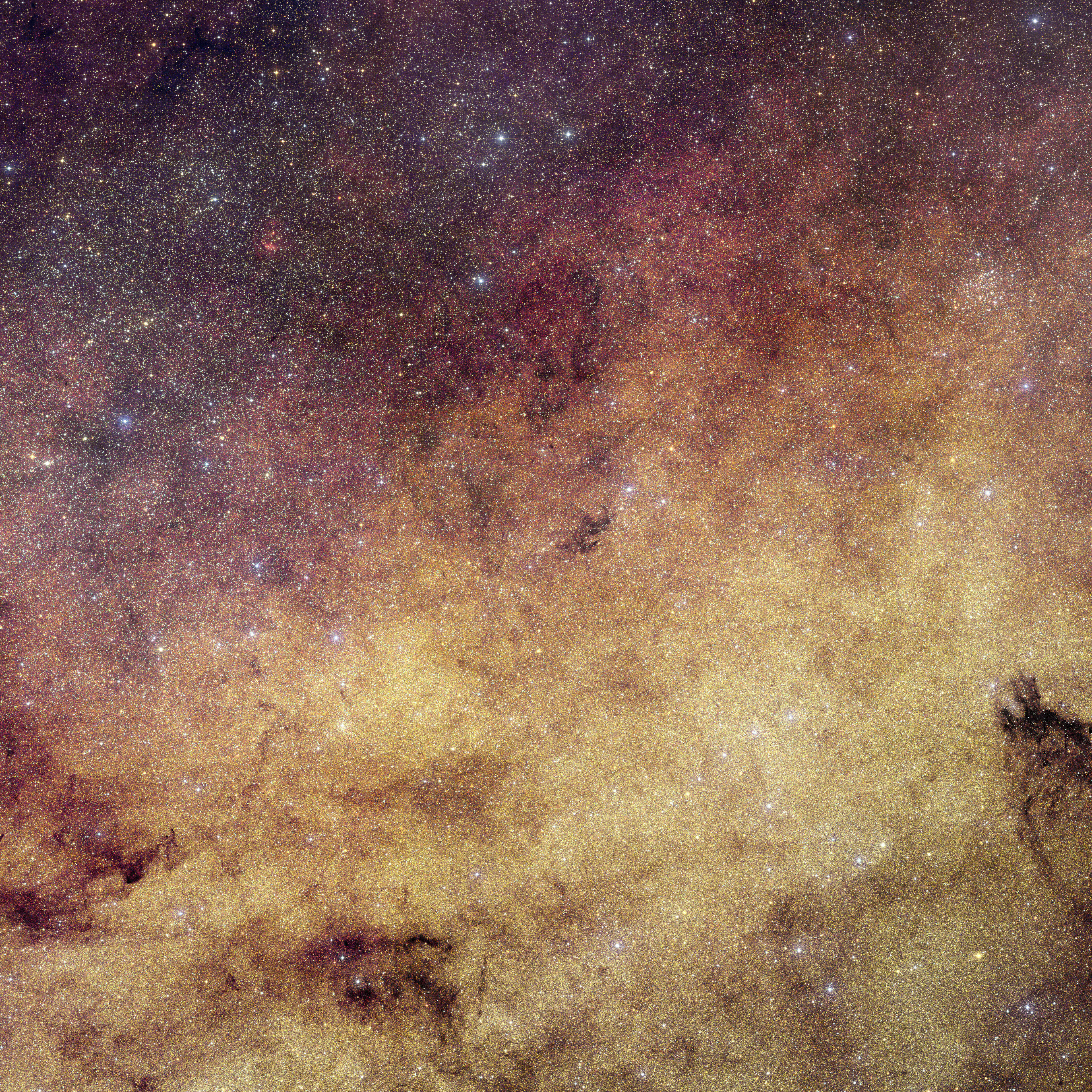
The heart of the Milky Way galaxy, a region teeming with stars and cosmic activity, has recently come under sharper focus thanks to the European Space Agency's (ESA) Euclid mission. This new glimpse not only enriches our understanding of our galactic core but also sets the stage for the comprehensive survey that NASA's Nancy Grace Roman Space Telescope seeks to undertake in the near future.
Euclid, a mission primarily designed to explore the darker aspects of the universe such as dark matter and dark energy, has provided a stunning preview of the Milky Way's center. The image highlights the dense stellar populations and dust lanes that characterize the central bulge of our galaxy, offering a tantalizing preview of what NASA's upcoming core survey aims to study in more detail.
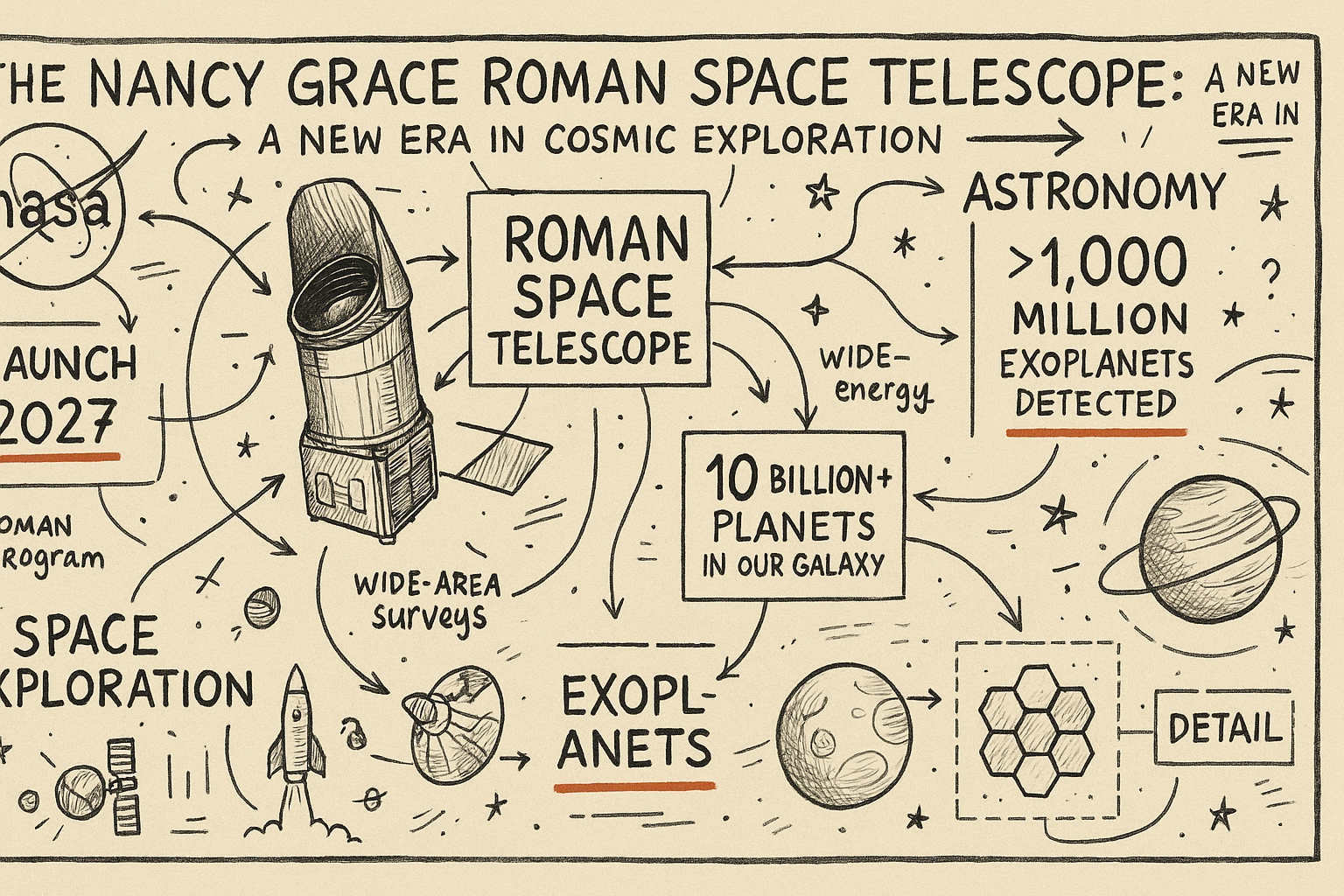
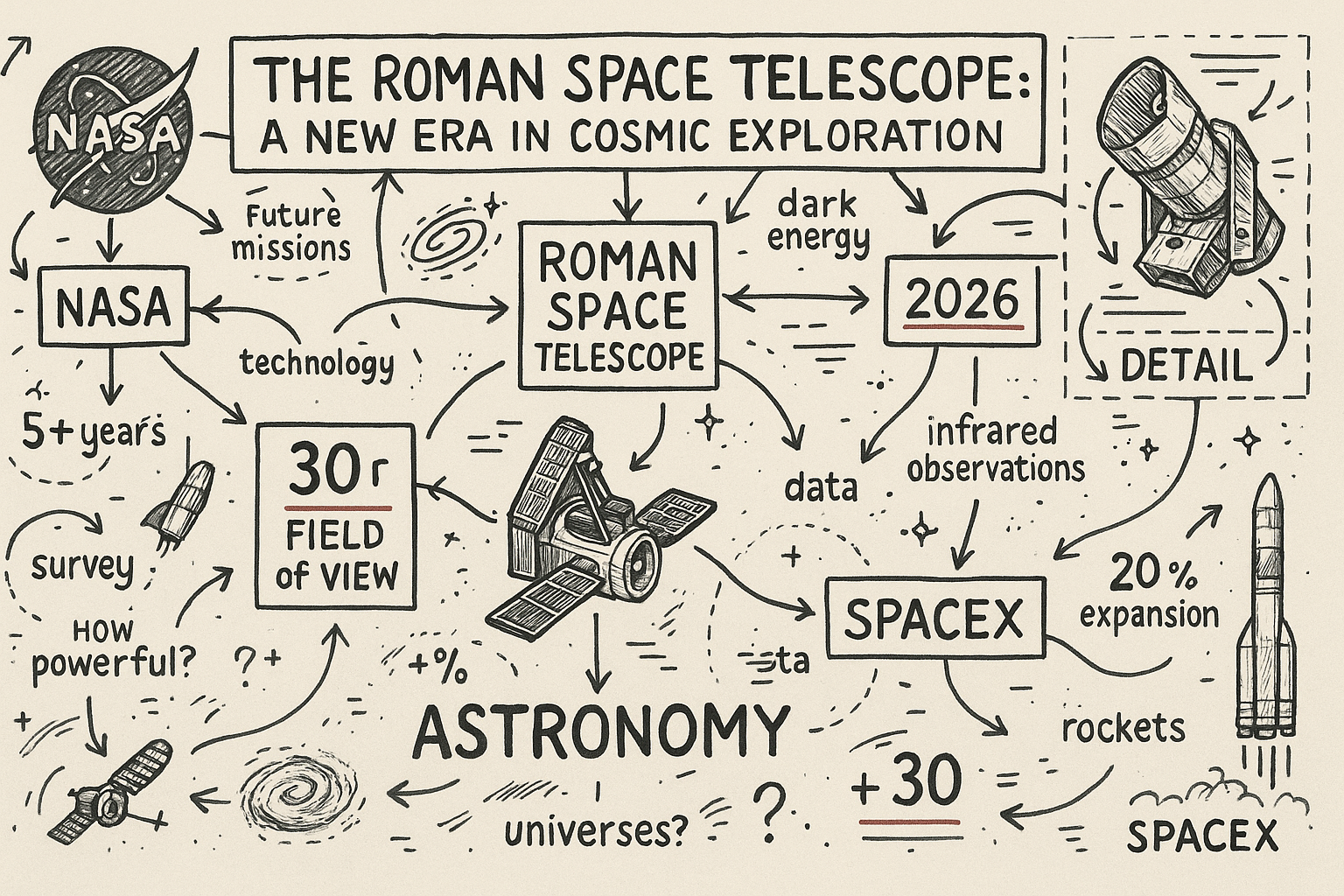
NASA's Roman Space Telescope, named in honor of Nancy Grace Roman, NASA's first Chief of Astronomy, is slated for launch in the coming years. Its mission will focus on conducting large-scale surveys to address fundamental questions about the structure and evolution of the universe. A key component of its mission is to study the Milky Way's core, a task for which Euclid's recent imagery serves as a preparatory step.
The Roman Space Telescope will be equipped with a wide-field instrument capable of capturing expansive cosmic vistas. This capability will allow it to map large areas of the sky with unprecedented detail and depth, complementing the more focused, high-resolution observations of telescopes like Hubble and James Webb. By surveying the Milky Way's core, the Roman mission aims to uncover the dynamics of this densely packed stellar environment and the role it plays in the broader galactic ecosystem.
The significance of studying the Milky Way's core cannot be overstated. This region is a bustling hub of activity, home to a supermassive black hole and a vast array of star clusters and interstellar clouds. Understanding the interactions within this area can provide critical insights into the processes that govern galaxy formation and evolution. Moreover, insights gained from the Milky Way can often be generalized to other similar galaxies, offering a window into the workings of the universe at large.
The Roman Space Telescope's core survey will also facilitate a better understanding of dark matter distribution in our galaxy. Dark matter, an enigmatic substance that does not emit, absorb, or reflect light, is thought to make up most of the universe's mass. By analyzing the gravitational influences on stars and gas clouds in the Milky Way's core, scientists hope to map the distribution of dark matter with greater precision.
Euclid's recent image is more than just a precursor to Roman's survey; it is an example of the synergy between international space missions. By combining forces, ESA and NASA can maximize their scientific returns and foster technological exchange that benefits future missions. This collaborative spirit is crucial as space agencies aim to tackle increasingly complex questions about our universe.
Looking ahead, the Roman Space Telescope represents a significant advancement in our ability to survey the cosmos. Its findings are expected to have broad implications, from refining models of galaxy evolution to enhancing our understanding of the cosmic web that defines the large-scale structure of the universe. As preparations for its launch continue, Euclid's contributions provide a promising glimpse into the potential outcomes of the Roman mission's ambitious endeavors.