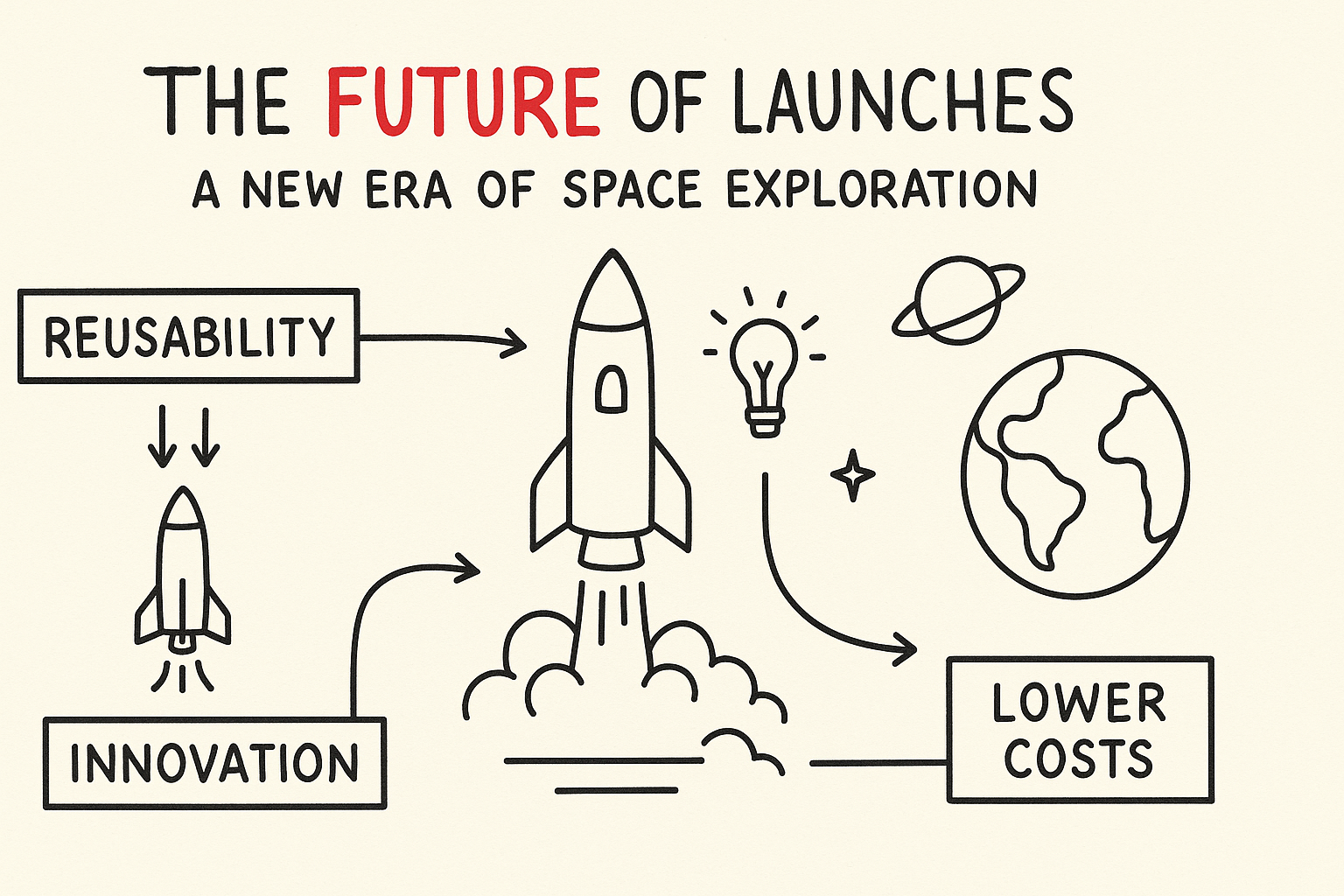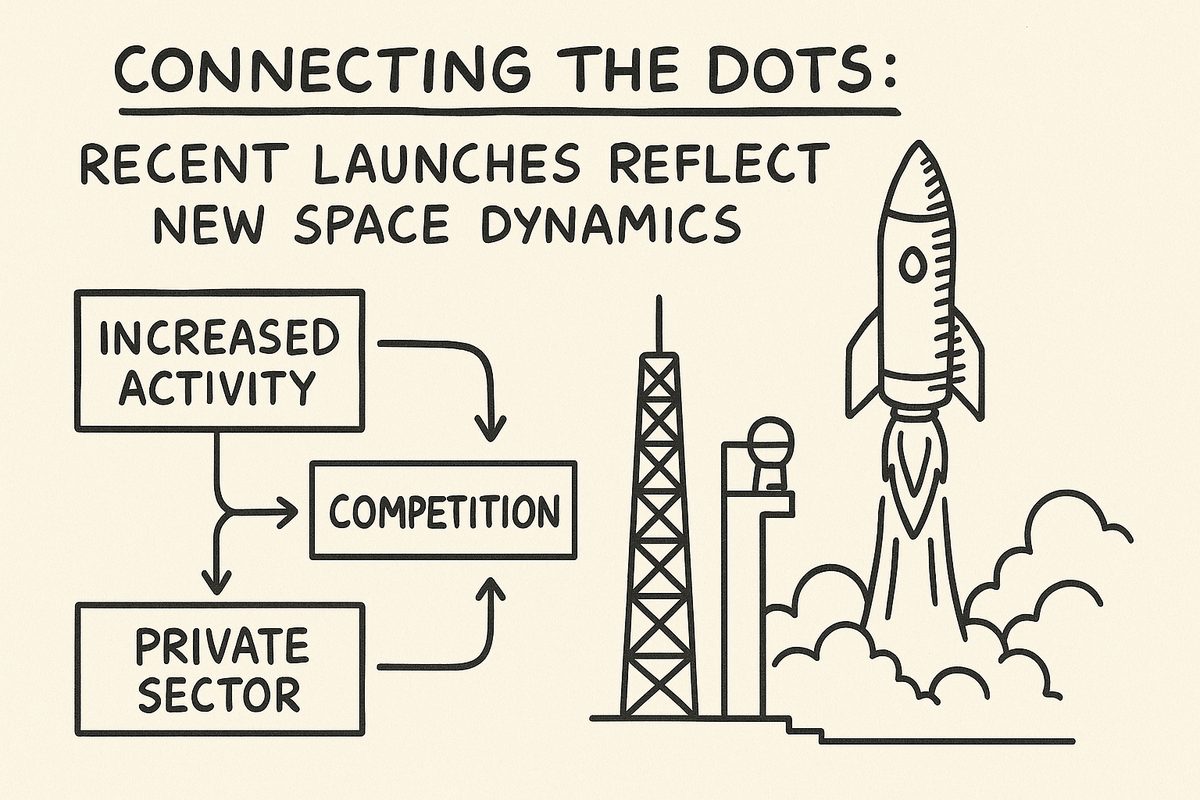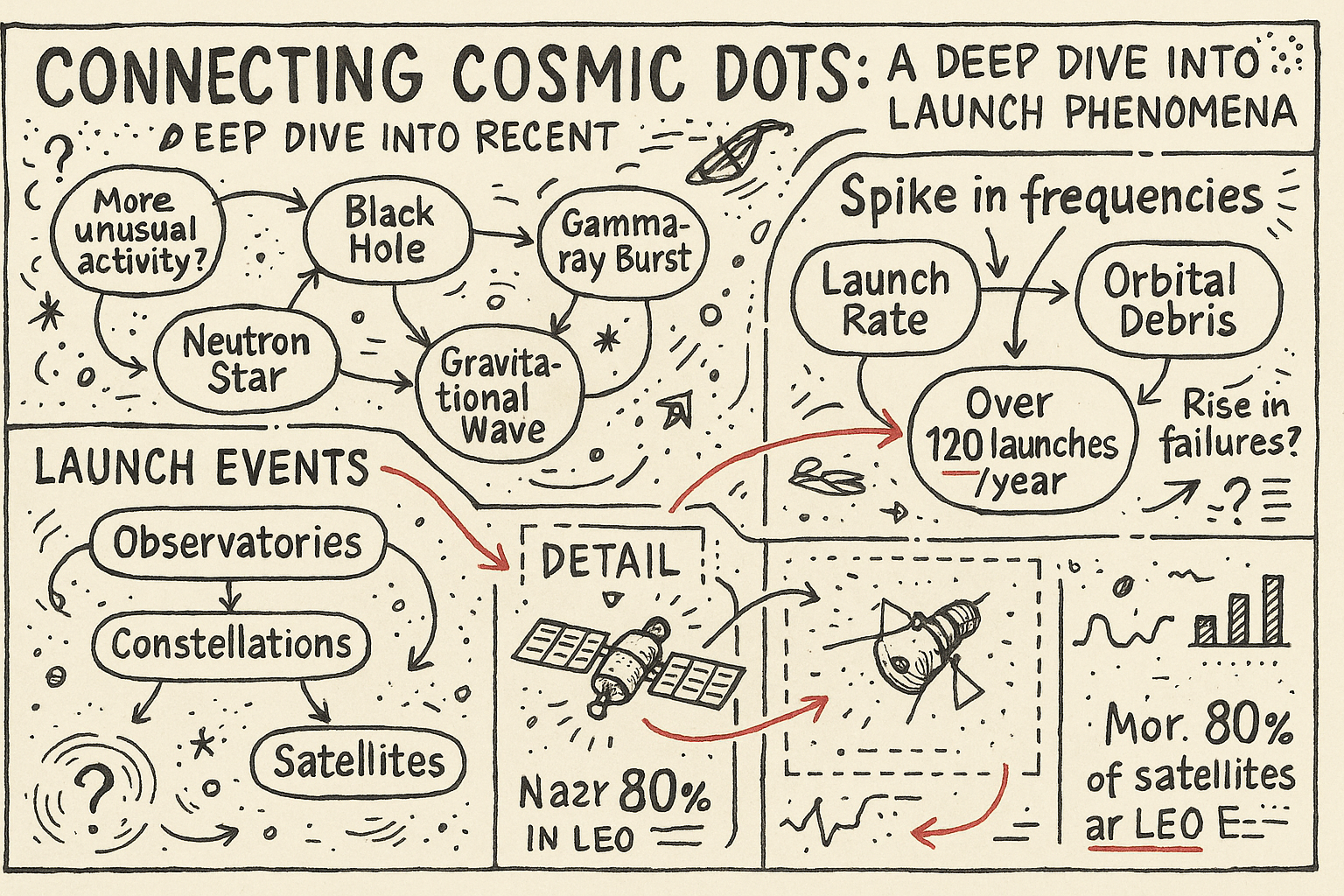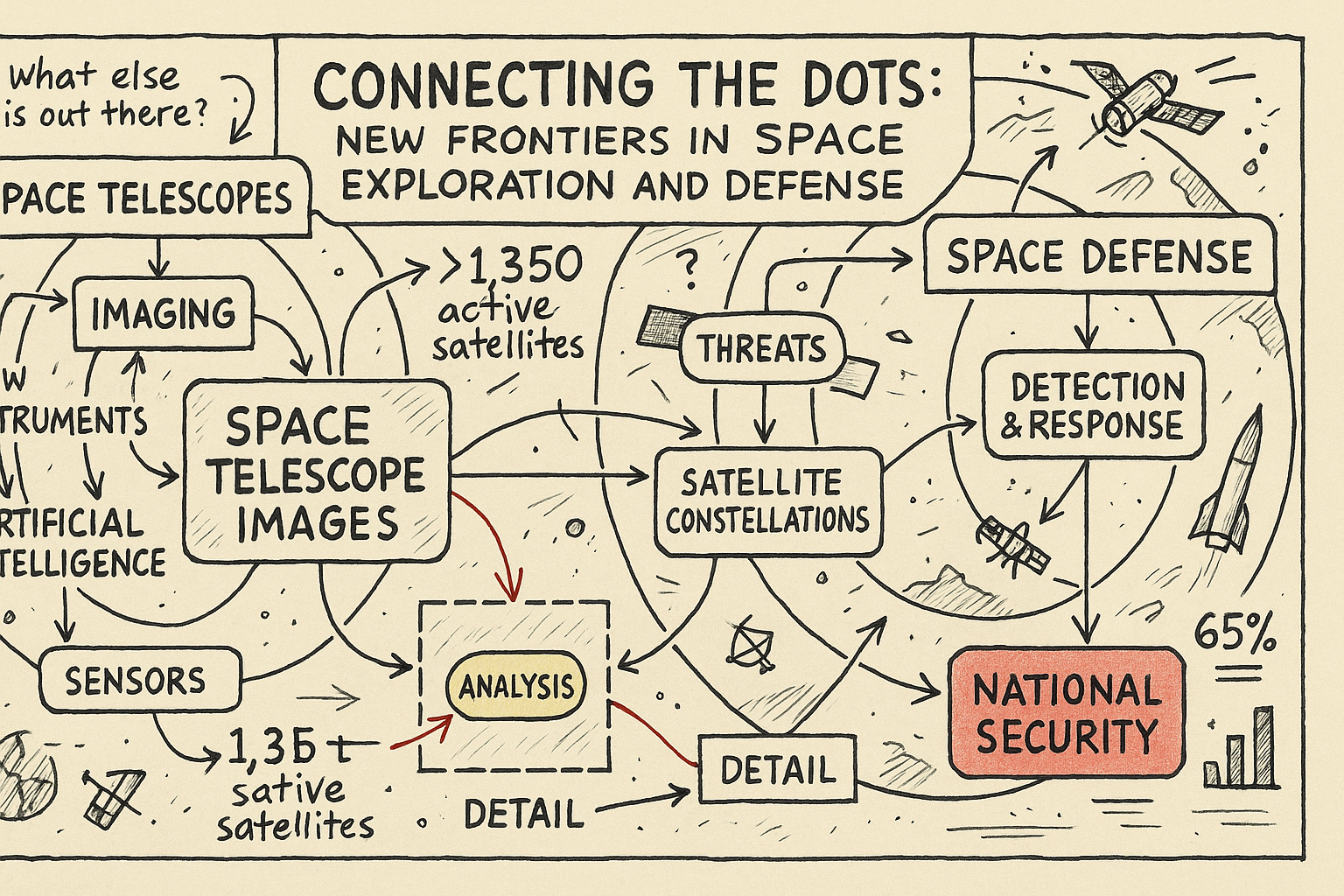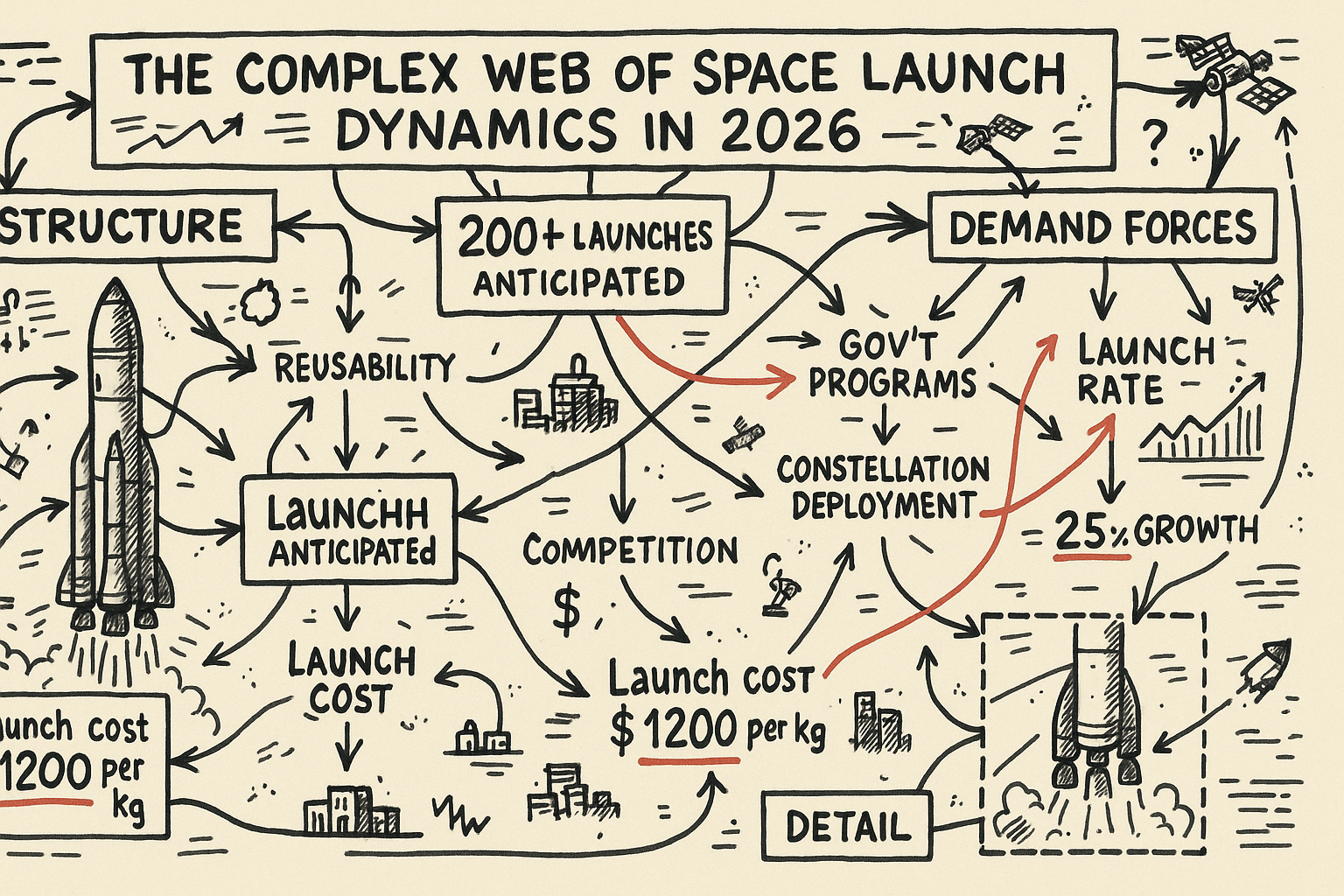
In the rapidly evolving landscape of space exploration, the year 2026 marks a pivotal point, intertwining technological breakthroughs, political dynamics, and ambitious scientific endeavors. This intricate web of factors is shaping the future of space launches, offering both challenges and opportunities for agencies worldwide.
Technological Advancements and Scientific Ambitions
At the forefront of technological advancements, NASA continues to push boundaries with its INCUS mission, which aims to conduct the first space-based survey of tropical convective dynamics. This mission, set to launch in late May 2026, exemplifies the agency's commitment to leveraging cutting-edge technology for scientific discovery. The INCUS satellites, developed by Blue Canyon Technologies, highlight a growing trend of collaboration between governmental agencies and private sector innovators, a synergy that is becoming increasingly crucial in the era of NewSpace.
Moreover, NASA's focus extends beyond Earth, as evidenced by the Artemis program's influence on global events such as the FIFA World Cup. By showcasing space science at the FIFA Fan Festival in Houston, NASA illustrates how space exploration can engage and inspire a global audience, bridging the gap between science and popular culture.
Political Challenges and Organizational Dynamics
However, the path to successful launches is not devoid of obstacles. The Canadian Space Agency's (CSA) recent briefing attempt at the House of Commons was mired by political challenges, revealing a less-discussed facet of space exploration: the intricate role of policy and governance. The briefing, intended to update stakeholders on Canada's space endeavors, was instead overshadowed by political grievances and an AI filibuster, underlining the sometimes-contentious intersection of politics and space exploration.
This event serves as a reminder of the non-technical hurdles that can impede progress in the field. As space becomes an increasingly contested domain, understanding the geopolitical and bureaucratic landscapes becomes as essential as mastering the technological ones.
Bridging Space and Society
Simultaneously, NASA's efforts to engage with the public through educational initiatives, such as virtual interviews with astronauts and live sessions with students, play a crucial role in demystifying space exploration. Such interactions not only foster a deeper public understanding of space missions but also inspire the next generation of scientists and engineers.
For instance, astronaut Anil Menon's prelaunch virtual interviews for his mission to the International Space Station provide an opportunity for the public to gain insights into the human aspect of space missions. These initiatives underscore the importance of transparency and public engagement in maintaining support for space programs.
Future Implications and Strategic Directions
Looking ahead, the interplay of these factors suggests a future where space exploration is increasingly democratized, yet more complex. The integration of advanced technologies with strategic public engagement could redefine the narrative of space exploration, making it more inclusive and multifaceted.
However, the challenges posed by political dynamics and global competition cannot be underestimated. Agencies must navigate these waters carefully, balancing innovation with diplomacy to ensure that space exploration remains a collaborative and peaceful endeavor.
Ultimately, the developments of 2026 highlight a transformative period in space exploration, where the convergence of technology, politics, and public engagement is setting the stage for a new era of launches. As we stand on the cusp of this transformation, the lessons learned and strategies adopted today will shape the trajectory of space exploration for years to come.