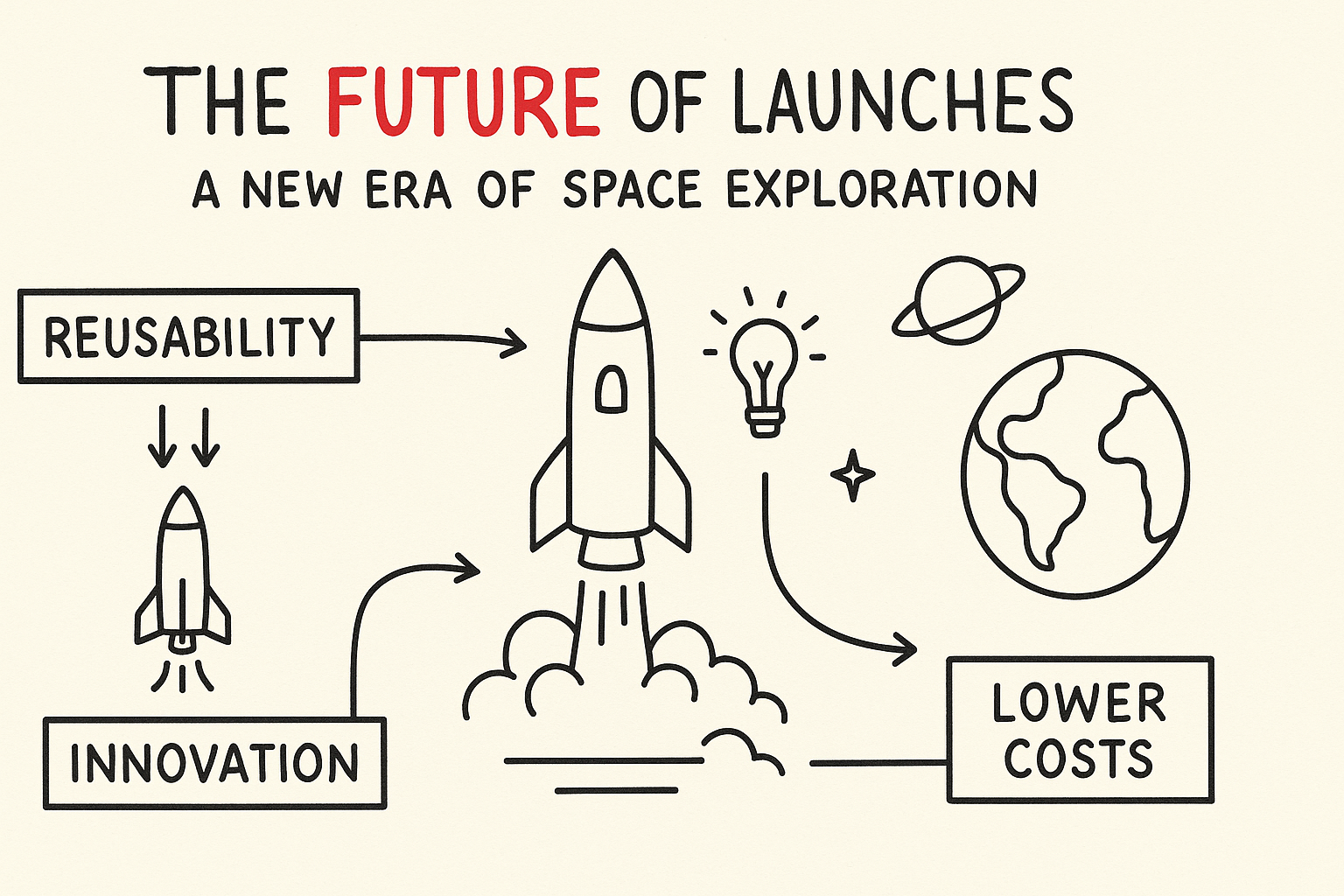
In recent years, the landscape of space exploration has undergone a dramatic transformation, driven by technological advances and the rise of commercial players in the industry. The latest developments in space launches highlight a new era, characterized by innovation, international collaboration, and an increasing focus on sustainability and defense.
The European Space Agency's upcoming launch of the Ariane 6 rocket, carrying a record-breaking payload for Amazon, marks a significant milestone. This mission underscores Europe's ambition to remain a competitive force in the global space market, leveraging its technological prowess to deliver large-scale commercial satellite deployments. The launch is a testament to the capabilities of the Ariane 6, a rocket designed to offer cost-effective and reliable access to space.
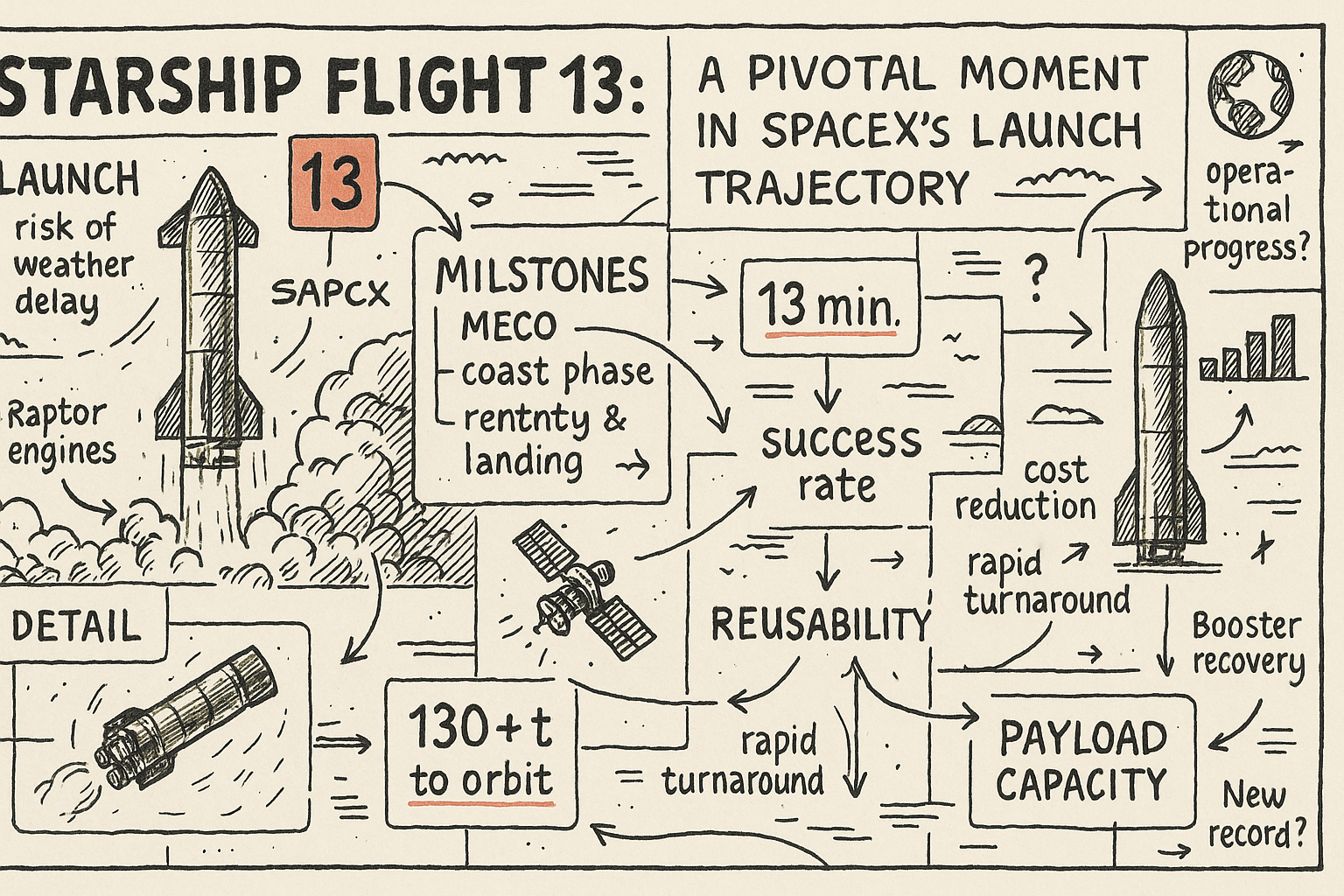
Meanwhile, the recent IPO of SpaceX has brought its ambitious Starship project to the forefront of public attention. SpaceX continues to redefine the boundaries of private spaceflight, with Starship poised to become a linchpin in future missions to the Moon, Mars, and beyond. By going public, SpaceX is not only securing funds to propel its ambitious goals but also democratizing access to space exploration investments.
In Japan, scientists have achieved a remarkable feat by sending a real-life Transformer to the Moon. This innovative approach to lunar exploration involves deploying modular robots capable of transforming to suit various tasks. Such technology could revolutionize the way we explore extraterrestrial surfaces, providing flexible, adaptive tools for scientific research.
Adding another layer to the complexity of space exploration is the growing importance of space surveillance. NorthStar's contract with the Royal Canadian Air Force represents a significant step towards enhancing the security of space assets. As the number of satellites and debris in orbit continues to grow, establishing a robust surveillance network is crucial to prevent collisions and manage space traffic effectively.
These developments are not occurring in isolation. The interconnectedness of space technology with other fields is evident in projects like NASA's use of machine learning to improve flash flood warnings. By integrating satellite data with advanced analytics, NASA is enhancing our ability to predict and respond to natural disasters, showcasing the multifaceted impact of space technology on everyday life.
Furthermore, international collaborations in space applications are yielding promising results, as seen in the Horizon Europe EXPERT project. This initiative, which leverages hyperspectral satellite data for agricultural applications, highlights the potential of space technology to address global challenges such as food security and sustainable agriculture.
Looking Ahead: Challenges and Opportunities
As we look to the future, several challenges and opportunities become apparent. The rapid commercialization of space raises questions about regulation and the sustainable use of space resources. Policymakers will need to address these challenges to ensure that the benefits of space exploration are shared equitably among nations.
Moreover, the integration of advanced technologies, such as machine learning and robotics, into space exploration will require continuous innovation and cross-disciplinary collaboration. The potential for unexpected applications of space technology in fields as diverse as agriculture, defense, and disaster management remains vast.
In conclusion, the current trajectory of space launches and exploration is set to redefine our relationship with space. The interplay between technological advancements, commercial interests, and international cooperation will shape the future of space exploration, opening new frontiers for discovery and innovation.