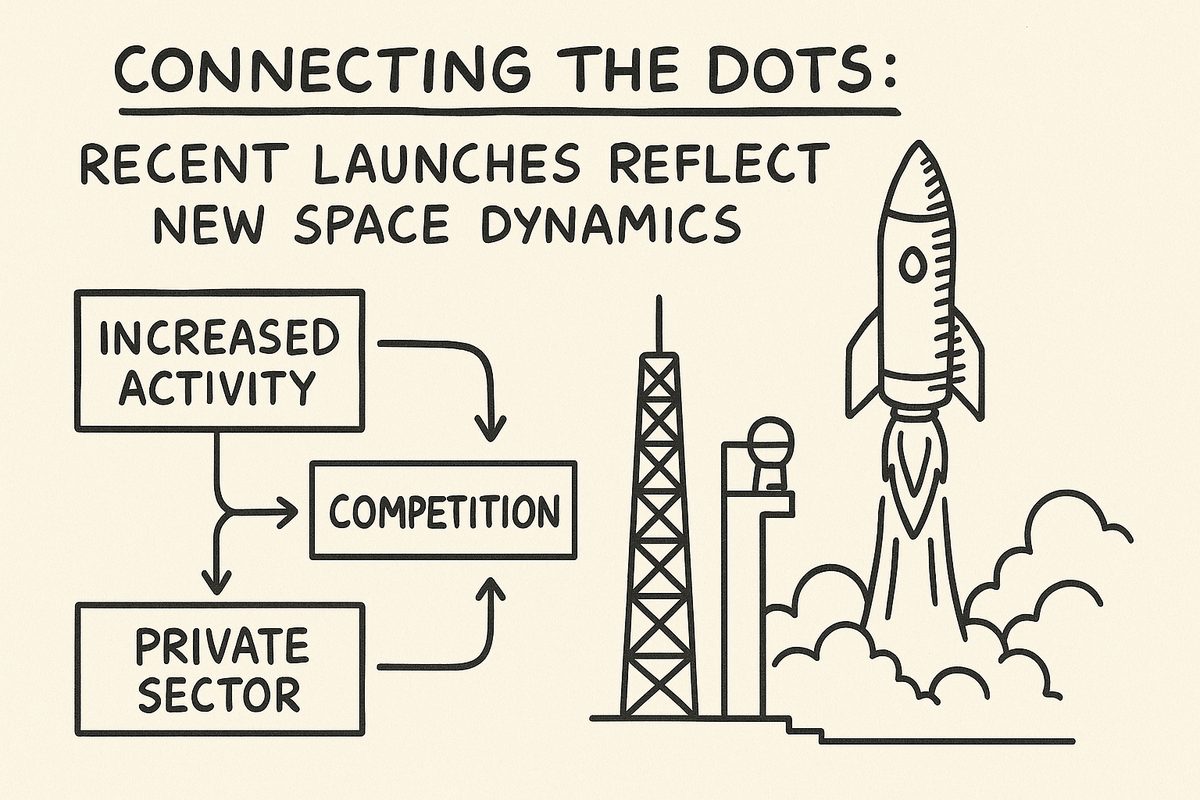
The space sector is witnessing a dynamic transformation with a series of recent launches that underline both the advancing capabilities of modern technology and the shifting priorities in space exploration and defense. These launches underscore the multifaceted nature of our current era of space activities, where commercial ambitions, scientific inquiries, and military imperatives intersect.
Commercial and Scientific Frontiers
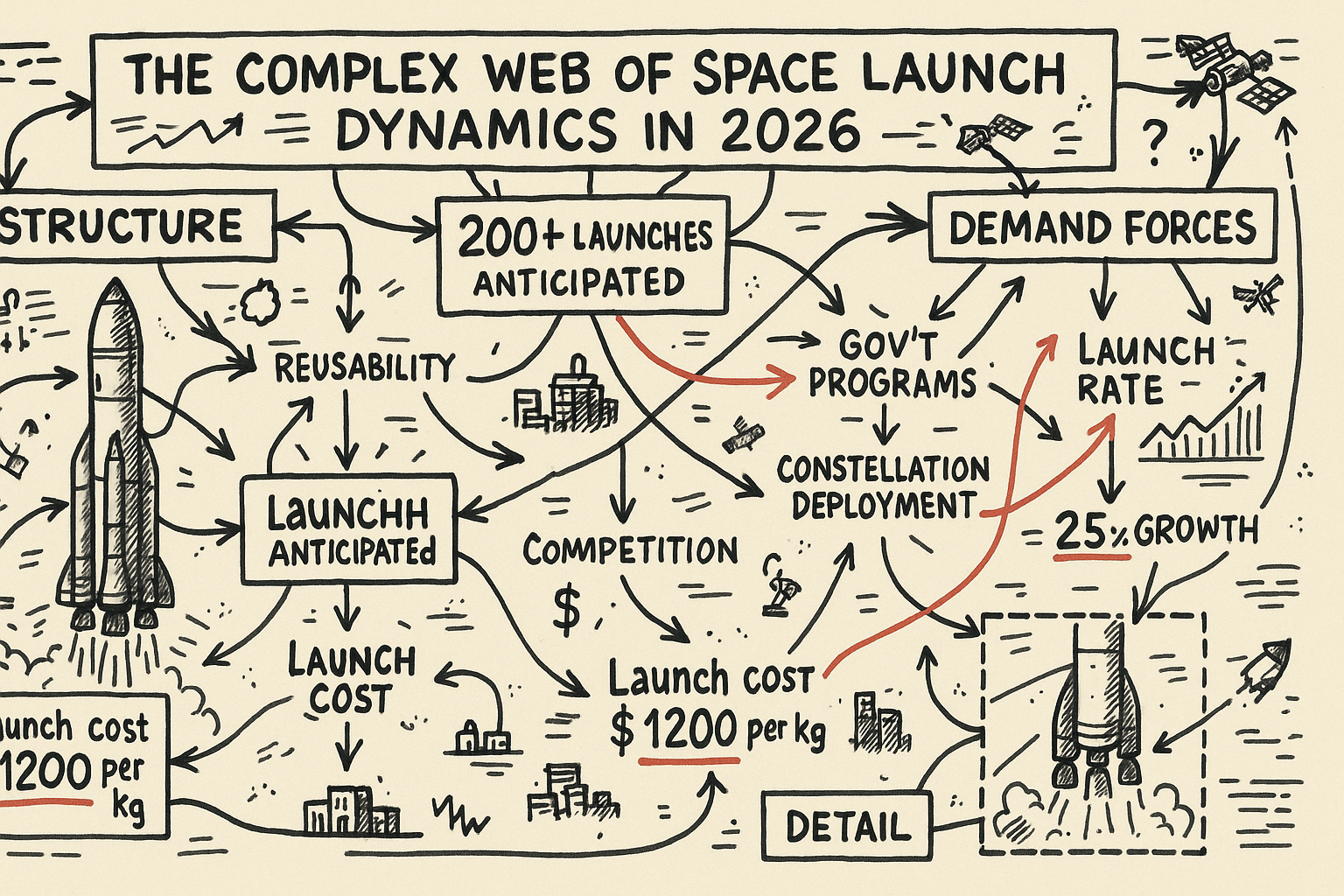
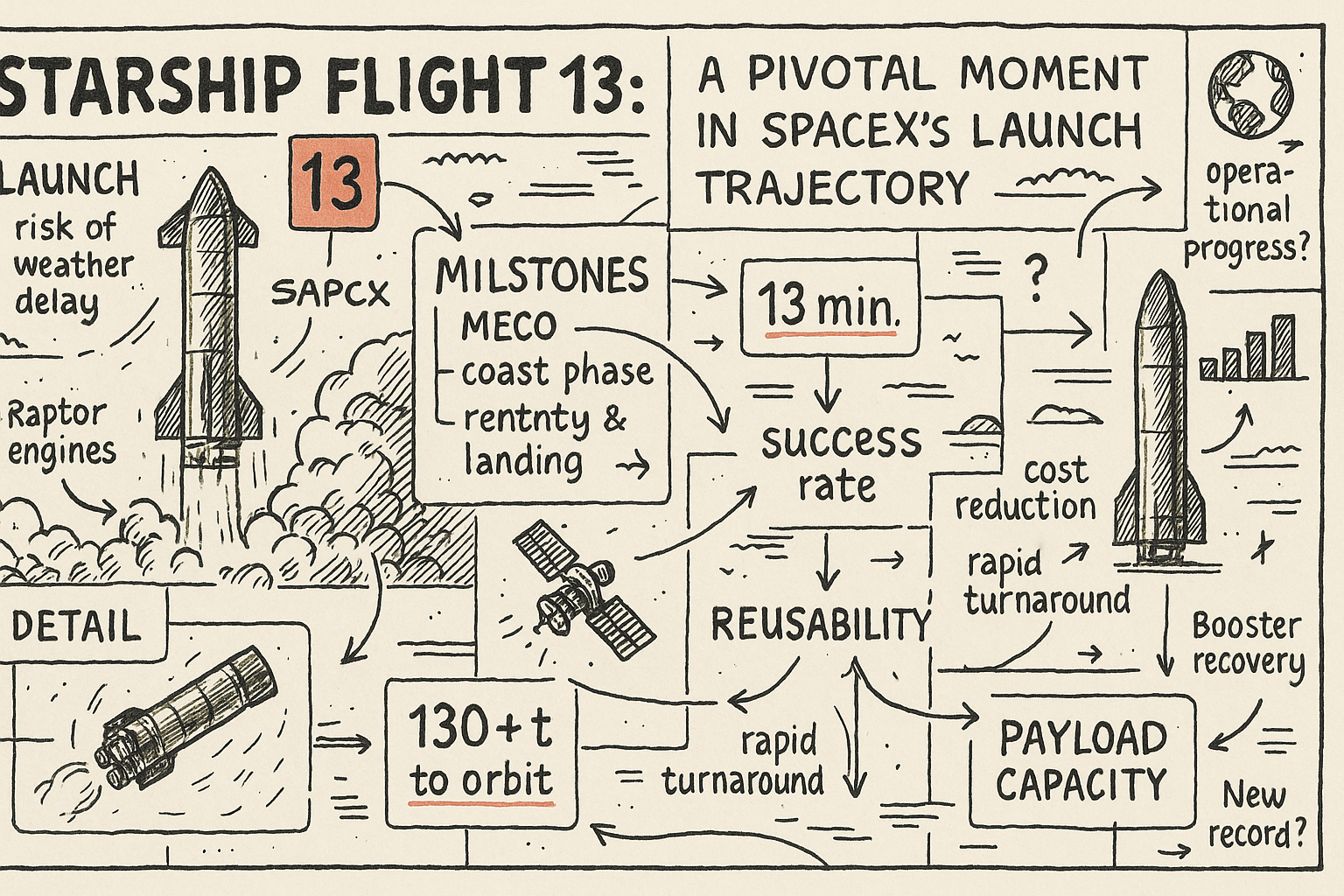
The Starship Flight 12, utilizing the latest Block 3 design, has marked a significant milestone in reusable spacecraft technology. With its launch from Pad 2, SpaceX's Starship continues to push the envelope of what is possible, setting new benchmarks for payload capacities and cost efficiencies. This technological leap not only enhances commercial space travel but also fortifies the infrastructure necessary for deeper space exploration missions, such as Mars colonization.
In parallel, NASA's ongoing efforts to explore Mars, as highlighted by the Curiosity rover's recent activities at 'Campo Marte', reflect the sustained scientific interest in understanding the Red Planet's geology and potential for past life. The strategic pause for drilling activities shows the meticulous planning involved in such missions, emphasizing the importance of in-situ resource utilization for future manned missions.
Defense and Strategic Implications
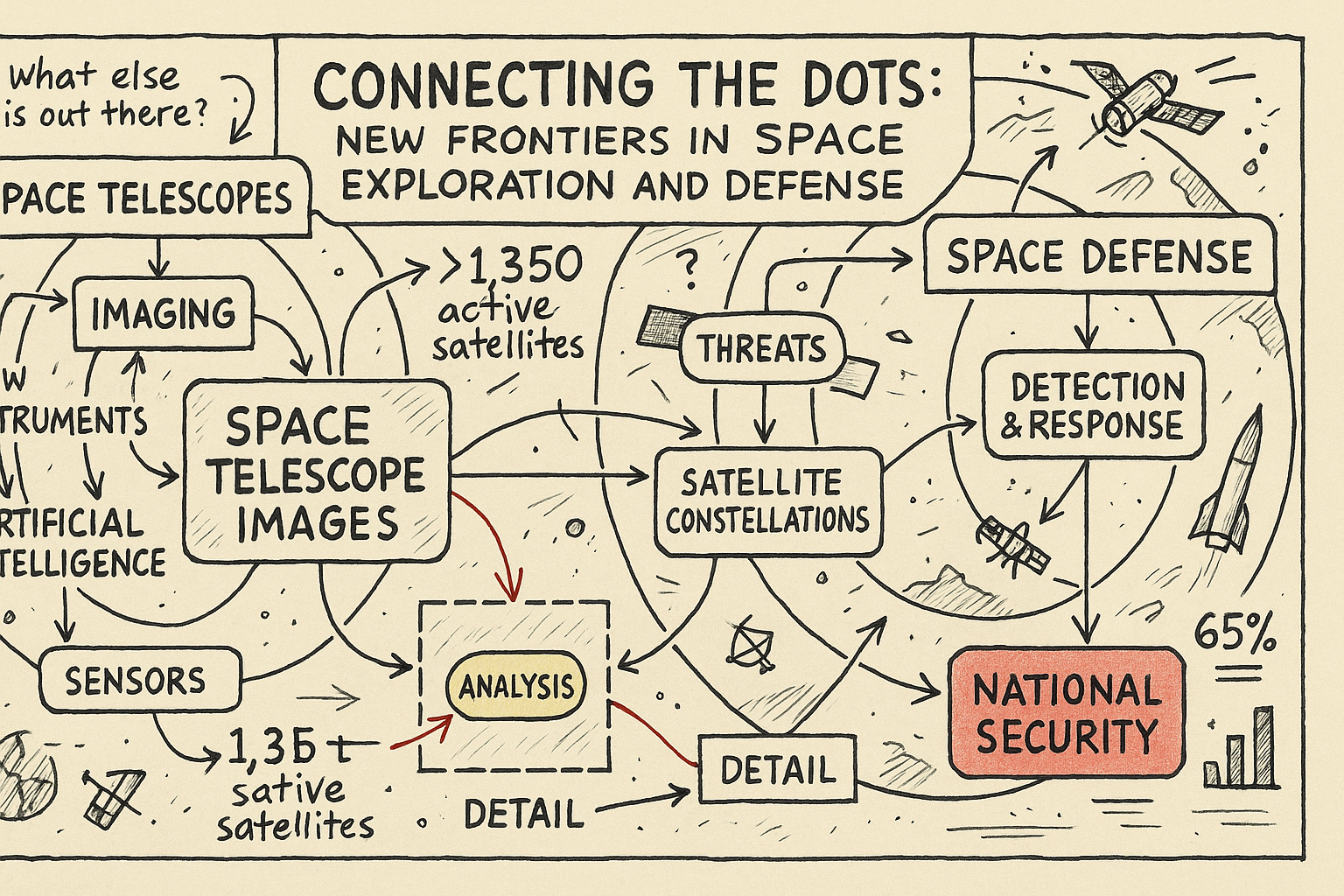
On a different front, the U.S. military's test launch of a nuclear-capable ICBM from California serves as a stark reminder of the strategic role space technologies play in national defense. While space is often seen as a realm of peaceful exploration, this launch underscores its critical importance in global military strategy and geopolitical stability. The ability to test and deploy such capabilities speaks volumes about the ongoing balance of power and the necessity for continued vigilance in international arms control discussions.
Interdisciplinary Challenges and Opportunities
The intersection of these domains presents unique challenges and opportunities. One intriguing proposal is the potential storage of Mars samples on the Moon to prevent any hypothetical contamination of Earth's biosphere by alien microbes. This idea, while seemingly cautious, reflects the broader ethical and safety considerations that must be navigated as we extend our reach into the cosmos.
Additionally, initiatives like the Galaxy Zoo's Clump Scout project illustrate the growing role of citizen science in astronomical research. By engaging the public in identifying star-forming regions, such projects not only democratize space science but also enhance machine learning algorithms, thus accelerating discoveries.
Historical Context and Future Directions
Historically, space exploration has been marked by the dual pursuit of scientific enlightenment and technological prowess. The recent launches continue this tradition but with a modern twist, where commercial, scientific, and military objectives coalesce more than ever before. This synergy is indicative of a future where space activities are no longer siloed but are instead part of a broader, integrated strategy for human advancement.
As we look to the future, the appointment of NASA's 16th Deputy Administrator, Matt Anderson, signals a potential shift in policy direction. With new leadership often comes new priorities, and it will be crucial to watch how NASA balances its various mandates while fostering international collaboration and innovation.
Conclusion
The recent spate of launches is more than a series of isolated events; it is a tapestry reflecting the evolving landscape of space activities. Whether through advancing commercial opportunities, enhancing scientific understanding, or fortifying national security, each launch offers a glimpse into the multifaceted future of space exploration. As we continue to explore these frontiers, the need for comprehensive strategies that integrate diverse objectives will be paramount.