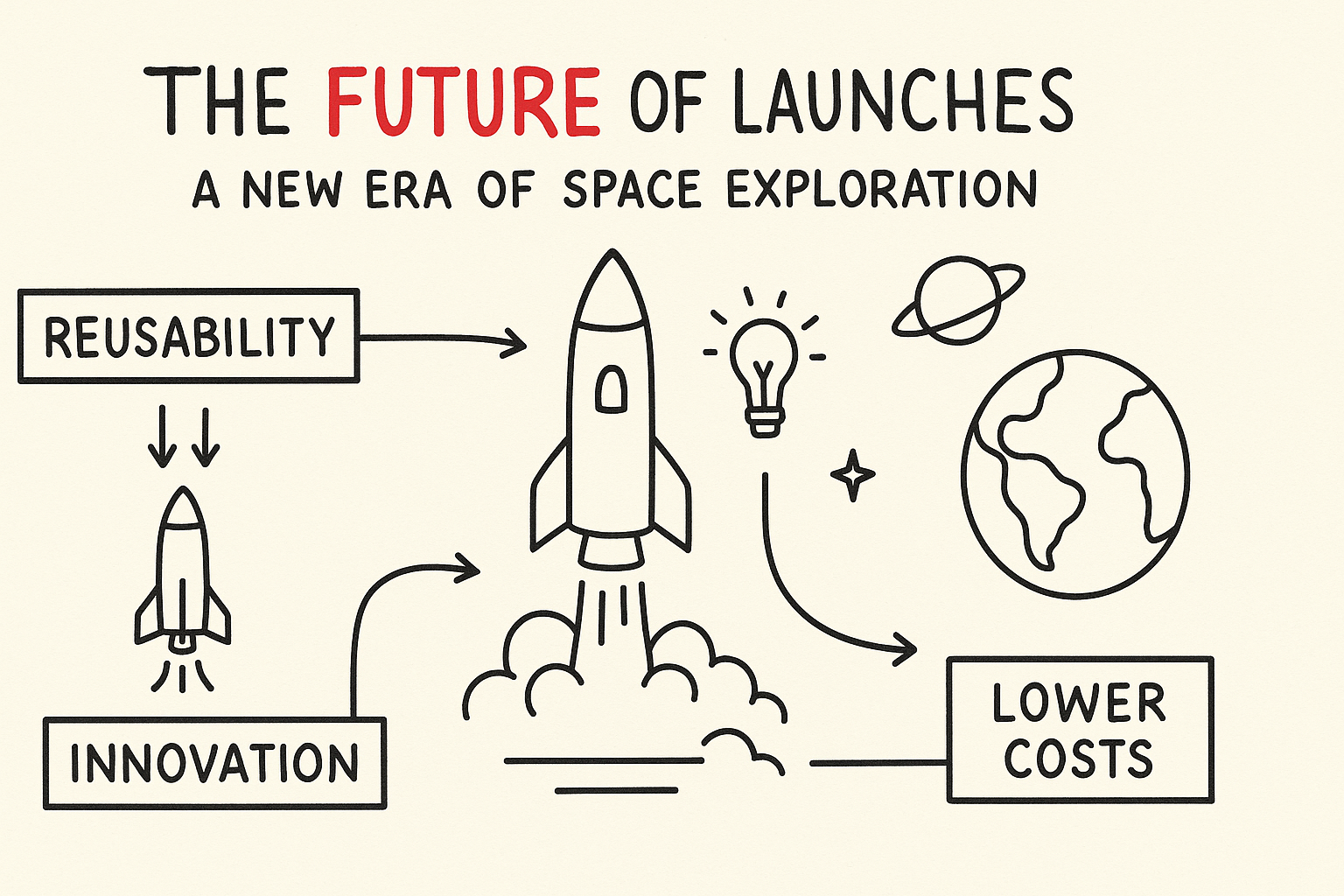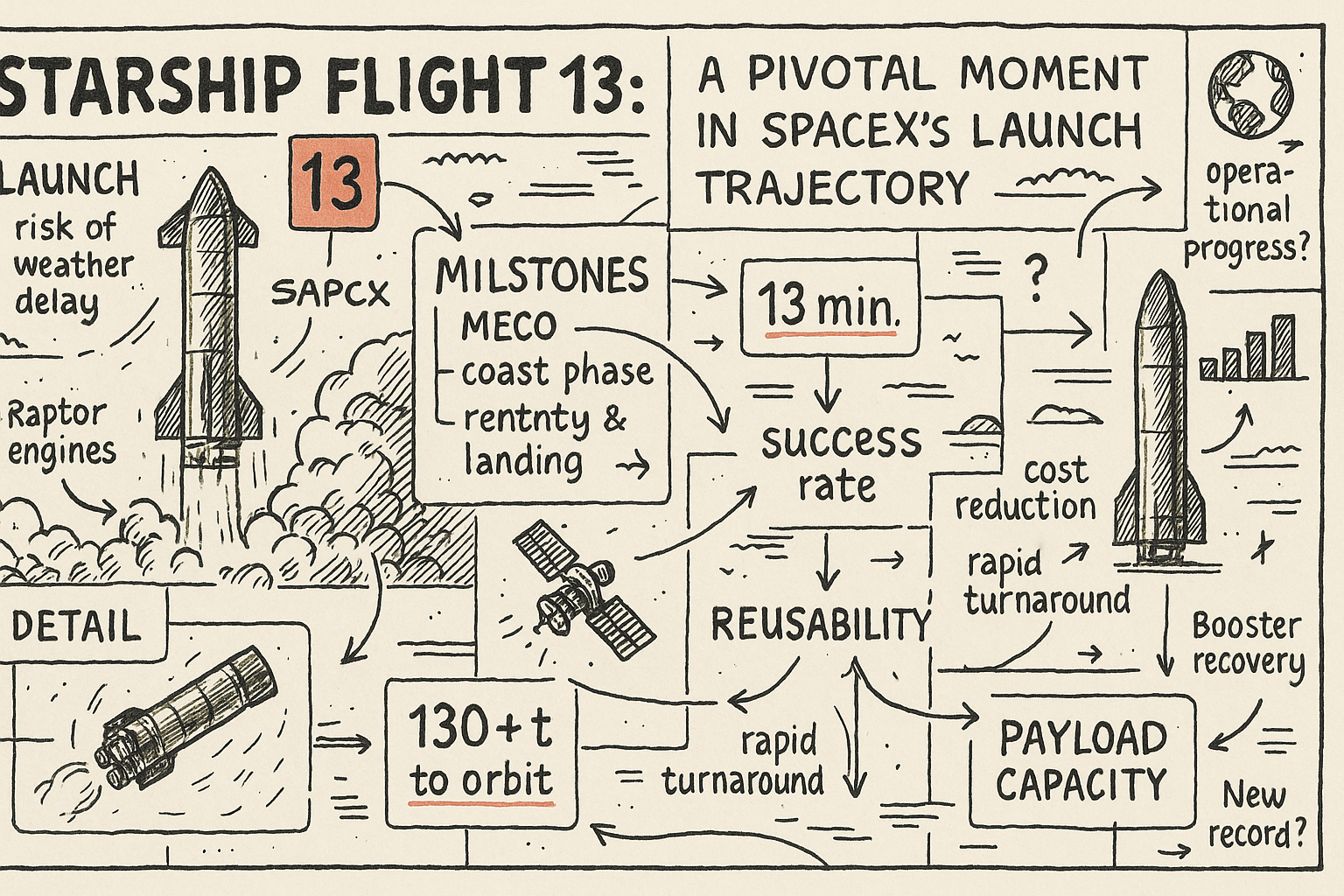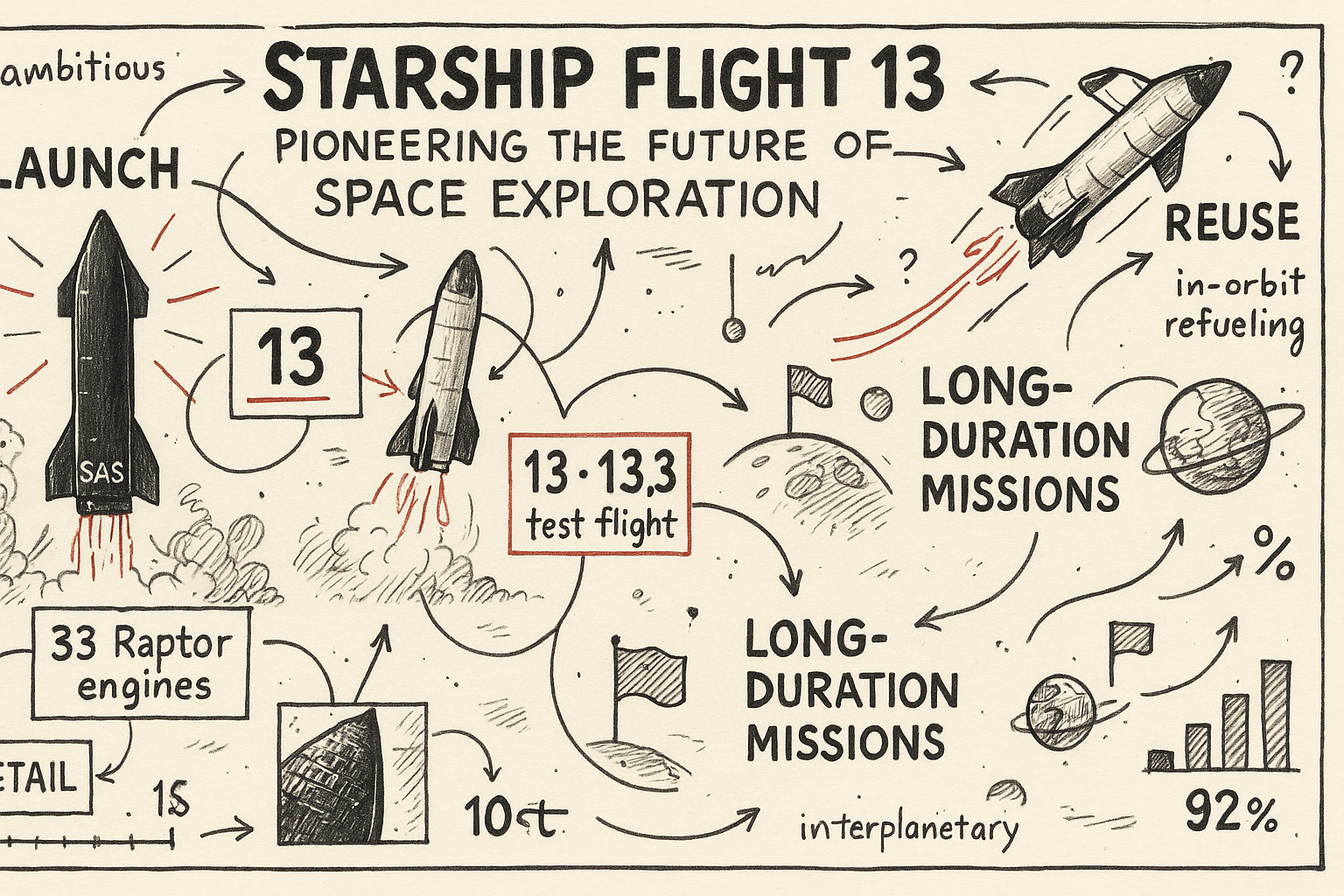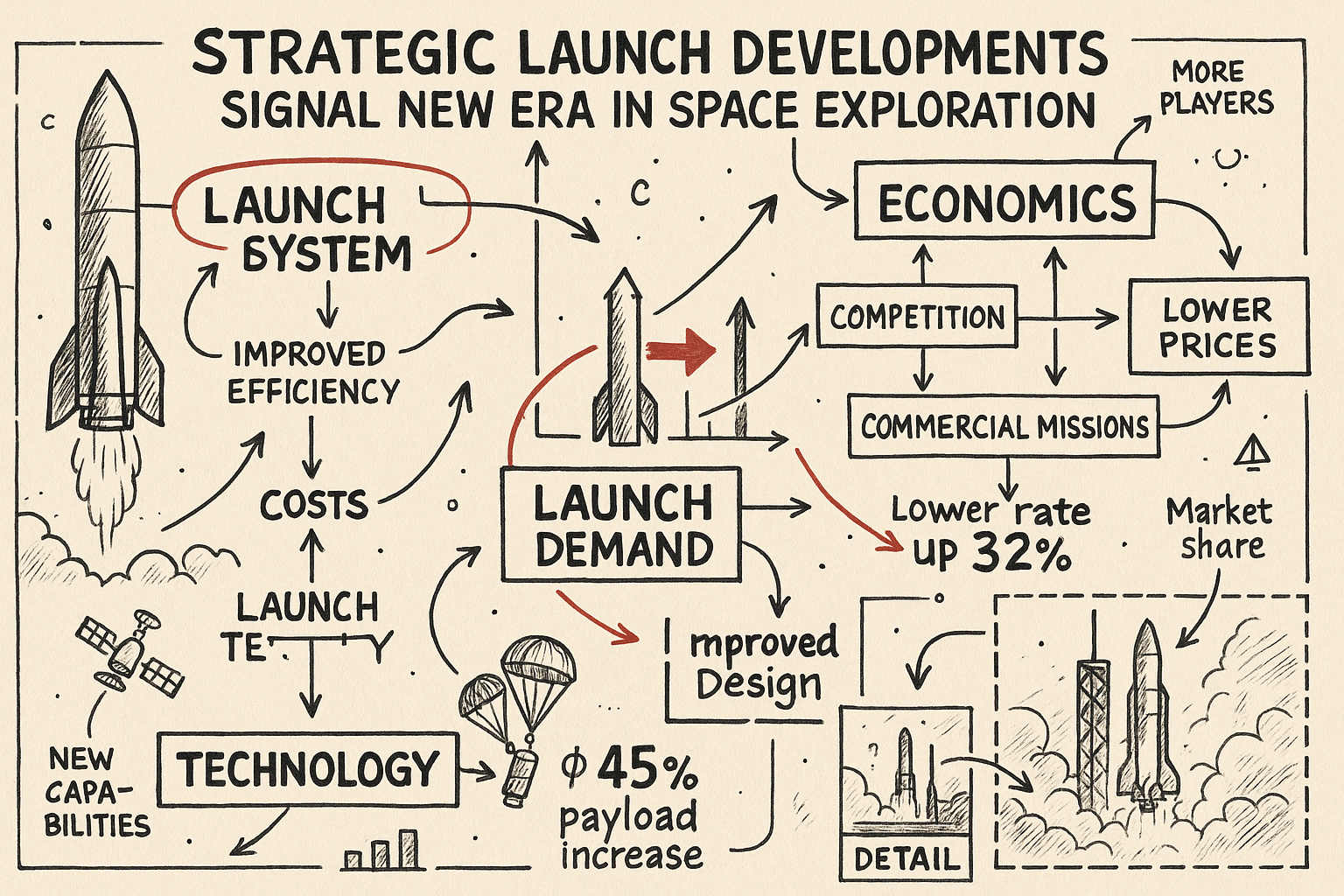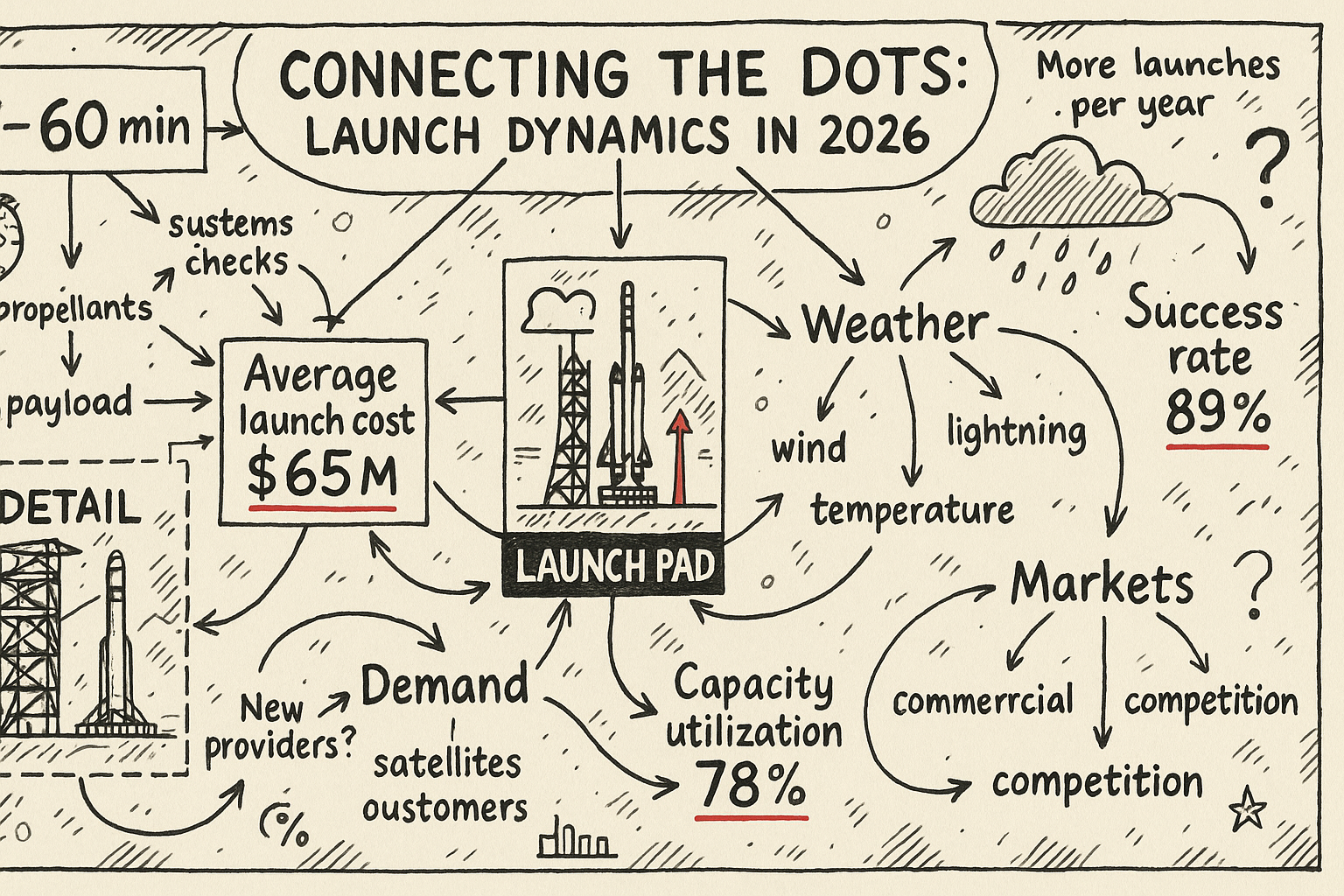
The cosmos is bustling with activity, not just in the stars we gaze at, but also in the launch pads that propel humanity into the vast unknown. Recent developments underscore a pivotal moment in space exploration, where science, commercial interests, and unexpected discoveries converge.
ESA’s Euclid: A Gateway to Galactic Discoveries
The European Space Agency's Euclid telescope recently captured the Milky Way's crowded heart, a landmark achievement that offers a high-resolution glimpse into our galaxy's core. This image, packed with over 60 million stars, not only provides a visual feast but also serves as a tool for scientists to confirm and measure exoplanets' masses through subtle changes in starlight. Such advancements elevate our understanding of the universe's architecture and the potential for life beyond Earth.
Commercial Shifts: Sirius Space at the Helm
In a move highlighting the dynamic shifts within the commercial space industry, Sirius Space has been selected to fill the vacancy at the Guiana Space Centre, left by MaiaSpace's relocation. This decision by CNES marks a strategic allocation of resources and indicates a competitive landscape where new players like Sirius Space can redefine commercial launches. This shift is emblematic of a broader trend where private companies increasingly contribute to, and compete within, the space frontier.
NASA’s Pioneering Missions
NASA's recent discoveries further illustrate the evolving narrative of space exploration. The TESS mission's revelation of the 'puffiest' planets—celestial bodies with densities akin to cotton candy—challenges traditional planetary formation theories. Concurrently, the Perseverance rover's detection of complex carbon on Mars raises thrilling questions about ancient life on the Red Planet. These findings, while scientifically groundbreaking, also highlight the essential role of robust launch capabilities in ensuring mission success.
Unexpected Alliances: Academic and Commercial Collaboration
The extension of the Ad ASTRA workshop deadline by NASA aligns with a broader trend of fostering collaborations between academic research and commercial ambitions. Such initiatives aim to integrate cosmic origin studies with the practicalities of space missions, leading to innovative solutions that benefit both science and industry.
Amidst these developments, Hubble's imaging of a previously thought impossible-to-find galaxy reminds us of the unpredictable nature of space exploration. It serves as a metaphor for the unforeseen challenges and opportunities that space missions often encounter.
Insights and Implications
What emerges from these narratives is a landscape where scientific discovery and commercial enterprise are not mutually exclusive but rather mutually reinforcing. The presence of private entities like Sirius Space and the strategic moves of agencies like ESA and NASA suggest a future where collaboration across sectors could unlock new potential in space exploration.
Furthermore, the allocation of resources to new players and the support for academic workshops indicate a democratization of space access, where diverse stakeholders can contribute to our cosmic understanding. This democratization could lead to faster technological advancements and more inclusive participation in space sciences.
In conclusion, these recent developments suggest that the next frontier of space exploration lies at the intersection of discovery and commerce. As we continue to navigate this complex landscape, the potential for groundbreaking innovations and unforeseen alliances remains vast, promising a future where space is truly the final frontier for all.