The aspirations of NASA's Commercial Crew Program (CCP) to establish reliable and cost-effective crew transportation to the International Space Station (ISS) have encountered notable challenges. A recent report highlights schedule delays, increased costs, and safety concerns as critical issues impacting the program's progress.
Established to end the United States' reliance on Russian Soyuz spacecraft for ISS crew transport, the CCP tasked SpaceX and Boeing with the development of U.S.-based crew transportation systems. These systems were intended to meet NASA’s rigorous human-rating requirements, ultimately ensuring safe and routine flights to the ISS.
However, the program has been marred by delays. According to NASA’s Office of Inspector General (OIG), both SpaceX and Boeing have faced hurdles that have pushed back the timelines for their respective projects. SpaceX, despite its relative success with the Crew Dragon spacecraft, has encountered technical challenges that have occasionally delayed scheduled missions. Boeing’s CST-100 Starliner, on the other hand, has faced more significant setbacks, including issues identified during uncrewed test flights.
The delays have had a cascading effect on the program's budget. Cost overruns have become a persistent issue, with both companies requiring additional funding to address technical hurdles and ensure compliance with NASA's safety standards. The OIG report indicates that these financial and temporal setbacks could impact the program's long-term sustainability and its ability to meet the objective of routine ISS crew rotations.
Safety remains a paramount concern for NASA, especially following high-profile incidents in the history of human spaceflight. The program's emphasis on safety is underscored by rigorous testing and certification processes that both SpaceX and Boeing must undergo. The OIG notes that while SpaceX has made significant strides in refining its safety protocols, Boeing continues to work through outstanding safety issues, which have contributed to its delays.
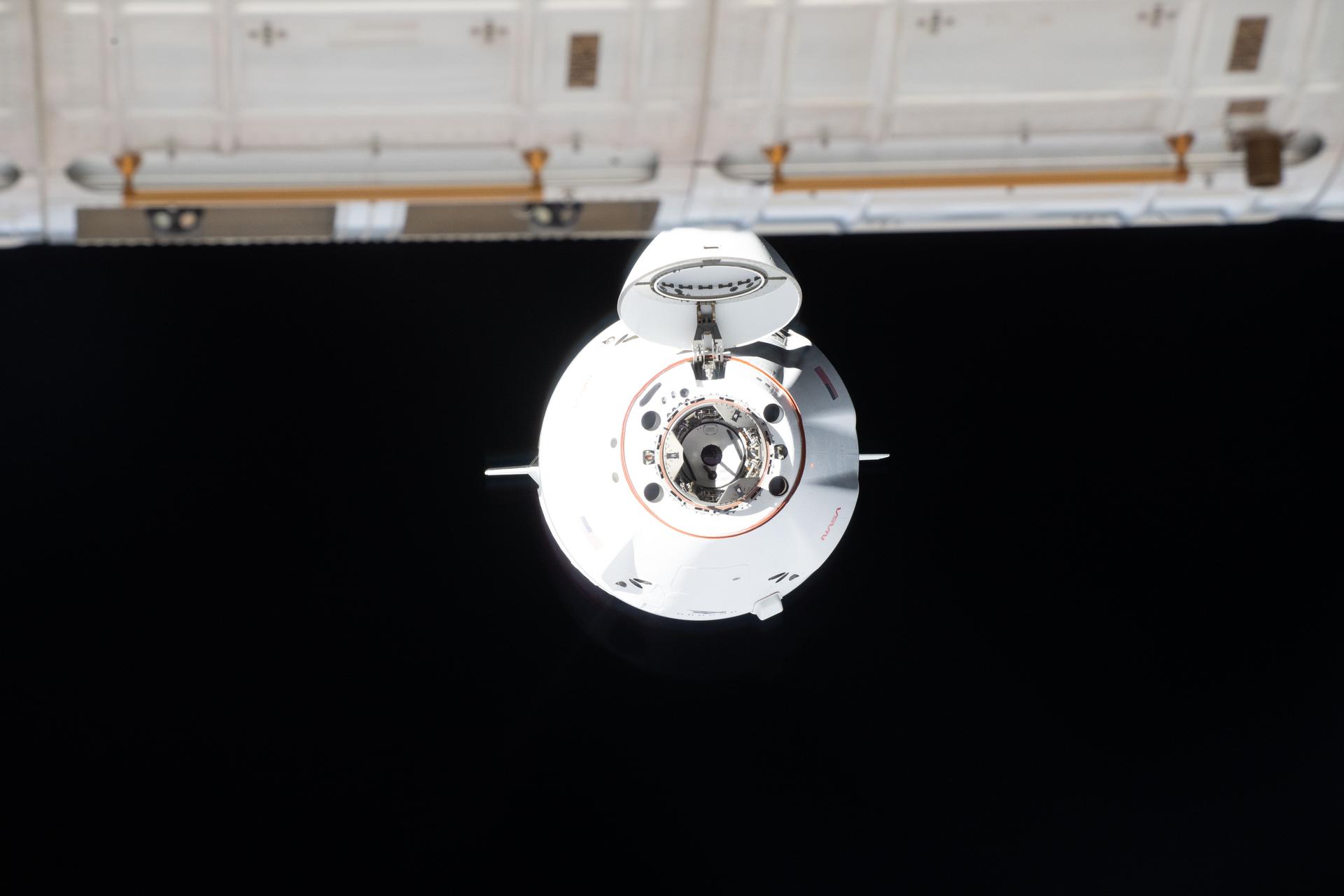
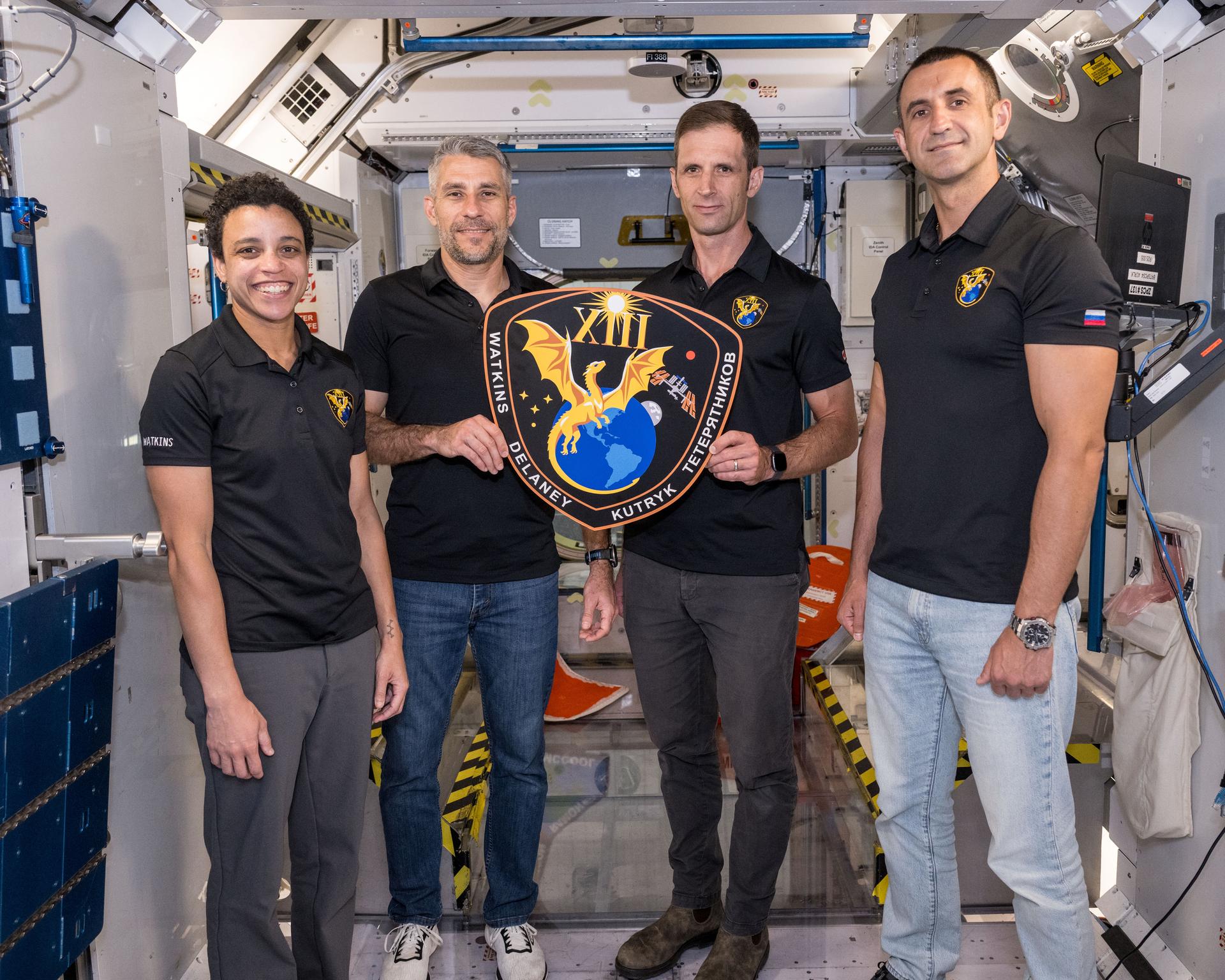
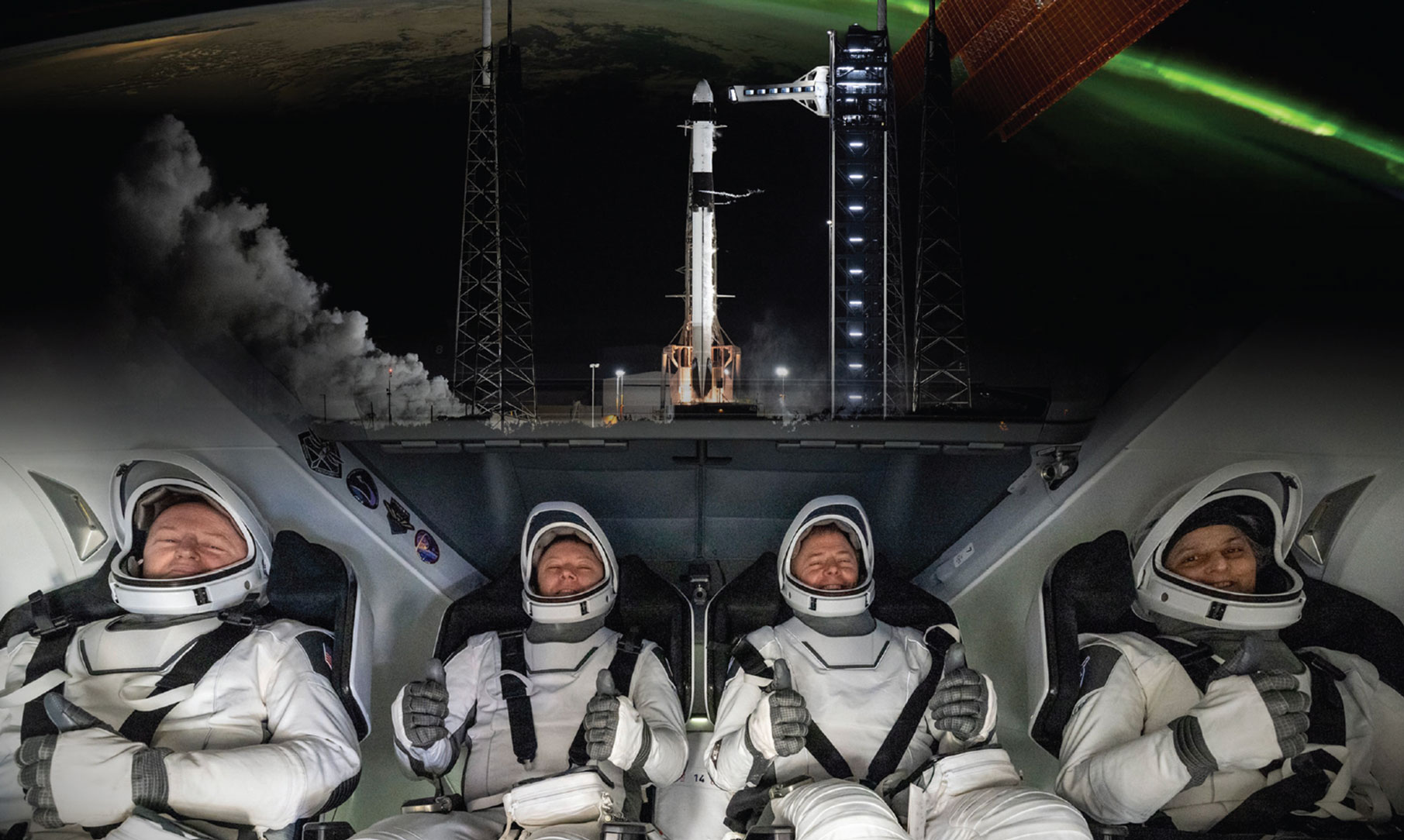
Despite these challenges, the CCP has achieved milestones that demonstrate its potential. SpaceX's Crew Dragon has successfully completed several crewed missions to the ISS, marking a significant step forward for commercial spaceflight. These missions not only highlight the feasibility of private sector involvement in human spaceflight but also underscore the potential for reducing costs and increasing access to space.
The implications of these developments are far-reaching. A successful Commercial Crew Program would not only enhance the United States' capabilities in low Earth orbit operations but also serve as a foundation for future exploration missions, potentially extending to the Moon and Mars. The collaboration between NASA and private companies like SpaceX and Boeing exemplifies a growing trend toward public-private partnerships in space exploration.
Looking forward, NASA remains committed to the CCP's goals, despite the current challenges. The agency continues to work closely with SpaceX and Boeing to resolve outstanding issues and ensure that both spacecraft meet the necessary safety standards for human spaceflight. As the CCP evolves, its success could pave the way for broader commercial participation in space, ultimately contributing to a more competitive and innovative space industry.