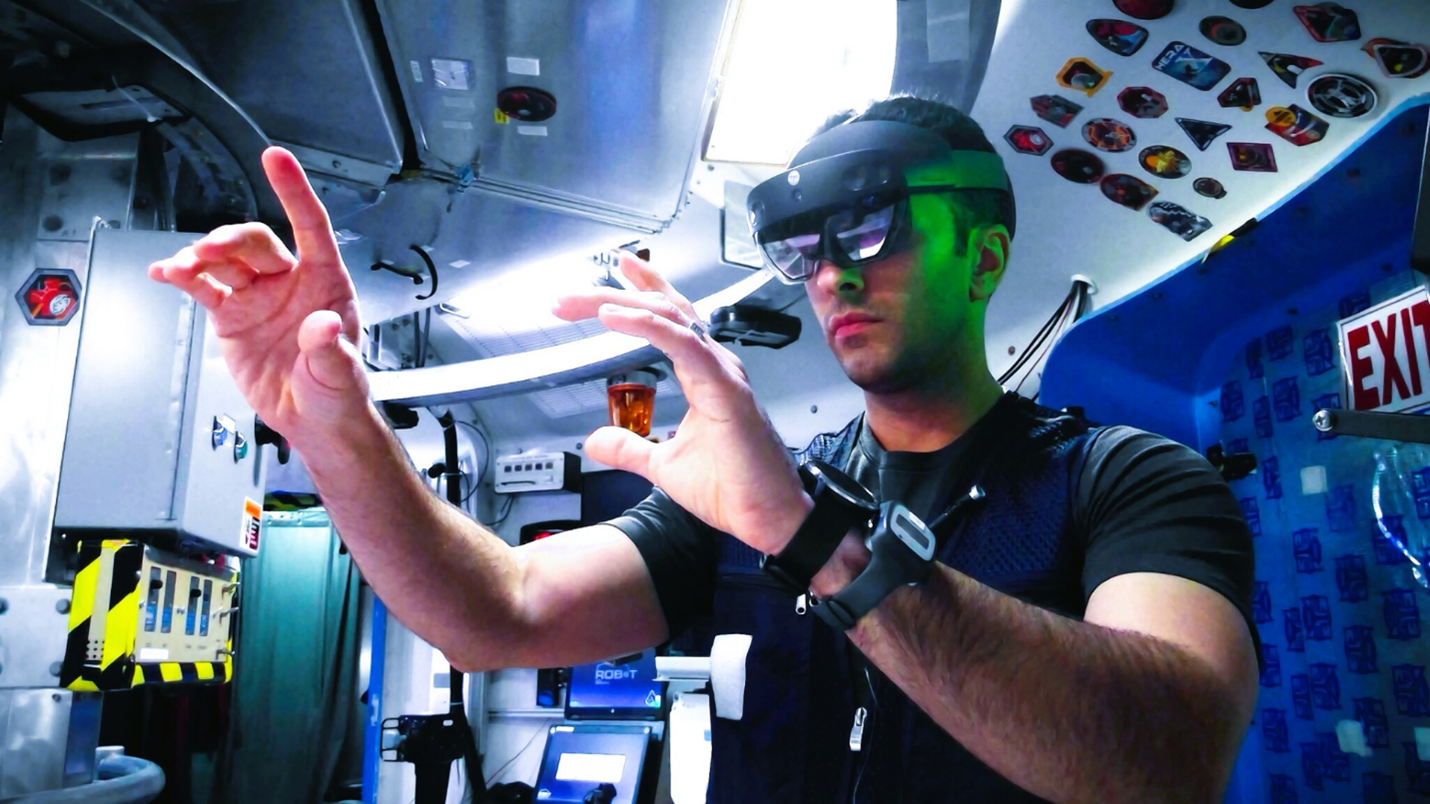
As humanity prepares for its next giant leap into the cosmos, NASA has announced a call for volunteers to participate in a groundbreaking yearlong simulated mission. This ambitious project is designed to mimic the conditions of living on the Moon and Mars, with the aim of better understanding the challenges and requirements of long-duration space travel.
NASA's latest initiative is part of the agency's continued efforts to prepare for manned missions beyond low Earth orbit. The simulated mission will take place in a controlled environment that replicates the habitat and operational conditions astronauts may encounter on the Moon or Mars. This initiative is crucial for gathering data on human health and performance in space, which will inform the design of future missions and habitats.
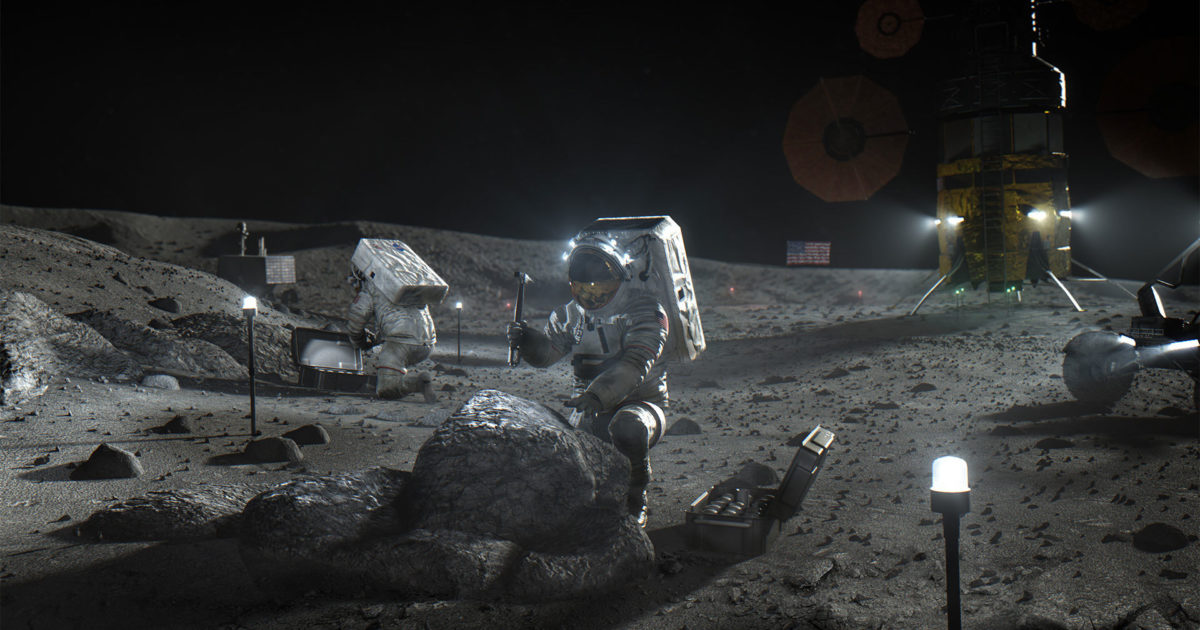
The simulation will involve a select group of volunteers who will be isolated in a habitat designed to emulate the physical and psychological conditions of a space mission. The participants will engage in various tasks that will simulate daily life and work on the lunar or Martian surface. This includes conducting scientific research, maintaining equipment, and managing resources like food, water, and energy.
One of the primary goals of the simulation is to study how humans adapt physically and mentally to extended periods of isolation and confinement. These insights are essential for ensuring the well-being and productivity of astronauts during actual missions. The volunteers' responses to stress, their problem-solving abilities, and their social dynamics will be closely monitored throughout the yearlong mission.
NASA's dedication to simulating extraterrestrial conditions is not new. The agency has a history of conducting analog missions, such as the HI-SEAS (Hawaii Space Exploration Analog and Simulation) and NEEMO (NASA Extreme Environment Mission Operations), to study human factors in space exploration. These simulations have been instrumental in refining life support systems, mission planning, and crew selection processes.
The upcoming simulation is particularly timely as NASA continues to develop the Artemis program, which aims to return humans to the Moon by the end of the decade and establish a sustainable presence. Lessons learned from the simulated mission will play a critical role in the success of Artemis and the eventual exploration of Mars.
Volunteers interested in participating in the simulation will undergo a rigorous selection process. Candidates must meet specific health and fitness criteria and demonstrate the ability to work effectively in a team under challenging conditions. This selection process is designed to identify individuals who can handle the demands of space travel, mirroring the criteria used for selecting astronauts.
The insights gained from this simulated mission will not only benefit NASA's exploration goals but also contribute to broader human knowledge. Understanding how the human body and mind adapt to extreme environments has implications for other fields, such as medicine, psychology, and engineering.
This simulation is a testament to NASA's commitment to pushing the boundaries of human exploration. By simulating the conditions of living and working on the Moon and Mars, NASA is laying the groundwork for future missions that will expand our presence in the solar system and deepen our understanding of the universe.
As NASA embarks on this new chapter of exploration, the agency continues to invite the public to engage with and support its mission. The call for volunteers is an opportunity for individuals to contribute directly to the future of space exploration.