Space exploration continues to advance at a remarkable pace, with significant developments spanning rocketry, human spaceflight, and deep astronomical research. From SpaceX's latest Starship milestones to breathtaking imagery captured by the Artemis 2 crew and cutting-edge efforts to unravel the mystery of dark energy, the past weeks have delivered a wealth of progress worth examining in detail.
SpaceX Starship: Booster 19 Fires Up for Flight 12
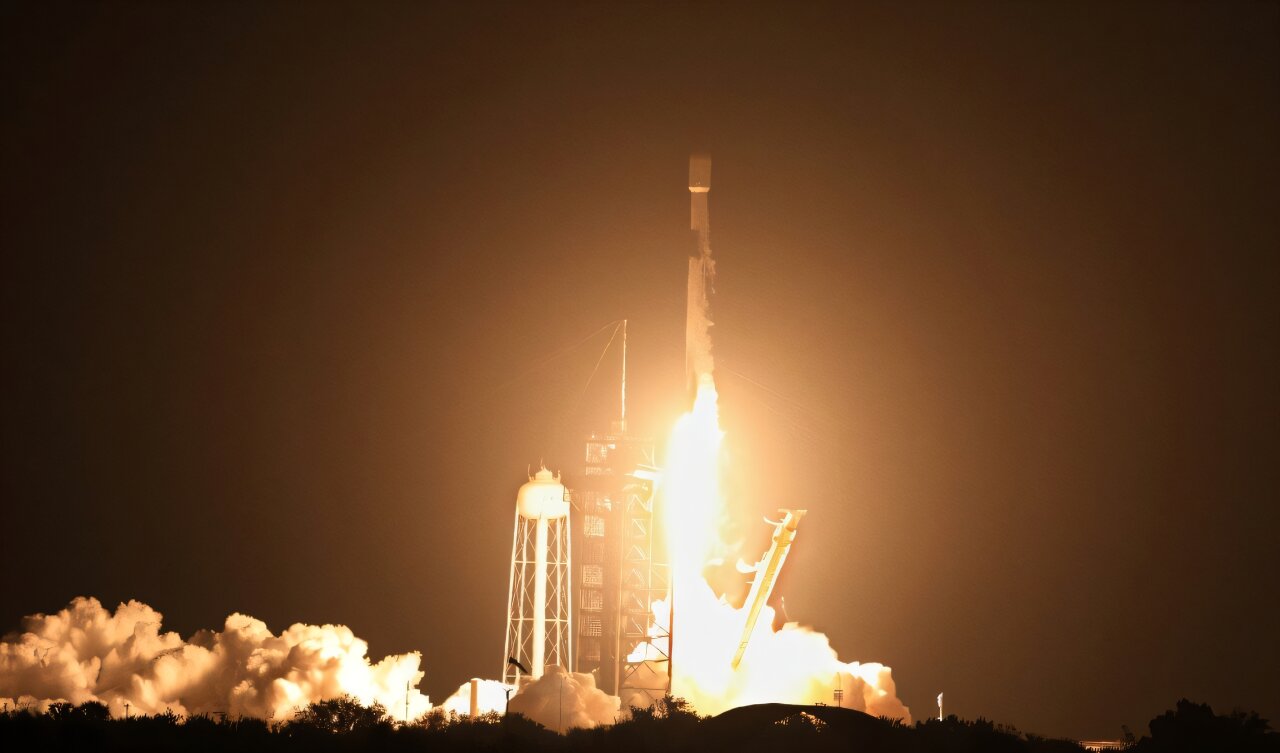
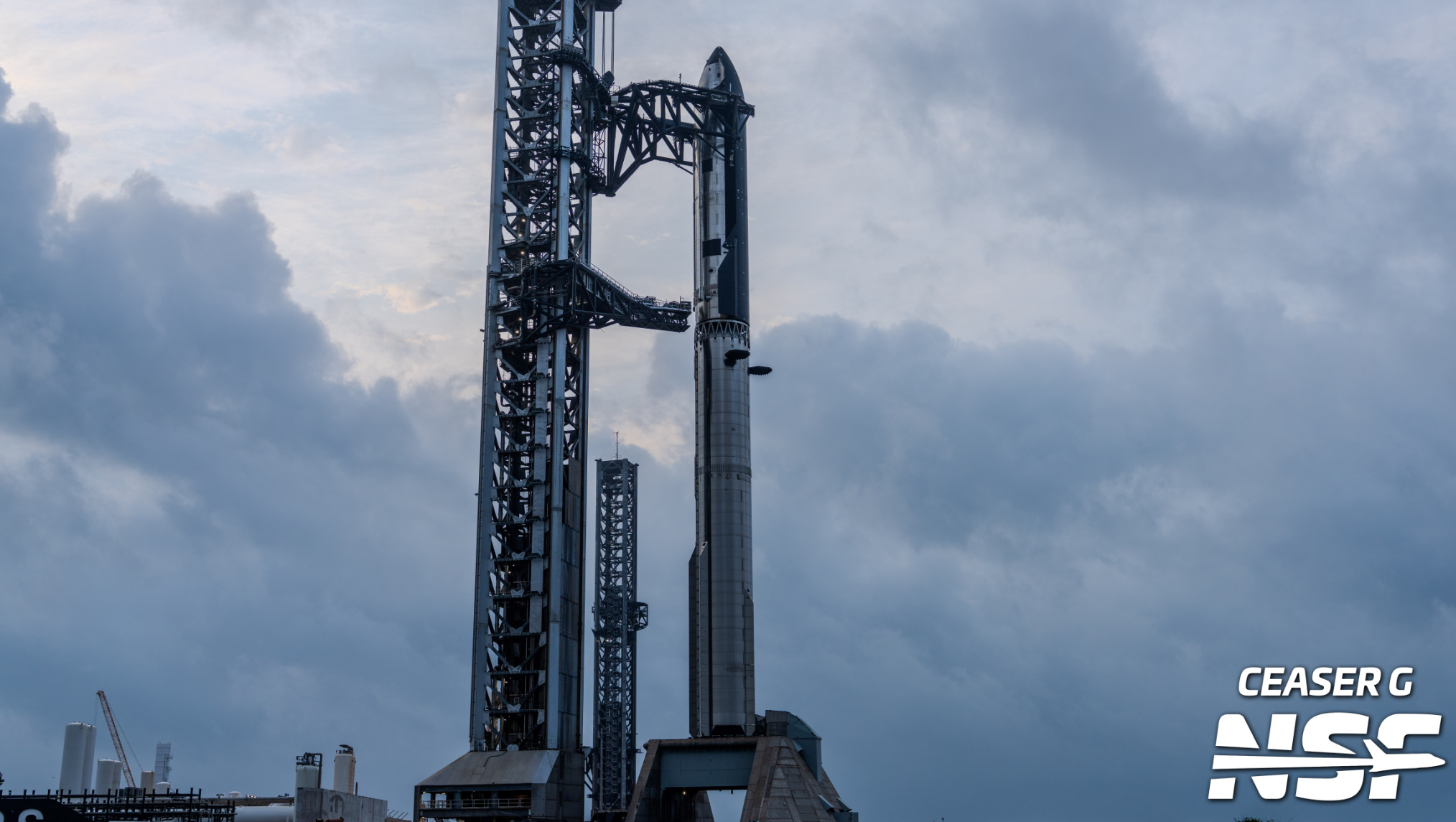
On May 7, 2026, SpaceX's Booster 19 successfully completed a full-duration, full-thrust 33-engine static fire, as reported by NASASpaceFlight.com. This critical milestone represents a major step in preparations for Full Stack Flight 12, which will pair Booster 19 with Ship 39. Prior to the static fire, the stack underwent a Wet Dress Rehearsal following a scrubbed attempt the previous Saturday, a standard part of SpaceX's rigorous pre-flight verification process.
Booster 19 also features several notable modifications compared to earlier iterations. Engineers applied a full factory paint application to the booster, serving both thermal protection and aesthetic purposes. Additional protective covers were installed across key sections, and reinforced structural areas were incorporated to improve overall durability. These refinements reflect SpaceX's ongoing iterative engineering philosophy, using each vehicle to address lessons learned from previous flights. The combination of hardware improvements and successful engine testing positions the Full Stack Flight 12 campaign as one of the most technically prepared Starship missions to date.
Artemis 2: Earth Through the Eyes of Astronauts
While the Artemis 2 mission was fundamentally a lunar journey, it also produced some of the most stunning imagery of Earth seen in decades. The mission launched on April 1, 2026, and returned to Earth on April 10, 2026, sending four astronauts around the moon — NASA's Reid Wiseman (commander), Victor Glover (pilot), Christina Koch (mission specialist), and Jeremy Hansen of the Canadian Space Agency. It marked the first time astronauts had left low Earth orbit since 1972, when Apollo 17 landed two people on the lunar surface.
Earlier this month, NASA released an archive of 12,000 photos captured by the crew, offering the public an extraordinary visual record of the mission. A timelapse video assembled from a selection of these images showcases satellites glinting just above Earth's rim, vivid auroras shimmering at the edge of the atmosphere, and sweeping views of our planet transitioning between day and night. The footage offers a visceral sense of the crew's perspective as Earth slowly swept into view — and then receded into darkness.
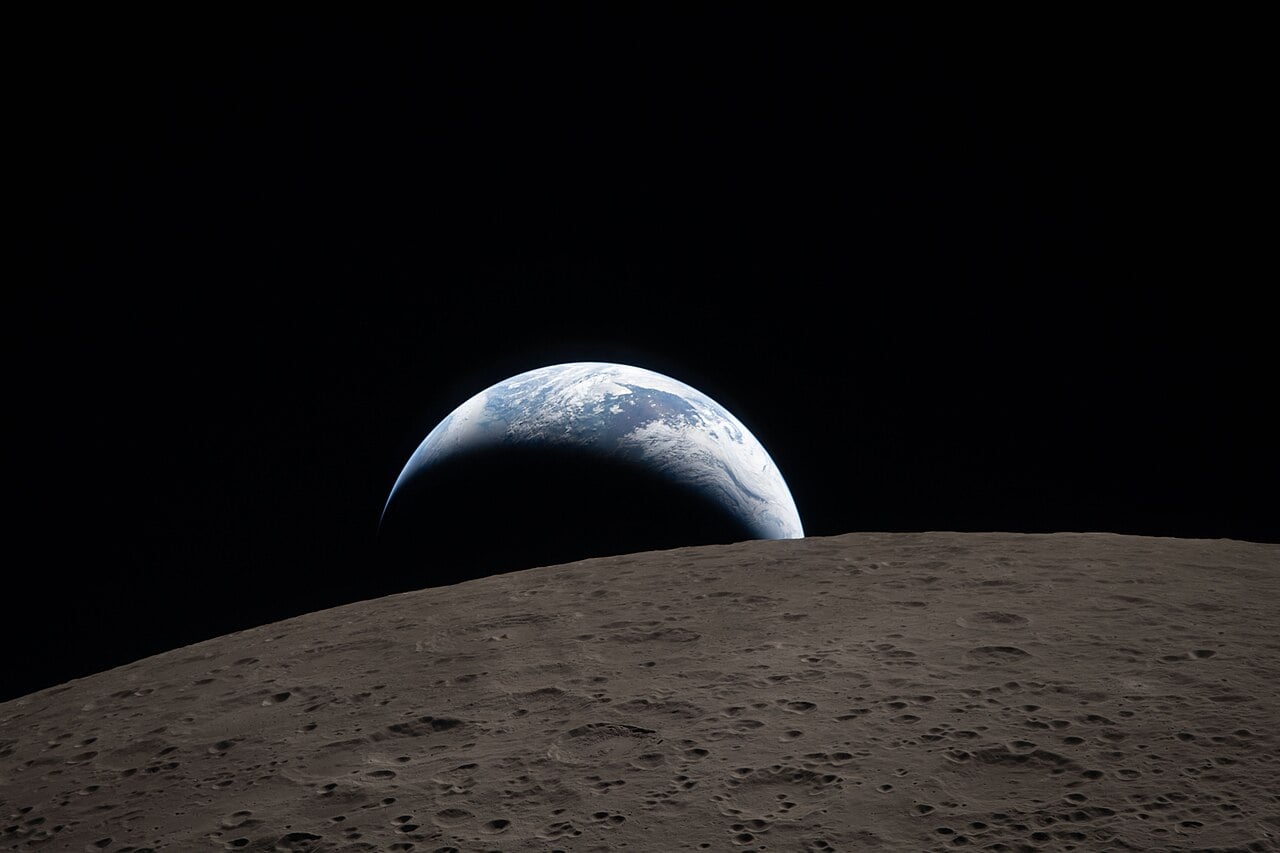
One of the mission's most celebrated images came on Flight Day 6, when the crew captured an "Earthset" during their flyby of the moon's far side. Photographed at 6:41 p.m. EDT (2241 GMT) on April 6, the image showed only a thin crescent of Earth, a deliberate nod to the iconic "Earthrise" photograph taken by Apollo 8's Bill Anders during Christmas 1968. These images serve not only as artistic achievements but as powerful reminders of Earth's fragility and beauty when viewed from the depths of space.
Rubin Observatory and the Hunt for Dark Energy's Secrets
In the realm of astronomy, the Vera C. Rubin Observatory is poised to transform our understanding of dark energy — the mysterious force accelerating the universe's expansion in every direction. Scientists are now deploying a novel combination of artificial intelligence and Rubin Observatory data to take a fresh look at so-called "standard candles": Type 1a supernovas, which are explosions triggered by white dwarf stars that feed on stellar companions like cosmic cannibals.
Type 1a supernovas are integral to measuring distances across the universe, and by extension, to understanding the rate at which dark energy is driving cosmic expansion. The research team's approach introduces what is known as a combined inference and galaxy-related standardization, or CIGaRS, framework. Unlike conventional spectroscopic methods that analyze light signatures, CIGaRS examines actual images alongside mathematical analysis. This allows astronomers to determine the age and concentration of heavy elements — referred to collectively as "metals" in astronomy — within the exploding stars, enabling more precise distance measurements.
Research team member Raúl Jiménez of the University of Barcelona explained the power of this computational approach: "A powerful way of modeling the universe is to simulate it in the computer. This provides a way to vary all possible parameters at the same time to predict what universe we live in. Furthermore, by having this capacity, one can look into possible 'unknown unknown' systematics to understand their effect. The impact of these systematics in our inference is arguably the most important missing ingredient in current approaches."
By hunting for these "unknown unknowns," scientists hope to identify missing ingredients in humanity's current recipe for understanding the cosmos — potentially reshaping our fundamental models of how the universe works.
A Promising Horizon for Space Exploration
Taken together, these developments paint a vivid picture of a field advancing on multiple fronts simultaneously. SpaceX continues to refine the world's most powerful rocket system, NASA's Artemis program has already returned humans to the vicinity of the moon for the first time in over 50 years, and ground-based observatories are pushing the boundaries of cosmological science. As space agencies and private companies continue to build on these milestones, the coming months and years promise even greater discoveries.
Stay up to date with the latest space news at NovA mAInd.