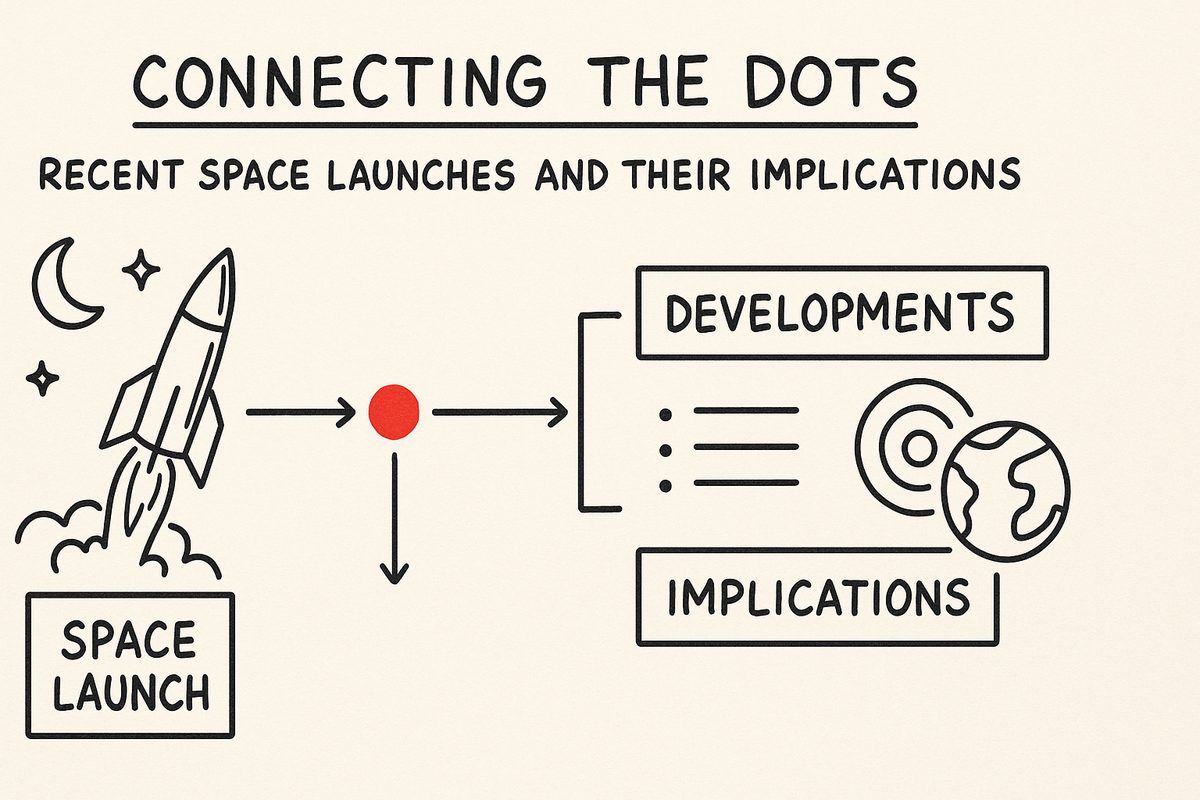
The world of space exploration is abuzz with activity as a series of significant launches and strategic developments unfold. These initiatives range from technological advancements in SpaceX's Starship, to China's continued expansion of its Tiangong space station program, and the redefined objectives of NASA's Artemis III mission. Understanding these developments requires not just a focus on the mechanical triumphs of each launch but also on the broader implications they have on global space exploration strategies.
SpaceX's Starship V3: A Leap Forward Despite Setbacks
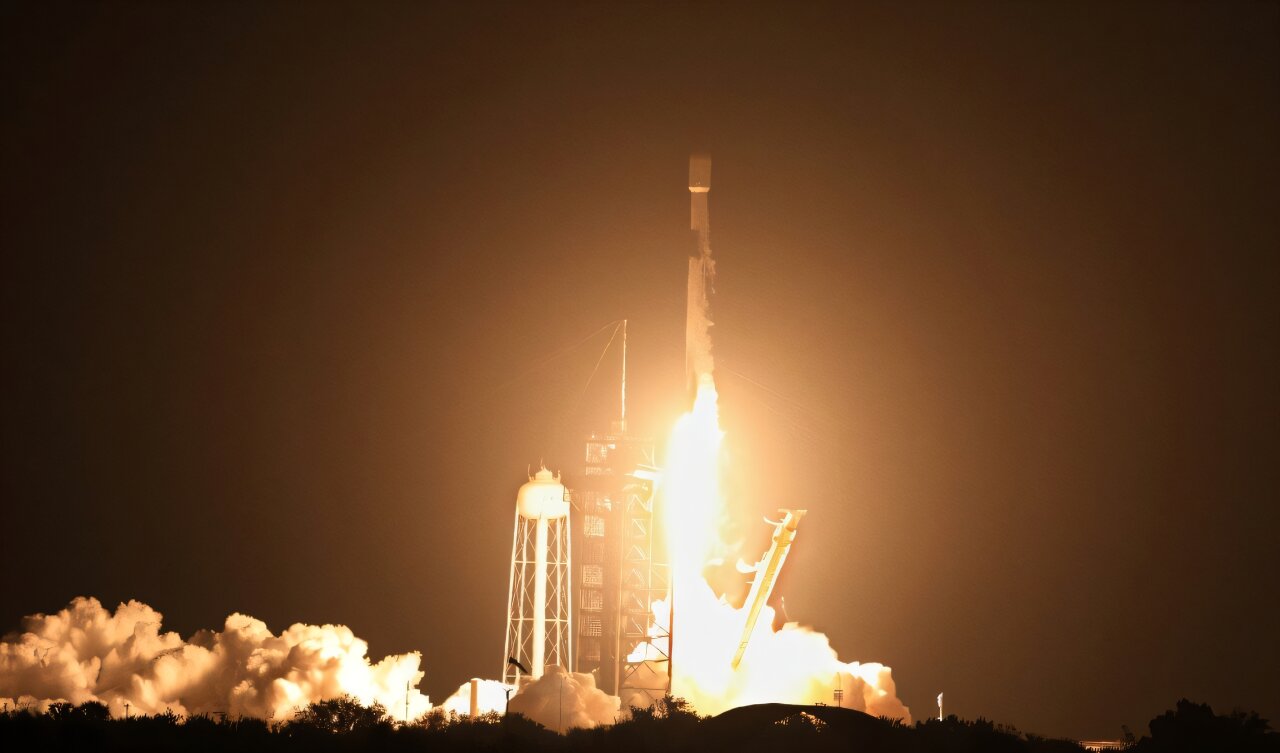
On May 22, SpaceX launched its Starship Version 3 (V3), marking a critical step in the company's ambitions to revolutionize space travel. Despite an early booster termination, the mission successfully validated its reentry systems with a controlled splashdown in the Indian Ocean. This test is more than a technical milestone; it represents SpaceX's relentless pursuit of reusable space vehicles, crucial for reducing costs and increasing the frequency of launches. The implications are profound, not just for commercial space travel, but for global space logistics and interplanetary missions.
China's Strategic Advances: Shenzhou 23's Mission
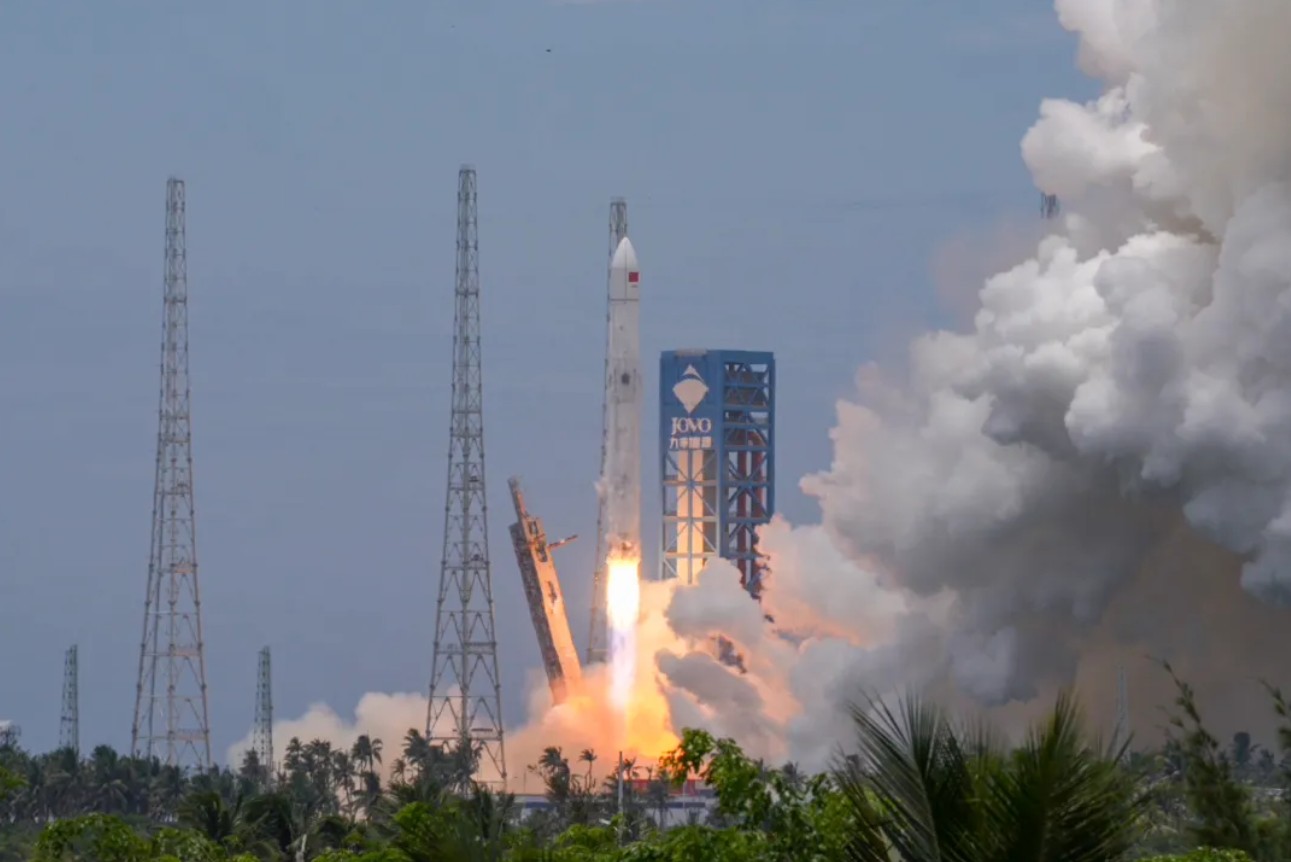
As SpaceX pushes technological boundaries, China is steadily advancing its space station capabilities. The upcoming launch of Shenzhou 23 to the Tiangong space station exemplifies China's methodical approach to establishing a sustained human presence in space. This mission highlights not only China's growing prowess but also its strategic intent to establish a foothold in low Earth orbit, potentially challenging the dominance of traditional spacefaring nations.
Artemis III: A Revised Vision
NASA's Artemis III mission, which aims to return humans to the Moon, has undergone revisions that see it focusing on an Earth orbit mission. This adjustment reflects NASA's pragmatic approach in response to technical and budgetary constraints. While some may view this as a setback, it underscores a strategic pivot towards sustainable exploration, ensuring that the necessary technologies and capabilities are robust before embarking on more ambitious lunar missions.
Military and Defense: The Emerging Space Frontier
Amidst these civilian initiatives, military considerations continue to shape the future of space. The Royal Canadian Air Force's call for accelerated space defense capabilities underscores the growing recognition of space as a critical domain for national security. As nations like Canada seek sovereign maneuverability and rapid procurement of space technologies, the intersection of defense and space exploration becomes increasingly significant.
Surprising Insights and Future Directions
A counterintuitive insight from these developments is the interconnectedness of commercial, national, and defense interests in space. As private entities like SpaceX push the boundaries of what's possible, they inadvertently set benchmarks that influence national space policies and defense strategies. Meanwhile, China's methodical progression and NASA's strategic pivot highlight the diverse approaches nations are taking in their pursuit of space dominance.
Looking forward, the implications of these launches and strategic shifts are vast. They suggest a future where space is not only a domain for exploration but also a stage for geopolitical maneuvering and commercial innovation. As nations and companies vie for influence and capability in space, the dynamics of international cooperation and competition will inevitably shape the trajectory of human space exploration.