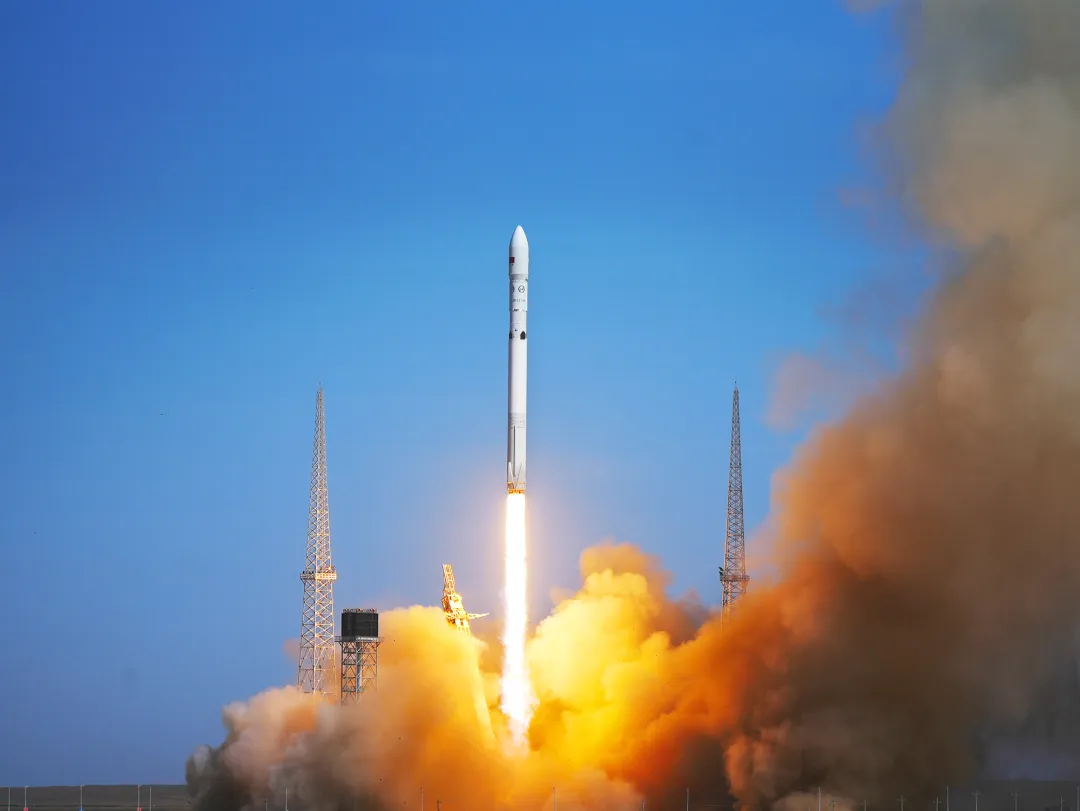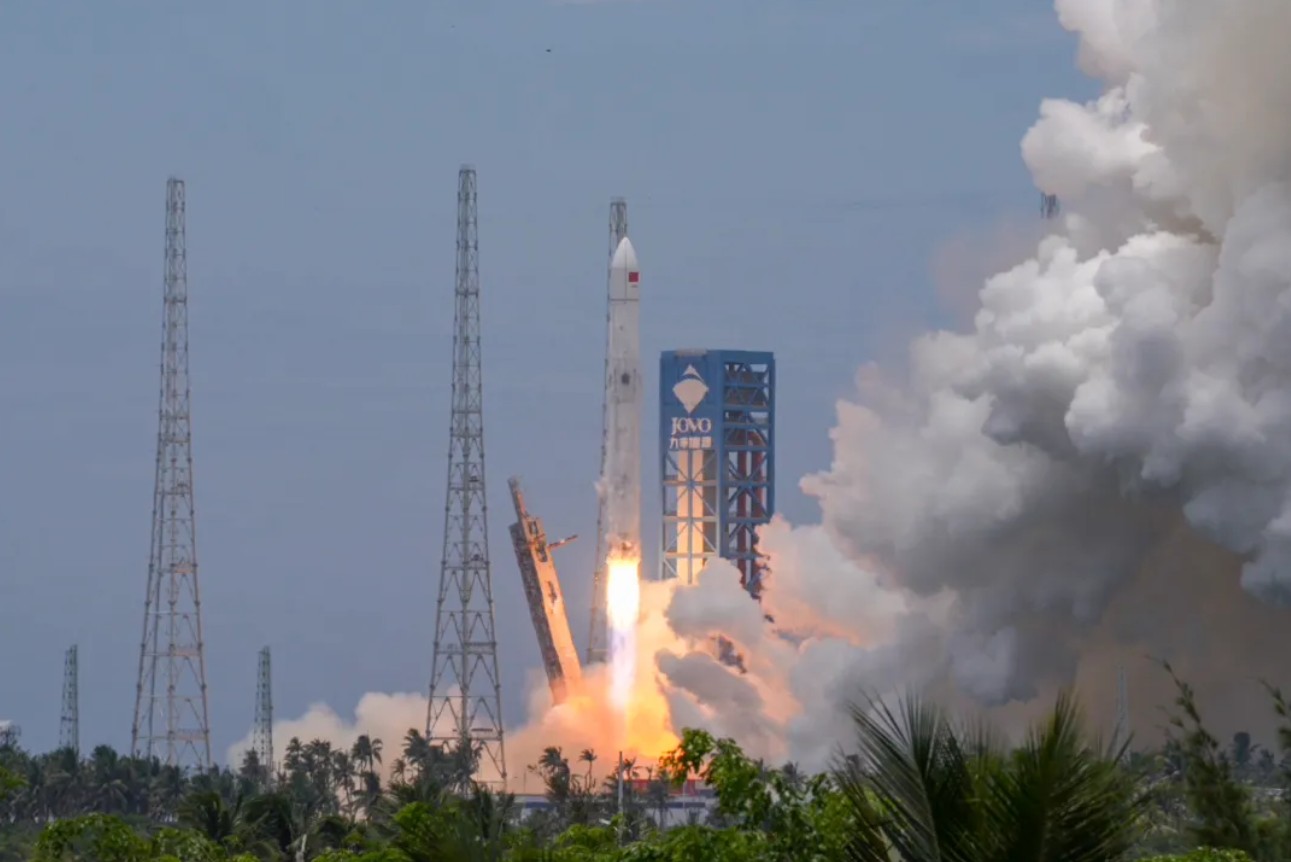
In a significant achievement for China's space program, the China Aerospace Science and Technology Corporation (CASC) has successfully recovered the first stage of its Long March 10B rocket during a launch on July 10, 2026. This marks China as the second nation, after the United States, to successfully recover an orbital rocket booster. The recovery, completed using a unique net-capture system aboard a seaborne platform, represents a major step forward in China's efforts to reduce launch costs through reusable rocket technology.
The Long March 10B launch took place from Hainan Commercial Space Launch Site, located on Hainan Island in southern China. The rocket lifted off at 12:15 a.m. Eastern (0415 UTC) and successfully deployed its payload into orbit 90 minutes later. The booster separation occurred six minutes post-launch, followed by a controlled descent that concluded with a successful capture by the Linghang Zhe sea recovery vessel. This pioneering net-capture system eliminates the need for landing legs, differentiating it from the landing methods employed by SpaceX and Blue Origin.
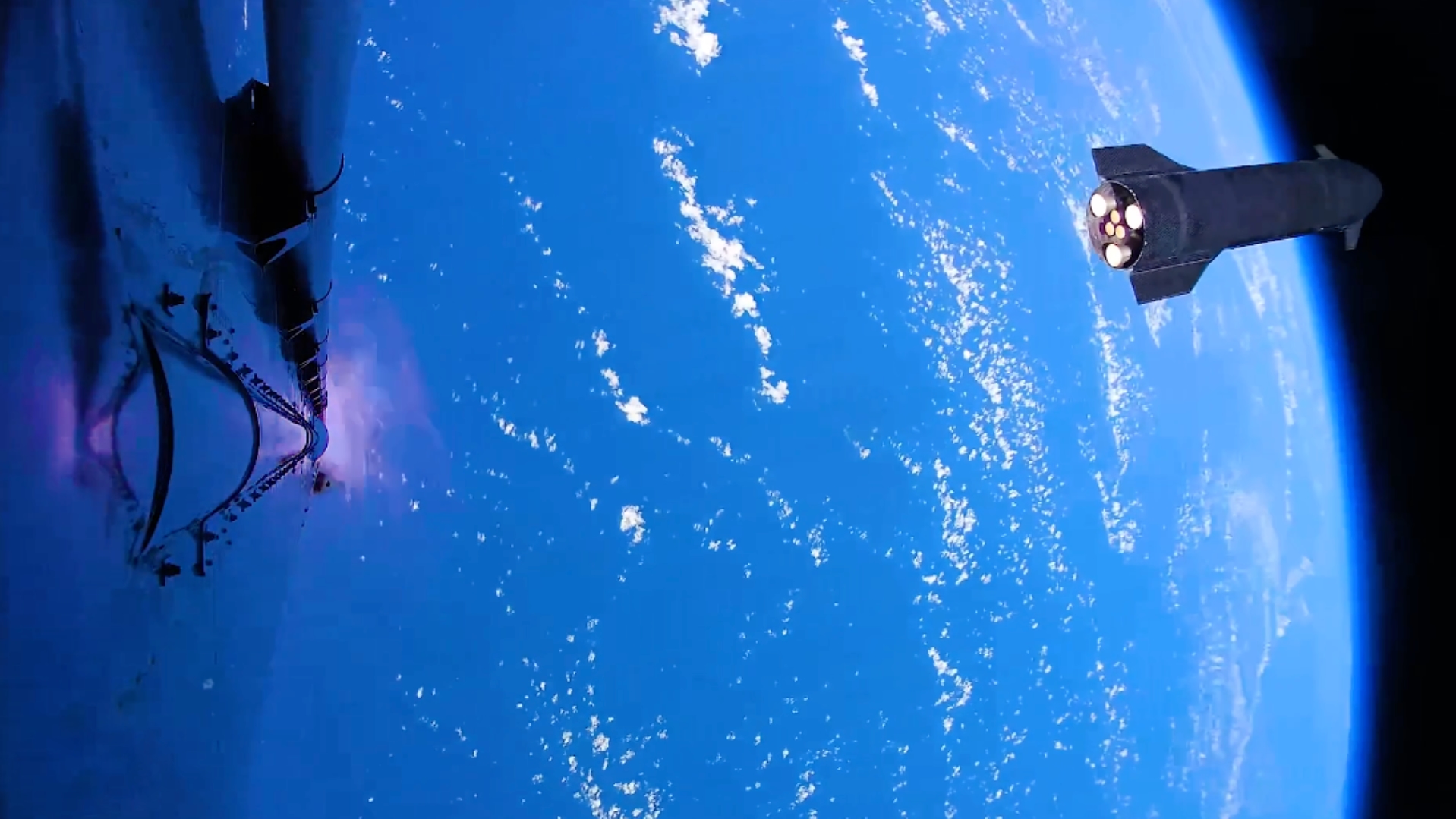
China's achievement comes in the wake of SpaceX's extensive success with reusable rockets, having completed over 600 landings of its Falcon boosters. SpaceX's use of reusable technology has drastically reduced costs and increased the frequency of launches, allowing the company to develop projects like the Starlink satellite network. Similarly, Blue Origin has been recovering its New Shepard and New Glenn boosters using landing strategies that involve ocean platforms.
The Long March 10B is a two-stage rocket with a diameter of five meters and a mass of 760,000 kilograms at liftoff. In its reusable configuration, it can carry a payload of up to 16,000 kilograms to low Earth orbit, compared to the SpaceX Falcon 9's capacity of 22,800 kilograms. CASC has announced plans to reuse the first stage of the Long March 10B by the end of the year, reflecting its commitment to advancing reusable rocket technology.
This development is a significant milestone for China's broader aerospace ambitions, including its crewed lunar program and satellite internet constellations. Reusable rockets are anticipated to enhance China's competitiveness in global satellite communications, potentially challenging the dominance of SpaceX's Starlink in international markets including Africa, the Middle East, and Southeast Asia.
While China's entry into the reusable rocket sector does not immediately pose a direct threat to U.S. aerospace companies due to national security restrictions, it signifies a growing capability that could alter geopolitical dynamics in space exploration. The successful recovery of the Long March 10B booster is also noteworthy against the backdrop of reported collaborations between China and Russia on countering projects like Starlink.
Looking ahead, the CASC team is focused on optimizing the performance of the Long March 10B and accelerating the development of reusable rocket technologies. This success is expected to spur further innovations and could potentially lead to more cost-effective and frequent access to space.
As China strengthens its position in the reusable rocketry field, the global space industry stands on the cusp of significant change. The emergence of new players and technologies will continue to challenge established norms and could lead to an era of increased collaboration and competition in space exploration.