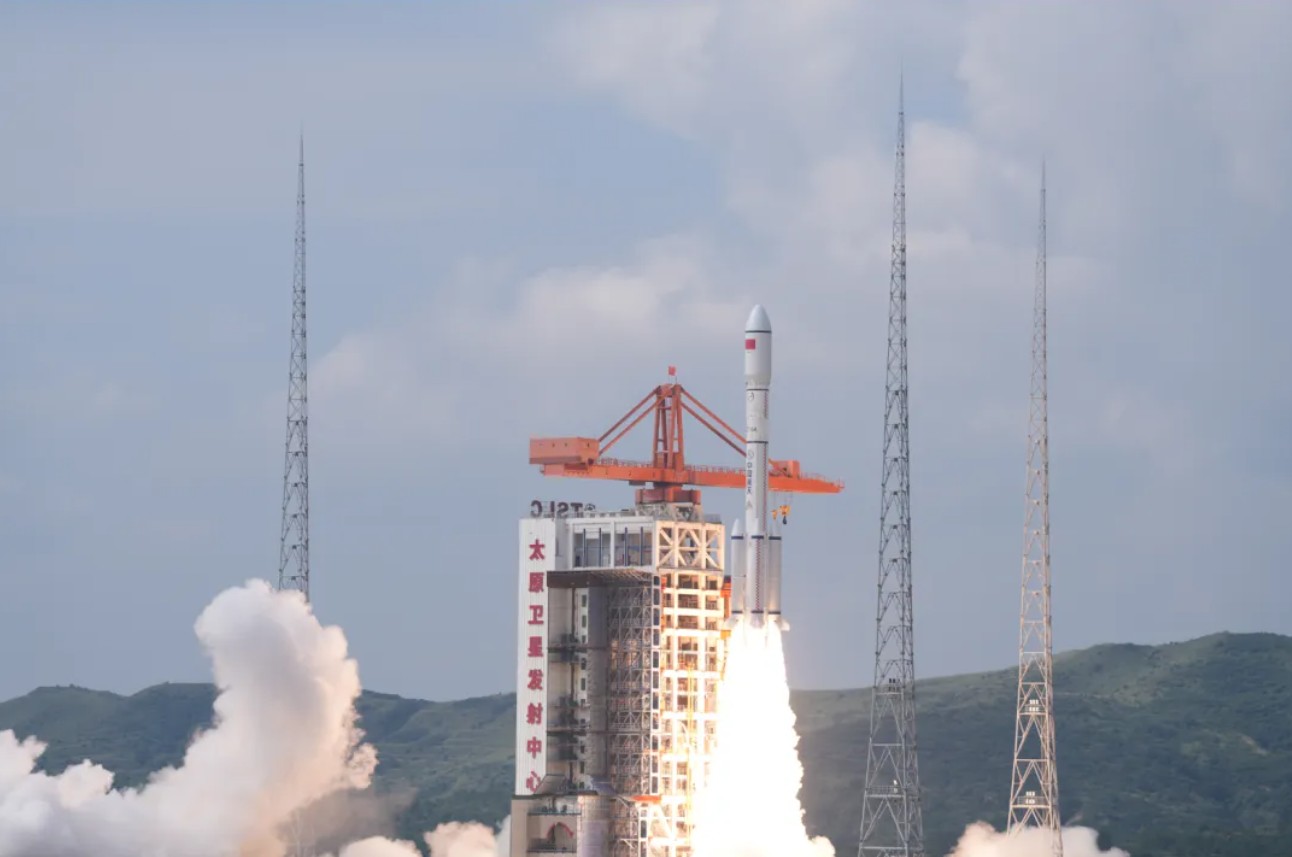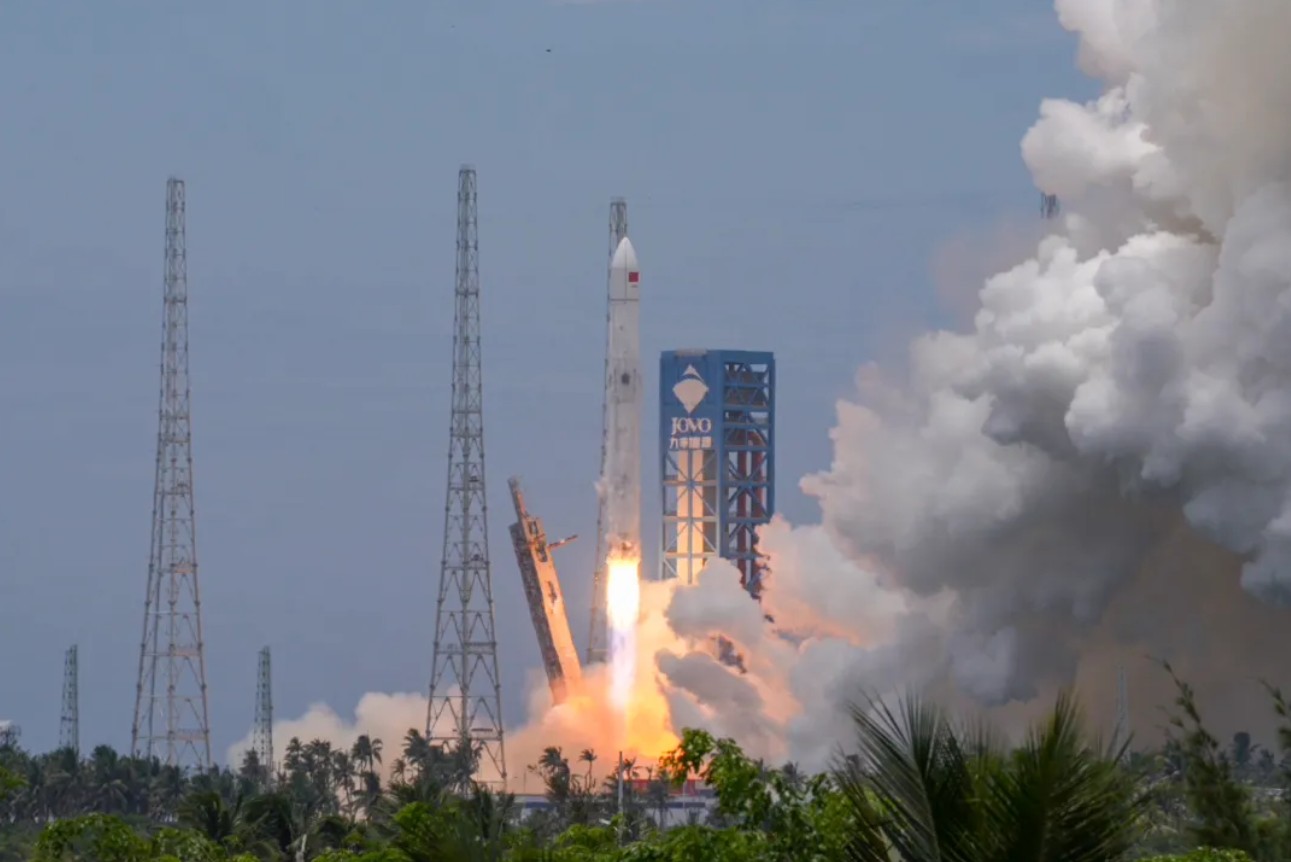
In a significant development in the ongoing global space race, China has reserved 244,000 satellite slots in Low Earth Orbit (LEO) in a move that appears to be a direct challenge to SpaceX's current dominance. This strategic maneuver, often referred to as 'spectrum squatting,' highlights the increasingly complex interplay of regulatory frameworks and technological prowess in the realm of satellite communications.
Currently, SpaceX stands as a formidable presence in LEO with an active fleet of 10,653 satellites. This dominance is largely due to its ambitious Starlink project, which aims to provide global broadband coverage. However, China's recent action of reserving a massive number of satellite slots signals its intent to not only participate but potentially lead in the expanding market of satellite-based internet services.
The tactic of reserving satellite slots is not new, but the scale at which China is operating is unprecedented. This move can be seen as a strategic effort to secure a competitive position for Chinese companies in the burgeoning satellite internet market. By reserving these slots, China ensures that it has the regulatory groundwork to support a vast satellite network that could rival or even surpass current operators.
This regulatory strategy, while appearing to be a defensive measure, also serves as a potential offensive play in the global space economy. By securing these slots, China can prevent other countries or companies from using them, effectively controlling a significant portion of the orbital real estate. This is crucial because the number of available slots in LEO is limited, and as more companies and nations look to establish their own networks, competition for these slots intensifies.
The implications of this move are multifaceted. For SpaceX, which has enjoyed a significant head start in deploying its satellite constellation, China's actions represent a formidable challenge. Not only does it face potential competition from a new major player, but it also highlights the need for continued innovation and expansion to maintain its market position.
From a regulatory perspective, China's action underscores the importance of international cooperation and regulation in space. The International Telecommunication Union (ITU), based in Geneva, oversees the allocation of satellite slots and frequencies. This body will be instrumental in managing the growing demand for satellite slots and ensuring fair and equitable access to space resources.
The historical context of this development is rooted in the rapid evolution of satellite technology and the growing demand for global connectivity. LEO has become a focal point for companies seeking to deliver high-speed internet to underserved regions, and the potential market for these services is vast. As such, the actions of major players like China and SpaceX will likely shape the future of global communications infrastructure.
Looking forward, the reservation of satellite slots by China could lead to increased competition, driving innovation and potentially reducing costs for end-users. However, it also raises questions about the sustainability of space activities, as the crowded LEO environment poses risks of collision and space debris.
In conclusion, China's strategic reservation of 244,000 satellite slots represents a bold move in the global space race, challenging SpaceX's dominance and setting the stage for a new era of competition in space communications. As nations and companies continue to vie for orbital supremacy, the need for robust regulatory frameworks and international collaboration will be more critical than ever.