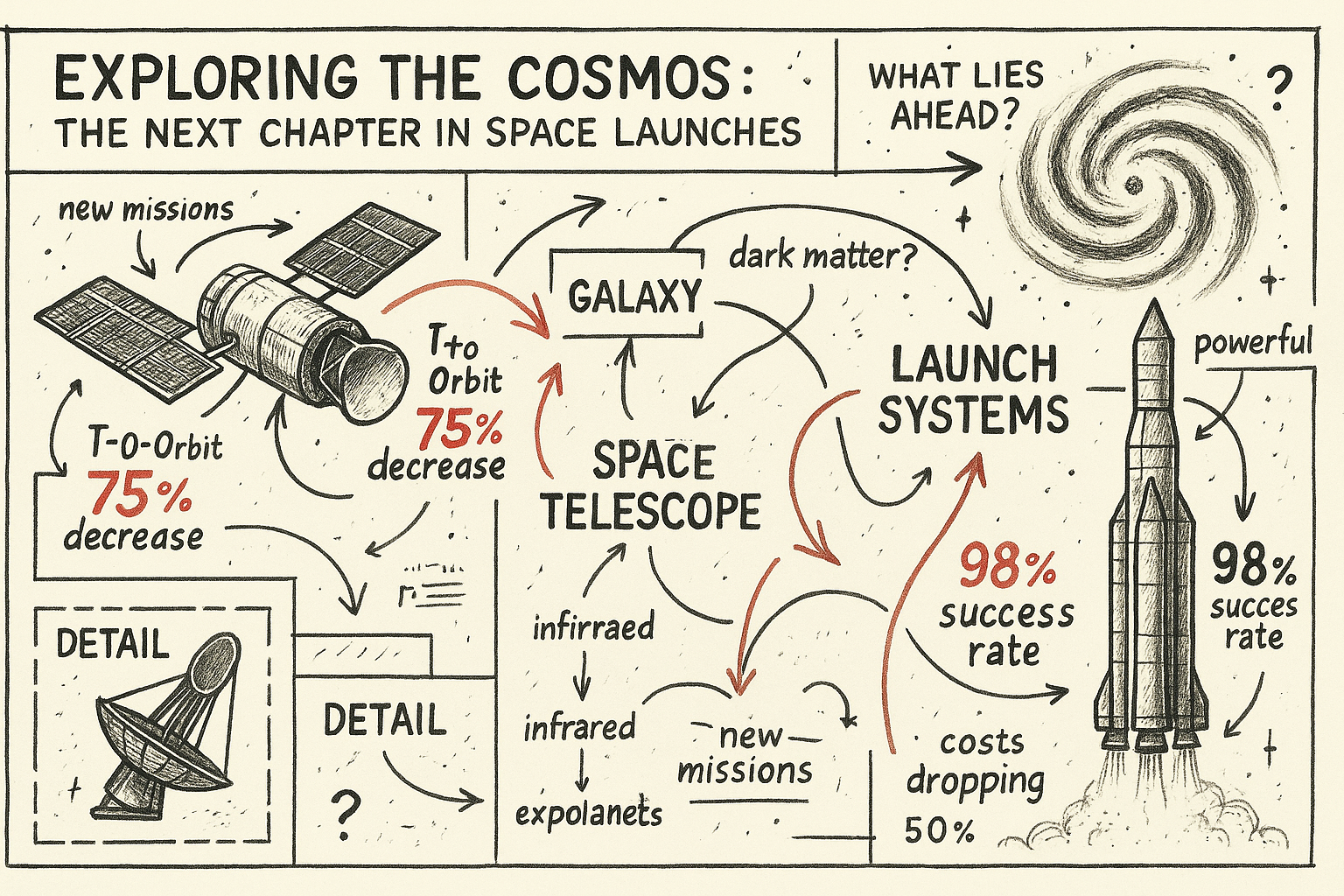
The cosmos has always been a source of fascination and mystery for humanity. Recent advancements in space exploration and technology are not only enhancing our understanding of the universe but are also redefining our approach to celestial discoveries. From the European Space Agency's (ESA) Euclid space telescope to the potential upgrades of MaiaSpace's rockets, we are witnessing a transformative period in astronomy and space technology.
Unveiling Hidden Worlds
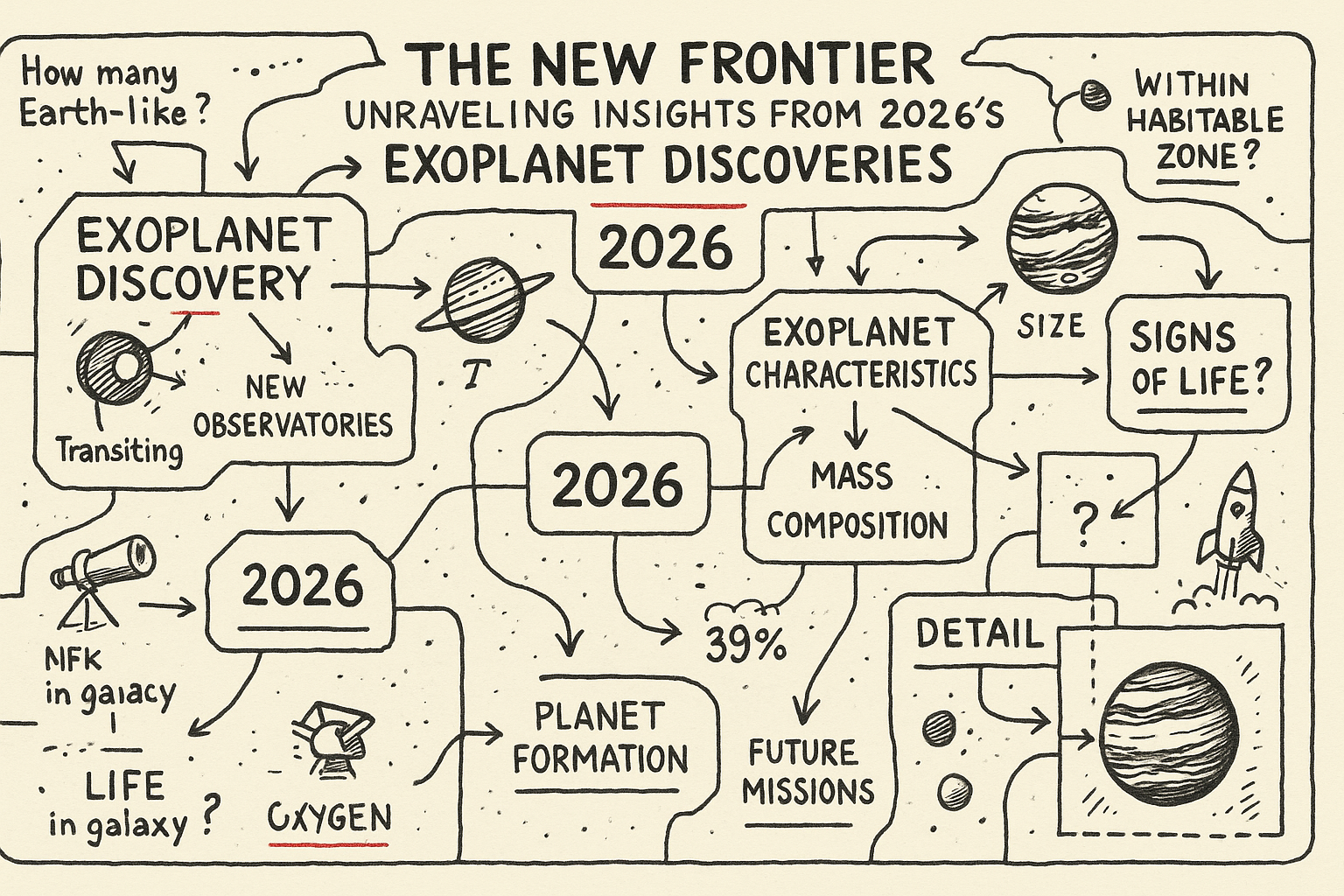
The ESA's Euclid space telescope has recently captured an unprecedented view of the Milky Way's center, revealing millions of stars and thousands of hidden planets. This remarkable achievement is more than just a visual spectacle; it serves as a crucial map for understanding stellar evolution. The detailed mosaic captured by Euclid provides insights into the birth of stars within dark clouds and offers a glimpse into the intricate dance of celestial bodies in our galaxy.
Revisiting Galactic Distances
In a parallel development, the XMM-Newton and NASA's Chandra X-ray space telescopes have revised our understanding of the Milky Way's structure. By measuring echoes from bright explosions, scientists have determined that the outer spiral arms are up to 10% further away than previously thought. This revelation not only challenges our current models of the galaxy's formation but also underscores the importance of continuous observation and re-evaluation of astronomical data.
Technological Enhancements and Ambitions
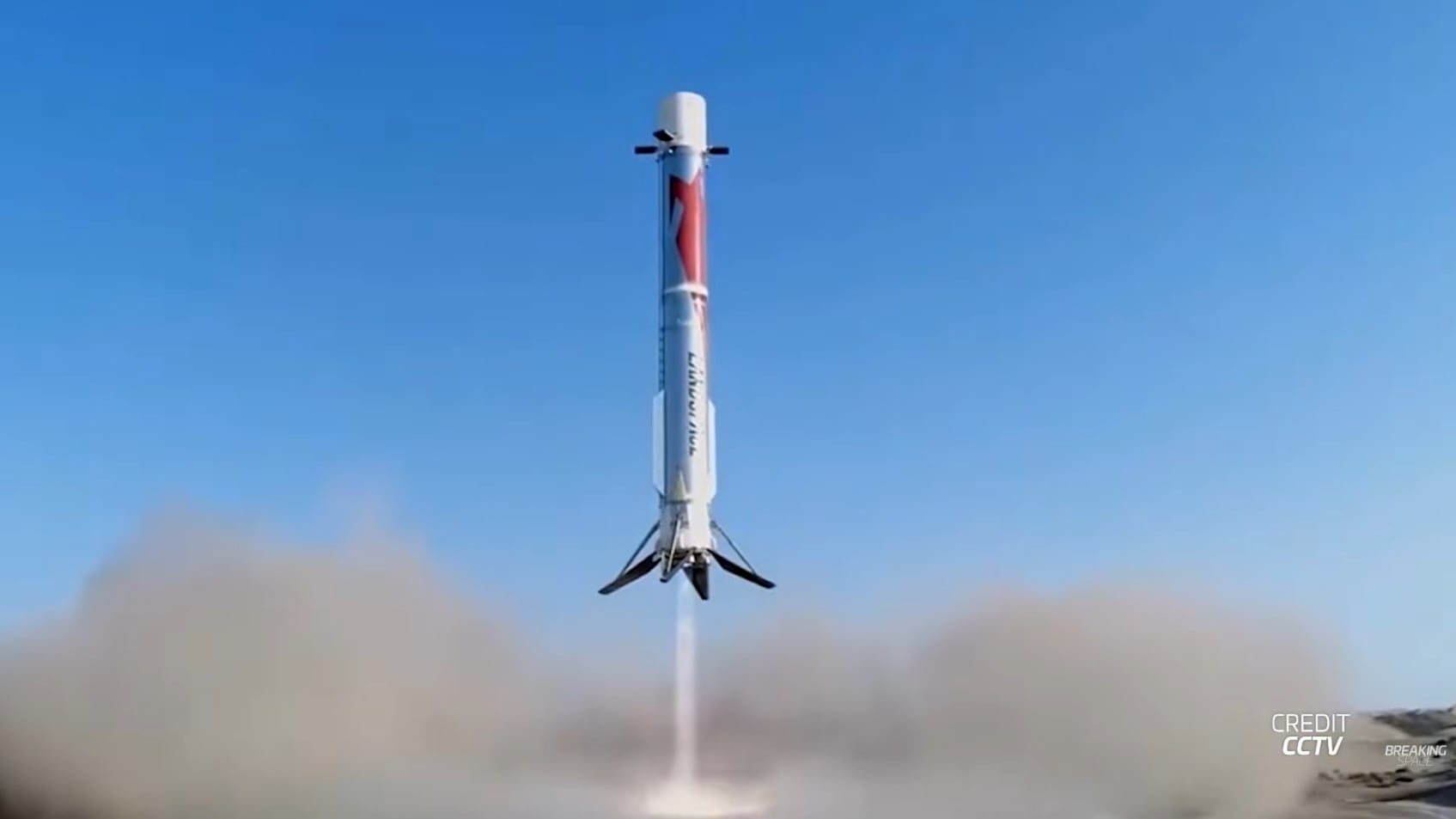
On the technological front, MaiaSpace, a subsidiary of ArianeGroup, is exploring the possibility of doubling its rocket's performance with the addition of an extra engine. This potential upgrade, involving a fourth Prometheus rocket engine, could significantly enhance payload capacities without increasing average costs. Such advancements are pivotal as they could lower the barriers to space access, allowing more frequent and cost-effective launches.
Future Implications and Surprising Insights
As we look to the future, these advancements in space technology and exploration are likely to have profound implications. The detailed mapping of the Milky Way could lead to the discovery of new planets and possibly even habitable worlds. Furthermore, the potential for enhanced rocket performance suggests a future where space travel becomes more routine, opening up new opportunities for scientific research and commercial ventures.
One of the most surprising insights from these developments is the realization that our understanding of the galaxy's structure is still evolving. The revision of the Milky Way's distances not only highlights the dynamic nature of astronomical research but also suggests that we may need to reconsider our cosmic models. This continuous evolution of knowledge emphasizes the importance of adaptability and innovation in space science.
Conclusion
In conclusion, the recent advances in space exploration and technology signal a new era in our quest to understand the cosmos. As we continue to push the boundaries of what is possible, the insights gained from these efforts will undoubtedly shape the future of astronomy and our place within the universe. The journey is far from over, and with each launch, we take another step toward unraveling the mysteries of the cosmos.