In an extraordinary observation, NASA scientists have recorded a solar radio burst that defied expectations by lasting 19 days, a significant extension beyond the typical duration of such events. This record-breaking phenomenon was first detected in August 2025 and has since captivated the scientific community due to its unprecedented longevity.
Solar radio bursts are emissions of radio waves from the sun, usually generated by solar flares or other solar activities. These bursts typically persist for a few hours to several days. However, the burst observed in 2025 shattered previous records, with the longest prior burst lasting only five days. The event's unexpected duration has prompted further investigation into its origins and implications.
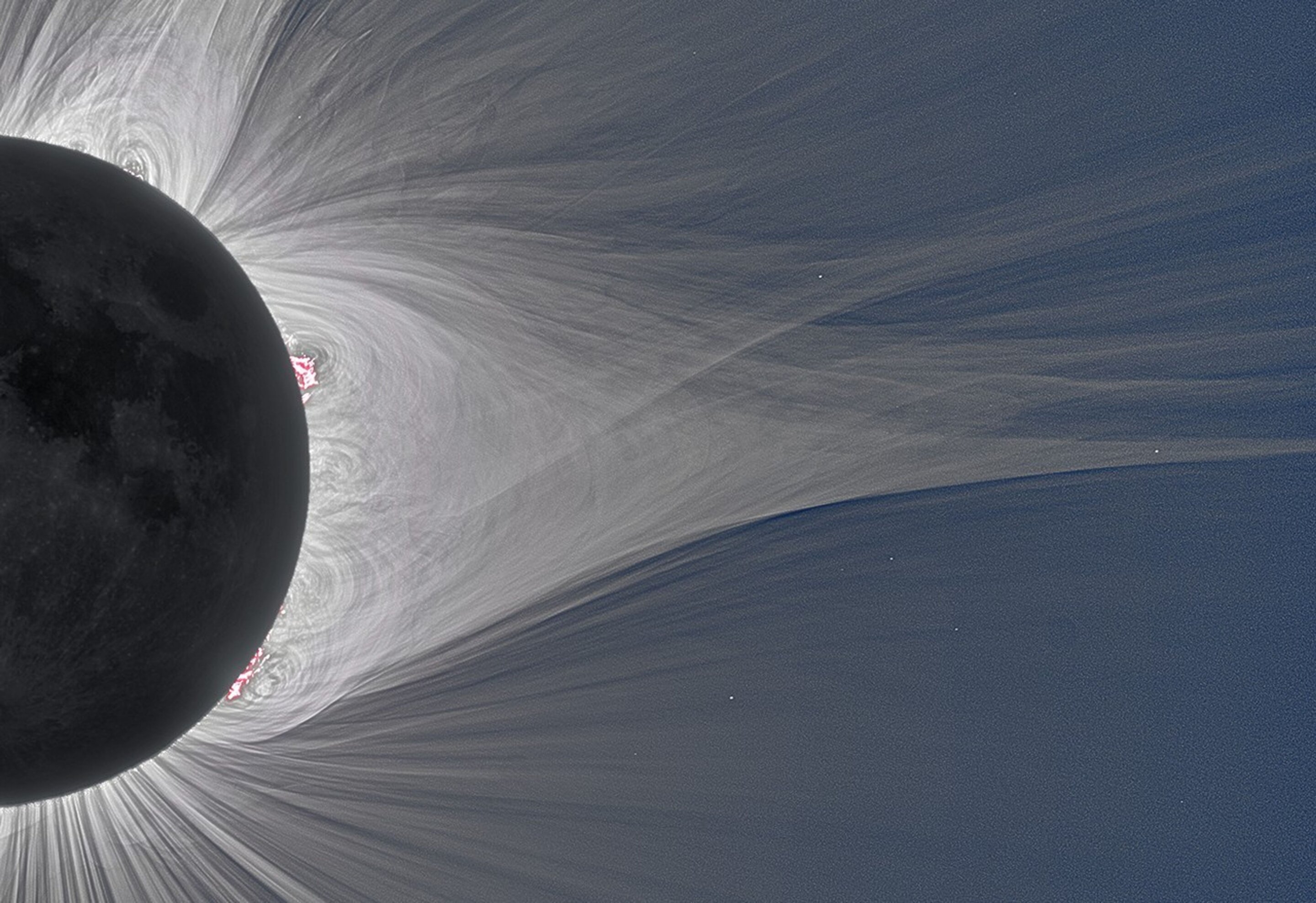
The source of this remarkable radio burst was traced to a feature in the sun's atmosphere known as a helmet streamer. Helmet streamers are large, cap-like structures that extend outward from the sun, often visible during solar eclipses. They are formed by the sun's magnetic field and are associated with the solar corona, the outermost part of the sun's atmosphere.
An image captured during the total solar eclipse on August 21, 2017, illustrates the classic V-shape of a large helmet streamer, providing a visual reference for the structure responsible for the 2025 radio burst. This connection between helmet streamers and prolonged radio emissions offers new insights into solar dynamics and the mechanisms driving such phenomena.
The implications of this discovery are significant for understanding solar activity and its effects on space weather. Solar radio bursts can impact communication and navigation systems on Earth, as well as pose risks to satellites and astronauts in space. By studying this prolonged event, scientists aim to enhance predictive models of solar activity, potentially improving our ability to mitigate these risks.
NASA's continued monitoring of solar activity is crucial for advancing our knowledge of the sun and its interactions with the solar system. The agency's ability to track and analyze such events is supported by a suite of missions dedicated to solar observation, including the Solar Dynamics Observatory and the Parker Solar Probe.
As researchers delve deeper into the data from this record-breaking radio burst, they hope to uncover the factors that contributed to its extended duration. This understanding could lead to breakthroughs in our comprehension of solar phenomena and their broader implications for space weather forecasting.
The 2025 solar radio burst serves as a reminder of the sun's dynamic nature and the continuous need for vigilance in monitoring its activity. As we continue to explore the complexities of our solar system, events like these underscore the importance of scientific inquiry and the pursuit of knowledge about the universe we inhabit.