As mid-July unfolds, stargazers are treated to an array of celestial phenomena that promise to light up the night sky. From the brilliant pairing of Venus and the Moon to the majestic sweep of the Milky Way, there is much to see and admire.
Venus and the Moon: A Twilight Spectacle
On July 17, as dusk falls, observers in the western sky can witness the striking brilliance of Venus closely partnered with the crescent Moon. Venus, often heralded as the evening star, shines brightly despite being on the far side of the Sun from Earth. This positioning allows observers to see more of its illuminated side. Meanwhile, the Moon, much closer to us, reveals more of its night side, creating a contrasting view with Venus in the evening sky.
Nearby, the star Regulus, part of the constellation Leo, adds to the celestial tableau, although its magnitude of +1.3 makes it much dimmer than Venus, which shines at magnitude -4.1. This trio of celestial bodies creates a captivating scene for both casual observers and seasoned astronomers.
The Dominance of Scorpius
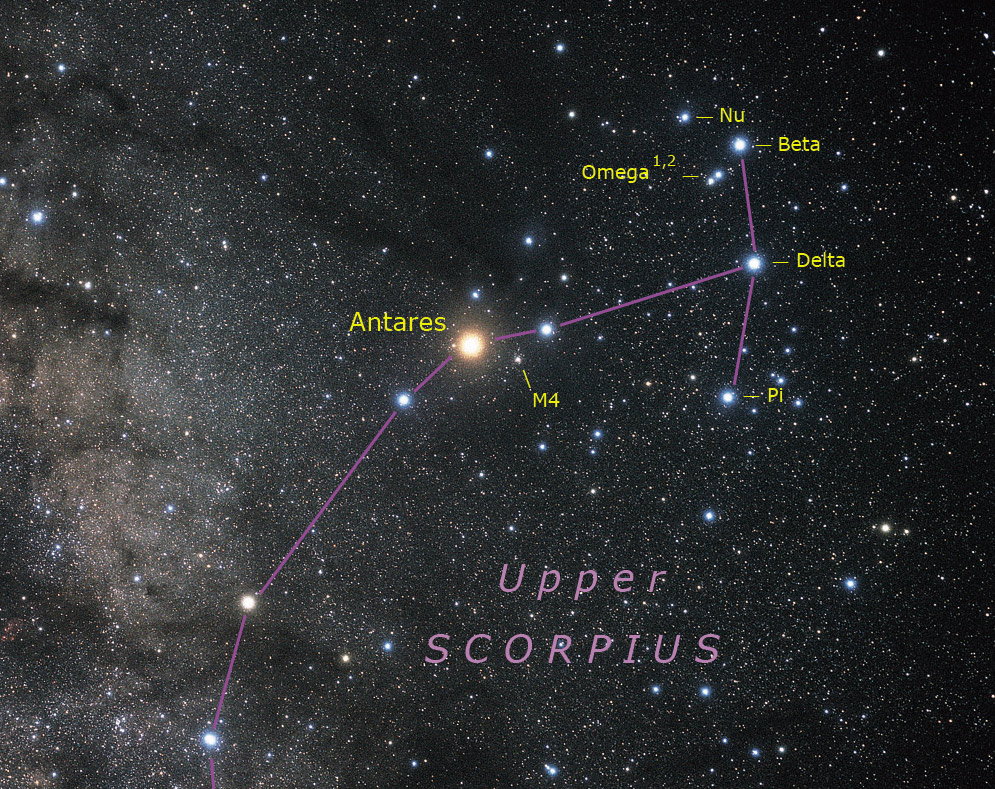
As the evening progresses, the constellation Scorpius becomes a prominent feature in the southern sky. Known as the "Orion of Summer" due to its bright, blue-white giant stars and the red supergiant Antares, Scorpius offers a visual feast. This constellation is best viewed in July, especially from mid-northern latitudes where it arcs low across the sky.
Observers can direct their gaze to the tail of Scorpius, home to the Cat's Eyes stars, Shaula and Lesath. These stars, at magnitudes 1.6 and 2.6 respectively, provide a charming focus for binoculars or small telescopes. Adjacent to these stars lies the open cluster M7, one of the finest clusters visible in the sky.
The Galactic Center: A View into the Milky Way
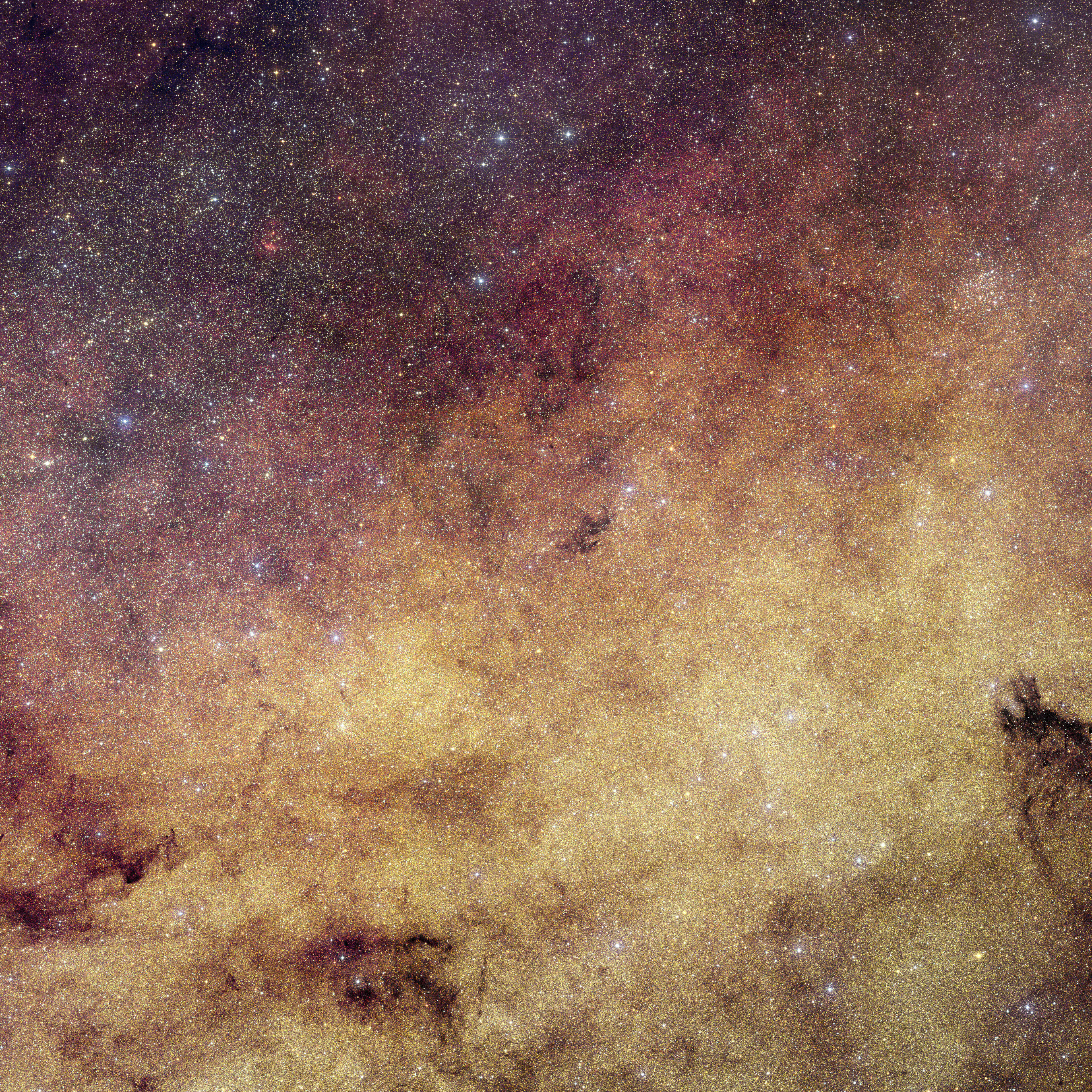
July also offers an unparalleled opportunity to view the Milky Way in all its splendor. The Large Sagittarius Star Cloud, located near the spout of the Sagittarius Teapot, is a dense region of stars near the galaxy's center, some 25,000 light-years away. This region is the brightest and farthest part of the Milky Way visible to the naked eye, providing an awe-inspiring sight for those in dark-sky locations.
Within this star cloud, the tiny yet dense globular cluster NGC 6522 can be found. Although it shines at a modest magnitude of 8.5, it is a rewarding target for amateur astronomers equipped with telescopes.
Observing Opportunities and Tips
For those hoping to catch these celestial events, timing and location are key. Viewing Venus and the Moon is best done shortly after sunset, while Scorpius and the Milky Way are best seen as night deepens. Observers should find a location away from city lights to fully appreciate the night sky's offerings.
As always, binoculars or a small telescope can greatly enhance the viewing experience, revealing details that are invisible to the naked eye. Whether you are a seasoned astronomer or a curious newcomer, the night sky this July promises to captivate and inspire.