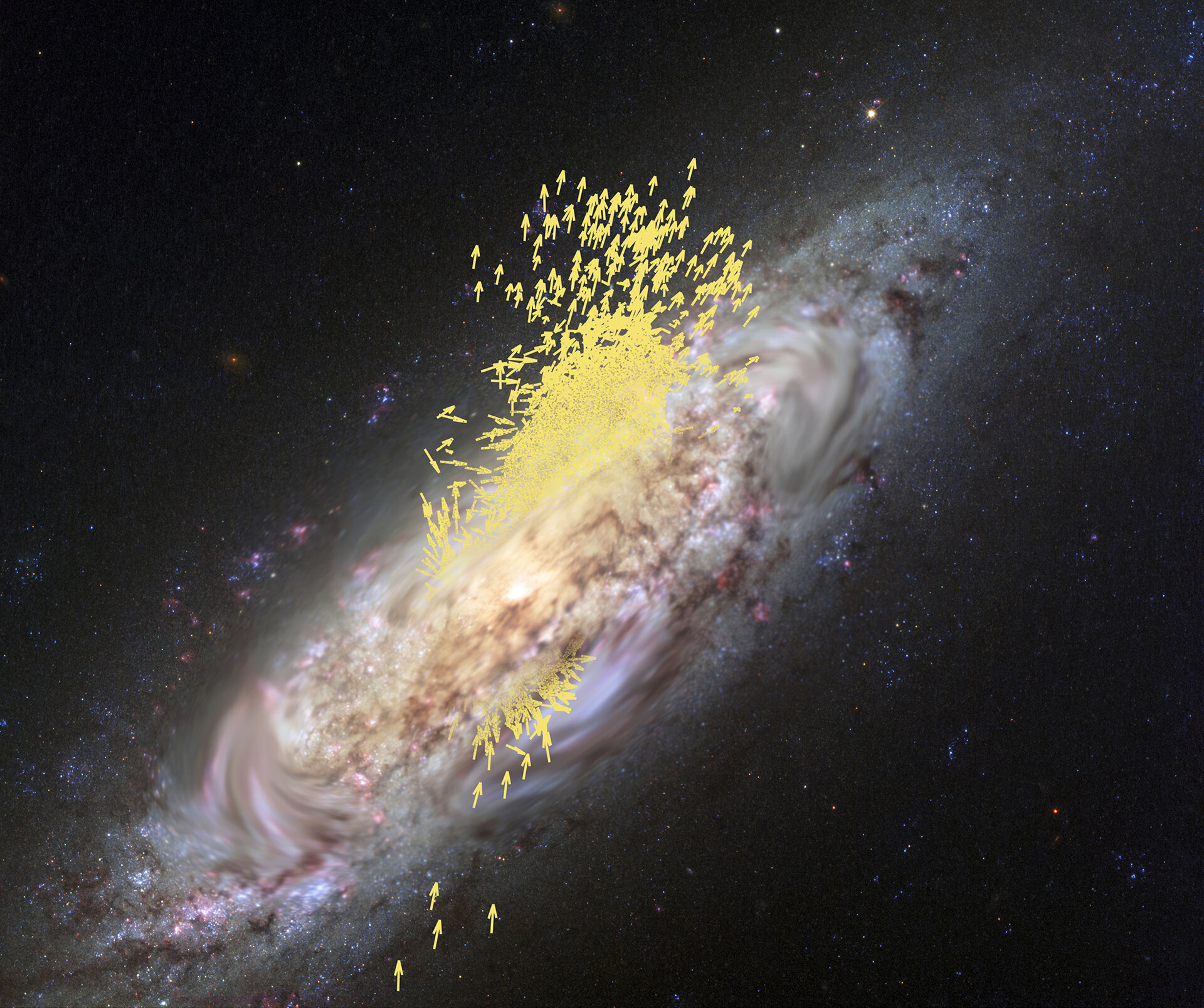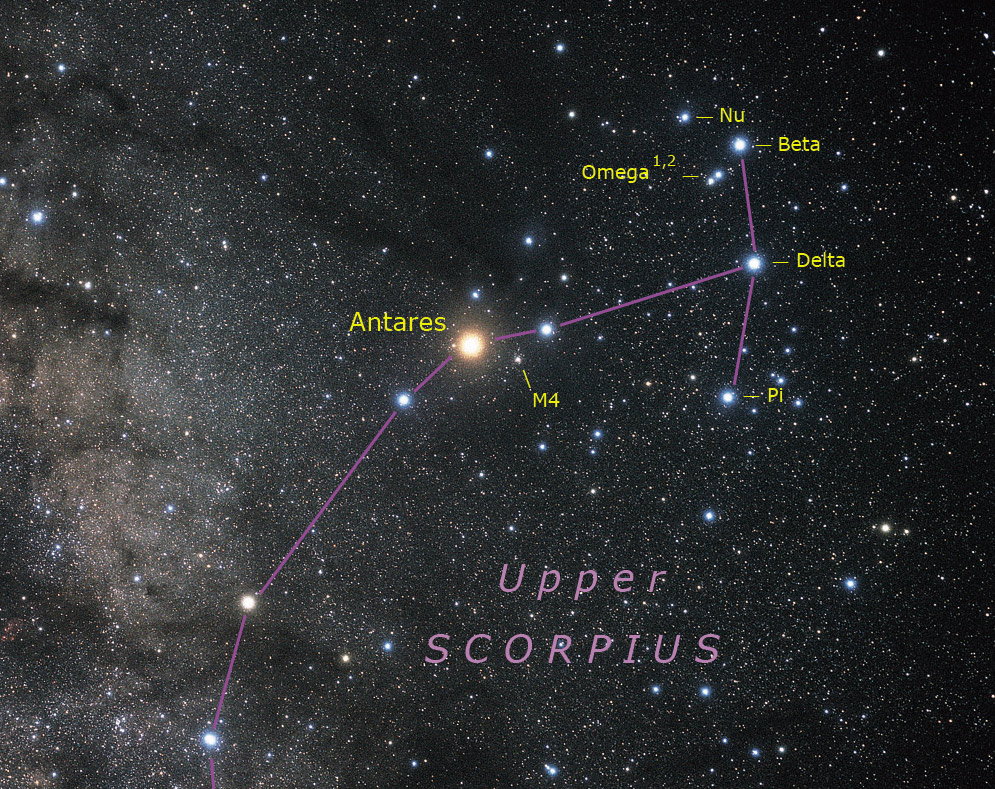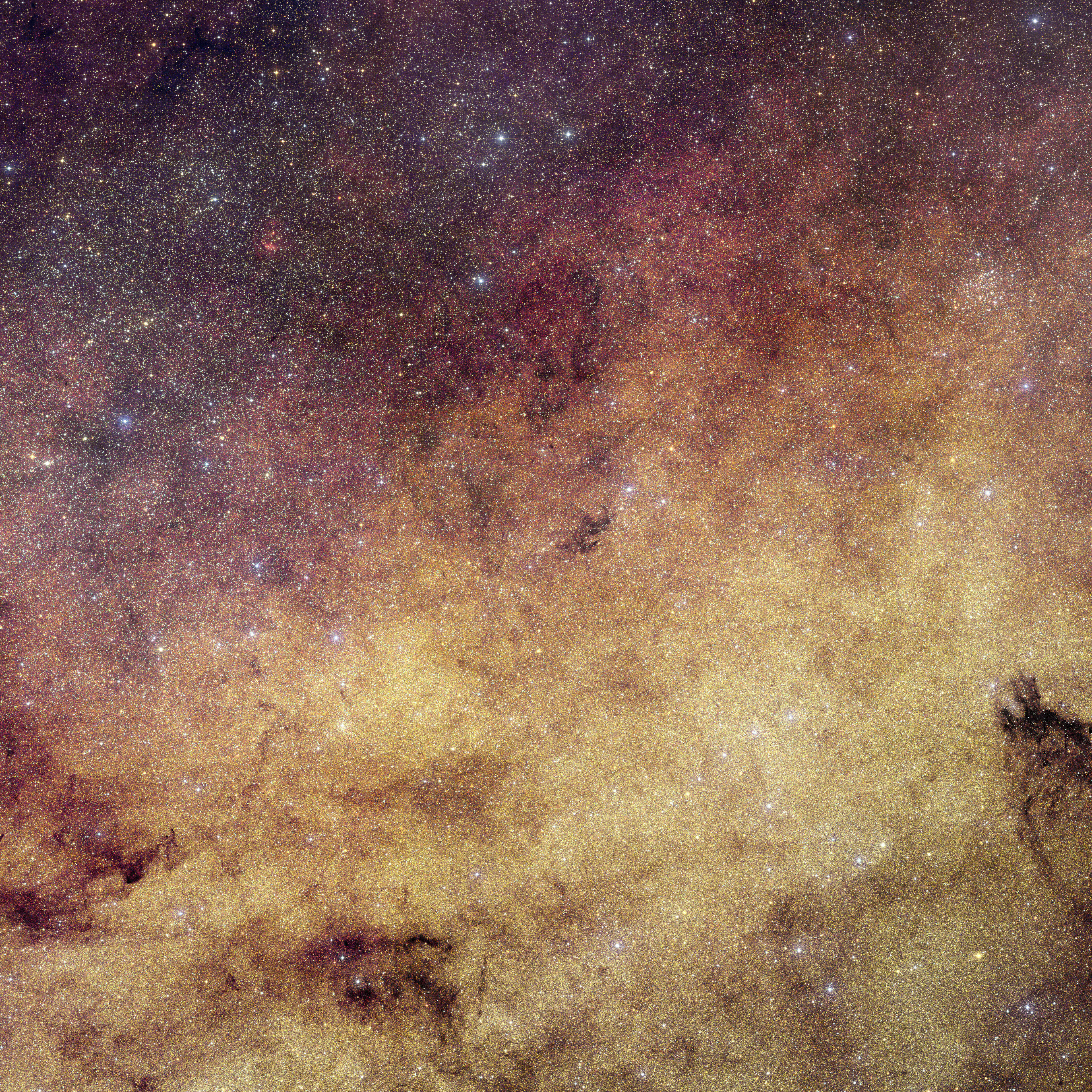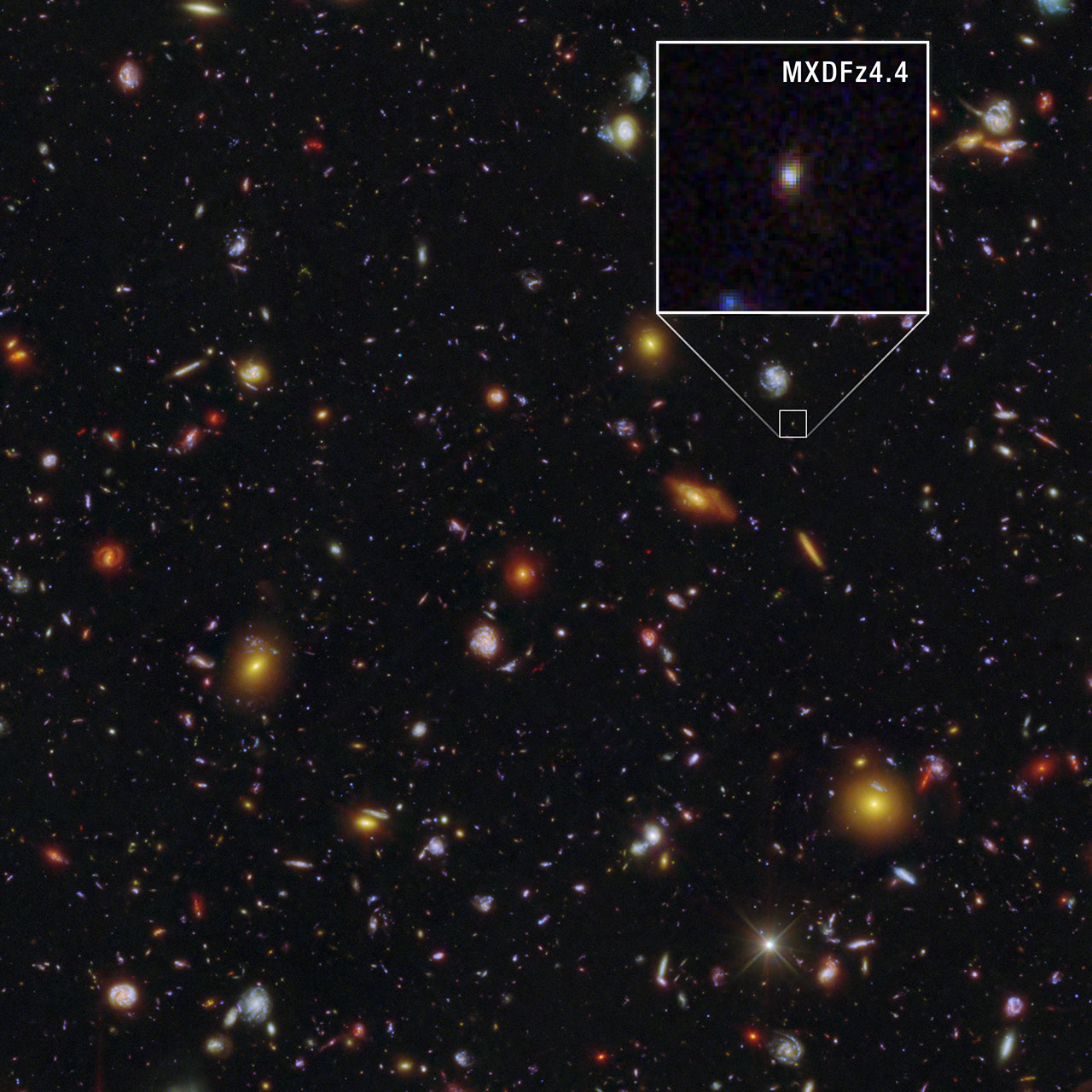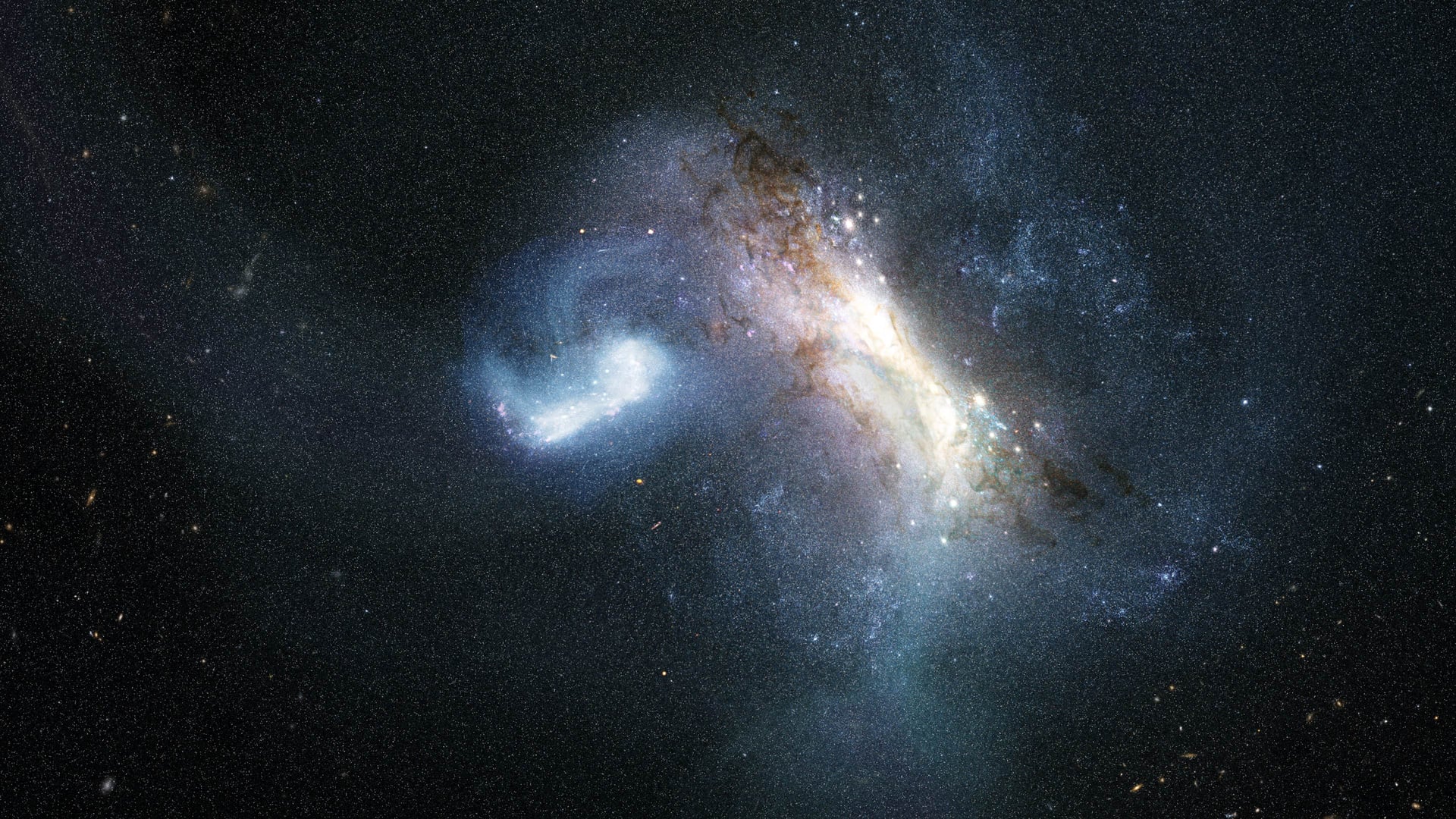
The Milky Way, our cosmic neighborhood, is a sprawling galaxy about 200,000 light-years in diameter, populated by approximately two hundred billion stars. Its growth history is a tale of cosmic mergers and star formation, a narrative recently enriched by findings from NASA's Hubble Space Telescope. These discoveries provide compelling evidence that a dwarf galaxy merged with the Milky Way during its nascent stages, significantly influencing its early development.
This groundbreaking research, led by astronomers from the Osservatorio di Astrofisica e Scienza dello Spazio di Bologna (OAS), along with an international team from institutions like the Kapteyn Astronomical Institute and the Italian National Institute for Astrophysics (INAF), was published in Nature Astronomy. The study utilized data collected by Hubble to explore ancient globular clusters within the Milky Way, which house some of its oldest stars. These stars are crucial in piecing together the galaxy's merger history, which has been largely obscured over billions of years.
The Milky Way's current structure is a result of both internal star formation and external mergers. The latter involves collisions with smaller galaxies, which not only contribute their stars but also catalyze the formation of new stars by compressing gas clouds to the point of gravitational collapse. The most recent significant merger, still ongoing, involves the Sagittarius dwarf galaxy and commenced over 6 billion years ago.
Despite advances in understanding these processes, accurately tracing the earliest mergers remains challenging. The evidence of such ancient events is often erased or distorted over time. However, Hubble's capability to study these globular clusters has proven invaluable. These clusters, remnants of the galaxy's formative years, provide the clues needed to unravel the past. As Davide Massari, the lead author and First Researcher at OAS di Bologna, remarked, "Our home is the Milky Way galaxy, but we do not know how our house was built." The research identifies a dwarf galaxy, referred to as LKH, as a significant early contributor to the Milky Way's stellar population.
This discovery is not only a testament to the power of modern astronomy but also a reminder of the dynamic processes that shape galaxies. The European Space Agency's Gaia mission has also been instrumental in mapping our galaxy, offering detailed star charts that complement Hubble's findings. Together, these observations help scientists construct a more cohesive picture of our galaxy's past.
Understanding these cosmic mergers is crucial for several reasons. They are fundamental to the formation and evolution of galaxies, influencing their size, shape, and star composition. Moreover, they offer insights into the universe's history, helping to better understand how the cosmos evolved over billions of years. For the Milky Way, this knowledge helps astronomers predict its future interactions, including potential mergers with neighboring galaxies such as Andromeda.
Looking forward, these findings pave the way for further research. As technology advances, future telescopes and missions will likely uncover more details about our galaxy's early years, shedding light on the intricate dance of galaxies that ultimately led to the Milky Way as we know it today. Such research not only quenches our curiosity about our cosmic origins but also enriches our understanding of the universe's grand tapestry.