In the rapidly advancing world of aerospace technology, the smallest components can make the biggest differences. One such component, often overlooked, is the wire harness. These intricate systems of internal electrical cabling are vital for the functionality of modern vehicles, be they rockets, cars, or planes. A recent initiative to bring this crucial technology into the 21st century is being led by Senra, a company founded by Jordan Black, a former engineer at SpaceX. Senra has recently secured a $65 million Series B funding round, co-led by Lowercarbon and Interlagos, to revolutionize the outdated processes that have governed wire harness production since the Cold War era.
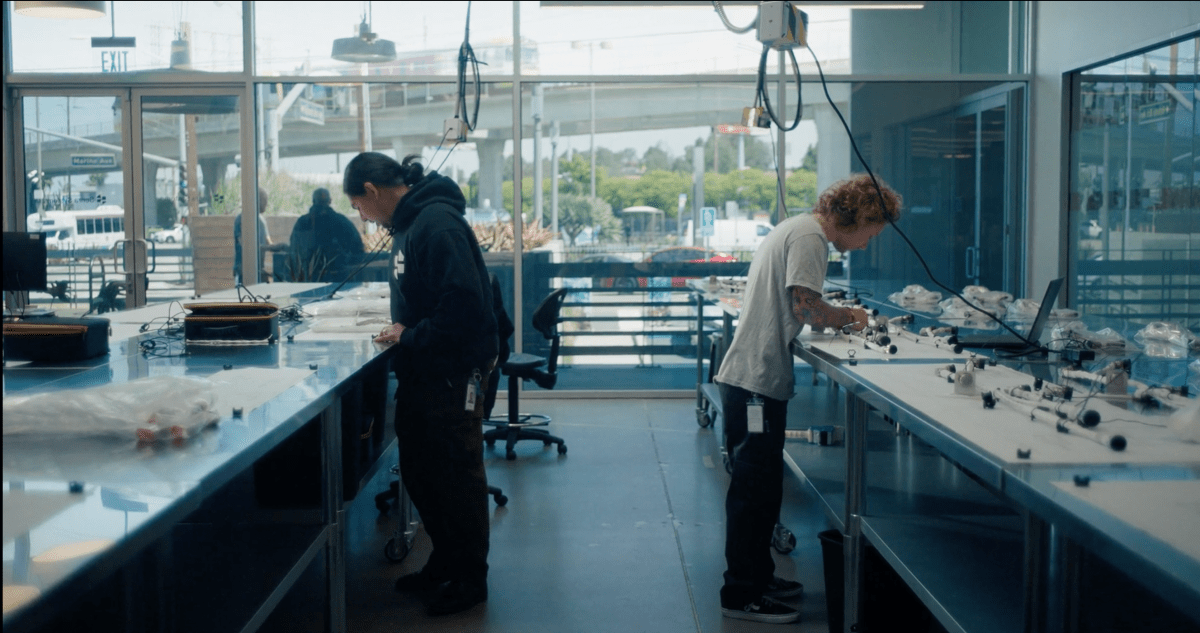
Wire harnesses, despite their critical importance, have seen little innovation over the decades. "I traveled all over the world to go visit wire harness companies," Black mentioned in a TechCrunch interview, highlighting the antiquated methods still prevalent in the industry. Traditionally, these harnesses are handcrafted by skilled technicians, a process that remains largely manual due to the challenges robots face in manipulating wires and the scarcity of relevant training data.
Senra aims to modernize this process, not by removing the human element but by enhancing it with software tools and automation where feasible. This approach is particularly timely given the increasing complexity and demands of modern aerospace and defense systems. The company's proprietary software platform, Amp, plays a crucial role by standardizing inputs throughout the wiring process and creating a digital twin to aid technicians. This system is further strengthened by Senra's federally certified wire harness training program, the only one of its kind, ensuring the highest standards in both training and execution.
The importance of such advancements cannot be overstated. A stark reminder of the potential consequences of outdated wire harness systems came in 2023 when Boeing's Starliner spacecraft faced delays after it was discovered that its wiring was secured with flammable tape. This incident underscored the need for higher standards and better tracking of materials and engineering changes, something Senra's integrated software solutions aim to address.
Senra's efforts are part of a larger trend towards modernizing U.S. manufacturing, particularly within the defense sector. While Black could not disclose specific customers, he indicated that Senra's solutions are being utilized in a variety of applications, from maritime vehicles to launch vehicles and satellites. This broad application underscores the versatility and necessity of modern wire harness systems.
As the aerospace industry continues to evolve, with companies like SpaceX driving forward with new technologies and capabilities, the foundational elements like wire harnesses must also advance. Senra's commitment to enhancing these systems not only ensures greater efficiency and safety but also supports the broader goals of innovation and sustainability within the industry.
The implications of Senra's advancements extend beyond immediate improvements in safety and efficiency. By setting new standards and leveraging automation and software tools, the company is paving the way for future innovations. As automation technologies develop further, the potential for even greater efficiency in the production and maintenance of wire harnesses increases, promising a more resilient and advanced aerospace sector.