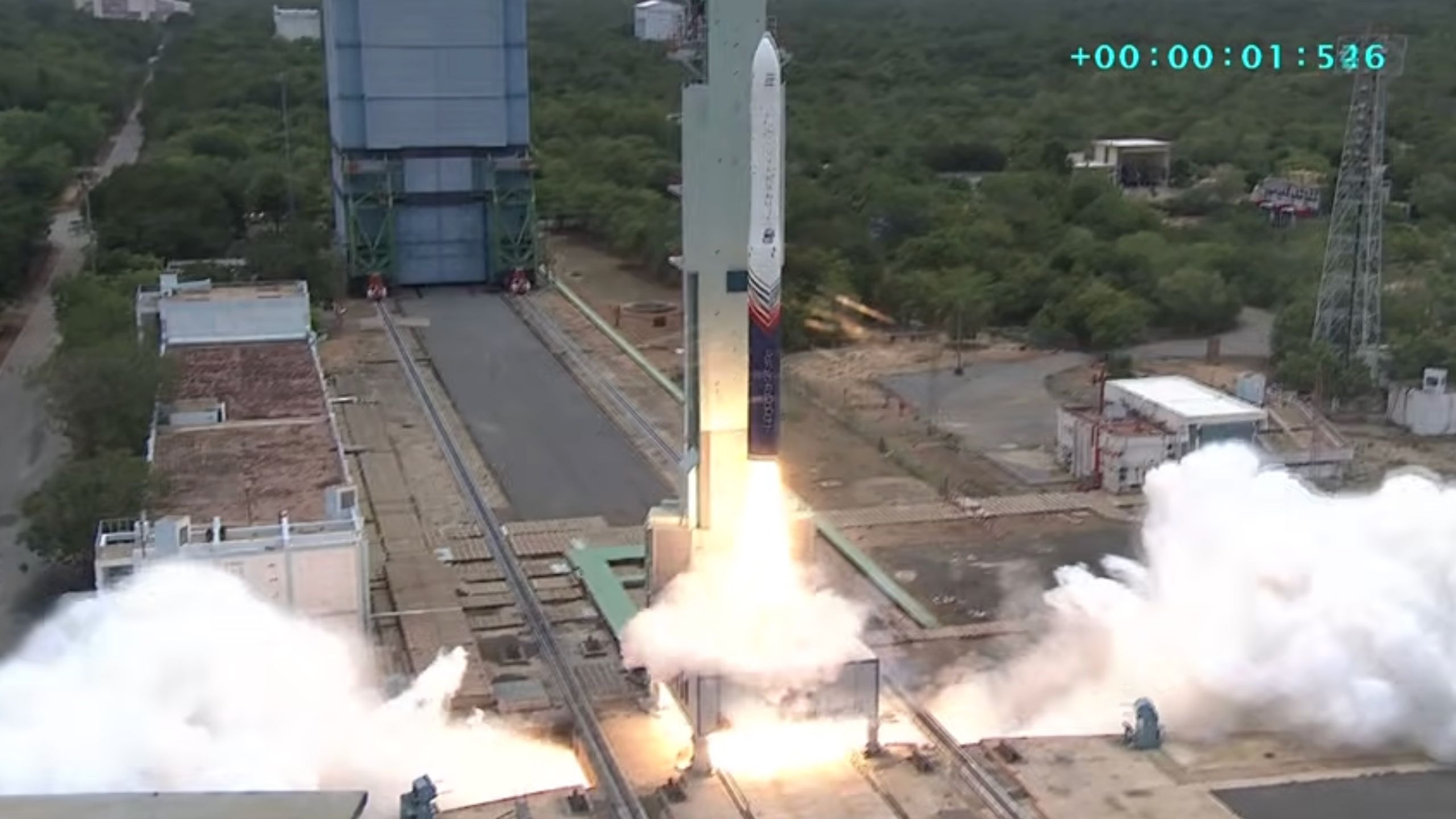
India is at a pivotal moment in its space exploration narrative as it grapples with an unexpected challenge: a significant talent drain from the Indian Space Research Organisation (ISRO), the country's premier space agency. On July 14, 2026, the Indian Department of Space (DoS) took decisive action by introducing an emergency administrative directive aimed at curbing the rapid exit of senior technical personnel from ISRO. This move comes in response to the burgeoning domestic private aerospace sector, which has been attracting seasoned experts with lucrative offers.
The new directive halts routine resignations and voluntary retirements among ISRO’s senior staff, elevating all Group "A" scientific exit applications directly to the DoS for review. This measure seeks to prevent critical delays in flagship orbital missions by ensuring that experienced personnel remain engaged until their projects reach full technical realization.
Escalating Attrition Across Key Space Centers
The situation is particularly acute at certain ISRO centers. The U R Rao Satellite Centre (URSC) has borne the brunt of this attrition, losing approximately 80 specialized personnel. Similarly, the Vikram Sarabhai Space Centre (VSSC) has seen at least 20 senior staff members depart from its primary rocketry divisions. Prominent exits include Victor Joseph, the project director for the LVM-3 heavy-lift launch vehicle, and the primary project director for the SpaDeX space docking experiment.
This exodus of talent mirrors a historical precedent set by NASA in the 1980s, when the commercialization of the U.S. Space Shuttle infrastructure led to similar challenges. NASA managed to mitigate these issues by integrating private contractors directly into civil programs, thus shifting from an exclusive developer model to a primary anchor customer role. India's current challenge underscores the complexity of balancing national space aspirations with the dynamism of an emerging private sector.
Private Sector Boom and Budgetary Expansion
India's private space industry is on the rise, with companies actively building rockets and satellites to capture a larger share of the global space economy. This growth has been further catalyzed by a significant increase in India's space budget, which now stands at $1.64 billion for the 2026-2027 fiscal year. However, this expansion has inadvertently accelerated the hiring pipelines of private firms, making them more attractive to state-trained specialists.
Balancing National Security and Commercial Viability
The DoS's intervention highlights the delicate balance between fostering a competitive private sector and safeguarding national security interests. As commercial entities gain momentum, national space regulators are also adapting their oversight of commercial remote sensing operators to address the widening capability gap between international defense frameworks and private earth observation technologies.
Future Implications and Strategic Considerations
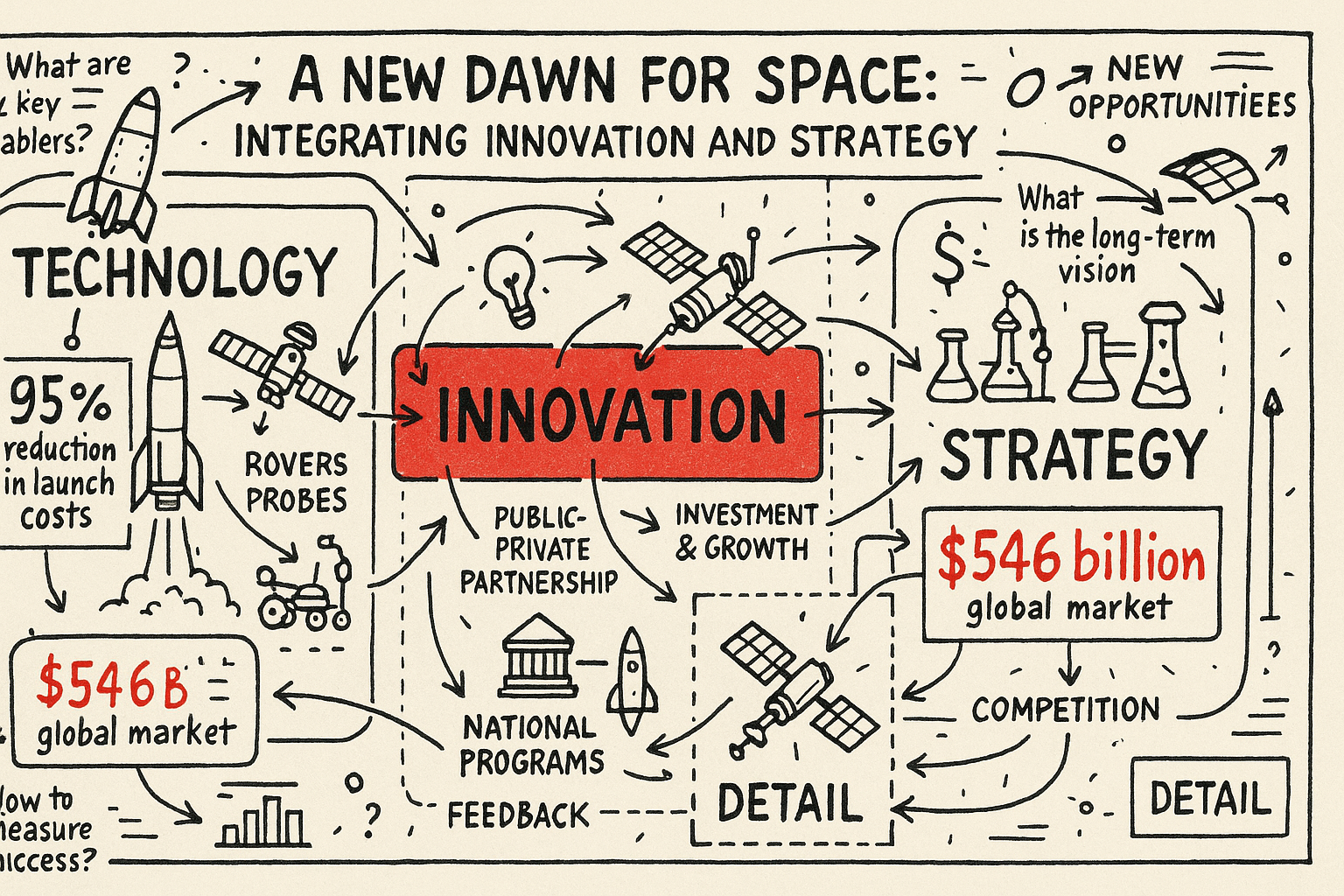
The ongoing talent retention efforts by ISRO are crucial for maintaining the momentum of India's ambitious space missions. As the country navigates these challenges, strategic partnerships between the government and private firms could offer a viable path forward. By fostering collaborative ventures, India can leverage the strengths of both the public and private sectors to achieve its space exploration goals.
Looking ahead, the trajectory of India's space sector will depend on its ability to adapt to these evolving dynamics. Ensuring that ISRO remains a competitive and attractive employer will be key to sustaining its leadership in space exploration. Meanwhile, the private sector's role in shaping India's space ambitions is poised to grow, potentially heralding a new era of innovation and achievement in the global space landscape.