FCC Approves Satellite Spectrum License Streamlining
The Federal Communications Commission (FCC) has taken a significant step towards revolutionizing the satellite industry by approving a comprehensive overhaul of its spectrum licensing process. This move, announced on July 22, 2026, aims to cut red tape and facilitate smoother operations across military, civil, and commercial sectors, potentially accelerating the commercial space economy.
Central to this reform is the introduction of what the FCC describes as a “licensing assembly line.” This new process modularizes applications, allowing for faster and more predictable processing. The changes also update the traditional licensing framework, replacing the legacy Part 25 rules with a new Part 100 framework, designed to expedite application handling and enhance transparency.
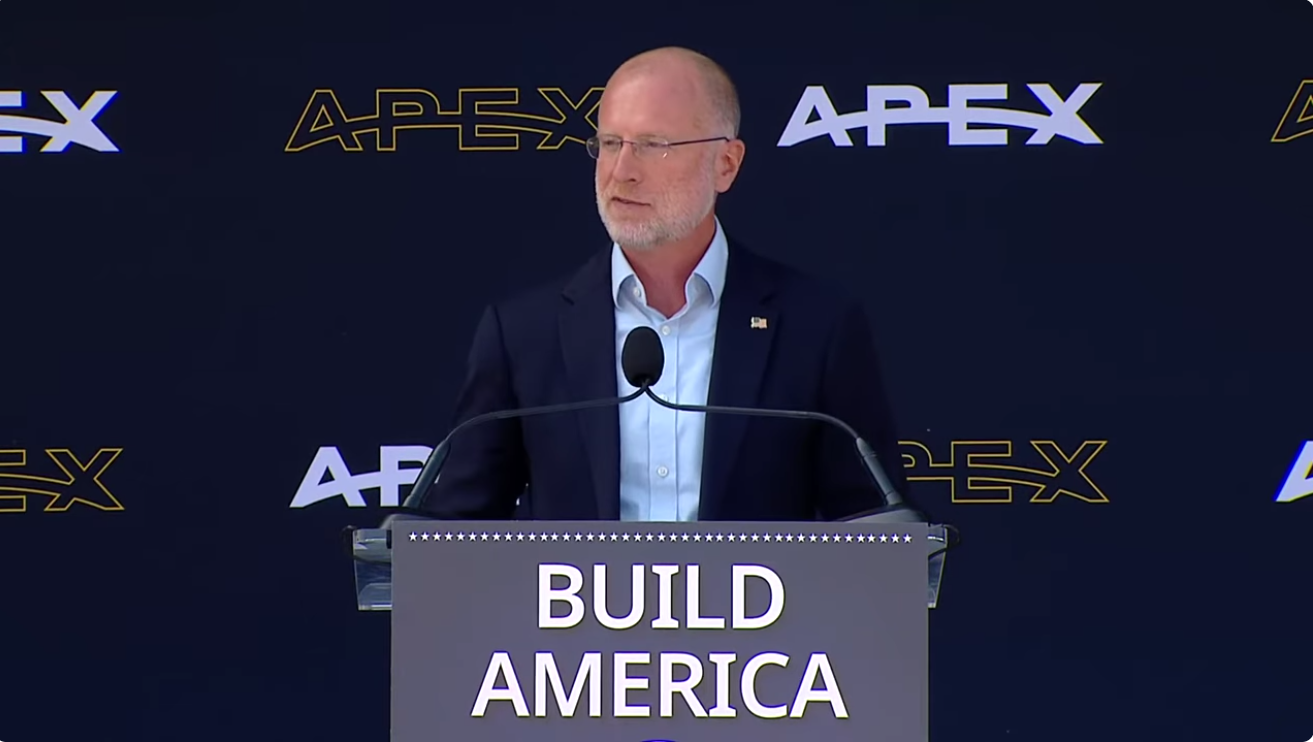
FCC Chairman Brendan Carr emphasized that the new rules would set “bright-line criteria” for evaluating when an application serves the public interest. This approach aims to eliminate unnecessary regulations and enhance clarity on the exceptions that require further scrutiny. The reforms also include a requirement for satellite operators to share space situational awareness data to bolster space safety.
Industry Response and Implications
The space industry has widely welcomed the FCC’s decision. The Commercial Space Federation (CSF) and the Space Industry Association (SIA) have both issued statements commending the FCC’s efforts to modernize satellite licensing. CSF hailed the move as a crucial step for maintaining American innovation and space dominance, while SIA President Tom Stroup noted that the reforms would provide more predictability and benefit the broader satellite community.
In addition to licensing reforms, the FCC also approved the clearance of additional C-band spectrum for a 5G auction scheduled for July 2027. This decision will see 160 megahertz in the 3.98-4.14 gigahertz band auctioned, following the 2020 sale of 280 MHz of lower C-band that generated over $80 billion. The aim is to create a 440 MHz “super band” for terrestrial wireless networks, with services expected to launch in the top 75 U.S. markets by December 2030.
European satellite operators SES and Eutelsat, who currently use the C-band for U.S. TV service distribution, will need to relocate to other frequencies. The FCC has stated that the total incentives for satellite operators in this auction will be less than those paid after the 2020 auction, but still substantial given the reduced spectrum being cleared.
Ensuring Safety and Future Prospects
To address potential safety concerns, the FCC has collaborated closely with the Federal Aviation Administration (FAA) to ensure that the C-band services coexist with critical aviation safety tools, such as radio altimeters. Chairman Carr assured that the FAA would upgrade these tools and provide rebates to support eligible aircraft operators, ensuring no disruption to aviation safety.
Despite the positive reception, FCC Commissioner Anna Gomez partly dissented due to the agency’s decision not to give tribal nations a chance to secure frequencies before the broader auction. However, the FCC’s broader policy changes, including opportunities for industry feedback on future licensing reforms, signal an ongoing commitment to evolving the regulatory landscape to support space innovation.
These developments underscore the FCC's pivotal role in shaping the future of the satellite industry. By streamlining processes and reallocating spectrum, the FCC is poised to support the growth of next-generation communications infrastructure and bolster the United States' position in the global space race.