In an era where space exploration is increasingly intertwined with national politics and economic imperatives, understanding public sentiment is crucial. A recent survey conducted by Global Strategy Group (GSG), titled The Next Frontier: Public Attitudes Towards Space and the Space Economy, provides insight into American perspectives on this burgeoning sector. The findings reveal a complex interplay of enthusiasm, practicality, and geopolitical considerations.
According to the survey, conducted in May 2026 with 1,000 U.S. voters, a notable 69% of respondents expressed interest in space. This enthusiasm, however, is not without caveats. A substantial 58% of surveyed individuals believe that domestic issues should take precedence over space exploration investments. This sentiment underscores a pragmatic approach that weighs the benefits of space ventures against pressing terrestrial challenges.
Despite this cautious stance, many Americans recognize the tangible advantages that can arise from space exploration. Economic growth, job creation, technological innovation, and national security were identified as top priorities. These factors suggest that while the public remains wary of unchecked spending, they are aware of the potential for space activities to contribute positively to the U.S. economy and its global standing.
One of the key takeaways from the survey is the importance of maintaining U.S. leadership in space. A significant 76% of respondents, spanning the political spectrum, support robust investment to ensure the U.S. remains at the forefront of space exploration. This perspective harks back to the Cold War era when geopolitical rivalry spurred the Apollo program. The fear of being surpassed by nations like Russia or China remains a potent motivator, even if it demands greater financial commitment.
However, this desire for leadership is not without concern. The survey indicates that 55% of respondents anticipate a space-related conflict within the next 20 years. This potential for conflict adds another layer of complexity to the public’s views, suggesting that while space is a frontier of opportunity, it is also one fraught with risks.
These findings resonate with similar trends in other countries. For instance, a survey by Abacus Data revealed that 68% of Canadians support the development of their own sovereign satellite launch capabilities. This alignment underscores a broader international trend where nations recognize the strategic importance of space and the need for domestic capabilities.
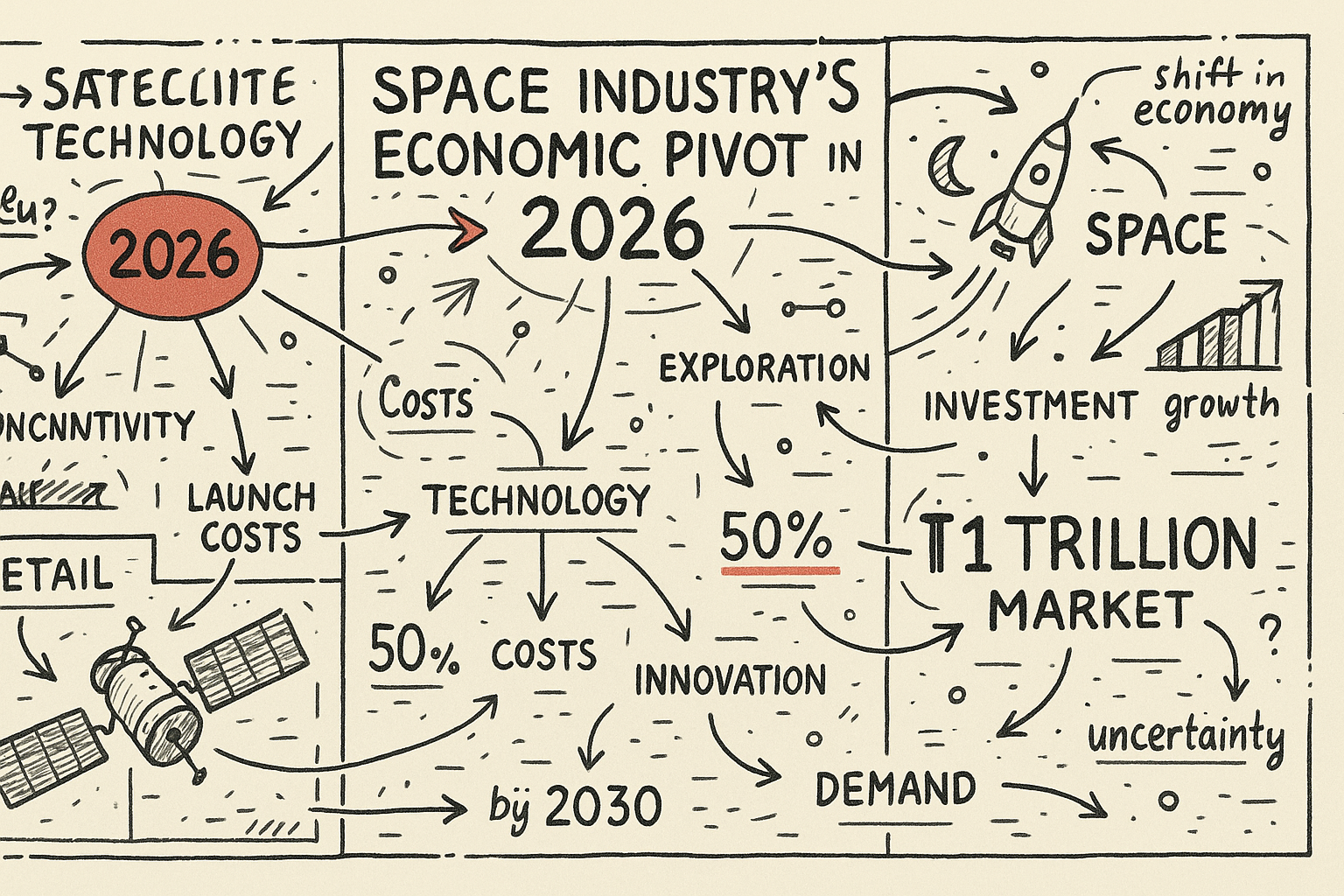
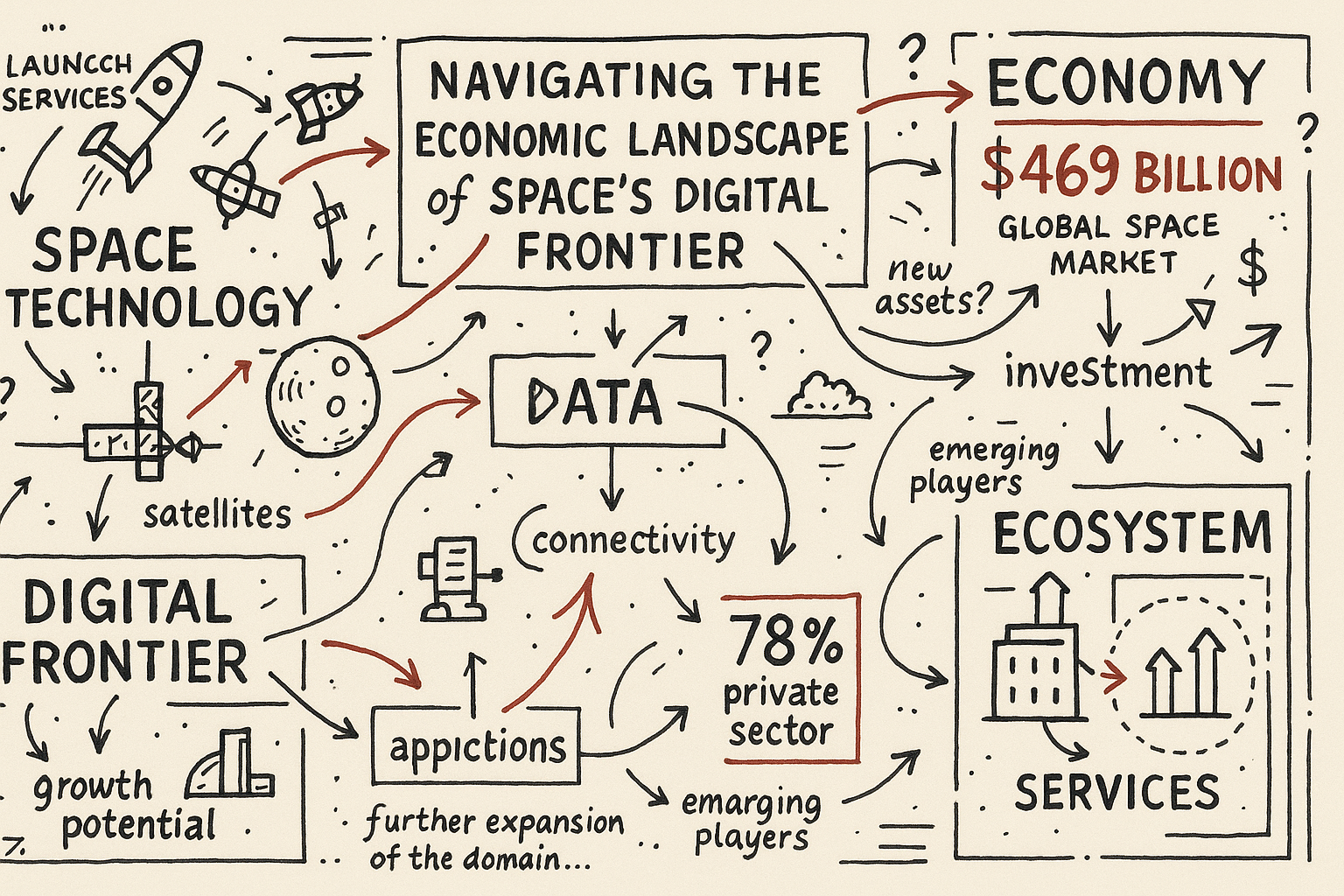
The global space economy, currently valued at $686 billion, continues to expand, with projections indicating further growth. The burgeoning market is driven by advancements in commercial space activities and increased governmental investments. Despite this growth, experts caution that a sustainable space economy requires more than just a bullish market. Policymakers must balance economic ambitions with regulatory frameworks that ensure long-term viability and security.
As we move further into the 21st century, the intersection of public opinion, policy, and technology will shape the trajectory of space exploration. The U.S. public’s nuanced perspectives highlight the need for a balanced approach that addresses both immediate terrestrial concerns and the strategic advantages of space endeavors.
The survey from GSG offers a snapshot of current American attitudes towards space, reflecting a blend of optimism and caution. As space agencies and private companies continue to push the boundaries of what is possible, they will need to navigate these public sentiments to secure the political and financial support necessary for their ambitious projects.