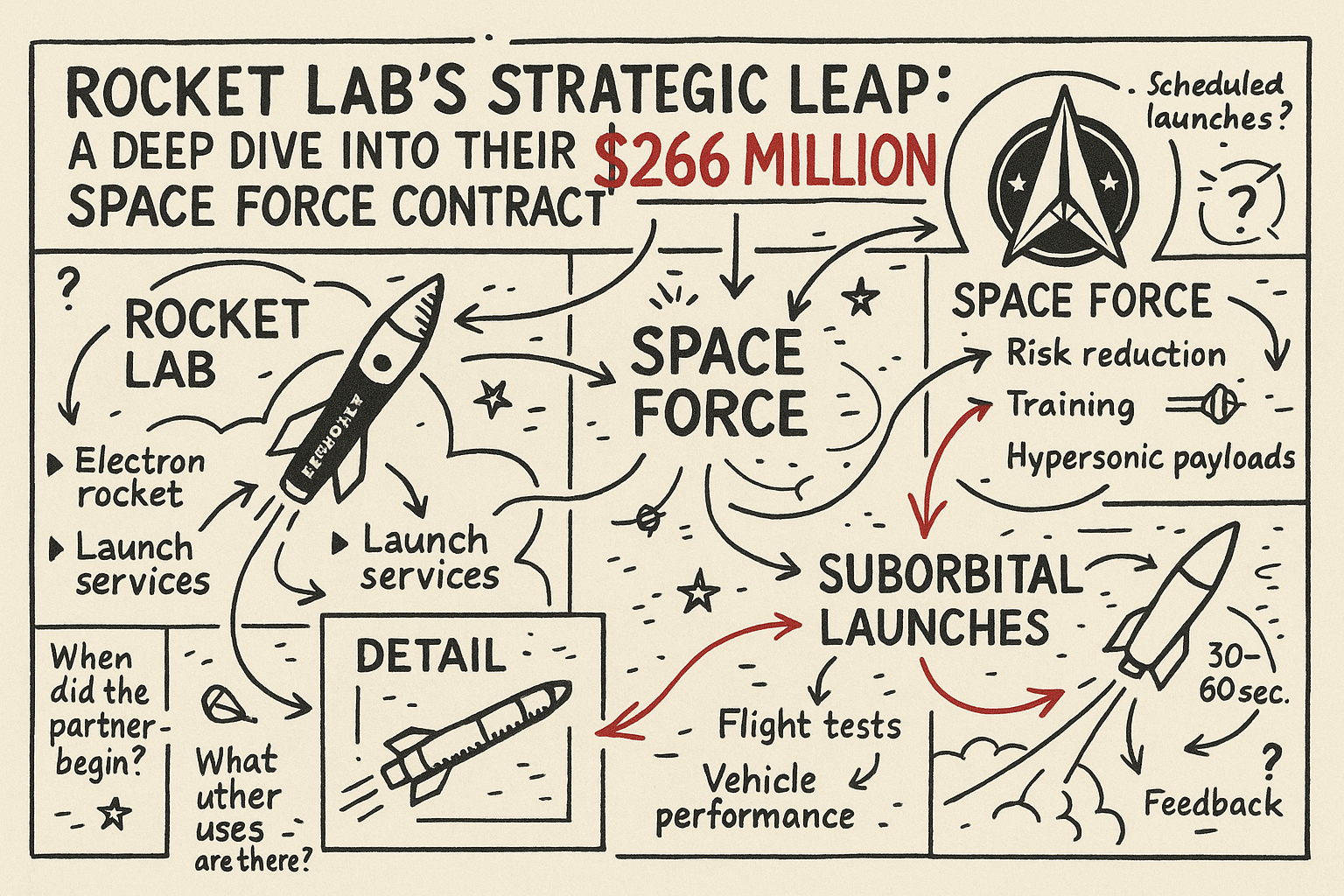
In an ambitious expansion of its launch infrastructure, Rocket Lab has announced plans to establish a new launch site in Alaska. This development is part of a significant $266 million contract with the U.S. Space Force, marking Rocket Lab's largest award to date. The contract, facilitated by the Space Systems Command's Rocket Systems Launch Program, encompasses up to 18 suborbital missions aimed at bolstering the Pentagon's capacity for hypersonic and missile defense testing.
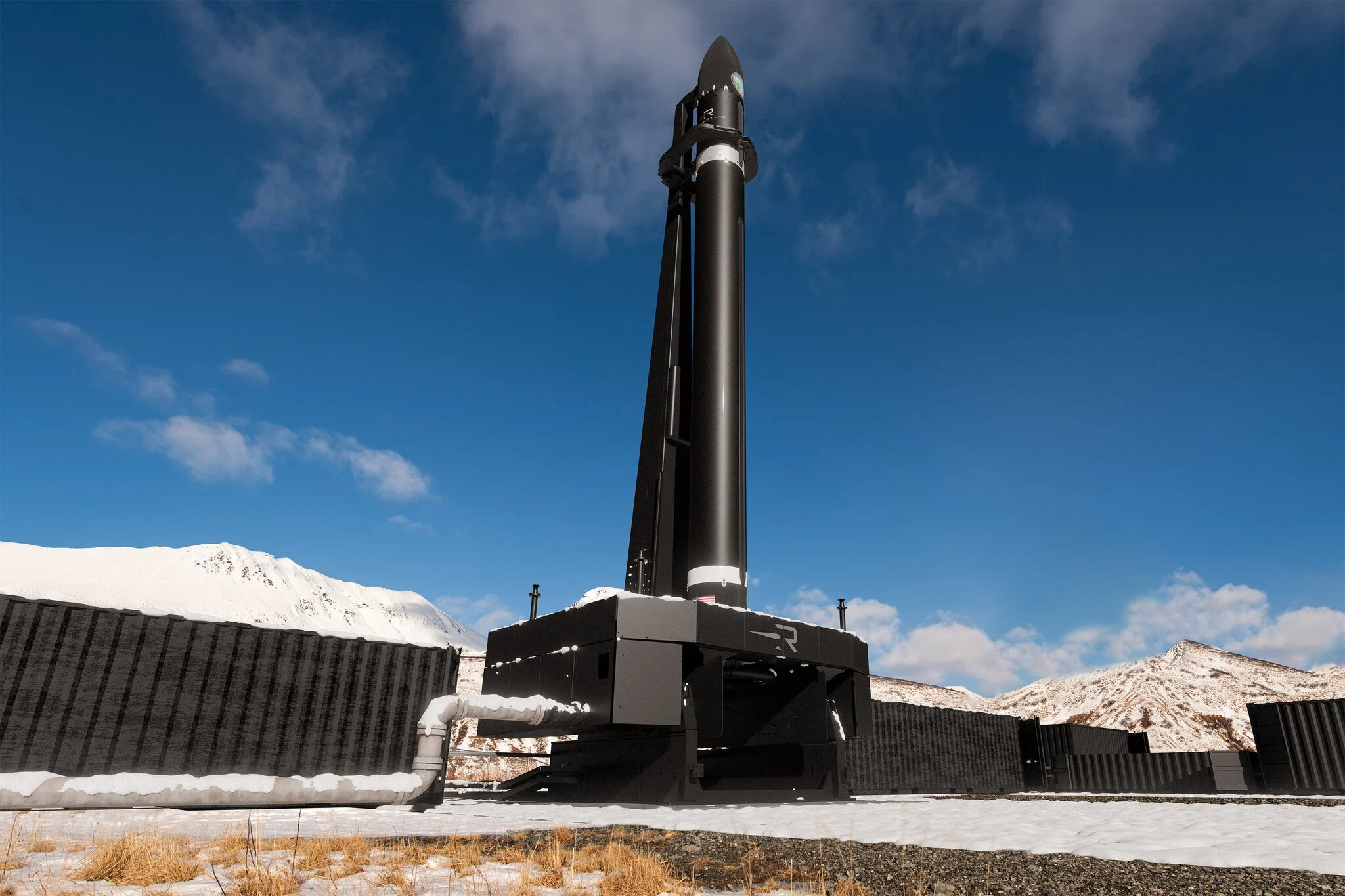
The new launch site will be situated at the Pacific Spaceport Complex-Alaska (PSCA) on Kodiak Island. This location will serve as Rocket Lab's fourth launch site, complementing its existing facilities in New Zealand and Virginia. The contract details the execution of 12 guaranteed launches with an option for an additional six, with the first mission penciled in for late 2026. The program is expected to be completed by the end of 2028.
This contract underscores Rocket Lab's growing role in providing launch services for national security missions, expanding beyond its traditional focus on commercial small satellite launches. The company's Electron-derived HASTE suborbital vehicle is specifically tailored for hypersonic and missile defense tests, a sector where the military has expressed a need for more frequent testing opportunities. As Peter Beck, Rocket Lab's founder and CEO, noted, this contract reflects the military's increasing demand for reliable launch services to support critical defense initiatives.
While specific details about the configuration of the new Kodiak site remain undisclosed, Rocket Lab has indicated that most of the contracted missions will launch from this location. This suggests a strategic focus on suborbital missions from the Alaskan site, leveraging its geographic advantages for certain types of military tests.
The Rocket Systems Launch Program, which awarded this contract, is designed to provide responsive launch services across research, development, and operational test missions for the Department of Defense. This initiative is part of a broader effort to enhance the U.S. military's capabilities in missile defense and hypersonic technologies. Industry experts have noted that limited test infrastructure has historically slowed progress in these areas, making Rocket Lab's contribution particularly significant.
The decision to expand into Alaska aligns with Rocket Lab's broader strategic objectives of enhancing its launch capabilities and solidifying its role as a key player in defense-related space operations. This move also reflects a trend within the aerospace industry towards leveraging diverse geographic locations for launch operations, thereby increasing flexibility and capacity.
Overall, Rocket Lab's new venture in Alaska represents a pivotal step in its evolution from a dedicated launch provider to a comprehensive enabler of critical national security missions. As the company continues to integrate vertically across the satellite communications market, its infrastructure expansion in Alaska could set the stage for further growth in both commercial and defense sectors.
Looking ahead, Rocket Lab's involvement in the U.S. Space Force's initiatives highlights the increasing intersection between commercial space companies and military applications. As global tensions and technological advancements drive the need for more advanced defense capabilities, partnerships like the one between Rocket Lab and the U.S. Space Force are likely to become more commonplace, representing a new era in space exploration and defense.