The realm of space exploration and defense has taken a significant leap forward as private companies True Anomaly and Rocket Lab have successfully executed a complex orbital mission for the U.S. Space Force. This collaboration signifies a pivotal moment where private sector capabilities are not only complementing but also enhancing military operations in space.
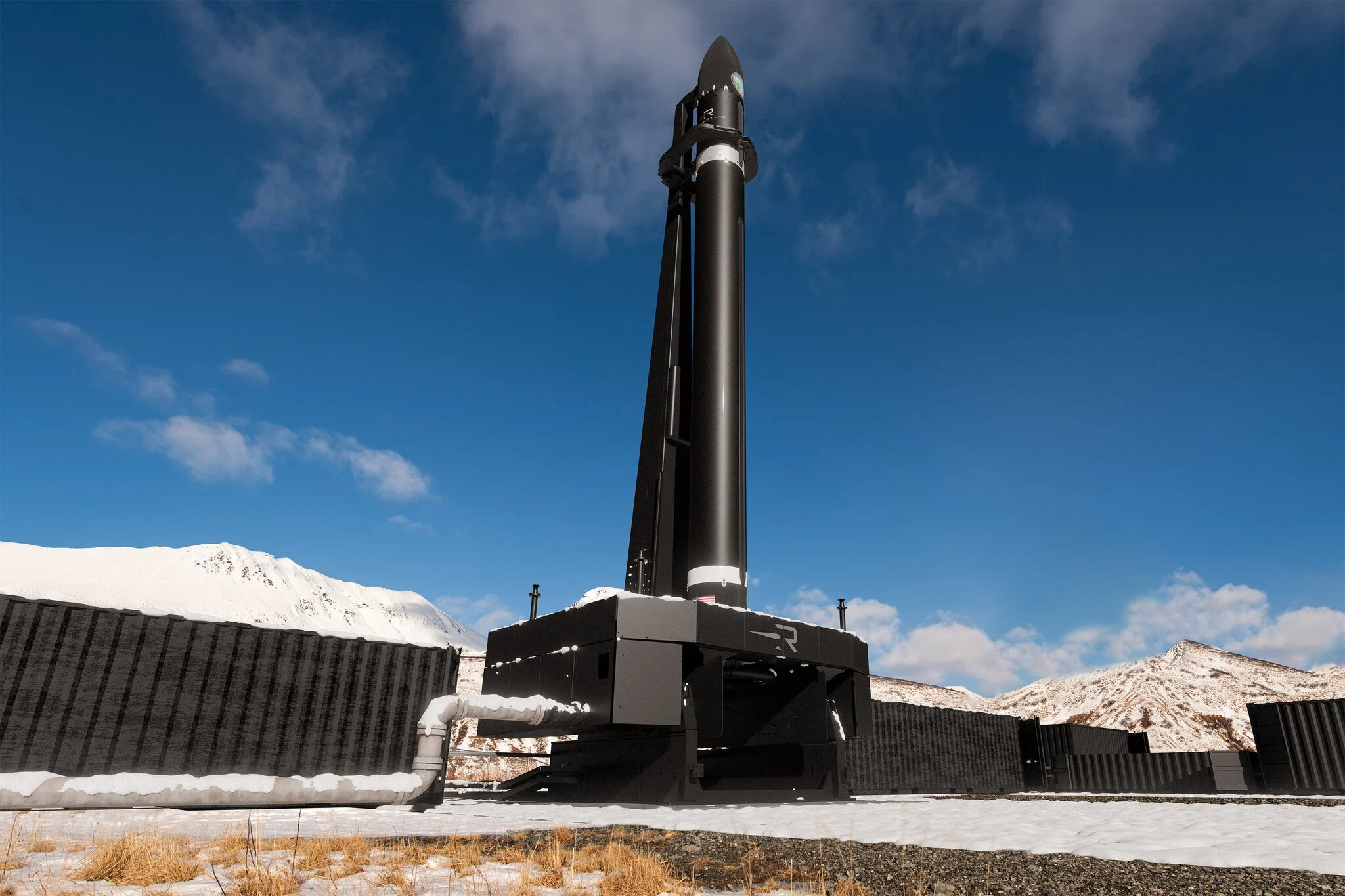
The mission, dubbed Victus Haze, involved an intricate rendezvous between two satellites in orbit. Rocket Lab, known for its rapid response capabilities, launched a spacecraft called Puma with a remarkable turnaround time of just 16 hours and 42 minutes after receiving notice. This is a stark contrast to the usual months-long preparation period for rocket launches, showcasing the agility and readiness of private space entities.
Once Puma was in orbit, a Jackal spacecraft, built by True Anomaly, was tasked with intercepting it. The challenge was magnified by the fact that the Jackal did not have prior knowledge of Puma's exact location in space. Instead, it relied on its onboard sensors to detect and identify the target from a distance of 2,000 kilometers. The Jackal then maneuvered close to Puma—how close remains classified—to capture imagery of the spacecraft from various angles before returning to its initial orbital position.
This mission is a testament to the increasing role of the private sector in addressing the U.S. military's strategic challenges in space. According to Even Rogers, CEO of True Anomaly and a veteran of military space efforts, there are significant gaps in the current collection capabilities of the U.S. Space Force. As global powers like China and Russia continue to develop novel space weapons, understanding these capabilities becomes crucial for national security.
The successful execution of this mission highlights the potential of private companies to perform complex space operations traditionally managed by government entities like NASA and the Space Force. True Anomaly and Rocket Lab are pushing the boundaries of what is possible in space operations, with their achievements being likened to the complexity of human space flight missions.
Historically, private sector involvement in space has been primarily focused on commercial ventures. However, the current collaboration with the U.S. Space Force marks a shift towards utilizing private expertise for national defense purposes. This transition is further emphasized by the potential for future exercises of increasing difficulty, which may involve evasive maneuvers and additional inspection tasks by both Puma and Jackal spacecraft.
The implications of such collaborations are profound. As space becomes an increasingly contested domain, the ability to rapidly and effectively respond to potential threats is paramount. The involvement of private companies not only enhances the capabilities of the U.S. military but also fosters innovation and competition within the space industry.
In conclusion, the Victus Haze mission is a clear indicator of the evolving dynamics in space exploration and defense. The successful partnership between True Anomaly, Rocket Lab, and the U.S. Space Force demonstrates that the private sector is ready and capable of playing a critical role in safeguarding national interests in space. As these companies prepare for more challenging exercises, the future of space operations looks promising, with the potential for further breakthroughs in technology and strategy.