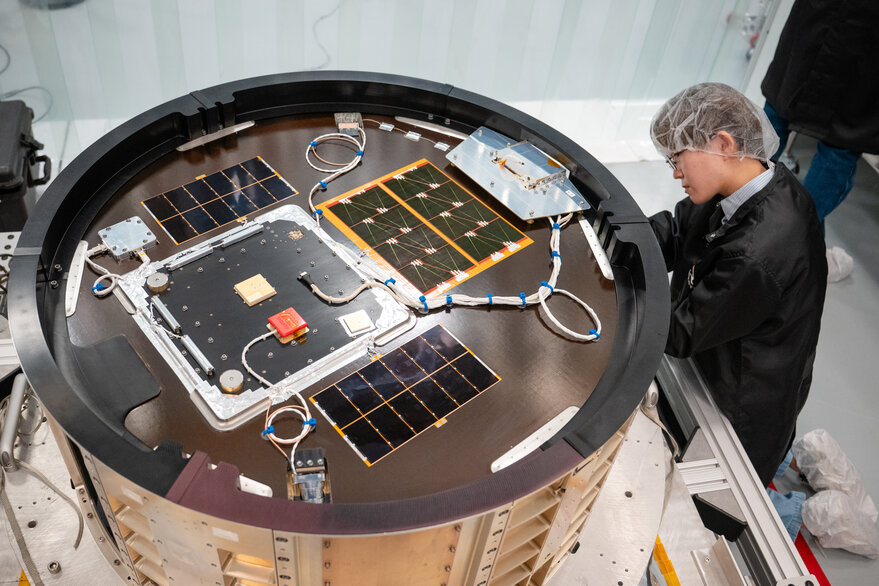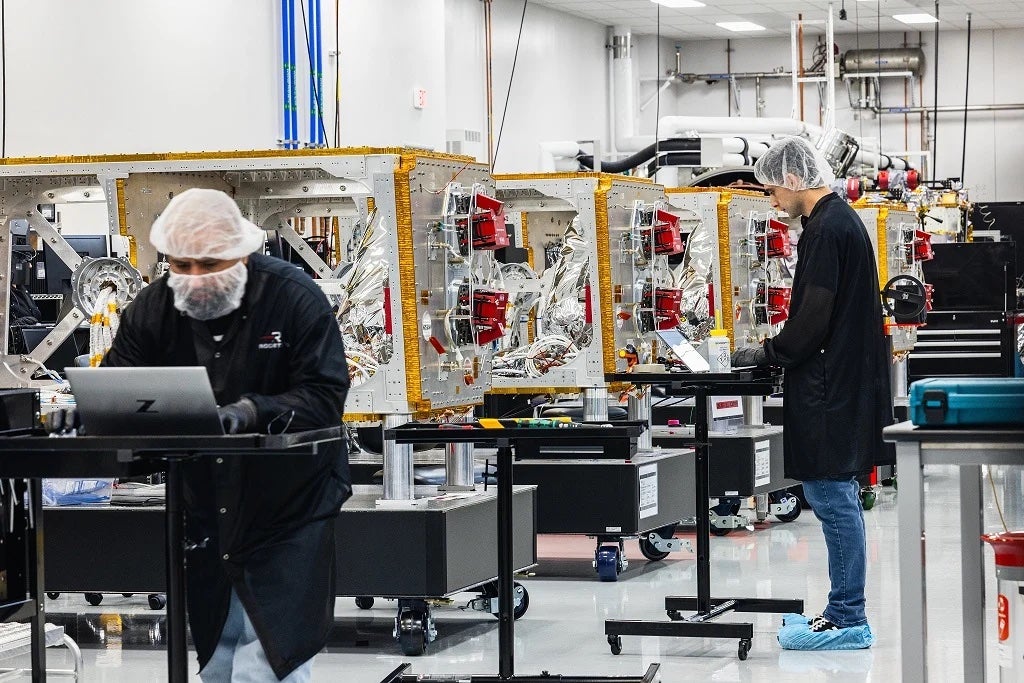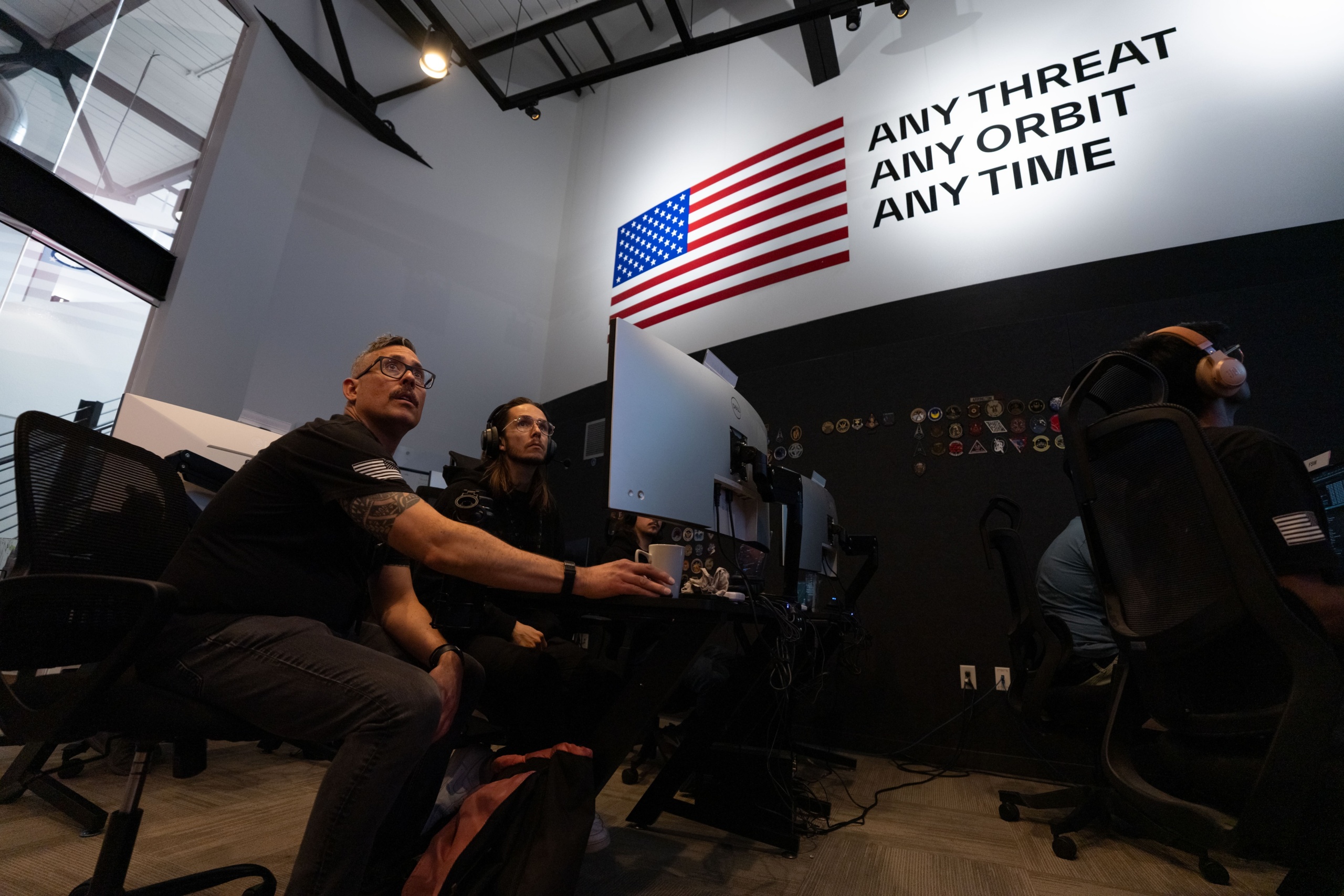
In a significant leap for tactically responsive space operations, True Anomaly has successfully completed its first VICTUS HAZE mission. The mission culminated with the Jackal spacecraft, aptly named Panther for this exercise, locating and imaging a Rocket Lab satellite, known as Puma, in orbit. This achievement highlights the evolving capabilities in space technology and the importance of responsive strategies in low Earth orbit operations.
The mission's success is underscored by the swift execution of tasks. Rocket Lab was able to launch less than 17 hours after receiving an alert from the Space Systems Command (SSC). True Anomaly's Jackal spacecraft then demonstrated its prowess by locating Puma within a few hours, approaching it, and capturing detailed images. Despite Puma's role as a non-cooperative target, which did not actively avoid detection, True Anomaly delivered the necessary imagery to the military within 61 hours, beating the 72-hour deadline set by SSC.
Even Rogers, CEO of True Anomaly, emphasized the mission's role in simulating real-world conditions, akin to tracking an adversarial spacecraft. By restricting direct communication between the companies involved, the mission closely mimicked potential real-world scenarios. Rogers highlighted that this mission represents a pivotal moment for responsive operations in space, particularly in low Earth orbit.
Looking forward, SSC plans to engage both True Anomaly and Rocket Lab in a series of missions that will progressively increase in complexity and speed. This 'crawl, walk, run' approach aims to refine and advance the strategies and technologies used in tactically responsive space operations. Importantly, because these missions remain unclassified, there is an opportunity for broader dissemination of their findings, thereby informing lawmakers, policymakers, and key stakeholders involved in space operations.
The VICTUS HAZE mission underscores a broader trend in modern military operations, where space-based technologies are becoming increasingly integral. The US Army, for example, has established a Space Operations Branch to better integrate these capabilities into its overall military strategy. This aligns with the growing recognition of space as a critical domain for national security and defense.
True Anomaly's recent success with its Jackal vehicle in the Mission X-3 test further cements its position as a leader in autonomous orbital vehicles. By completing all test objectives, True Anomaly has cleared significant milestones towards the full commissioning of its spacecraft.
As these advancements unfold, the collaboration between companies like True Anomaly and Rocket Lab with military entities highlights the evolving landscape of space operations. The ability to quickly respond to and manage space-based threats will be crucial as nations increasingly rely on orbital technologies for both civilian and military applications.