Rocket Lab's recent launch of the Victus Haze mission marks a significant milestone in the realm of responsive space operations. This mission, conducted for the U.S. Space Force, is part of the Tactically Responsive Space (TacRS) initiative, which aims to enhance the agility and readiness of space operations through rapid deployment capabilities.
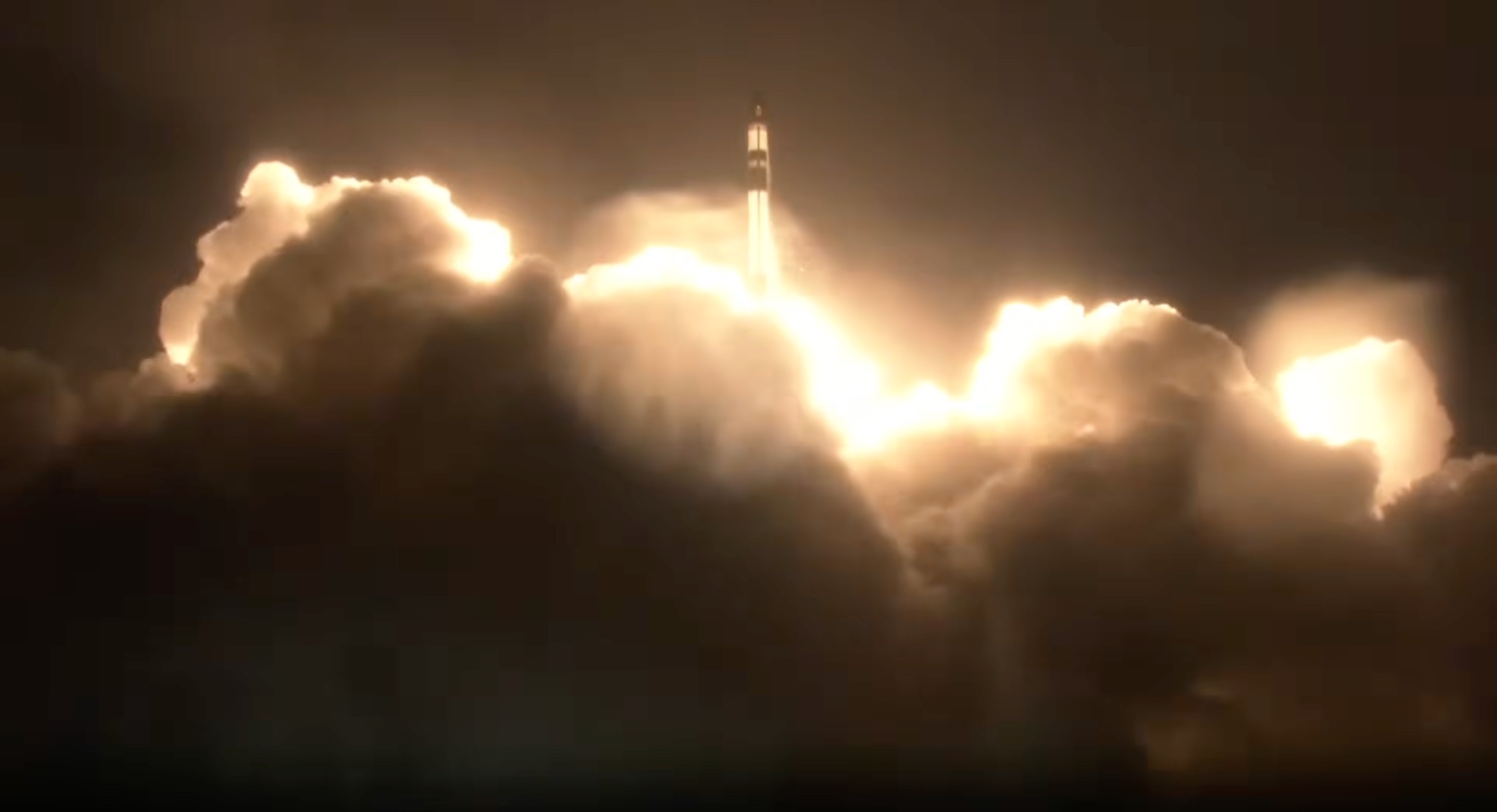
Launched from Rocket Lab's Launch Complex 1 in New Zealand, the mission took off at 10:19 pm NZT on June 19, just 16 hours and 42 minutes after Rocket Lab received the notice to proceed from the Space Systems Command (SSC). This rapid turnaround is a testament to the advancements in launch operations and mission preparedness, setting a new record for TacRS missions.
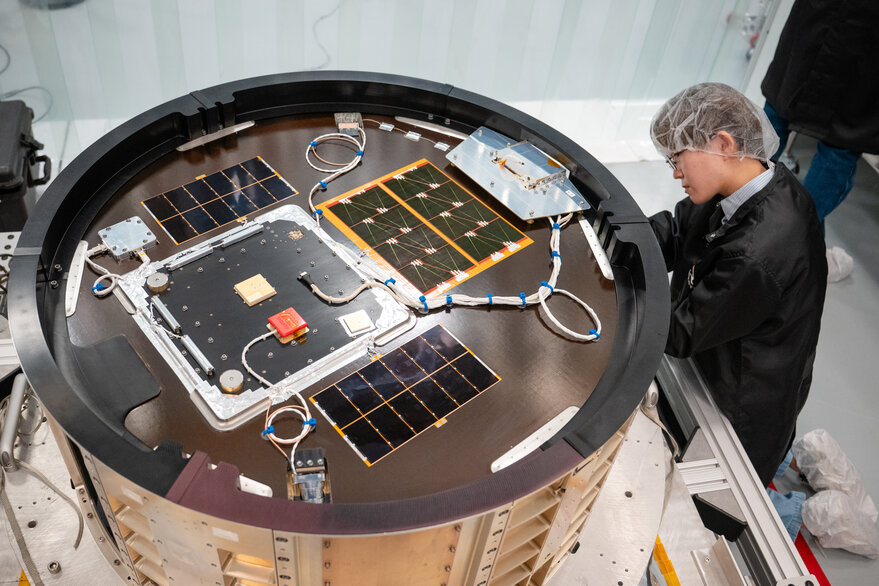
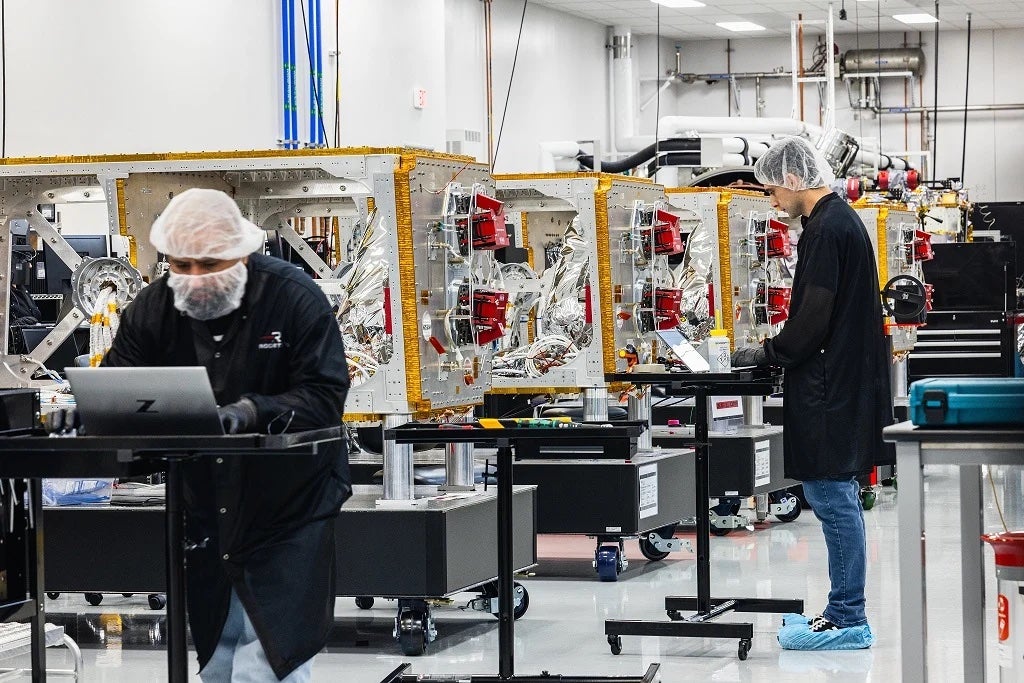
The mission's centerpiece is the Rocket Lab-built Pioneer spacecraft, designed for rendezvous and proximity operations (RPO) in Low-Earth Orbit (LEO). The swift commissioning of the spacecraft, completed in just 37 hours and 36 minutes, well ahead of the 72-hour deadline, underscores the capability for rapid deployment and operational readiness.
In its next phase, the Pioneer spacecraft will engage in RPO, simulating a rapid threat-response scenario alongside a non-compliant satellite. This interaction involves a True Anomaly JACKAL-0004 spacecraft, previously launched on a SpaceX rideshare mission in May. The collaboration between True Anomaly and Rocket Lab will demonstrate capabilities in space domain awareness (SDA) and satellite characterization, crucial for maintaining strategic advantages in space operations.
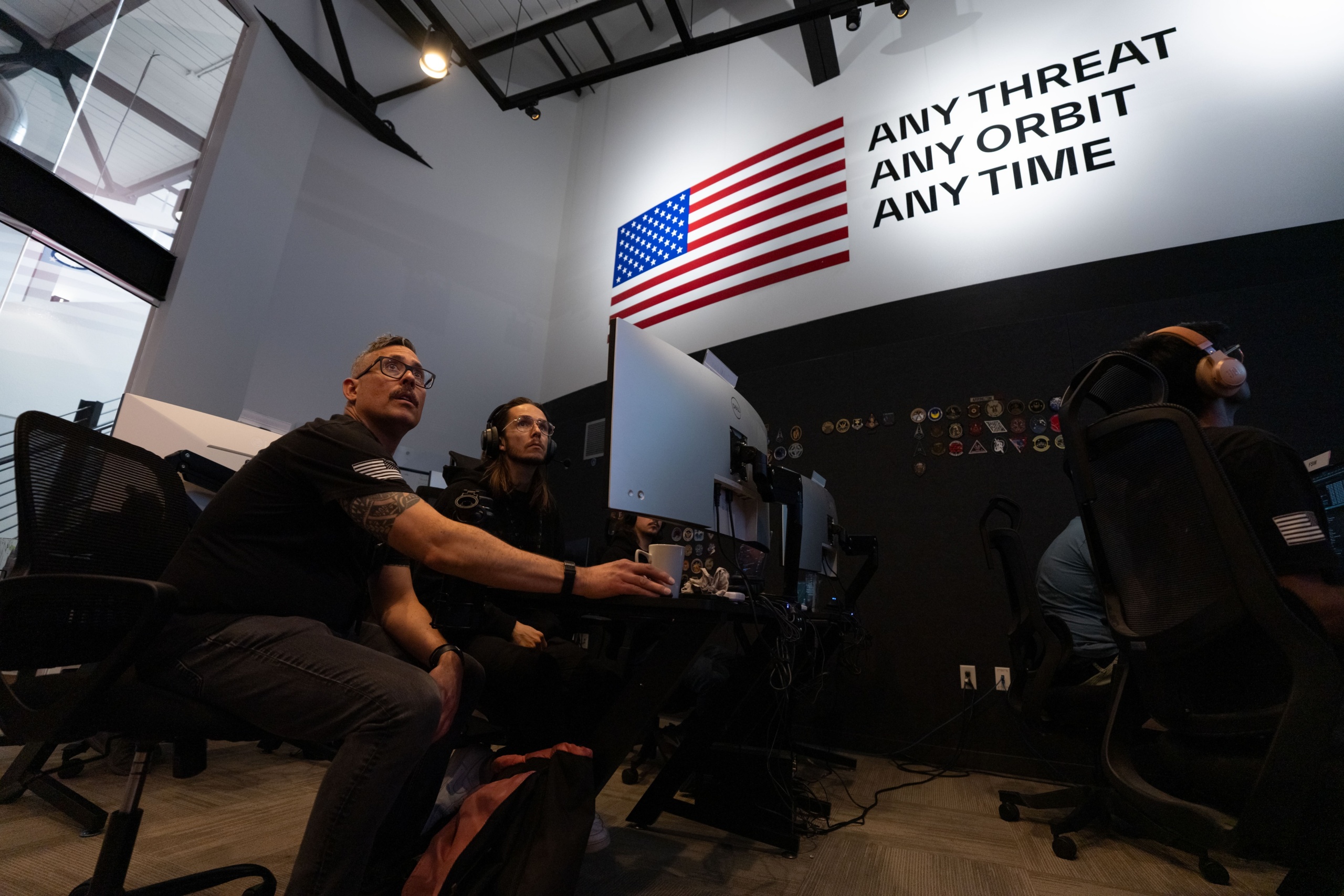
The Victus Haze mission exemplifies the U.S. Space Force's commitment to addressing potential threats and irresponsible behaviors in orbit. By leveraging commercial partnerships, the mission aims to maximize flexibility and minimize costs, as highlighted by Col. Bryon McClain, the acting Space Force portfolio acquisition executive for Space Combat Power.
This mission also highlights a broader trend in the space industry: the integration of launch and spacecraft capabilities. Rocket Lab CEO Peter Beck emphasized the transformative nature of their integrated mission capability, which allows for on-demand launches with spacecraft ready to secure national interests swiftly. This capability represents a significant advancement in reimagining national security space architecture.
Rocket Lab's achievement surpasses the previous TacRS record held by Firefly Aerospace's 2023 Victus Nox mission. That mission was fully prepared for launch within 24 hours and launched 27 hours after the call-up. Such rapid-response capabilities are becoming increasingly important as global reliance on space-based technologies and infrastructure grows. The ability to deploy and respond quickly to space-based threats or incidents is critical for maintaining operational security and strategic advantage.
As the space domain becomes an increasingly contested environment, initiatives like TacRS are vital for ensuring readiness and adaptability. The successful execution of the Victus Haze mission not only advances U.S. strategic interests but also sets a new standard for responsive space missions, potentially influencing future military and commercial space operations.
In conclusion, the Victus Haze mission represents a pivotal step forward in the evolution of space operations, demonstrating the power of integrated launch and spacecraft capabilities. As technologies continue to advance, the ability to rapidly deploy and respond in space will become an essential component of national security strategies.