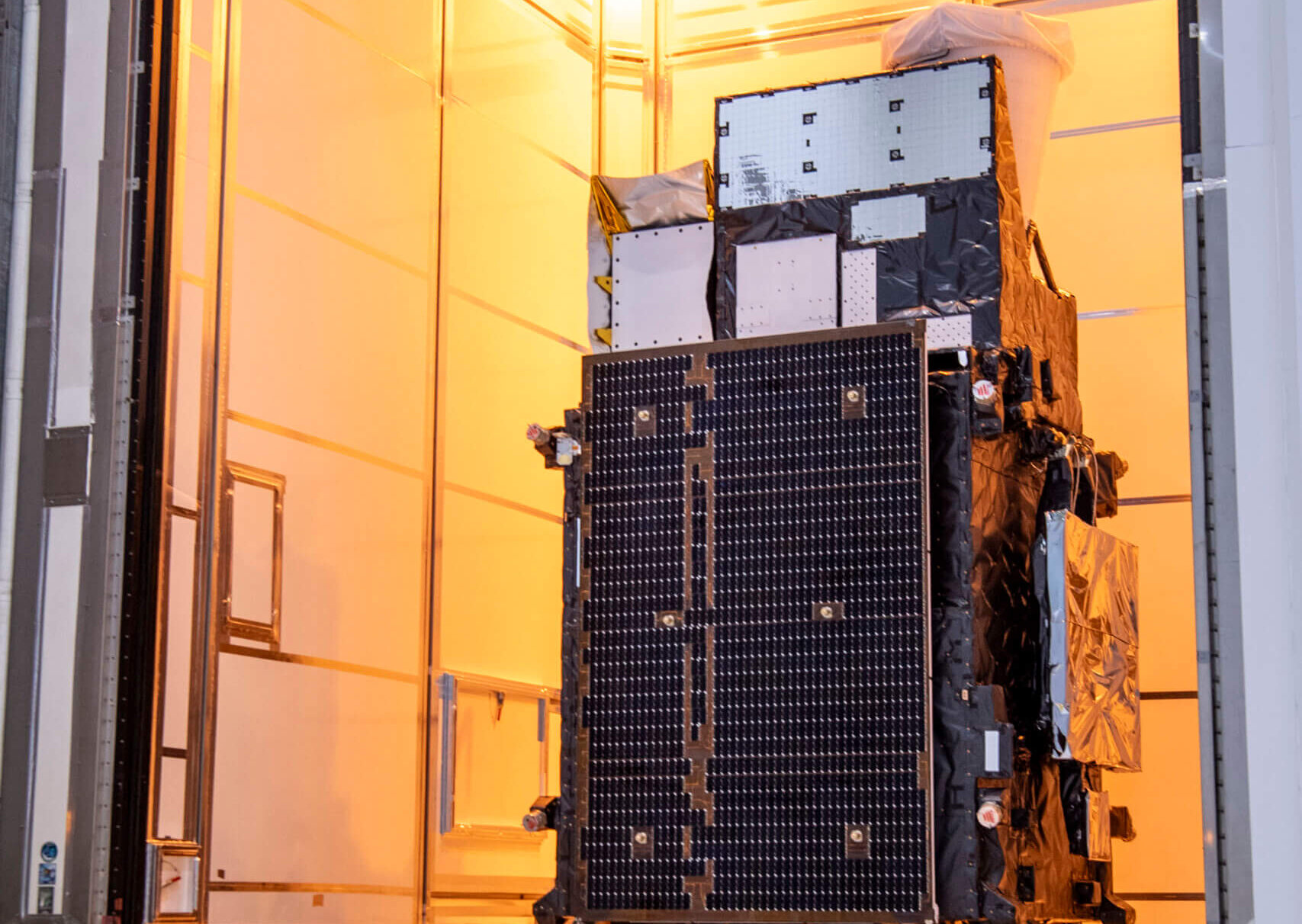
The Italian Space Agency (ASI) has embarked on an ambitious journey to amplify its Earth observation capabilities with the development of the PRISMA Second Generation satellite. This project, a collaborative effort between OHB Italia, Thales Alenia Space, and Leonardo, is set to provide advanced hyperspectral imaging capabilities that will significantly enhance environmental monitoring and resource management. Scheduled for launch in 2031, the satellite represents a leap forward in remote sensing technology.
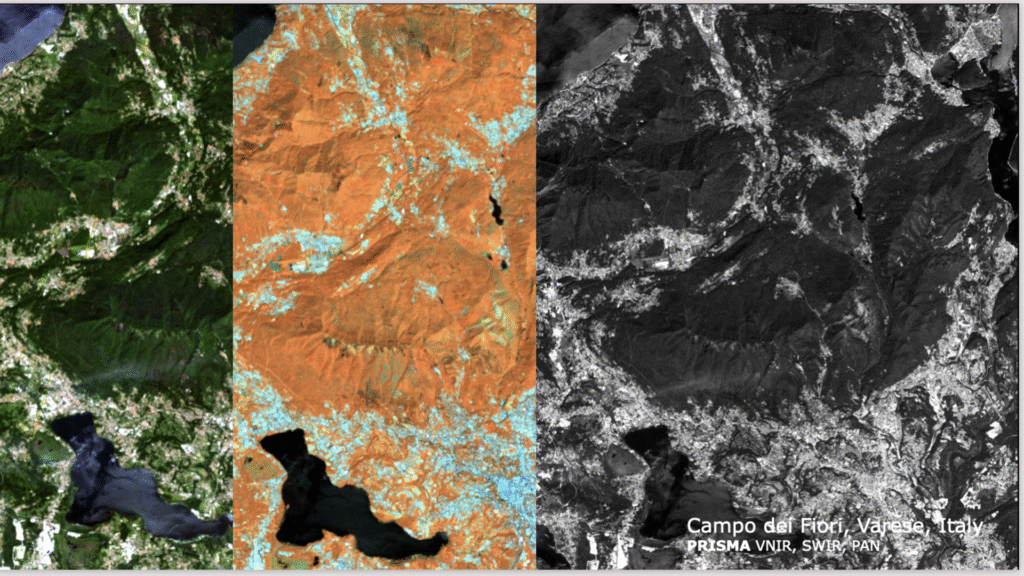
The PRISMA (PRecursore IperSpettrale della Missione Applicativa) Second Generation satellite builds on the success of its predecessor, which has been operational since 2019. The new satellite will carry an upgraded hyperspectral instrument developed by Leonardo, designed to offer improved functional and resolution capabilities. This advancement is aimed at providing more precise data on Earth's surface composition, vegetation, inland waters, and coastal environments.
OHB Italia leads the consortium as the prime contractor, responsible for the overall mission execution and system integration. Thales Alenia Space has been tasked with the development of the satellite platform, known as PRIMA-S, derived from their HE-R1000 product line. This platform is part of Thales Alenia Space's multi-mission Earth observation family, capable of supporting both optical and radar payloads in Low Earth Orbit and Medium Earth Orbit.
The PRIMA-S architecture is designed to significantly enhance the satellite's spatial resolution, achieving at least 10 meters per pixel, a substantial improvement from the 30-meter resolution of the first-generation PRISMA satellite. This enhanced resolution will be paired with increased platform and instrument agility, higher signal-to-noise ratios, and frequent orbital revisit cycles, enabling comprehensive and accurate monitoring across diverse spectral bands.
Roberto Formaro, Director of Engineering and Technologies at ASI, emphasized the strategic importance of this mission, stating, "PRISMA Second Generation represents a significant evolution of Italy’s Earth observation capabilities and confirms the value of our national technological and industrial competencies. The mission will provide increasingly accurate data to support scientific research, institutions, and operational applications for environmental and territorial monitoring."
The enhanced capabilities of the PRISMA Second Generation satellite are expected to complement existing national imagery streams, working alongside assets like the IRIDE satellite constellation and the COSMO-SkyMed radar satellites. This integration aims to strengthen Italy's position in the field of Earth observation, particularly in monitoring environmental changes and supporting resource management initiatives.
Giampiero Di Paolo, Deputy CEO and Senior Vice President of Observation, Exploration, and Navigation at Thales Alenia Space, highlighted the mission's potential impact: "This collaboration with the Italian Space Agency and OHB Italia represents a significant opportunity for Thales Alenia Space to advance its capabilities in Earth observation, benefiting the scientific community and supporting practical applications for improved environmental resource management and a better understanding of global phenomena."
The PRISMA Second Generation satellite is not only a testament to Italy’s growing capabilities in space technology but also a critical step towards addressing global challenges related to climate change and natural resource management. As the satellite prepares for its launch in 2031, it promises to deliver actionable insights that could shape environmental policies and strategies for years to come.