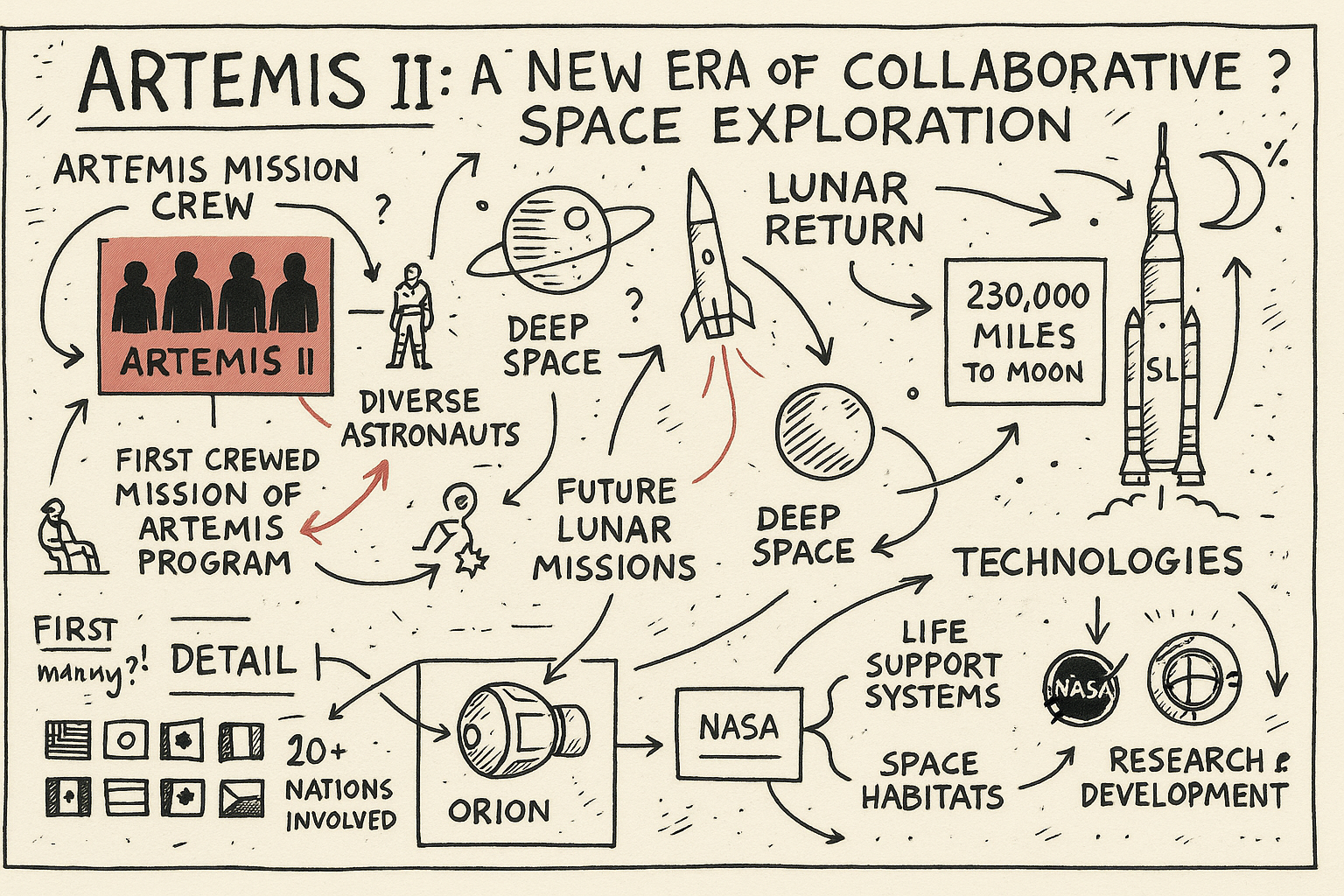
NASA's Artemis II mission is a pivotal step in the return of humans to the Moon, offering new insights into lunar science while preparing for future exploration. The mission, which saw a crew embark on a 10-day journey to the Moon, plays a dual role in advancing both technological capabilities and scientific understanding.
The Artemis II crew was tasked with a unique combination of technical and scientific responsibilities. As they navigated the far side of the Moon, they were not just astronauts but also scientific ambassadors. This mission allowed them to fly by and closely examine the Moon's far side, a region that remains largely unexplored and mysterious.
During the mission, the crew focused on analyzing and photographing geologic features such as impact craters. This scientific observation is critical for understanding the Moon's geological history and evolution. The data collected by the Artemis II crew will enrich our knowledge of lunar processes and provide a foundation for future missions.
Cindy Evans from NASA’s Johnson Space Center has played a crucial role in preparing the Artemis teams for these scientific endeavors. Her efforts ensure that the crew is well-equipped to handle the scientific tasks necessary for maximizing the mission's research potential.
The far side of the Moon, often shielded from Earth's view, offers a unique opportunity for scientific discovery. By collecting data from this region, scientists aim to gain insights into the Moon's formation and the broader history of our solar system. The mission's observations could potentially lead to groundbreaking findings that reshape our understanding of lunar science.
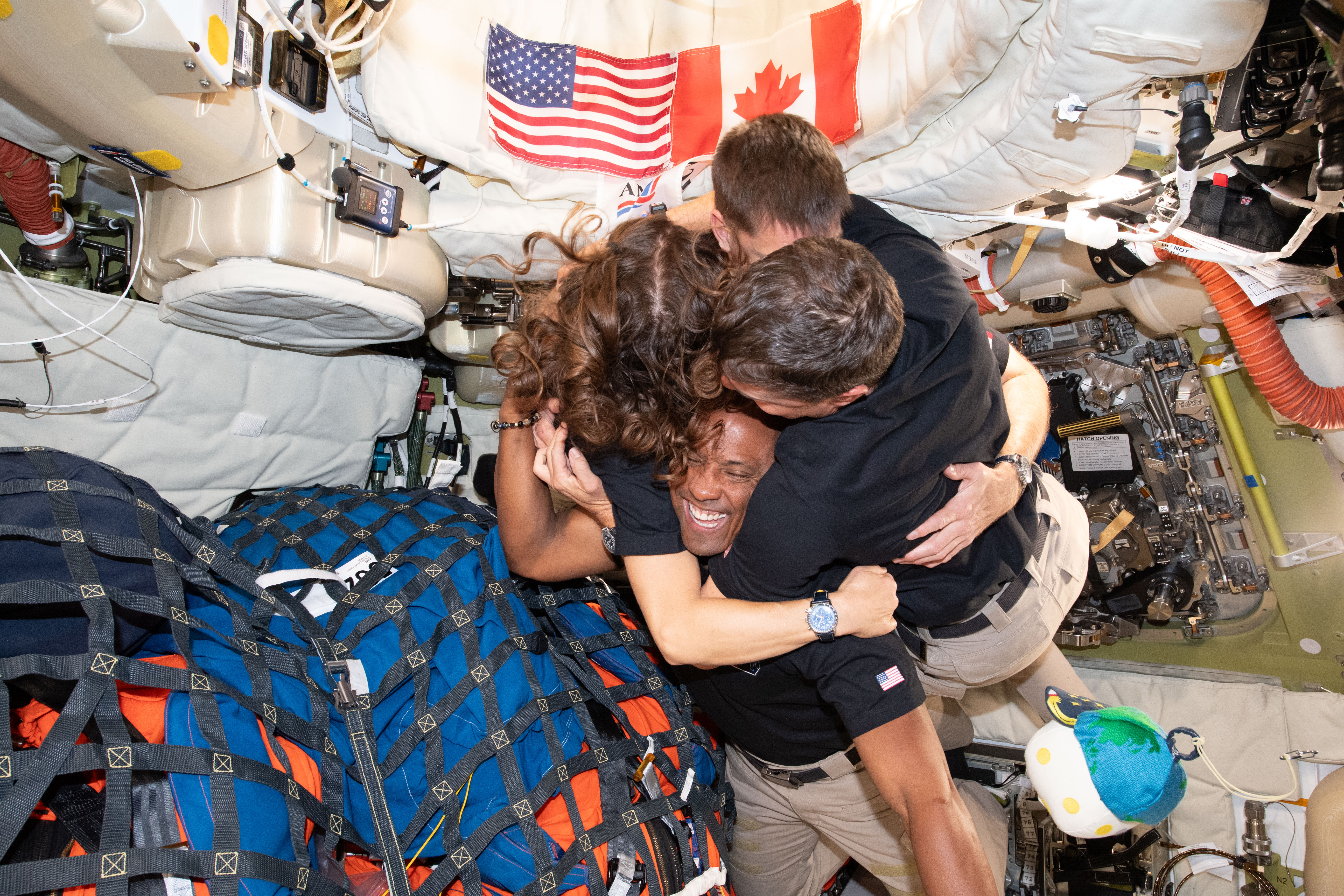
This mission not only highlights the importance of international collaboration and scientific inquiry but also paves the way for future lunar exploration. As NASA continues to plan subsequent Artemis missions, the lessons learned from Artemis II will be invaluable in refining the approach to lunar exploration and ensuring the success of future endeavors.
As humanity takes these steps back to the Moon, the Artemis program is positioned to play a significant role in the broader quest to explore Mars and beyond. By combining technical prowess with scientific curiosity, missions like Artemis II are setting the stage for the next era of space exploration.