The ViaSat-3 Flight 3 (F3) satellite, an integral part of Viasat's ambitious next-generation global satellite constellation, has reached a significant milestone with the successful deployment of its perimeter truss reflector. This achievement was confirmed by L3Harris Technologies, which developed the advanced reflector system.
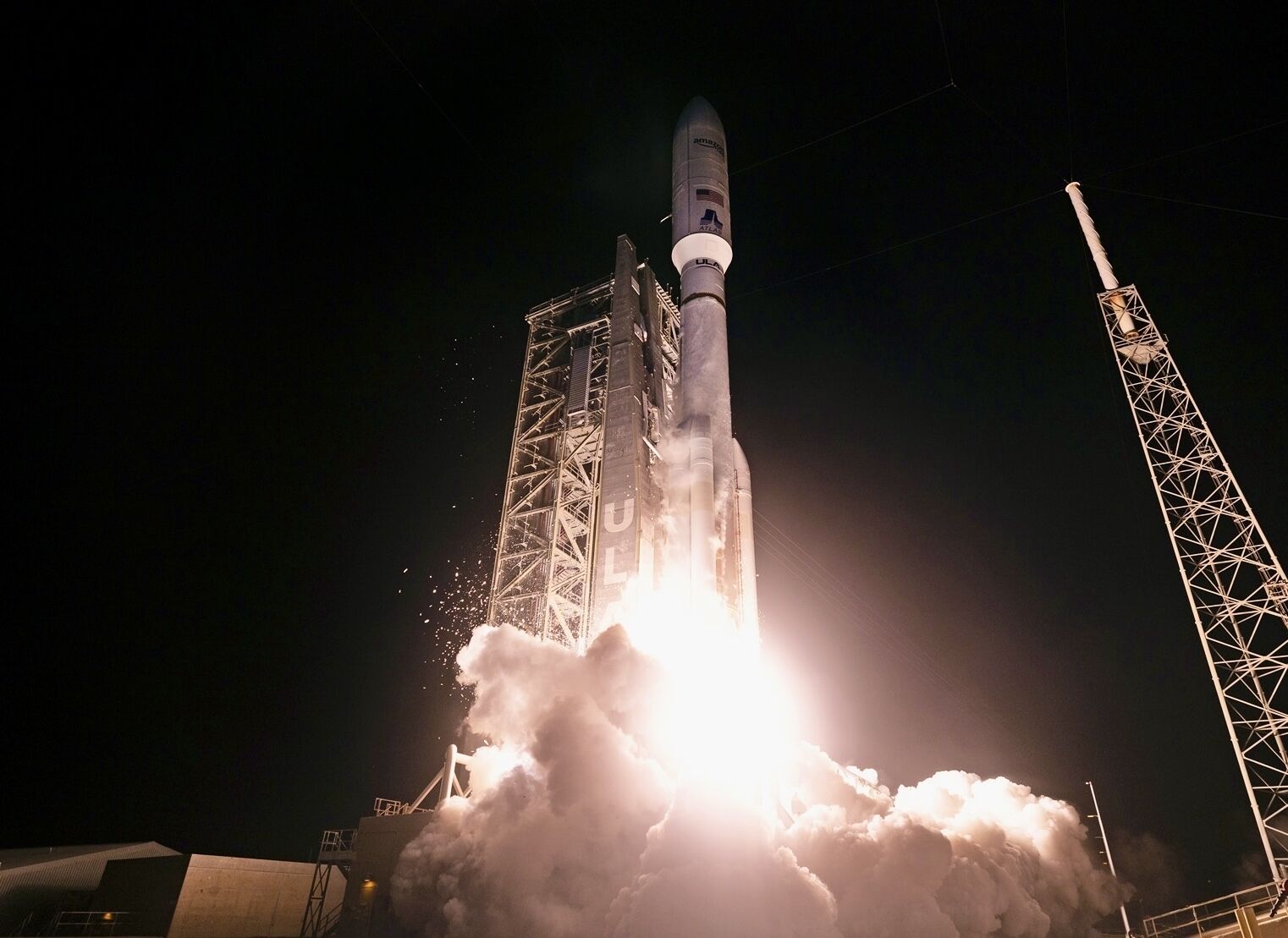
The ViaSat-3 F3 satellite was launched aboard a SpaceX Falcon Heavy rocket in late April 2026 from Kennedy Space Center. It represents the third and final satellite in Viasat's high-capacity geostationary orbit series. Positioned to serve the Asia-Pacific region, this satellite is designed to deliver a vast 1-Terabit-per-second (1 Tbps) of data throughput, focusing on high-density areas such as maritime, commercial aviation, and fixed-broadband corridors.
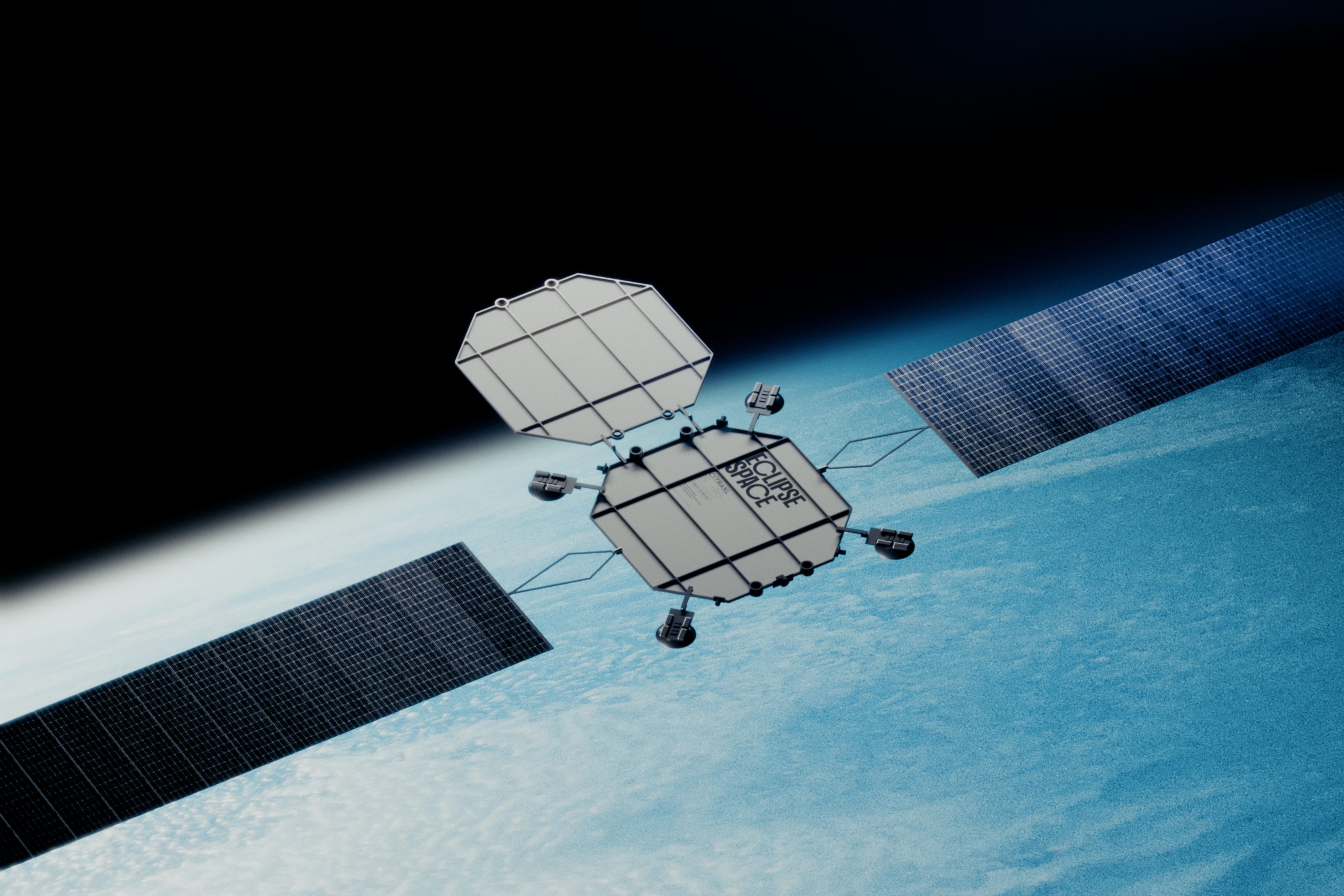
L3Harris's perimeter truss reflector is a cutting-edge component of the satellite's communication capabilities. According to Nate Krejca, General Manager of Mission Critical RF at L3Harris, this reflector is 30% more compact than industry standards while maintaining exceptional surface precision. This design allows for near-perfect signal focus, maximizing data capacity and enhancing broadband performance.
The deployment process of the reflector, confirmed on July 22, 2026, involved a complex unfurling sequence, verified via onboard cameras and telemetry systems. This milestone is crucial as it ensures the structural alignment needed for the satellite's advanced beam-forming routines. Such precision is vital for dynamically allocating network capacity across the APAC region.
Following the successful mechanical deployment, Viasat engineering teams have commenced formal in-orbit payload and bus performance checks. These diagnostic tests and orbit-raising operations will continue over the coming months, with the satellite expected to enter commercial service later this year. This phase is critical to fine-tuning the satellite's operational parameters to meet the high demands of the region's users.
ViaSat-3 F3 joins its predecessors, ViaSat-3 Flight 1 and Flight 2, which cover North America and the Europe, Middle East, and Africa (EMEA) region, respectively. Together, these satellites form a powerful network designed to provide global broadband coverage with high-speed internet access.
Viasat's strategic deployment of these satellites underscores its commitment to addressing the growing global demand for high-speed connectivity. The innovative technologies employed in the ViaSat-3 series, including the advanced reflector systems by L3Harris, highlight a significant leap forward in satellite communication capabilities.
The successful deployment of the reflector on ViaSat-3 F3 also reflects the ongoing collaboration between Viasat and L3Harris, which has been pivotal in advancing satellite technology. L3Harris's role in building deployable mesh reflector apertures and antenna systems from UHF-Band through Ka-Band is crucial to enhancing the satellite's communication reach and efficiency.
As the satellite prepares for full operational status, its impact on the Asia-Pacific region is anticipated to be substantial, potentially transforming broadband access and communication infrastructure. This development is particularly relevant as the region continues to experience rapid growth in digital connectivity demands.
The deployment of ViaSat-3 F3 is a testament to the collaborative efforts in the aerospace industry, showcasing the integration of advanced engineering solutions to meet global communication challenges. As Viasat moves forward with its plans, the satellite's performance will be closely monitored, ensuring it meets the high expectations set for this next-generation network.