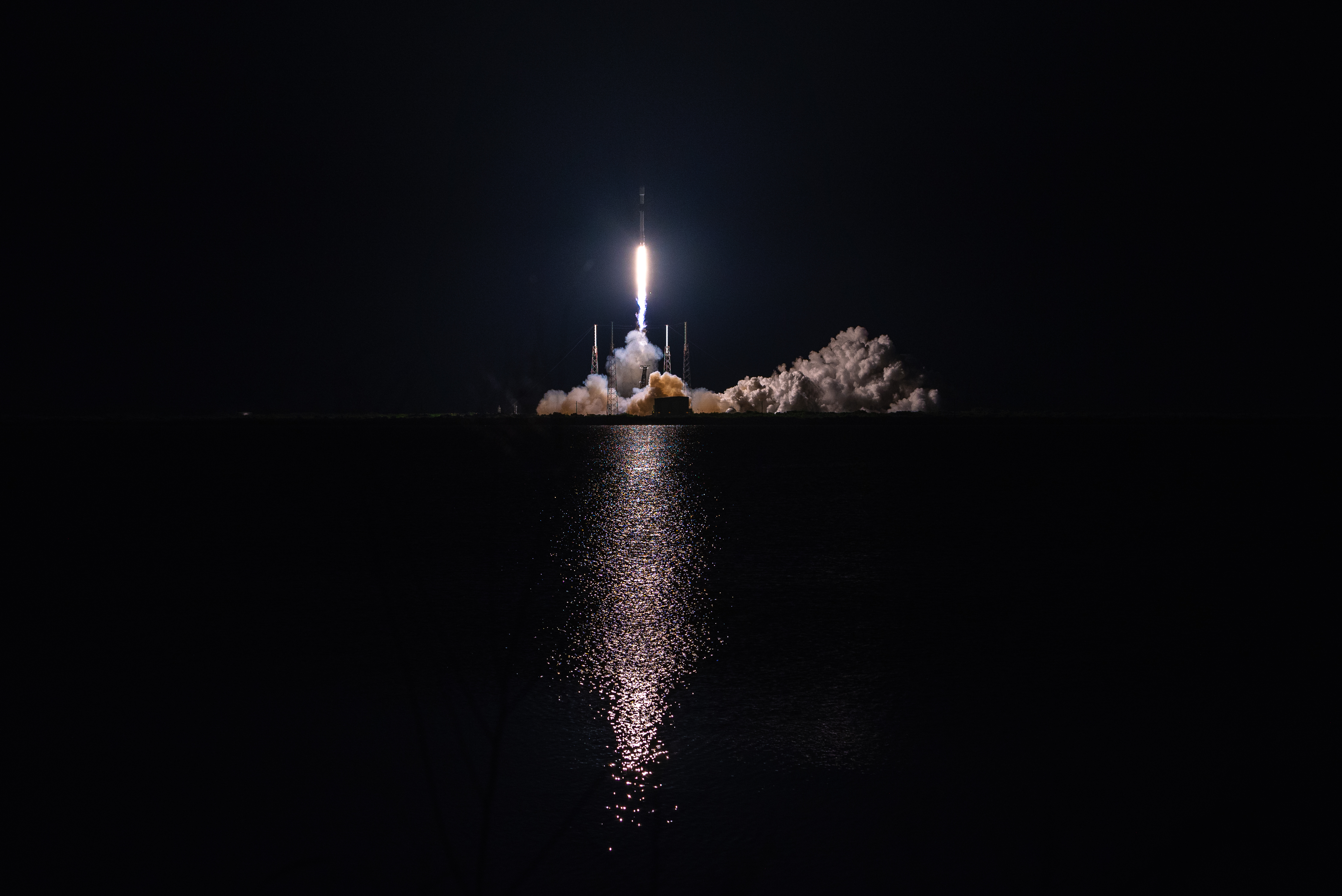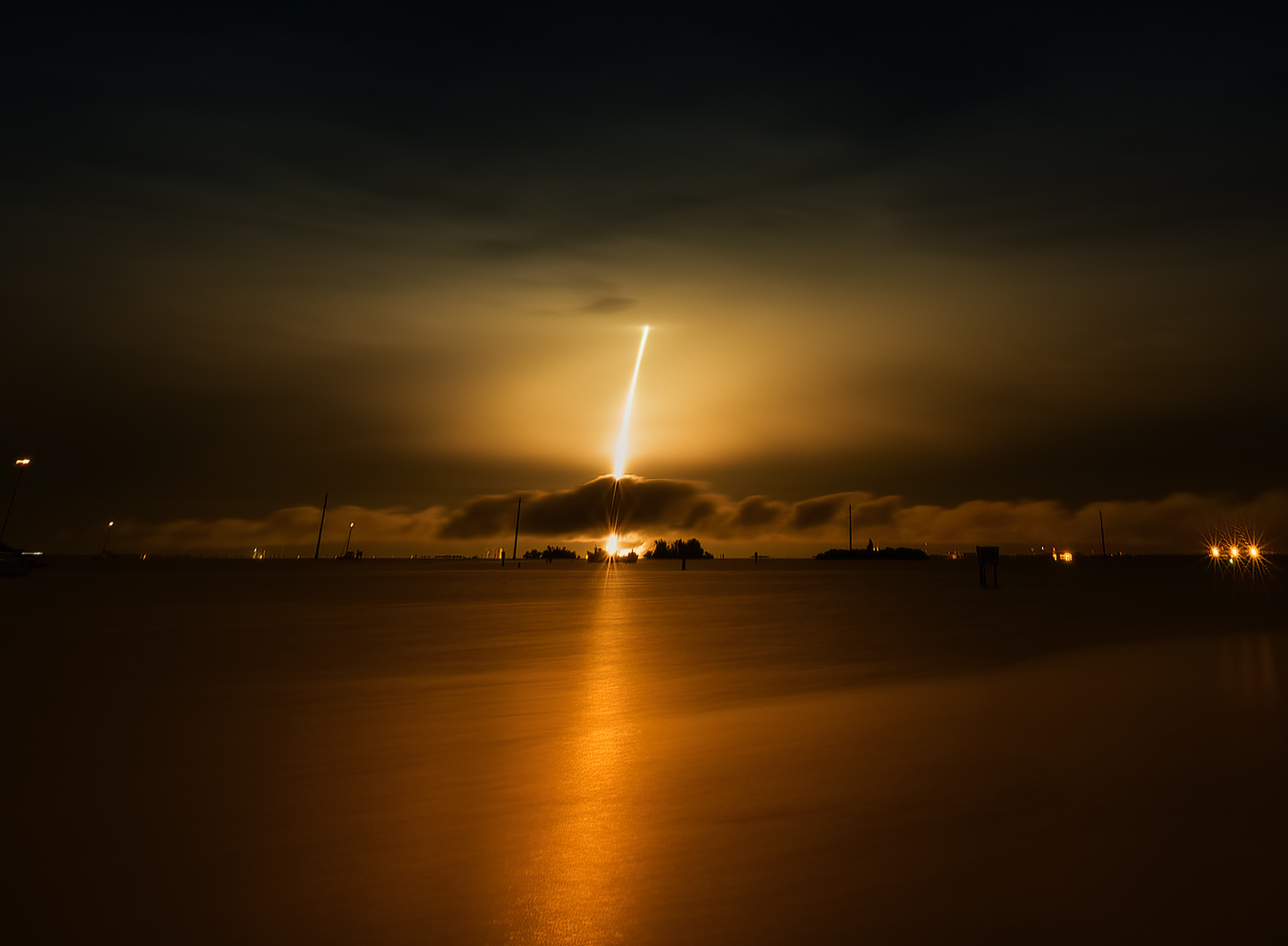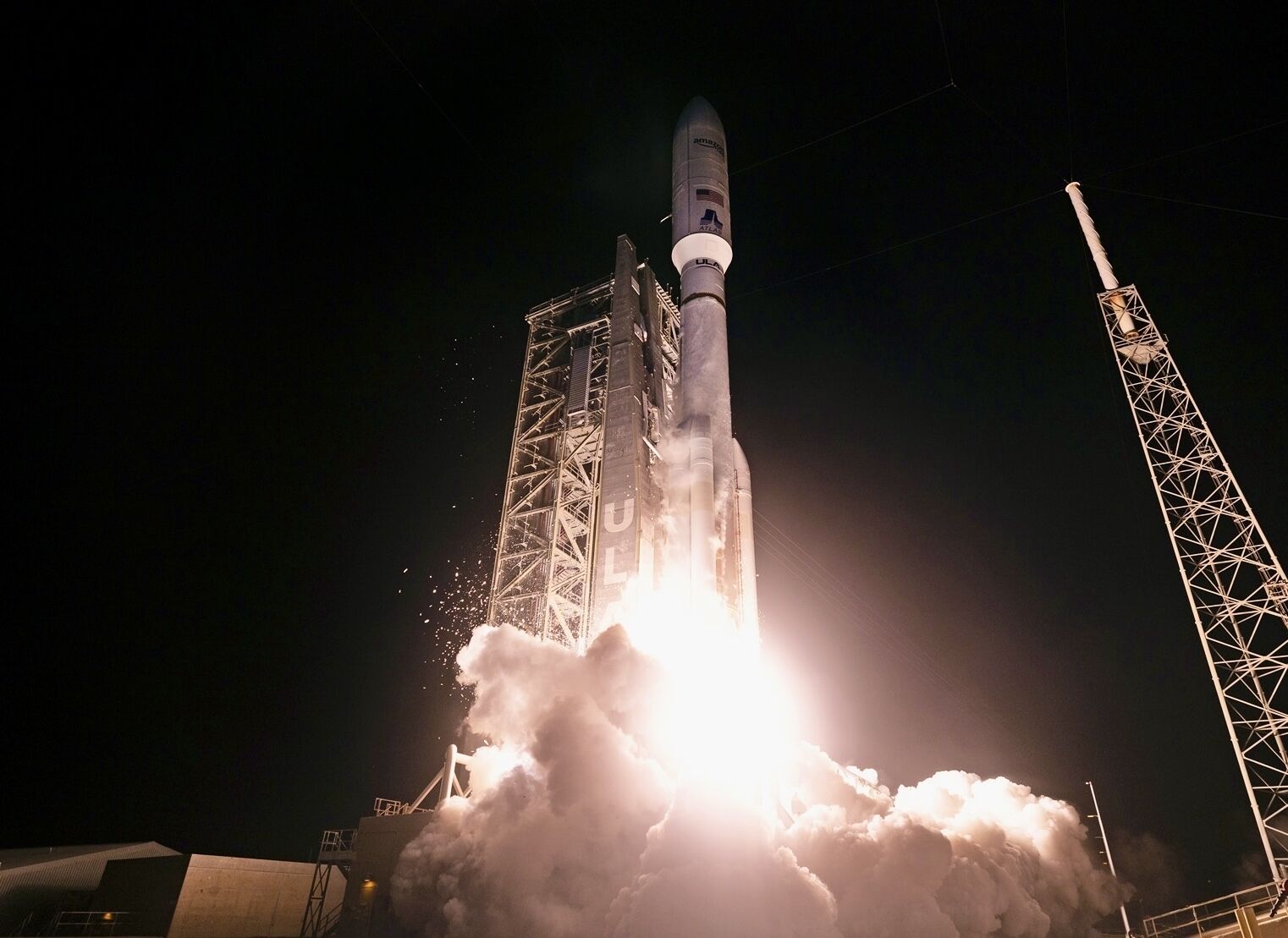
Amazon's recent satellite launch marks a significant step forward in the company's ambitious plan to offer global high-speed internet service from space. In the early hours of July 2, 2026, an Atlas 5 rocket, operated by United Launch Alliance (ULA), successfully deployed 29 Amazon Leo satellites into low Earth orbit from Cape Canaveral Space Force Station.
This launch is the eighth and final mission using the Atlas 5 rocket, with Amazon planning to transition to ULA's next-generation Vulcan rocket for future deployments. This strategic shift is part of Amazon's extensive launch plan, which also includes partnerships with Blue Origin, Arianespace, and SpaceX, aimed at building a robust satellite infrastructure to support its broadband services.
The recent launch increases Amazon Leo's satellite constellation to 396 operational units, which Chris Weber, Amazon Leo's Vice President of Business and Product, claims is enough to commence initial commercial services this year. This milestone is crucial for Amazon as it positions itself to compete directly with SpaceX's Starlink, which currently leads with over 10,000 satellites and 12 million subscribers.
For several months, Amazon Leo has been beta-testing its satellite internet service with select customers. However, the limited number of satellites in orbit so far has resulted in non-continuous coverage. The latest launch aims to address this issue, allowing Amazon to offer consistent connectivity within targeted mid-northern and mid-southern latitudes. As more satellites are launched, the coverage area will gradually expand.
Melissa Wuerl, Director of Launch Systems at Amazon Leo, highlighted the company's readiness to ramp up its deployment schedule. With a new vertical integration facility at Cape Canaveral and hundreds of flight-ready satellites, Amazon plans to increase its launch and deployment frequency, facilitating the rapid expansion of its satellite network following the initial service rollout later this year.
Amazon's first-generation satellite constellation plans to reach full deployment with 3,232 satellites by mid-2029. Regulatory approval is already in place for a larger second-generation constellation, underscoring Amazon's long-term commitment to its satellite internet enterprise.
Despite these advancements, Amazon Leo faces significant competition from SpaceX's Starlink, which has established a strong foothold in the satellite internet market. Both companies manufacture their satellites in the Seattle area, but the sheer scale of Starlink's current operations presents a formidable challenge.
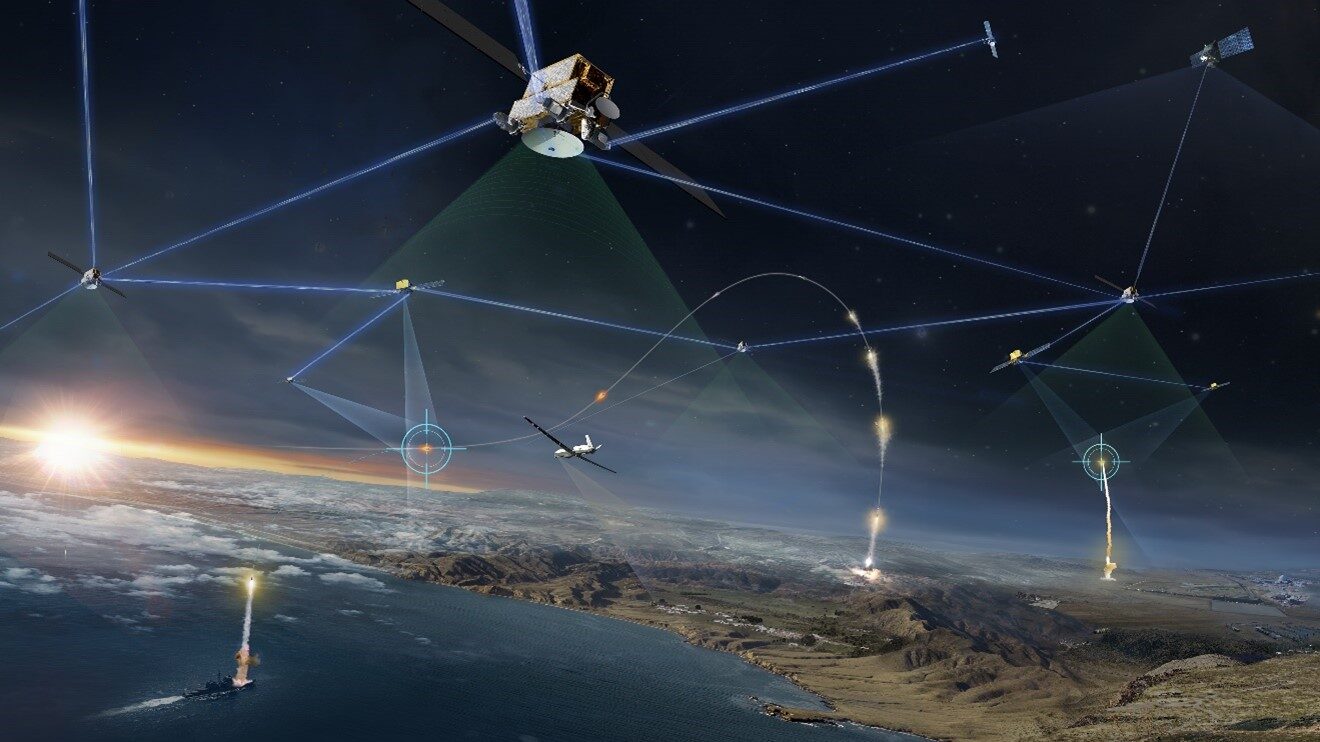
As the space race for satellite internet intensifies, the implications for global connectivity are profound. Satellite internet services like those offered by Amazon Leo and SpaceX Starlink promise to bridge the digital divide, providing high-speed internet access to remote and underserved areas worldwide.
While Amazon has yet to disclose pricing for its satellite broadband service, the competitive landscape suggests that affordability will be a key factor in attracting subscribers. As the satellite internet industry evolves, consumers can expect a dynamic market characterized by rapid technological advancements and increased accessibility.
The launch of Amazon Leo's satellites not only marks a technological achievement but also sets the stage for a transformative shift in how internet services are delivered globally. With continuous innovation and deployment, satellite internet could redefine digital connectivity in the years to come.