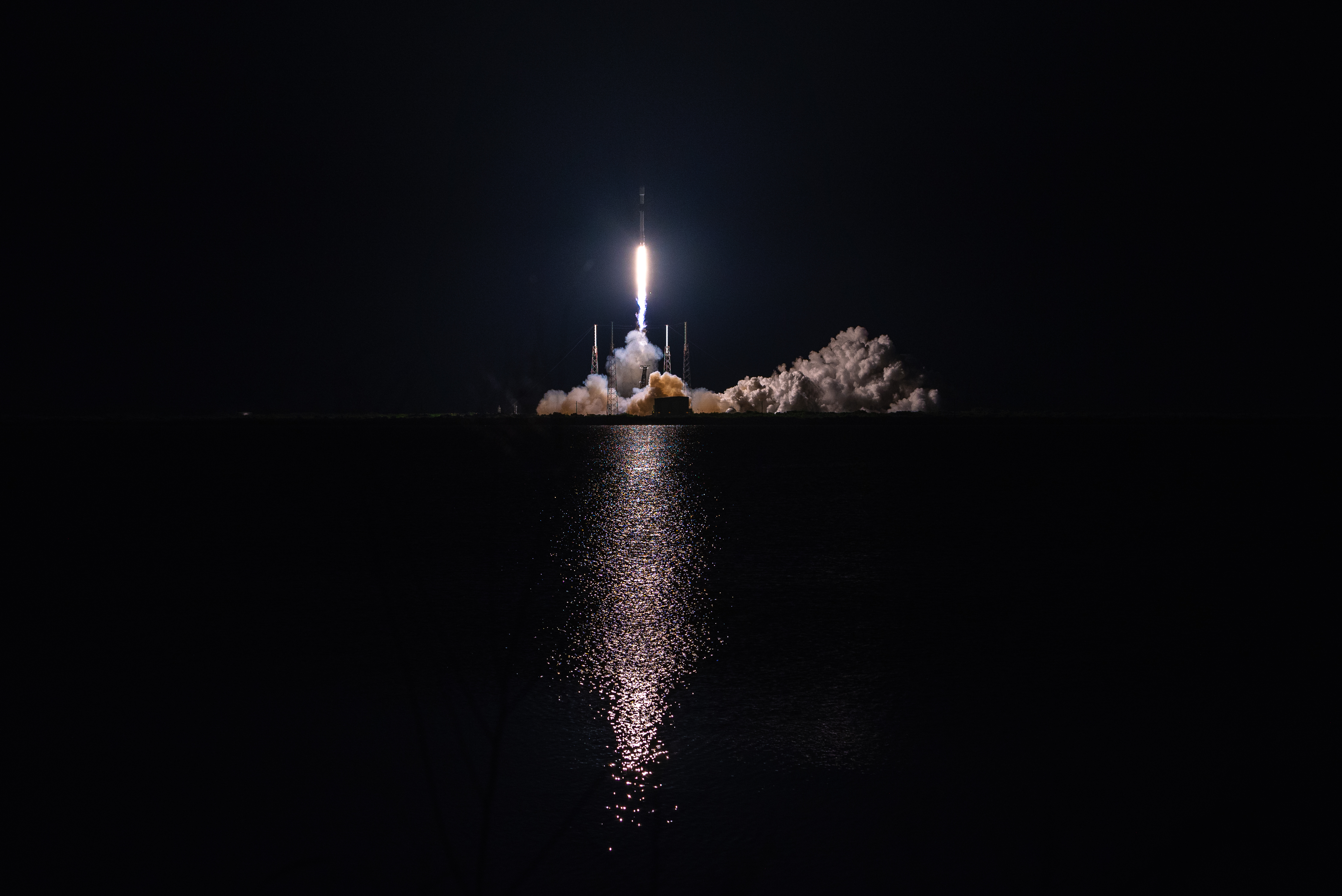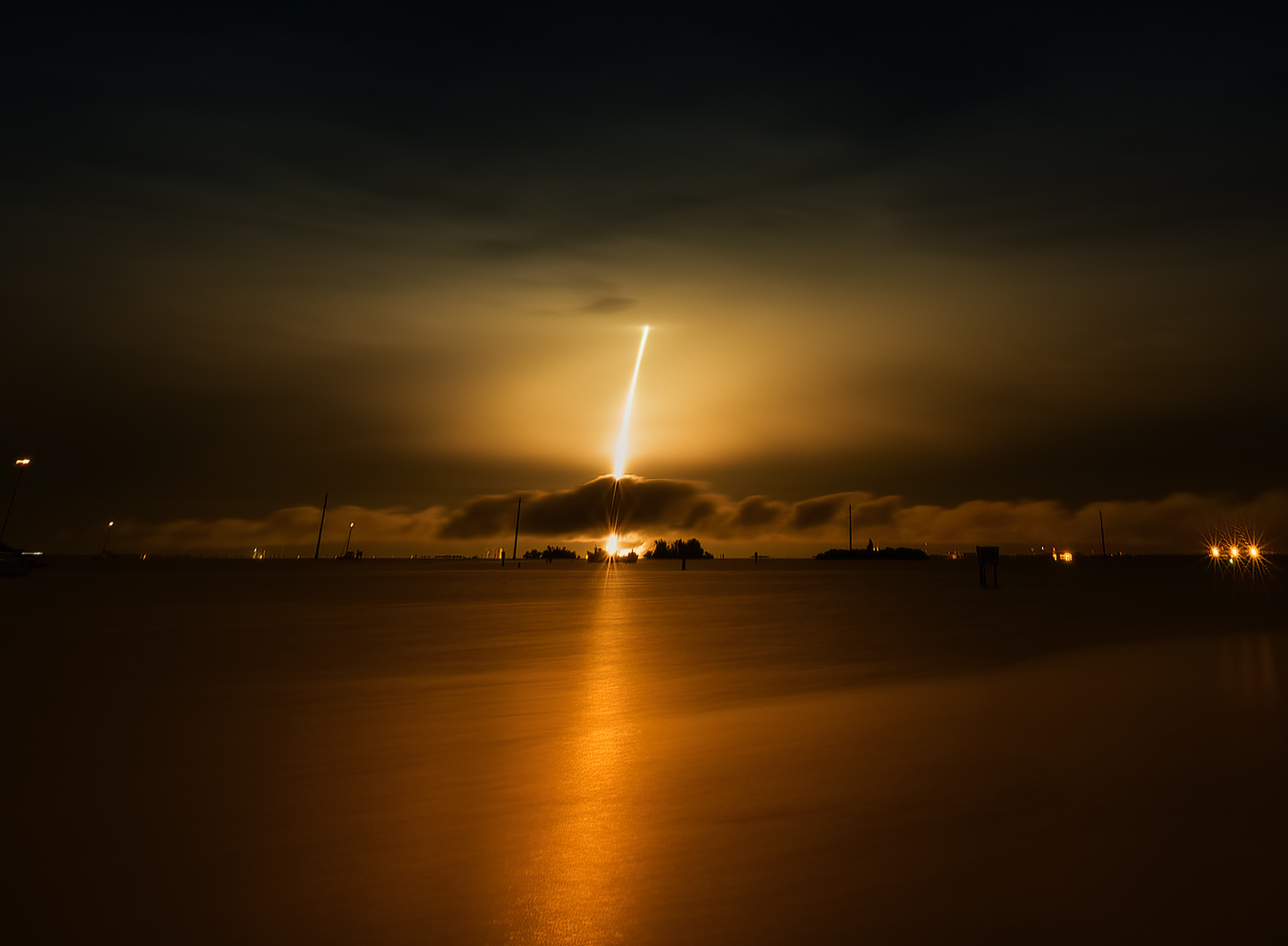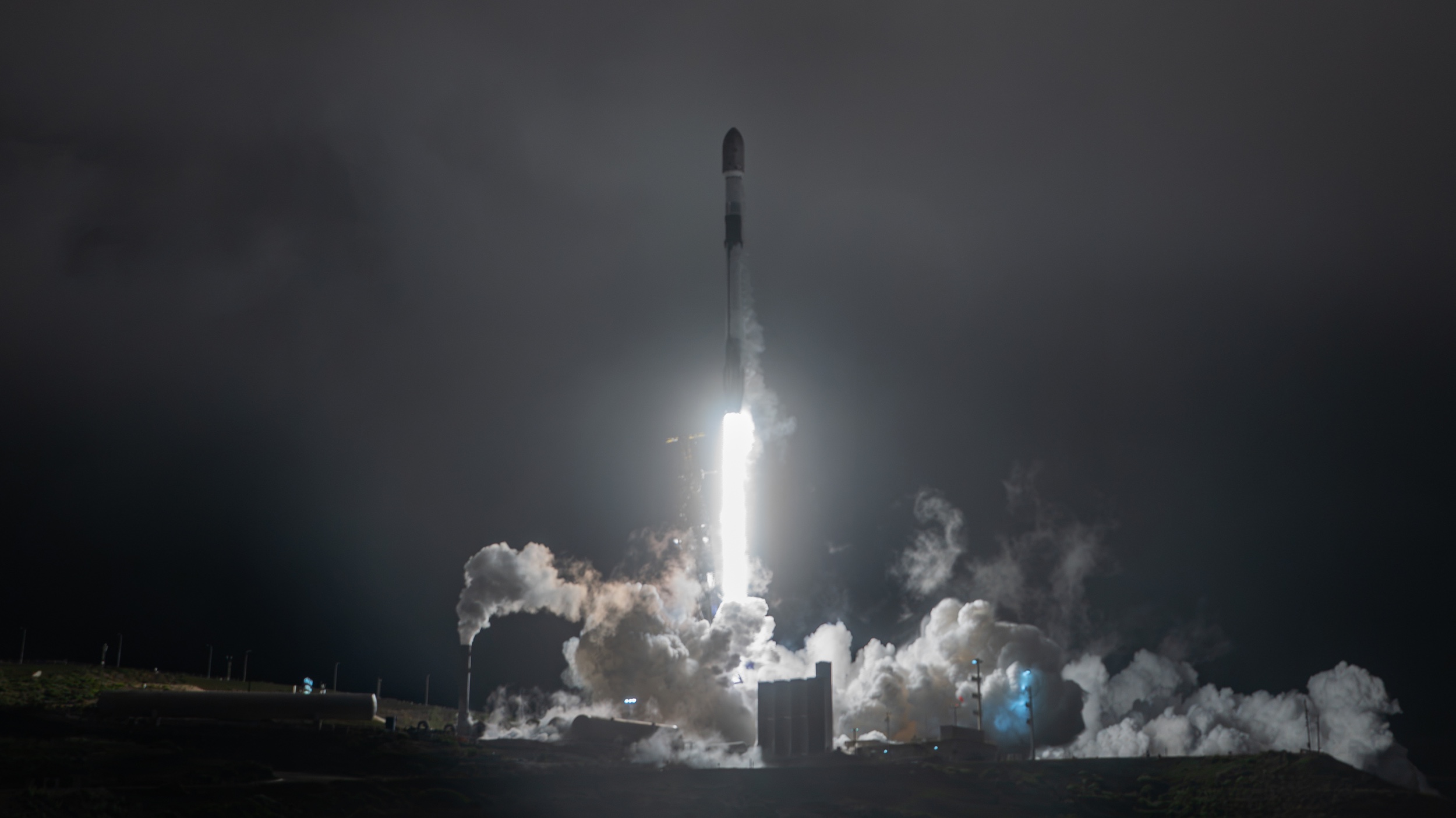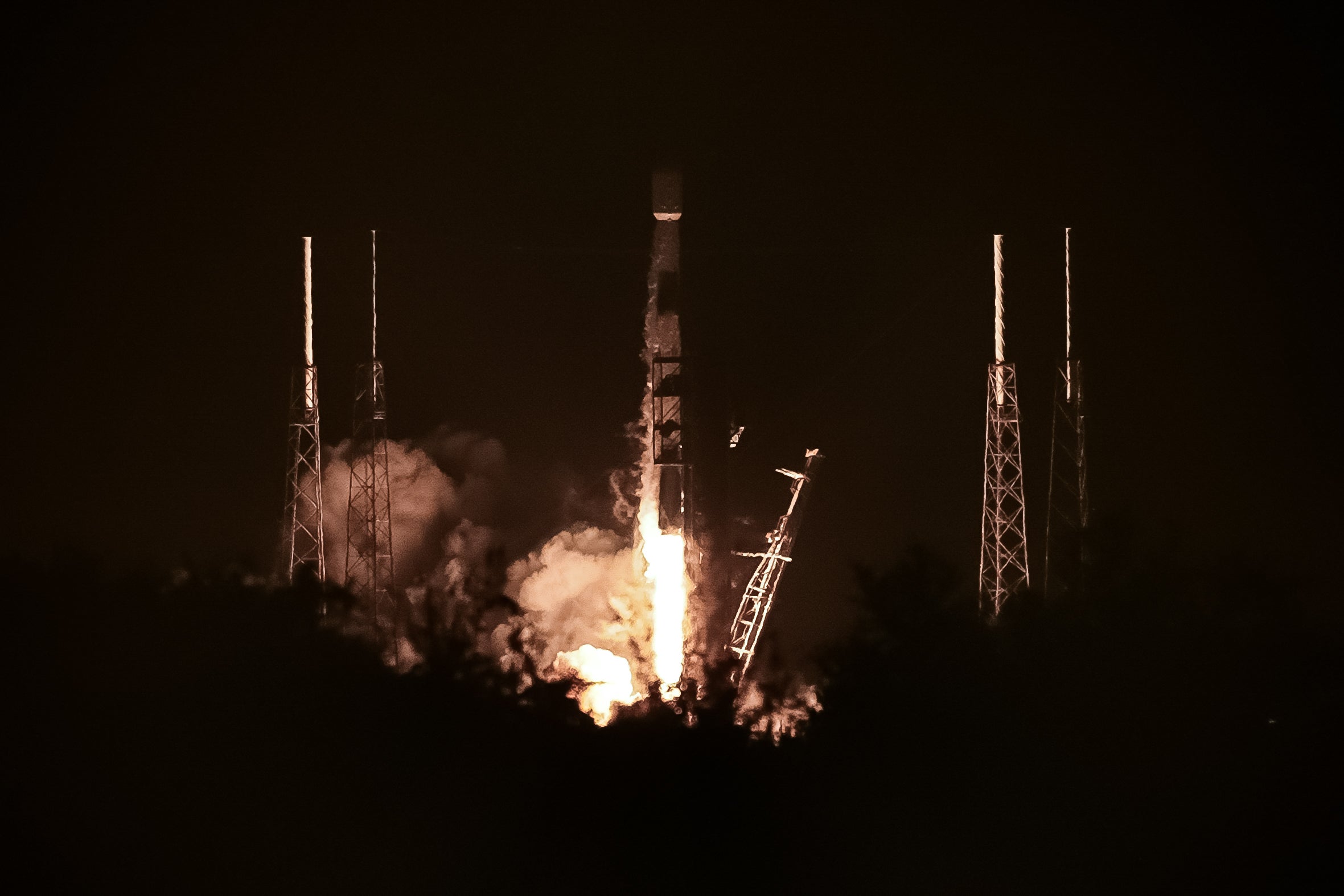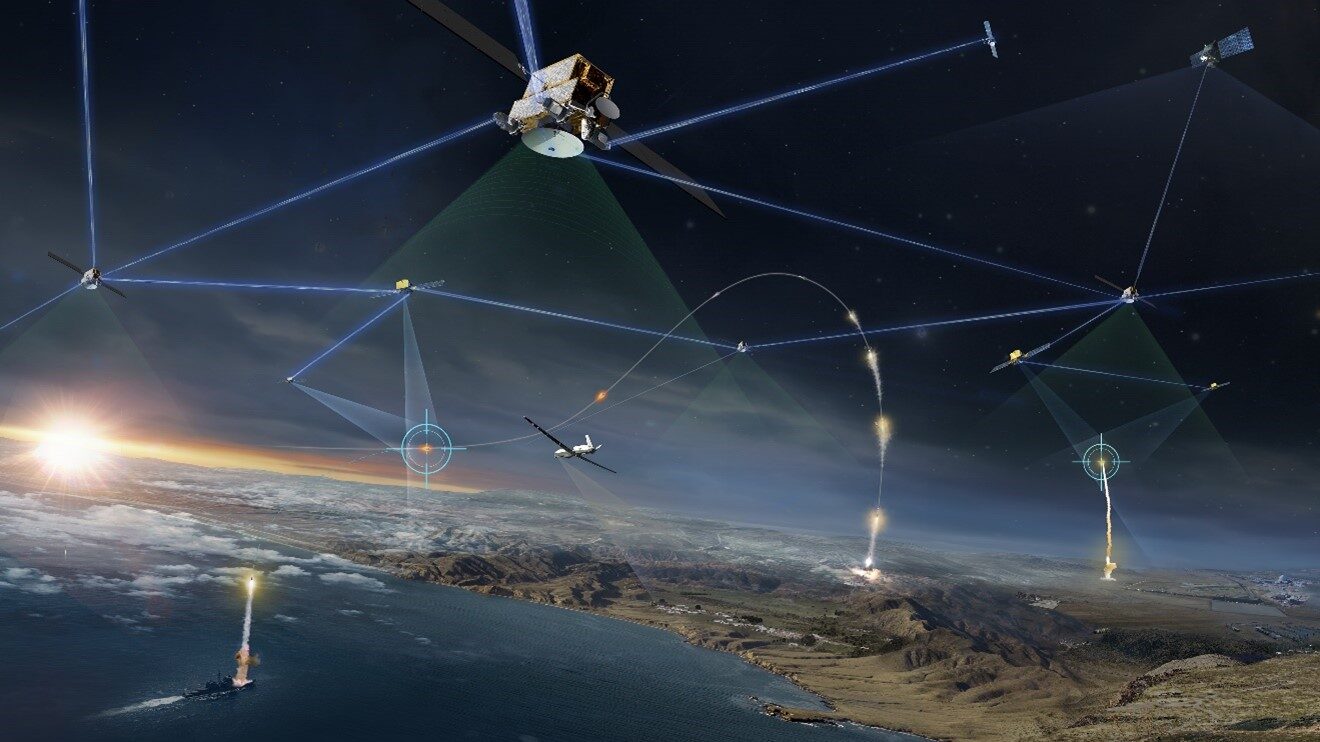
The Space Development Agency (SDA) is set to resume its satellite launch operations with the deployment of 21 communications satellites on July 16, 2026. This launch marks a significant step in SDA's efforts to build out its Proliferated Warfighter Space Architecture (PWSA), a constellation designed to enhance secure communications for the U.S. military and its allies.
The satellites, part of the Tranche 1 Transport Layer (T1TL), will be launched aboard a SpaceX Falcon 9 rocket from Space Launch Complex 4 East at Vandenberg Space Force Base in California. The launch is scheduled for 1:32 p.m. PDT (4:32 p.m. EDT / 2032 UTC), with live coverage provided by Spaceflight Now beginning about an hour prior to liftoff.
This deployment is part of a broader effort to establish a constellation consisting of 154 operational satellites. These are divided into 126 Transport Layer satellites, 28 Tracking Layer satellites for missile warning and tracking, and four missile defense demonstration satellites. The SDA’s constellation is intended to provide more agile and responsive capabilities, including improved data relay and missile tracking capabilities.
The resumed launch follows a strategic pause prompted by software and hardware issues identified in the initial batch of satellites. Last September and October, 42 satellites were launched by York Space Systems and Lockheed Martin. However, these satellites encountered problems, including discrepancies in thermal modeling that necessitated additional thermal mitigation measures. The SDA has since addressed these issues to ensure the effectiveness of subsequent launches.
The SDA Director, Gurpartap “GP” Sandhoo, emphasized the importance of resolving these technical issues to enhance the operational capability of the satellites. The agency's efforts include improving thermal management and expanding ground entry points to facilitate necessary software updates. Despite these challenges, Sandhoo remains optimistic, noting that ongoing checkouts of the initial satellite planes have shown improvements in resolving earlier propulsion system issues.
The satellites are equipped with advanced features such as Link 16 tactical data link capability and optical communications terminals. These are crucial for the rapid transmission of data collected by the satellites, including information on advanced and hypersonic threats.
SpaceX’s Falcon 9 first stage booster B1103, which has previously supported multiple missions, will be used for this launch. SpaceX aims to recover the booster on its droneship, ‘Of Course I Still Love You,’ stationed in the Pacific Ocean. This recovery, if successful, will represent SpaceX’s 211th landing on this vessel and the 639th booster landing to date.
The SDA's partnership with contractors like York Space Systems, Northrop Grumman, and Lockheed Martin remains robust. These companies were awarded contracts in February 2022 to build the initial 42 satellites each for the T1TL constellation. The SDA also continues to expand its capabilities, recently awarding contracts worth $1.75 billion to further develop its missile-tracking satellite network.
As the SDA continues to deploy its satellite constellation, the agency aims to provide real-time data to military operatives, thereby enhancing strategic operations and global defense capabilities. The successful deployment of these satellites will be a critical milestone in achieving a more interconnected and secure communications framework for military operations worldwide.