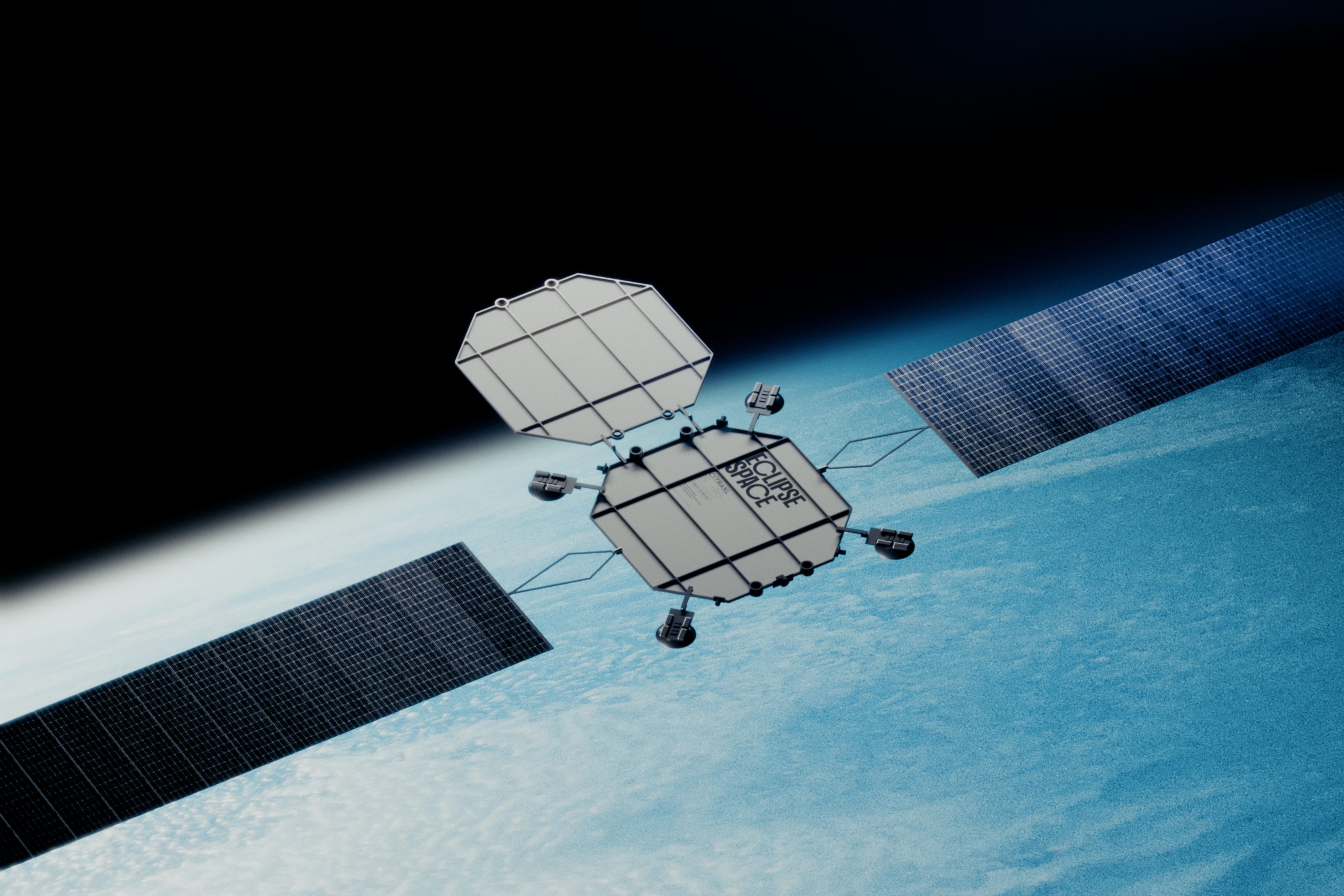
In a move that could redefine the landscape of satellite megaconstellations, a group of former SpaceX engineers has launched Eclipse Space. This new startup aims to provide governments and companies with greater control over space-based infrastructure. Emerging from stealth on June 26, 2026, Eclipse Space is spearheaded by Derek Huerta, a former satellite payload engineering manager at SpaceX, who played a pivotal role in building and scaling the Starlink constellation.
Based in Redmond, Washington, the heart of Starlink's satellite production, Eclipse is preparing to deliver its first pieces of customer hardware later this year. These initial deliveries will include a prototype phased array and a telemetry, tracking, and command radio. The company plans to deploy an integrated demonstration spacecraft by 2027, marking a significant step in its ambitious roadmap.
Eclipse Space is taking a distinctive approach compared to the tightly controlled, vertically integrated model of SpaceX's Starlink. It intends to operate with a fabless production model, akin to Apple's iPhone strategy. This means Eclipse will design the satellites, own the intellectual property, and establish the manufacturing processes, but will collaborate with regional partners for assembly. This strategy allows customers more control and ownership without the need to build an organization of SpaceX's scale.
Derek Huerta, who co-founded Eclipse shortly after leaving SpaceX, noted that while the recent Nasdaq IPO of SpaceX provided a financial boost to early employees, Eclipse is not a self-funded venture. The startup has secured undisclosed investments from early-stage investors such as Space Capital, Tectonic, and Ubiquity, ensuring it is well-capitalized to execute its plans.
The team at Eclipse Space is largely composed of veterans from Starlink, with about half of its 30 employees having transitioned from there. Notably, 13 members were part of the initial phase of the broadband constellation, contributing expertise in phased arrays, supply chain development, power systems, software, modems, and other critical components.
The goal of Eclipse Space is to adapt and expand the successful strategies of Starlink to a broader market, allowing a variety of entities to partake in the burgeoning field of satellite megaconstellations. By leveraging the experience and knowledge of its team, Eclipse aims to deliver customizable solutions that meet specific customer needs, potentially democratizing access to space technologies.
As the demand for satellite-based services continues to grow, especially in areas such as telecommunications, earth observation, and global internet coverage, the model proposed by Eclipse could significantly lower the barriers to entry for many organizations. The ability to have tailored satellite solutions without the necessity of massive infrastructure investment could spur innovation and competition in the space industry.
Looking ahead, Eclipse Space's approach could have broad implications for the future of space technology deployment. By decentralizing the production and ownership of satellite systems, the company may foster a more inclusive and diverse space economy. As Eclipse progresses towards its first demonstration mission in 2027, the industry will be keenly watching to see if this model can achieve its promise of more accessible and customizable space-based infrastructure.