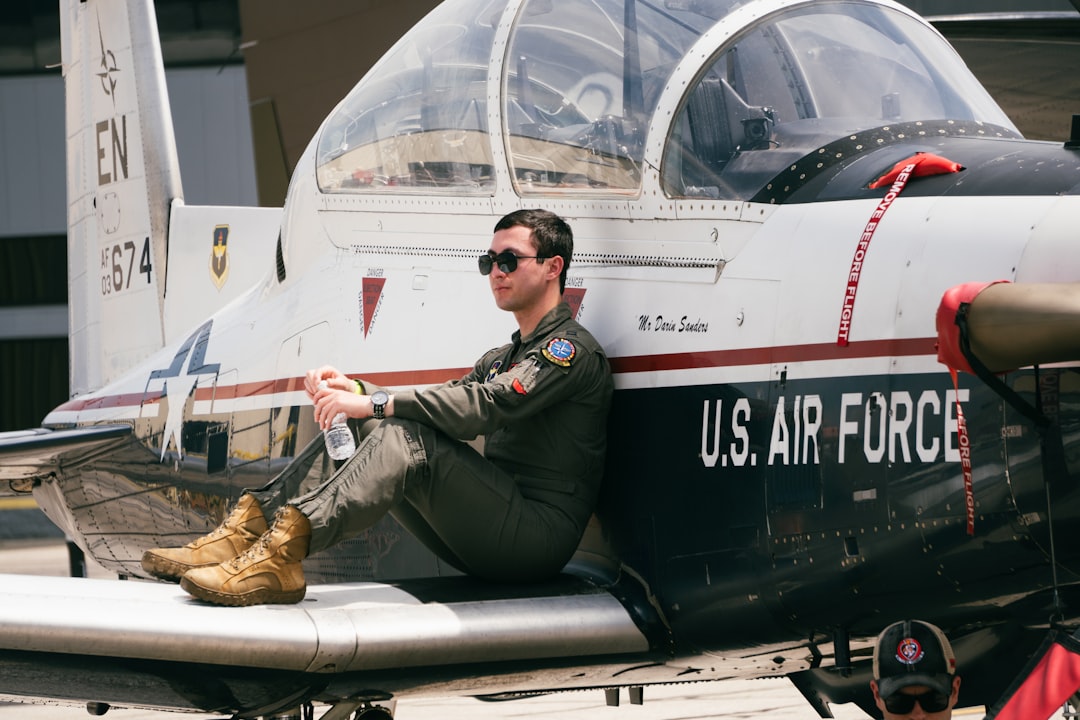
The United States Air Force has implemented a fleet-wide operational pause for its T-38 Talon aircraft, grounding the entire fleet effective immediately following a crash that occurred on May 12 at Columbus Air Force Base in Mississippi. The decision, announced on May 19, 2026, comes as investigators work to determine the root cause of the incident and assess whether other aircraft in the fleet may be at similar risk.
Both Pilots Safely Ejected
The May 12 mishap involved a T-38 operating out of Columbus Air Force Base in Mississippi. According to an official Air Force press release, both pilots aboard the aircraft safely ejected, avoiding what could have been a fatal outcome. While the safety of the crew is a significant relief, the incident was serious enough to prompt the Air Force to halt all T-38 flight operations across the service — a decision that is not made lightly.
The Air Force stated the grounding was enacted "out of an abundance of caution" to allow an ongoing accident investigation to "locate and assess evidence" and to ensure "the continued safety of Air Force personnel and equipment involved in flying T-38 operations while the investigation progresses." The duration of the pause, the Air Force noted, "remains undetermined pending further engineering analysis and development of an inspection process to clear aircraft for a safe return to flight."
Inspections to Begin Immediately
Despite the uncertainty surrounding the timeline, the Air Force moved quickly to outline a path forward. Inspections aimed at identifying any underlying mechanical or structural issues are expected to begin "as early as this week," according to the official release. Individual T-38 aircraft will be permitted to resume flying operations only after they have passed inspection and received any necessary corrective maintenance. This aircraft-by-aircraft clearance process means the fleet could return to service on a rolling basis, rather than all at once.
In the meantime, the Air Force has directed that "aircrews will maximize simulator training to maintain proficiency and currency requirements." This approach ensures that pilots continue to build and retain their skills even while physical flight operations are suspended, minimizing the operational impact of the grounding on training pipelines.
A Critical but Aging Aircraft
The T-38 Talon holds a storied place in American military aviation history. The aircraft entered service in 1961, making it one of the longest-serving jet trainers in the world. Built by Northrop Grumman, the T-38 has been the backbone of Air Force pilot training for decades, serving as the platform on which young aviators learn the fundamentals of high-performance jet flight before transitioning to advanced platforms such as fighter jets and bombers.
However, the aircraft's age has increasingly become a challenge. Given how long the T-38 has been in service, maintaining the fleet has grown progressively more difficult and resource-intensive. Aging airframes, obsolete components, and the general wear of decades of intensive training operations have placed mounting pressure on the Air Force's ability to keep the Talon airworthy. This latest grounding adds another chapter to the ongoing story of managing an aircraft well past its originally intended service life.
The T-7 Red Hawk: A Replacement on the Horizon
The Air Force has long been working toward replacing the T-38 with a modern successor. The T-7A Red Hawk, built by Boeing, is designed to better prepare pilots for next-generation aircraft with its more contemporary design and advanced avionics. Officials have stated that the Red Hawk's modern architecture will more effectively bridge the gap between initial training and the increasingly sophisticated platforms that pilots will eventually fly.
In a significant milestone, the Air Force approved the T-7 for production earlier this month, and the service expects the new jet trainer will be ready to fly new pilots by 2028. While that transition cannot come soon enough for those managing the aging Talon fleet, the T-38 will remain the primary advanced jet trainer for at least the next few years.
Standard Protocol, Serious Implications
While fleet groundings following mishaps are not unprecedented in military aviation, they are never routine decisions. Such actions typically hinge on preliminary data suggesting that other aircraft could be vulnerable to a similar failure or incident. The Air Force's willingness to halt an entire fleet of training aircraft — disrupting pilot training schedules across the service — underscores the seriousness with which the May 12 crash is being treated and reflects the service's unwavering commitment to the safety of its personnel.
Stay up to date with the latest space news at NovA mAInd.