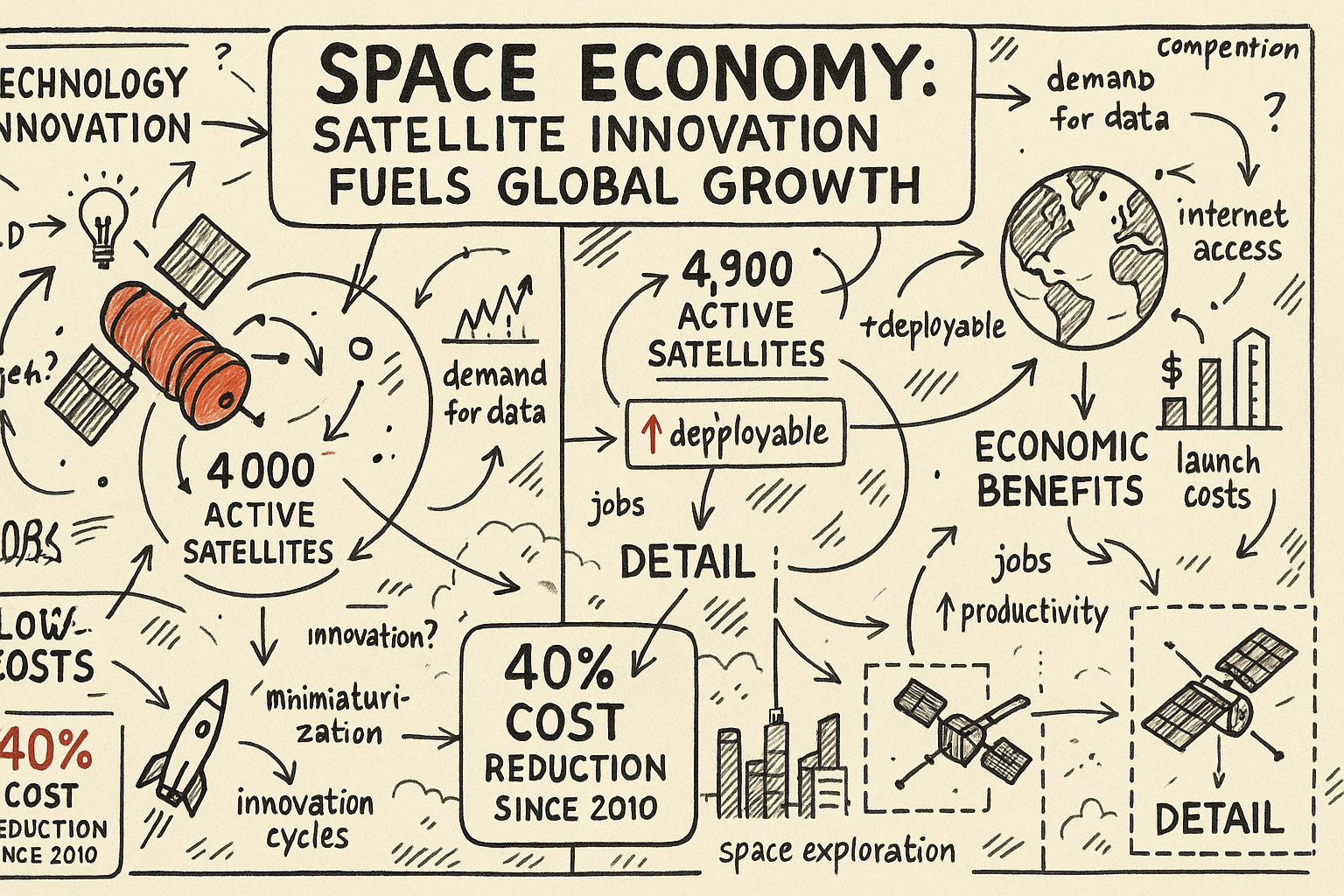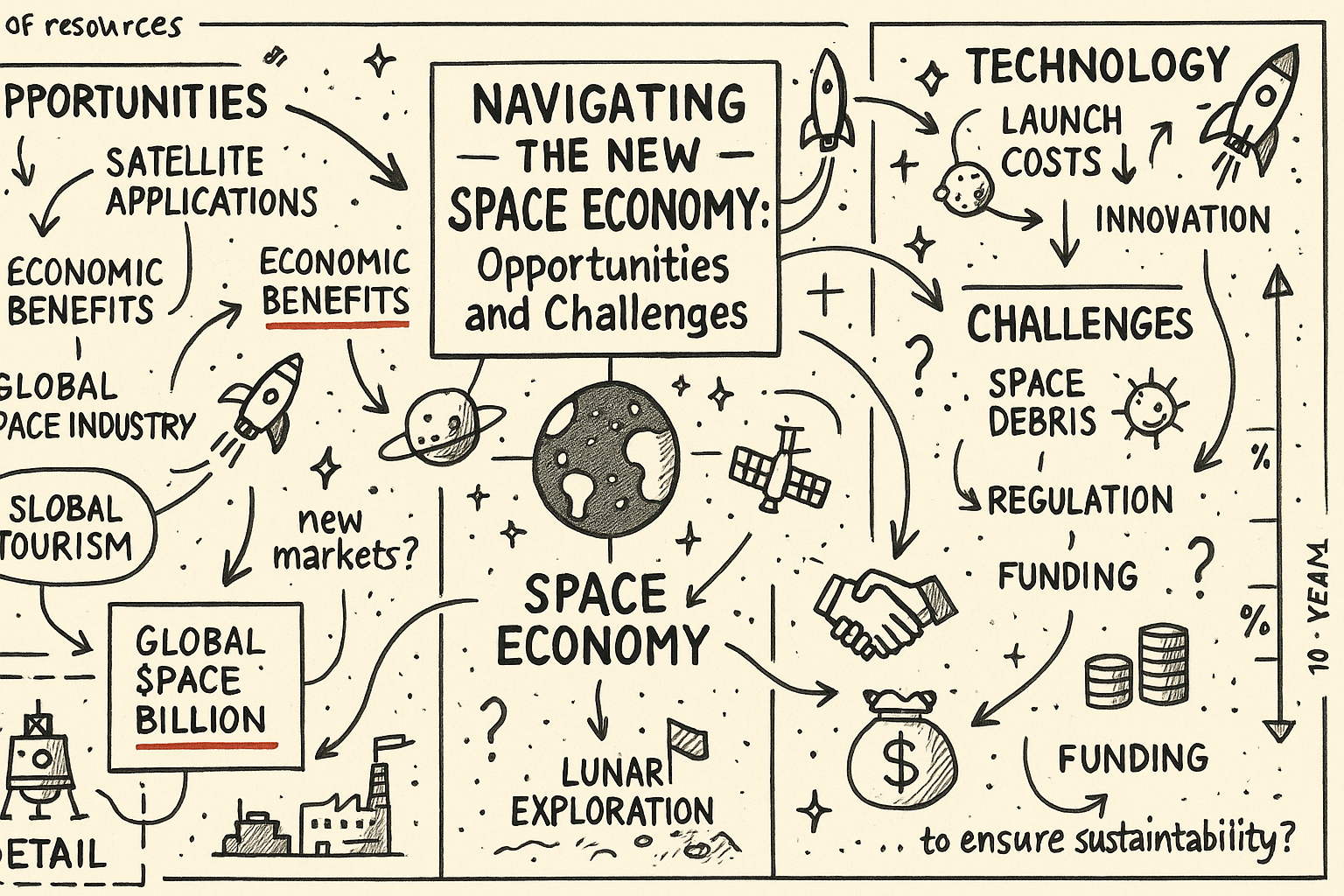
The space economy is undergoing a transformative phase characterized by a surge in financial activities and technological innovations. Recent developments include a flurry of SPAC deals, IPO preparations, and technological breakthroughs that are setting the stage for a robust and competitive market.
SPACs and IPOs: Fueling Growth
BlackStar Orbital Technologies' decision to go public through a SPAC merger with Pono Capital highlights the growing trend of space companies seeking public investment as a means to accelerate growth. This move follows a similar trajectory as Orienspace, a Chinese launch startup, which is preparing for an IPO while securing funding for its Gravity-2 reusable rocket. These financial maneuvers underscore the critical role of capital markets in supporting space ventures and indicate a maturation of the industry.
SPACs, or Special Purpose Acquisition Companies, offer a quicker route to public markets, allowing companies like BlackStar to capitalize on investor interest in the burgeoning space sector. However, the success of these ventures hinges on not just financial backing but also the ability to deliver on technological promises.
Technological Advancements and Their Economic Impact
Redwire's partnership to fly microgravity research payloads on SpaceX's Starfall mission exemplifies the potential of space-based research to revolutionize industries such as biotechnology and pharmaceuticals. The promise of microgravity environments to enhance drug development processes could open new revenue streams and drive significant economic impact.
Moreover, BlackSky's record service revenue, driven by its Gen-3 satellite solutions, highlights the increasing demand for advanced satellite technologies. The ability to provide real-time, high-resolution imagery has applications ranging from environmental monitoring to defense, further solidifying the economic significance of satellite technologies.
Challenges in the Shadow of Giants
Despite the optimistic financial outlook, new entrants face formidable challenges, particularly in the realm of satellite communications. As outlined in the analysis of the competitive landscape, the dominance of established players like SpaceX and its Starlink constellation poses significant hurdles for newcomers. The vertically integrated giants have a considerable advantage in terms of infrastructure and market penetration.
Nonetheless, there is room for innovation and niche market opportunities. Companies investing in unique technologies, such as ORBES with its Exo-ORB maintenance spacecraft, position themselves as valuable partners in the broader ecosystem, focusing on specialized services rather than direct competition with incumbents.
Future Implications and Strategic Directions
The current trajectory of the space economy suggests a vibrant future with diverse opportunities. However, sustainable growth will require careful navigation of regulatory landscapes, technological risks, and market dynamics. Strategic partnerships, like those between Redwire and SpaceX, could become more prevalent as companies seek to leverage each other's strengths.
Furthermore, the increasing role of international players, such as Orienspace from China, indicates a more globalized and competitive market environment. This could lead to a diversification of services and an expansion of the commercial space economy beyond traditional Western-dominated markets.
Ultimately, the space economy's expansion offers significant economic potential, but it will be crucial for stakeholders to balance innovation with strategic foresight to ensure long-term success.