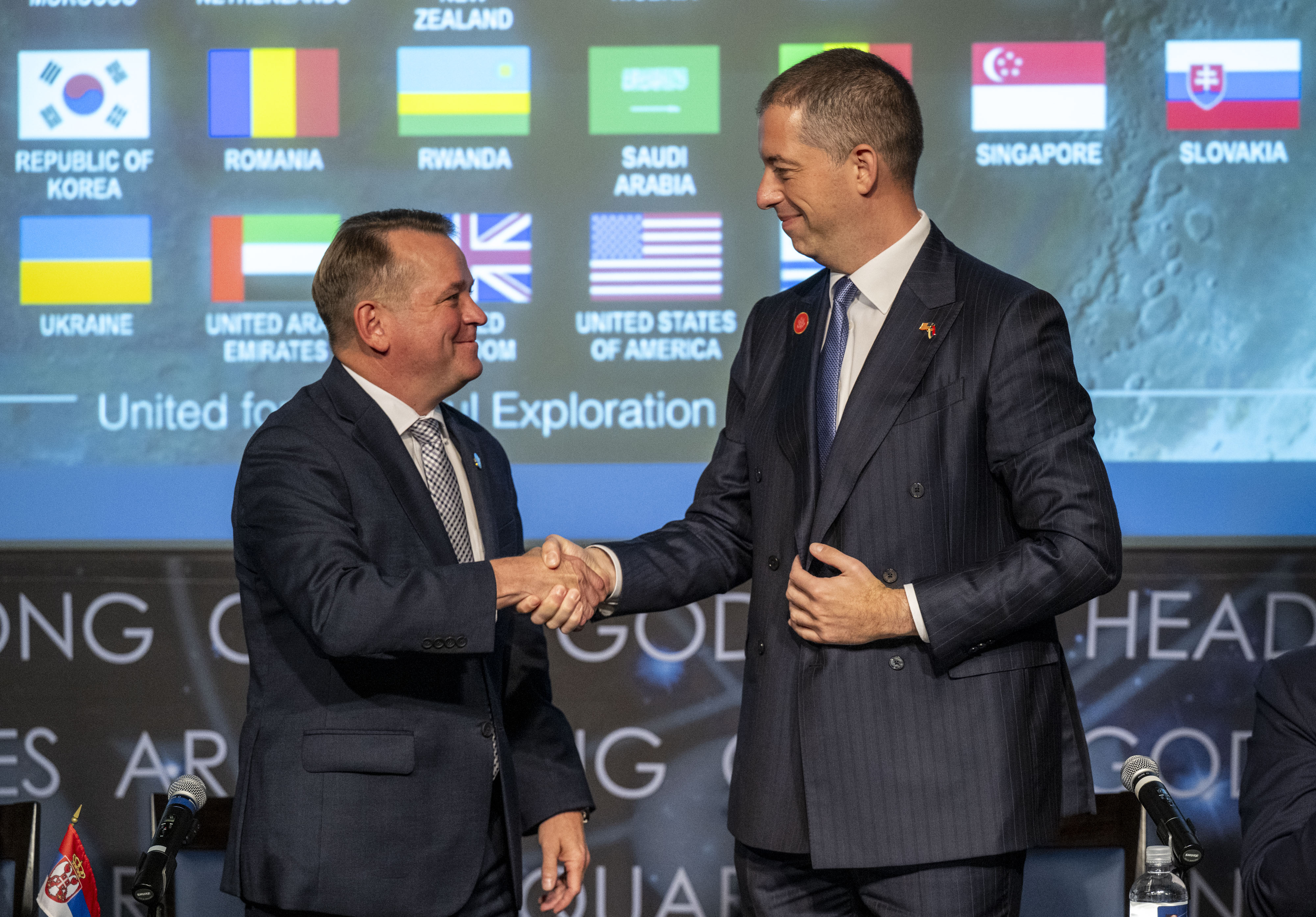
A new report from the U.S. Congress highlights potential security risks associated with NASA's international research collaborations, particularly those involving Chinese researchers. Since 2015, NASA has engaged in hundreds of scientific partnerships that may include participants from China, raising concerns about unintended contributions to Chinese technological capabilities.
The Congressional report scrutinizes the nature and extent of NASA's collaborations, questioning whether these partnerships might inadvertently aid China's strategic interests. The review comes amid growing geopolitical tensions and increased scrutiny over international scientific exchanges, particularly in fields with potential dual-use technologies that could be leveraged for military applications.
While the report does not detail specific projects or collaborations, it underscores the need for stringent oversight and clear guidelines to ensure that U.S. scientific advancements do not inadvertently bolster the capabilities of foreign nations in sensitive areas. This renewed focus on research security aligns with broader U.S. government efforts to safeguard critical technologies and intellectual property.
NASA, known for its collaborative spirit in advancing space exploration and scientific understanding, has historically engaged with international partners, including China, despite regulatory restrictions such as the Wolf Amendment. This legislation, enacted in 2011, prohibits NASA and the White House Office of Science and Technology Policy from engaging in bilateral agreements with China unless explicitly authorized by Congress.
The findings of the Congressional report may prompt a reevaluation of NASA's international collaboration strategies, emphasizing a balance between open scientific exchange and national security imperatives. As the global landscape of space research evolves, so too does the need for policies that protect national interests while fostering international cooperation.
It remains uncertain how NASA will respond to the report's findings, but the agency may need to enhance its measures for vetting and monitoring collaborations with international entities. The challenge lies in maintaining the collaborative momentum that drives scientific progress while ensuring that such partnerships do not compromise U.S. technological leadership or security.