SpaceX is contemplating a significant leap forward with the prospect of going public, and the company's ambitious valuation of nearly $1.75 trillion is at the center of discussions in the financial and aerospace sectors. This potential initial public offering (IPO) is not just another step for the company; it's a declaration of its expansive vision for the future of space exploration and technology innovation.
The proposed IPO has garnered a mix of intrigue and skepticism among investors. Elon Musk, SpaceX's CEO, is known for his bold visions, and this move aligns with his strategy of pushing boundaries. However, the valuation, which positions SpaceX among the most valuable companies globally, has raised eyebrows on Wall Street. The astronomical figure reflects not only the company's current assets and operations but also its potential in emerging markets like space tourism, satellite internet, and AI-driven aerospace technologies.
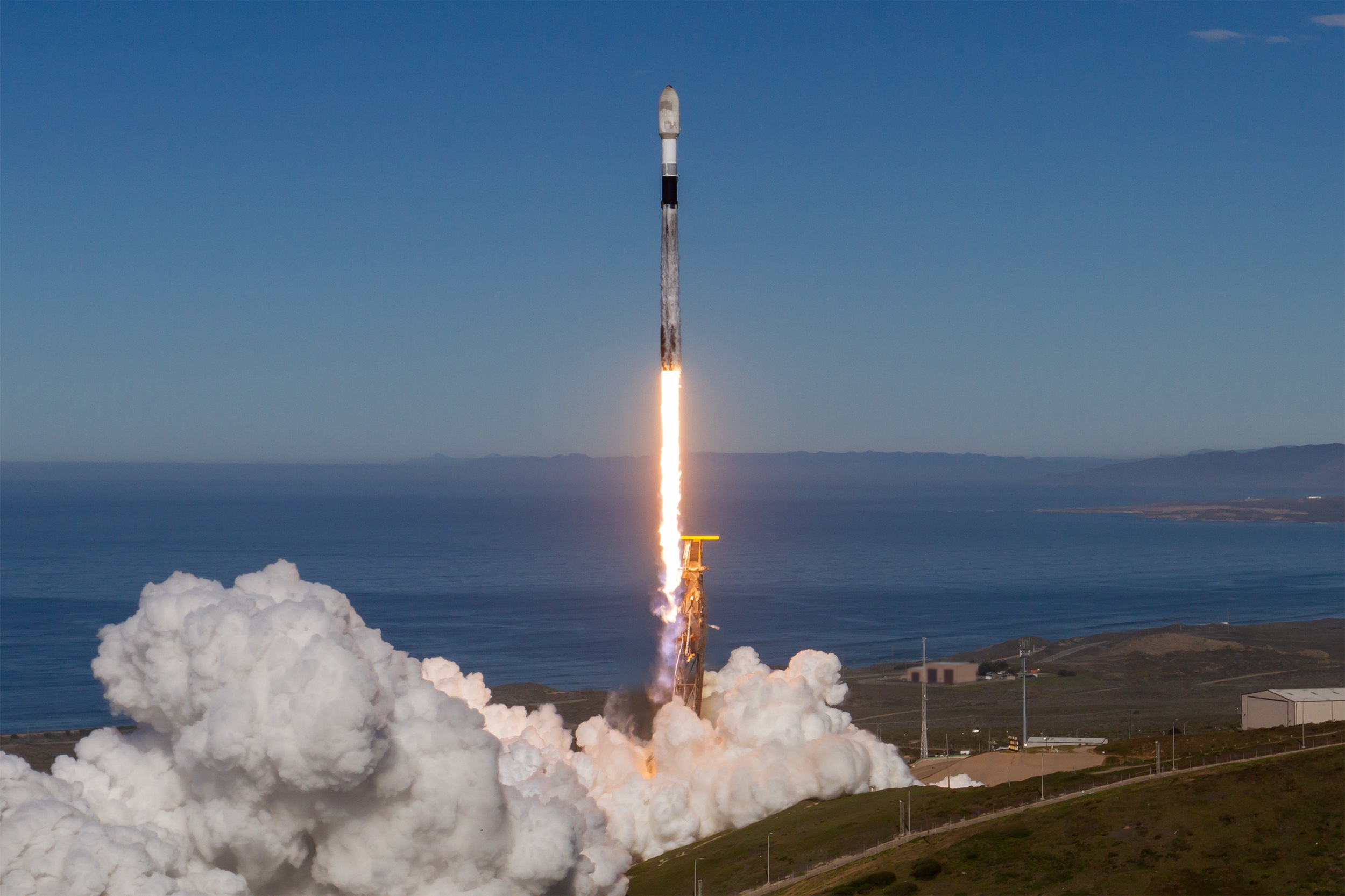
SpaceX has already established a formidable presence in the space industry with successful missions and pioneering achievements such as the reusable Falcon rockets and the Crew Dragon spacecraft, which have significantly reduced the cost of sending payloads and humans into space. These advancements have set a high benchmark for competitors and positioned SpaceX as a pivotal player in both commercial spaceflight and governmental contracts. Nonetheless, the leap to an IPO requires convincing a broader audience of investors of the company's long-term profitability and risk management strategies.
Investors are particularly cautious about the inherent risks involved in the space sector. The industry is characterized by high capital expenditure, technological challenges, and regulatory hurdles. Furthermore, the speculative nature of future markets like Mars colonization and the commercial viability of space travel could either validate or undermine such a valuation. As SpaceX ventures into these uncharted territories, its financial health and operational sustainability remain under scrutiny.
Another critical factor in the valuation is SpaceX's foray into artificial intelligence. The integration of AI technologies in space operations promises to enhance efficiency, safety, and capability in both autonomous and crewed missions. However, this also adds a layer of complexity to the company's value proposition, with potential investors needing to assess the realistic timelines and impacts of these technological advancements.
For the broader space industry, SpaceX's IPO could act as a catalyst for increased investment and innovation. A successful public offering might pave the way for other space companies to seek similar paths, potentially leading to a new era of commercial space activities. It could also influence governmental space agencies to collaborate more closely with private firms, fostering a more integrated space economy.
In summary, SpaceX's anticipated IPO is a bold move that reflects the company's confidence in its future prospects and its role as a leader in the space industry. Whether the $1.75 trillion valuation holds up in the face of market and technological realities remains to be seen. However, the potential ripple effects on the space sector and the investment community are undeniable, marking a pivotal moment for the future of space exploration.